Diwali Across Bharat: 36 Celebrations That Illuminate a Nation’s Soul

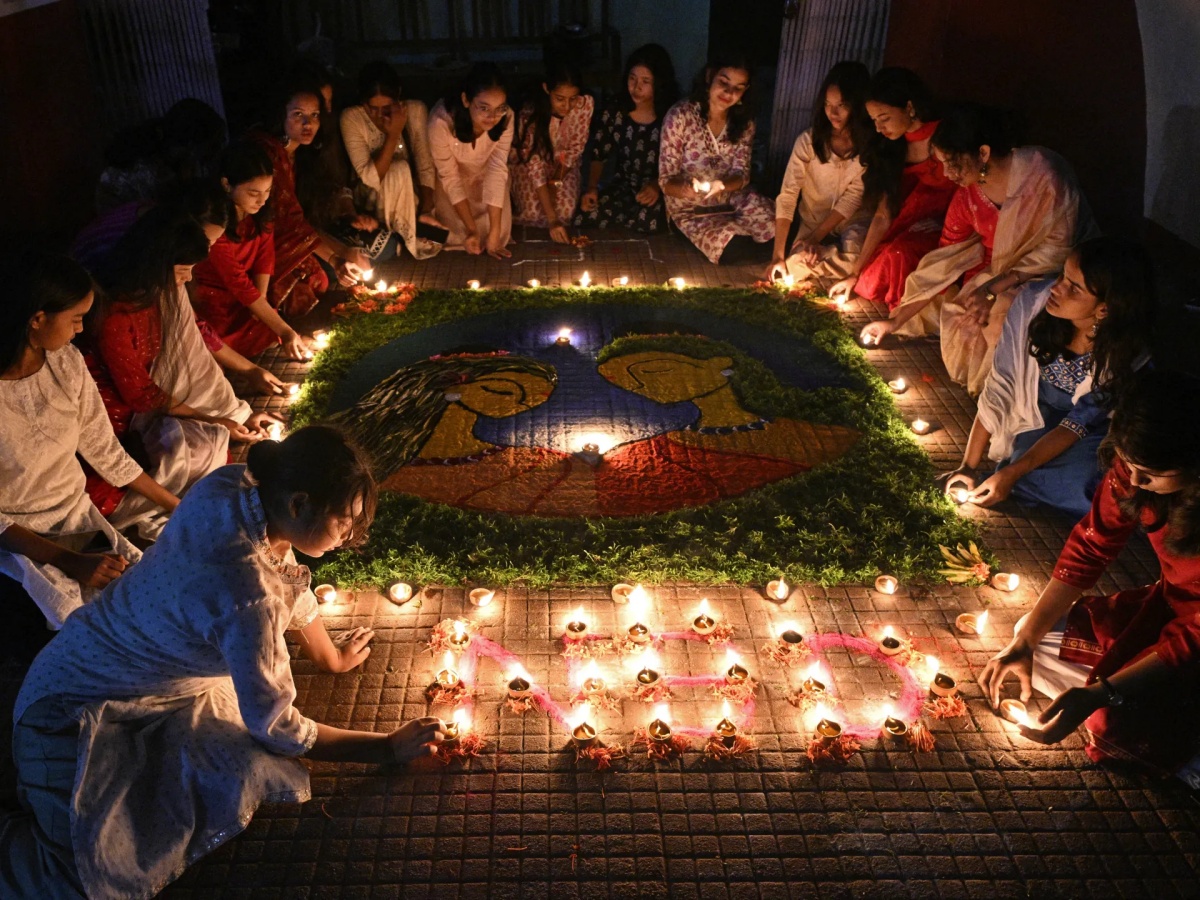
Every year, as the new moon of Kartik Amavasya rises, Bharat glows with millions of diyas. But beyond the familiar sparkle of diyas and the scent of sweets, lies a deeper, more diverse story—one that unfolds in tribal hamlets, temple courtyards, and remote villages. Diwali, often seen as a singular festival celebrating the return of Bhagwan Ram to Ayodhya or the blessings of Goddess Lakshmi, is in truth a constellation of traditions, each rooted in local ecology, memory, and belief.
This article brings together 36 unique Diwali customs from tribal communities and regional cultures across Bharat, revealing a festival that is as plural as the land itself.
I. Tribal Traditions: Diwali in the Forests and Fields
For many of Bharat’s tribal communities, Diwali is not just a festival of lights—it is a celebration of nature, livestock, ancestors, and the rhythms of the land.
- Bastar, Chhattisgarh: Known as “Diyari Tihar,” Diwali here includes crocodile worship for protection and prayers to Shitala Mata for village well-being. Mahalakshmi Puja is locally called “Raja Diyari.”
- Hatti Tribes, Himachal Pradesh: Celebrating “Budhi Diwali” weeks after the mainstream festival, the Hatti community gathers for temple fires, traditional dishes like Badoli and Patande, and homage to their Kuldevta.
- Warli & Banjara Tribes, Maharashtra: Diwali is tied to the harvest of rice and ragi. Rituals include poojas at Gaondevi and Waghoba shrines, and even animal sacrifices.
- Santhal Tribes, Jharkhand: The Sohrai Porab festival honors the return of cattle, not Rama. Cows are decorated with vermilion and oil, and villagers assess how animals were treated during the year.
- Madhya Pradesh Tribes: Sixty-two tribal communities celebrate Diwali over two months, worshipping livestock, decorating animals, and offering food to deities with dance and song.
- Odisha & Himachal Tribes: The Diwali festival includes bovine worship and the burning of deodar and pinewood for peace and prosperity.
- Chandrapur, Maharashtra: The Diwali Dandar festival features tribal dolls and feeding cows with homemade food.
- Udaipur, Rajasthan: In tribal schools, children bring lamps and oil from home to decorate classrooms with rangoli and lights.
- Adilabad, Andhra Pradesh: The Dandari-Gussadi dance festival begins a week before Diwali, with tribals visiting sacred shrines and performing traditional dances.
- Narmada, Gujarat: Tribals celebrate a 15-day Diwali without firecrackers, burning herbal wood to purify the air and worshipping trees and water bodies.
- Tharu Tribes, Uttarakhand: Once a day of mourning, Diwali has evolved into a celebration where rotis are offered to deceased ancestors.
II. Temple Traditions: Diwali in Sacred Spaces
In Bharat’s ancient temples, Diwali is a spiritual spectacle—marked by deep symbolism, elaborate rituals, and centuries-old customs.
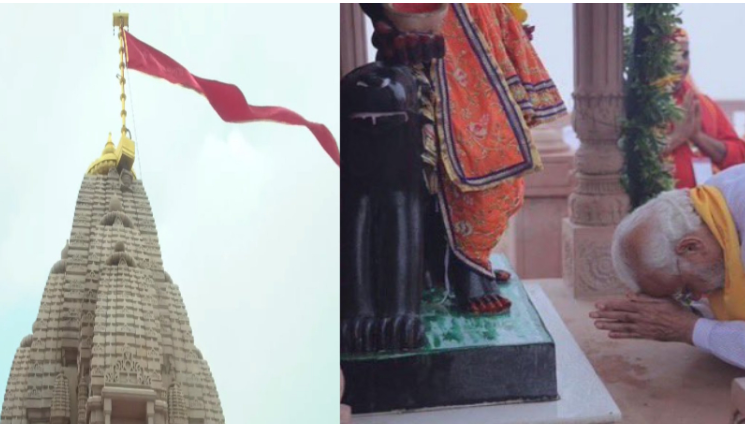
- Ram Janmabhoomi, Ayodhya: In 2024, 25.12 lakh lamps were lit, setting a Guinness World Record. In 2025, lighting of 29 lakh lamps are planned, with eco-friendly cow-dung diyas and drone shows.
- Kashi Vishwanath, Varanasi: Dev Deepawali celebrates the return of gods to Kashi. Lamps are lit on the Panchganga Ghat, a tradition revived by Maharani Ahilyabai Holkar.
- Mahakaleshwar Mandir, Ujjain: The festival begins with a Bhasma Aarti and Panchamrit Abhisheka. Diwali is said to start in Mahakal’s courtyard before reaching homes.
- Tirupati Balaji Mandir, Andhra Pradesh: Known as “Deepavali Asthanam,” the celebration includes Maha Aarti and enshrinement of Lord Malayappa Swamy on a golden chariot.
- Baba Baidyanath Dham, Jharkhand: Lamps are lit at the Mandir before homes, honoring Shiva’s healing of Ravana.
- Jagannath Mandir, Puri: Dev Deepawali includes Deepdan for ancestors, Mahalamps on temple roofs, and rituals with rice-tree lamps.
- Mathuradhish Mandir, Kota: On Diwali night, Lord Mathuradhish plays Chaupar with Lakshmi and Radha. The temple remains open all night.
- Mahalaxmi Mandir, Kolhapur: The Kakra tradition involves lighting thick yarn torches on the temple peak before sunrise.
III. Regional Rituals: Diwali in the Villages and Streets
Across the states in Bharat, Diwali takes on regional flavors—some rooted in mythology, others in local ecology or social customs.
- Odisha & West Bengal: Kali Puja includes tantric worship, offerings of hibiscus, and 108-element rituals. Bengalis light 14 diyas on Bhoot Chaturdashi to ward off spirits.
- Gujarat & Maharashtra: Vasu Baras marks the start of Diwali with cow worship. Labh Panchami concludes the festival with charity and gratitude.
- Maharashtra: Yama Deepam on Dhanteras honors Yama, Kuber, and Dhanvantri with four-faced diyas lit during Pradosh Kaal.
- Chhattisgarh: Crops are symbolically married to Lord Narayana. In Bastar, “Diyari” includes Mahalakshmi Puja and cattle decoration.
- Himachal Pradesh: The “Pathar Ka Mela” involves ritual stone-pelting. Blood from the wounded is used to apply tilak to Kali’s idol.
- Goa: Narakasur effigies are burned on Choti Diwali, symbolizing the triumph of Krishna over evil.
- Ujjain, Madhya Pradesh: On Govardhan Puja, devotees lie down for cows to walk over them, believing it fulfills wishes.
- Tamil Nadu: Diwali begins with sesame oil massages and herb baths before sunrise. Naivedyam is offered to deities.
- Karnataka: On Diwali Padwa, husbands gift wives jewelry or perfumes, honoring the myth of King Bali.
- Bihar (Mithila): Lamps are lit on one side of the house to welcome Lakshmi, while poverty is symbolically expelled.
- Chhattisgarh (Raipur): During Madhai Mela, women lie face down as priests walk over them, seeking blessings for fertility.
- Uttarakhand: Igas Diwali, celebrated 11 days later, features Bhailo torches, folk dances, and livestock worship.
- Karnataka (Gajendragad): “Crying Diwali” sees Lambani girls shed tears of joy and sisterhood, offering flower-dung mixtures to village deities.
- Uttar Pradesh (Jhansi): In Erch, villagers dress as dacoits in a mock ritual honoring rebel bandits of Bundelkhand.
- Rajasthan: In Didwana, women create Mandna rangolis. In Vagad, newlyweds light sugarcane lamps. In Bikaner, the fiery Barnati game is played.
- Bundelkhand: Diwali is marked by Lath Mar dances, Rai songs, and ritual bathing in the Mandakini River.
A Festival of Many Lights
These 36 traditions remind us that Diwali is not a monolith—it is a mosaic. Each ritual, whether in a tribal hamlet or a temple sanctum, reflects a community’s relationship with nature, memory, and the divine. In honoring these diverse customs, we don’t just celebrate Diwali—we celebrate Bharat itself.
.png)