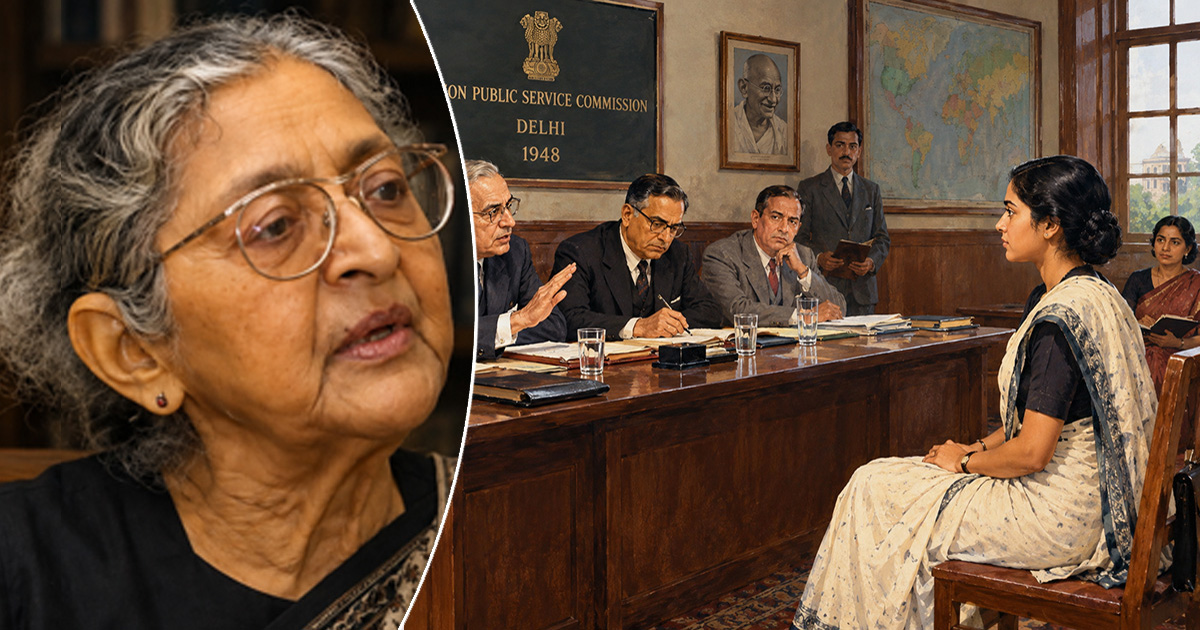
This was a time when the Indian Foreign Service had been established only two years earlier and the presence of women in the service was negligible.

This was a time when the Indian Foreign Service had been established only two years earlier and the presence of women in the service was negligible.
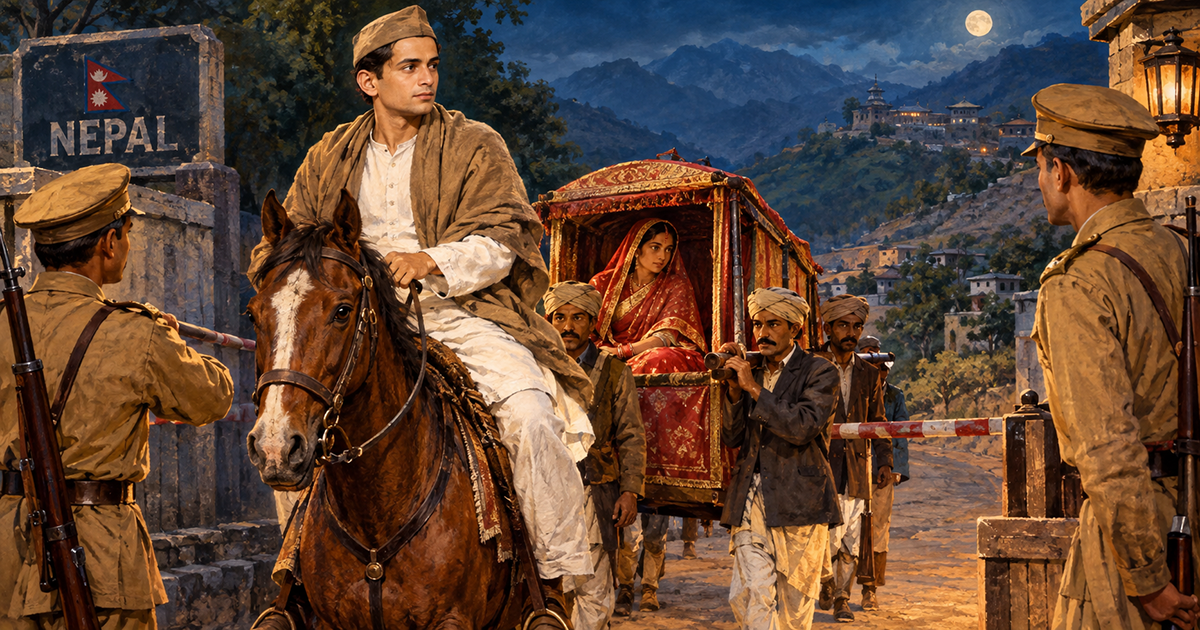
In 1942, Jayaprakash Narayan escaped the Hazaribagh Jail, crossed into Nepal, and turned it into an unlikely base for India's freedom struggle.
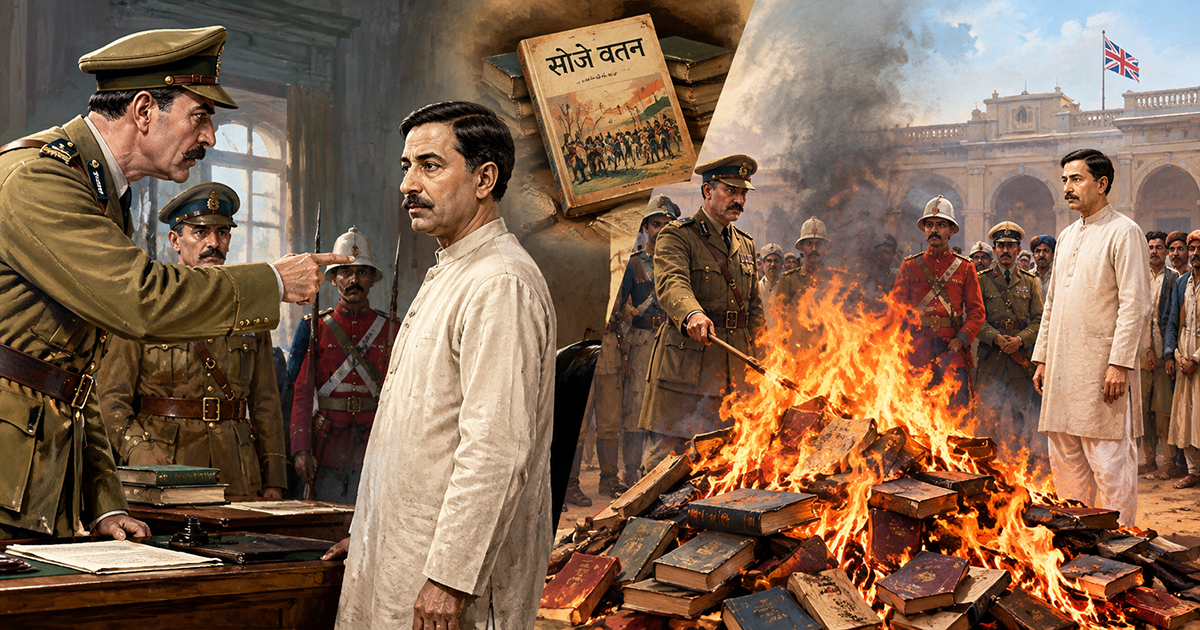
Through his stories, he began giving voice to the poverty, injustice, and suffering he saw around him under British rule.
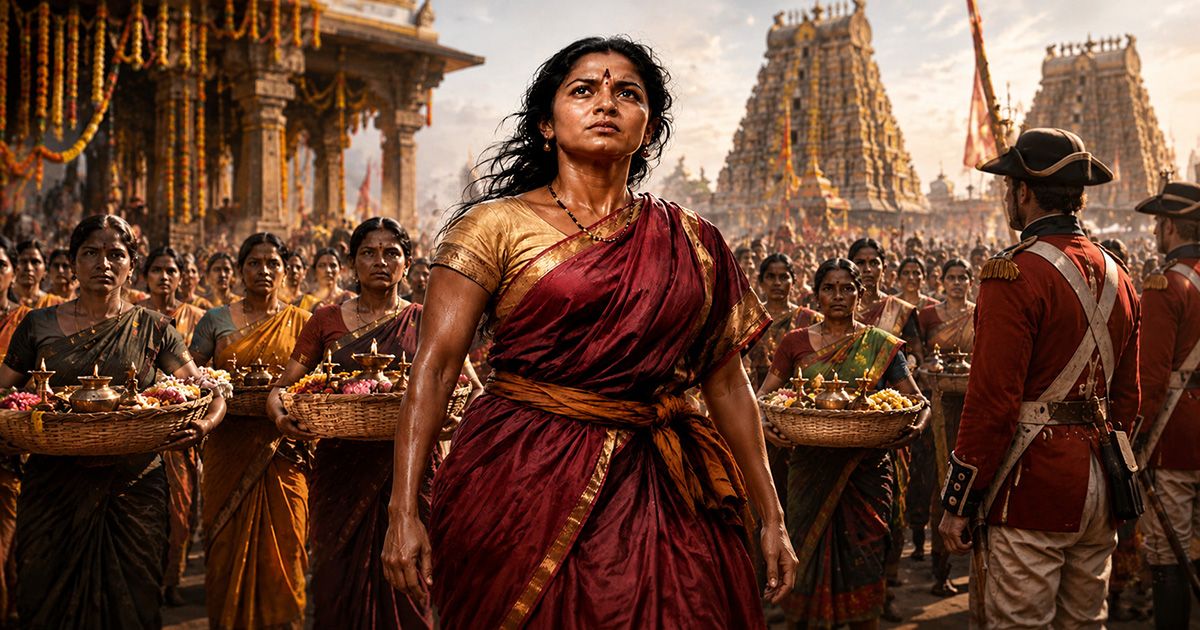
On October 7, 1780, Vijayadashami brought an unusual crowd to Sivaganga Fort in Tamil Nadu. Hundreds of women approached the Rajarajeshwari temple.
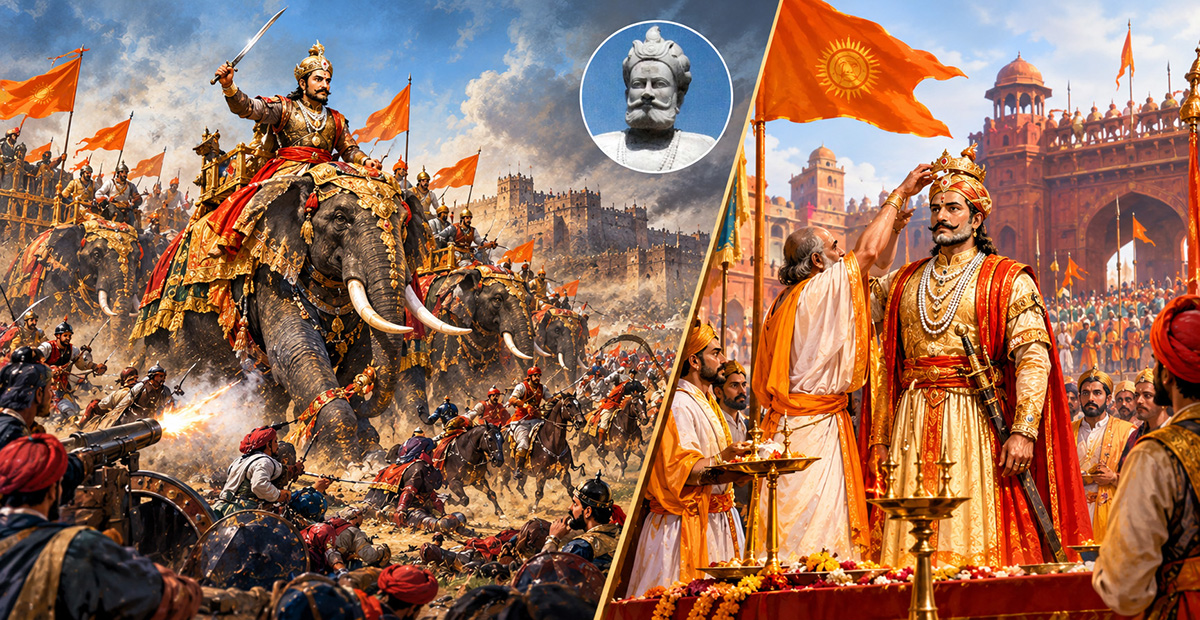
The story of how Hemchandra reached Tughlaqabad was no less remarkable than a thrilling military campaign.
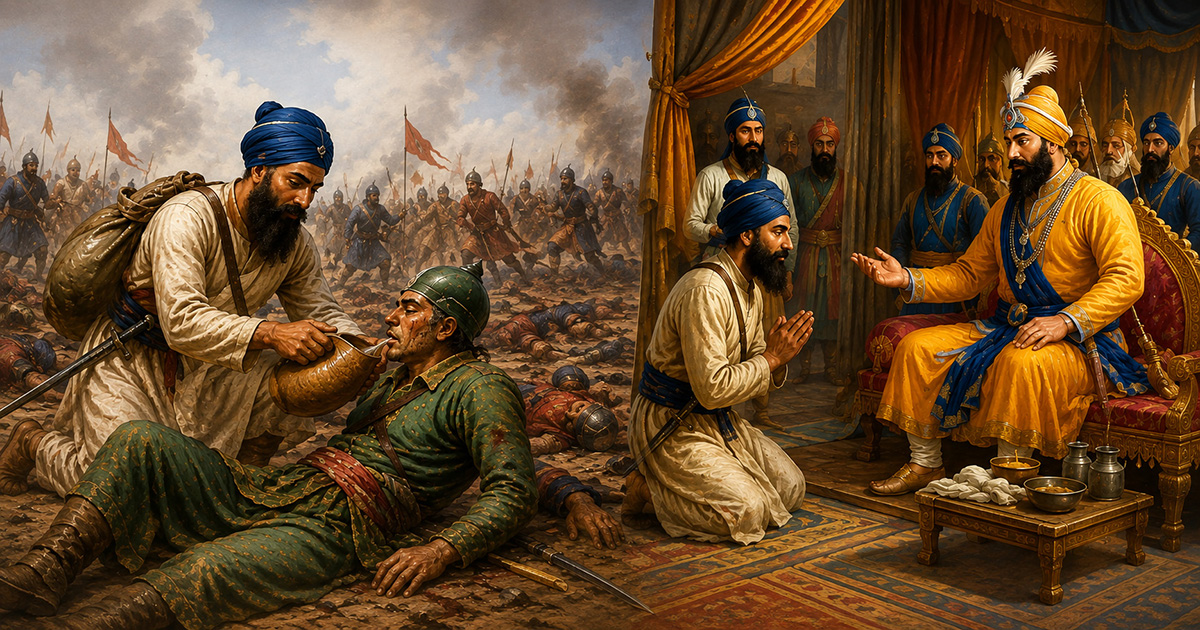
When the Mughal emperor Aurangzeb's army besieged Anandpur in 1704, during this time, Bhai Kanhaiya Ji began giving water to wounded soldiers.
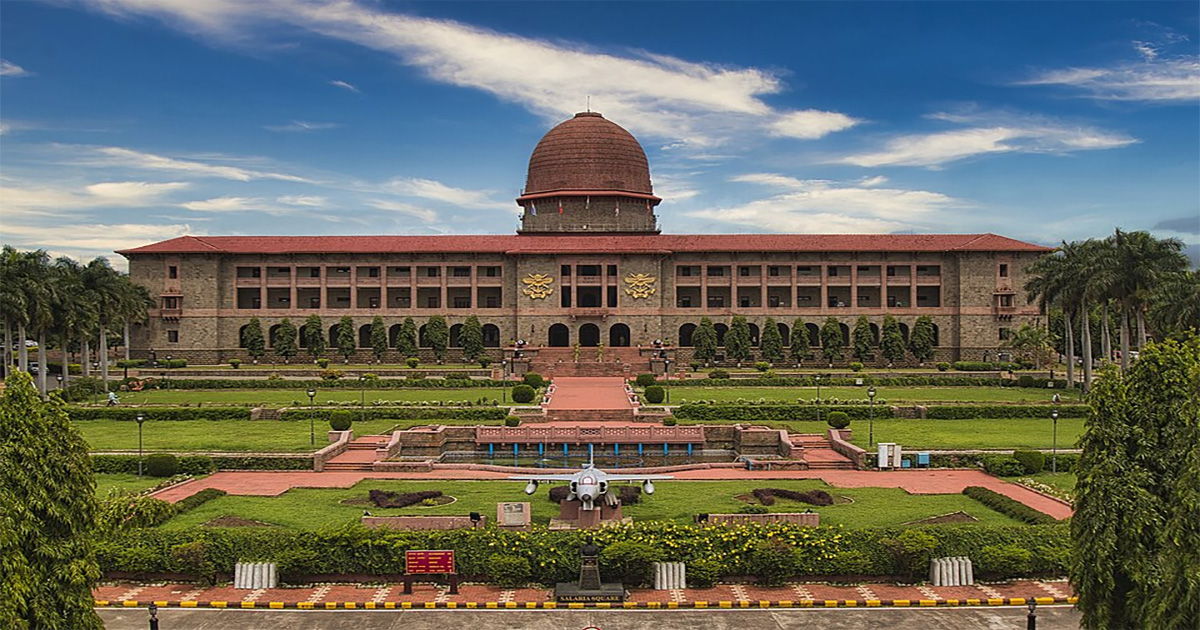
On October 6, 1949, when foundation stone of National Defence Academy was laid, it marked the beginning of world's first tri-service military academy.
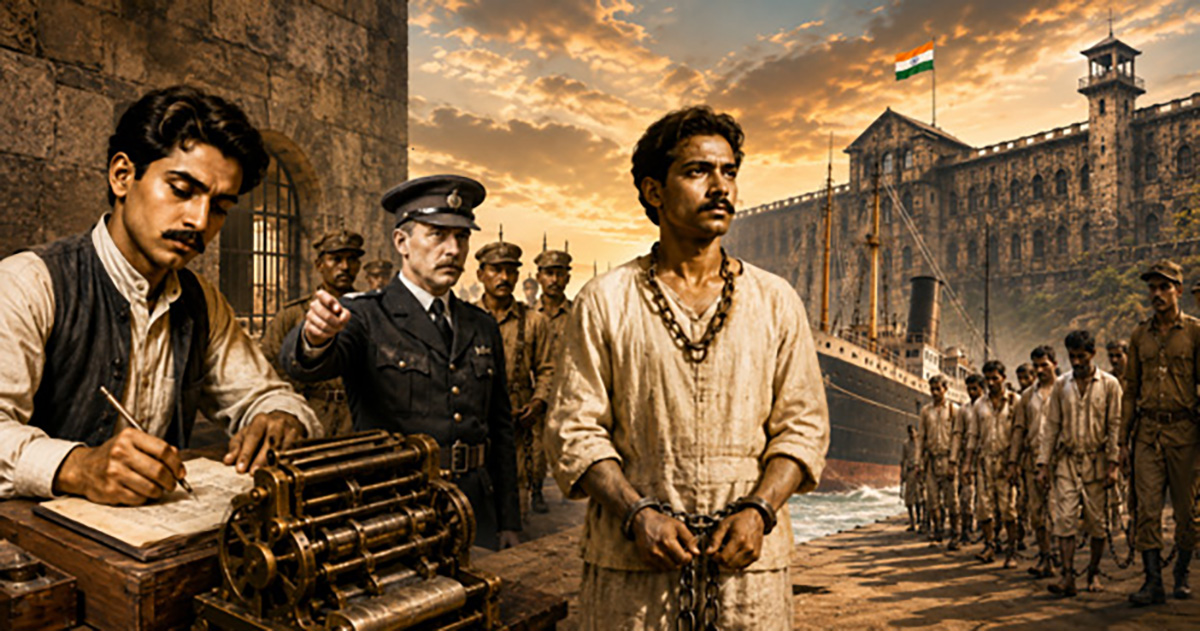
He had published only 11 issues, but three editorials published in them became, in the eyes of the British government, his greatest “crime.”
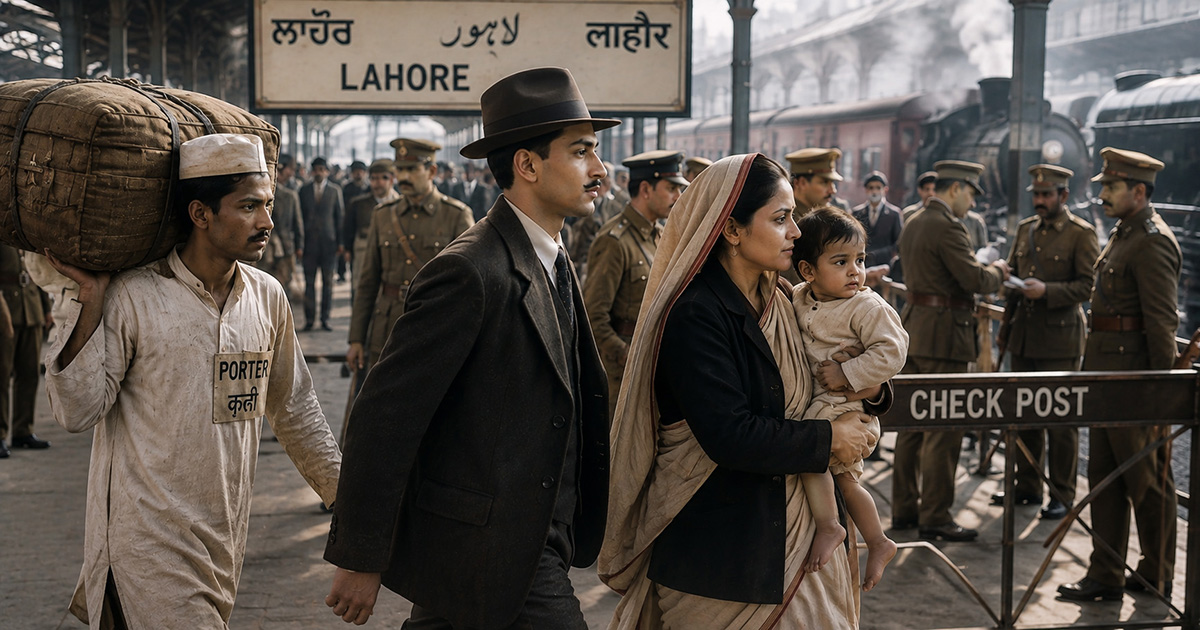
The wife of revolutionary Bhagwati Charan Vohra, Durga Bhabhi, took responsibility for helping Bhagat Singh and Rajguru escape Lahore.
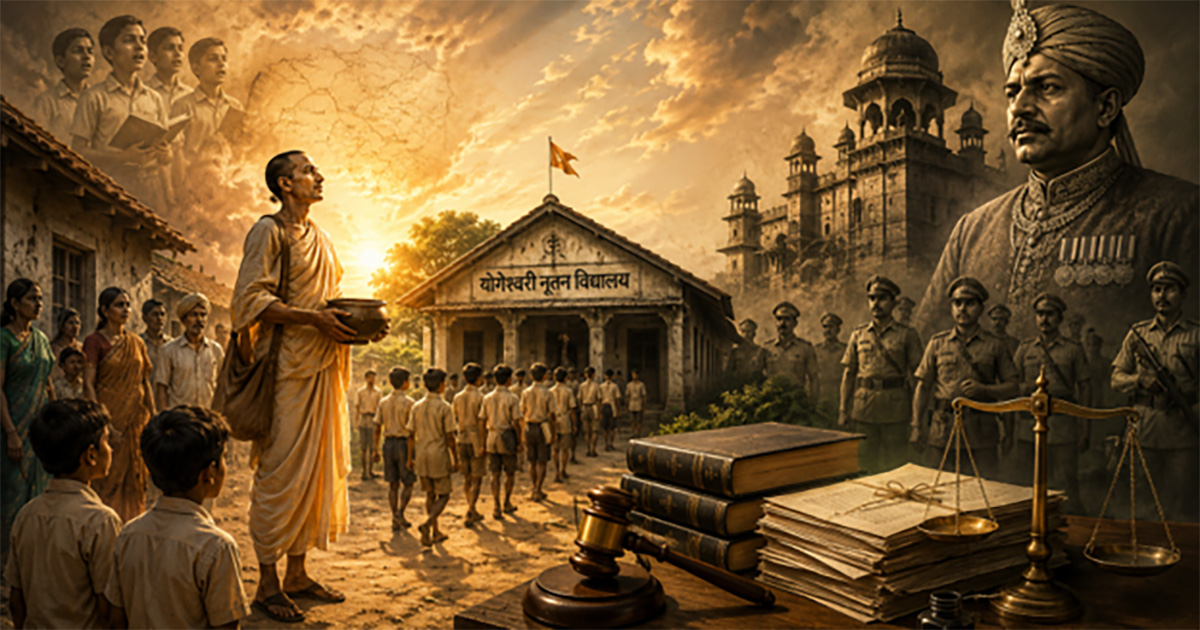
The Yogeshwari Nutan Vidyalaya later became known as a “school that nurtured the spirit of nationalism.”
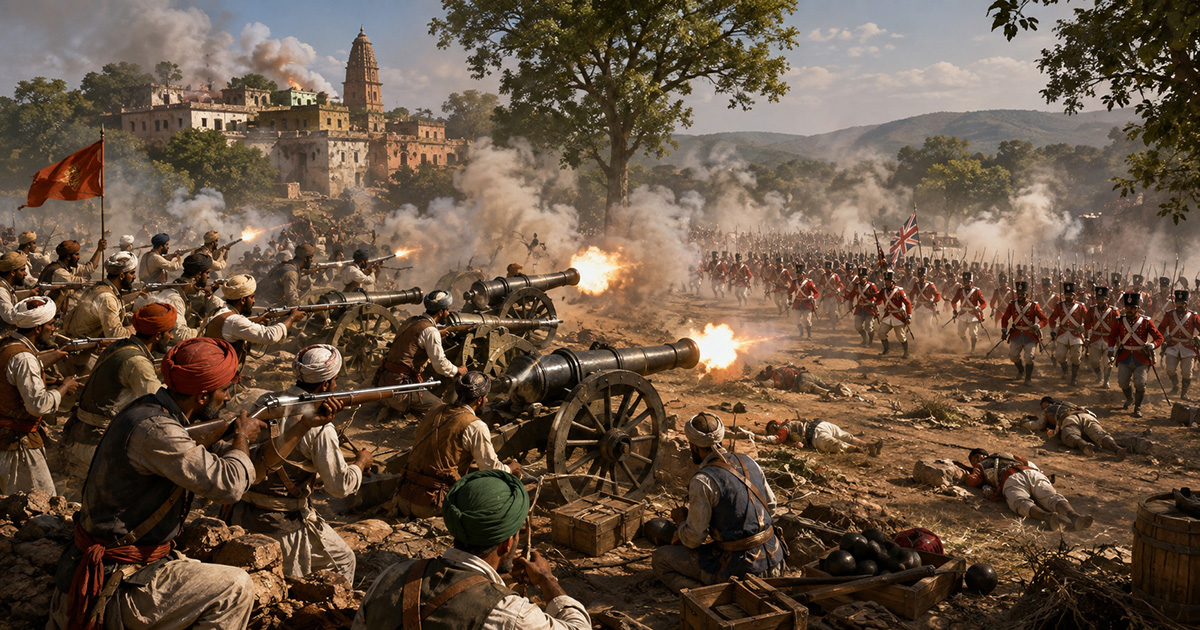
For the British, the town was important not simply because of Chatra, but because of its strategic position.
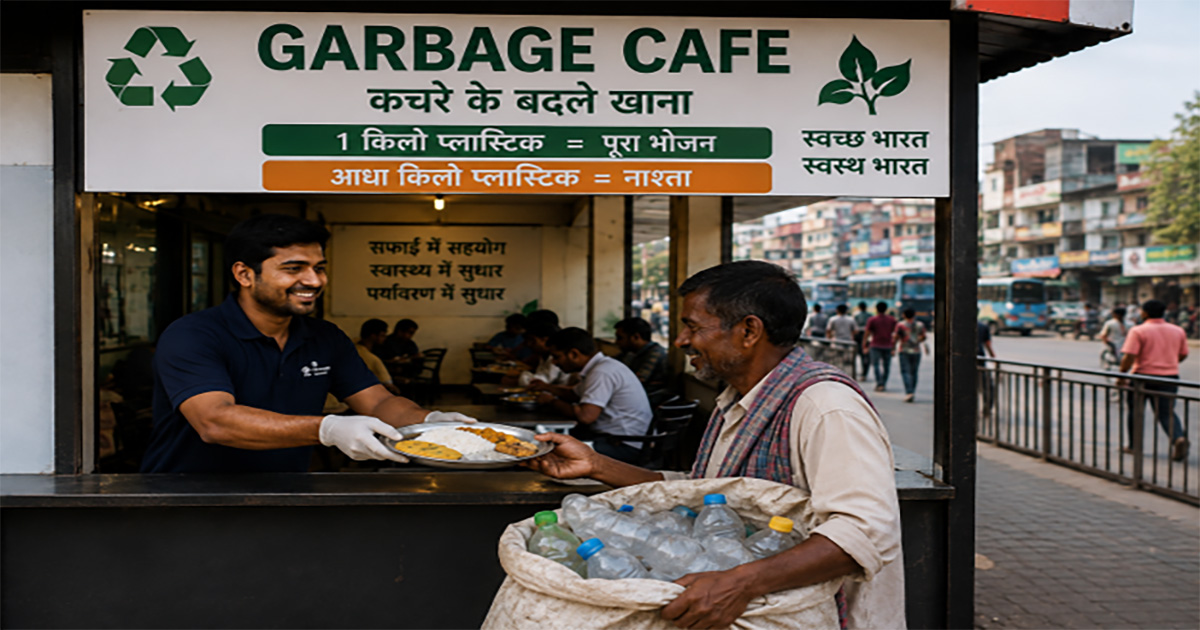
The process inside ‘Garbage Café’ is very simple. Plastic is brought in, weighed, and once the required quantity is reached, a full meal is provided.