India's First Provisional Government Formed Before Netaji: Discover Revolutionary Surya Sen's Saga of Valor

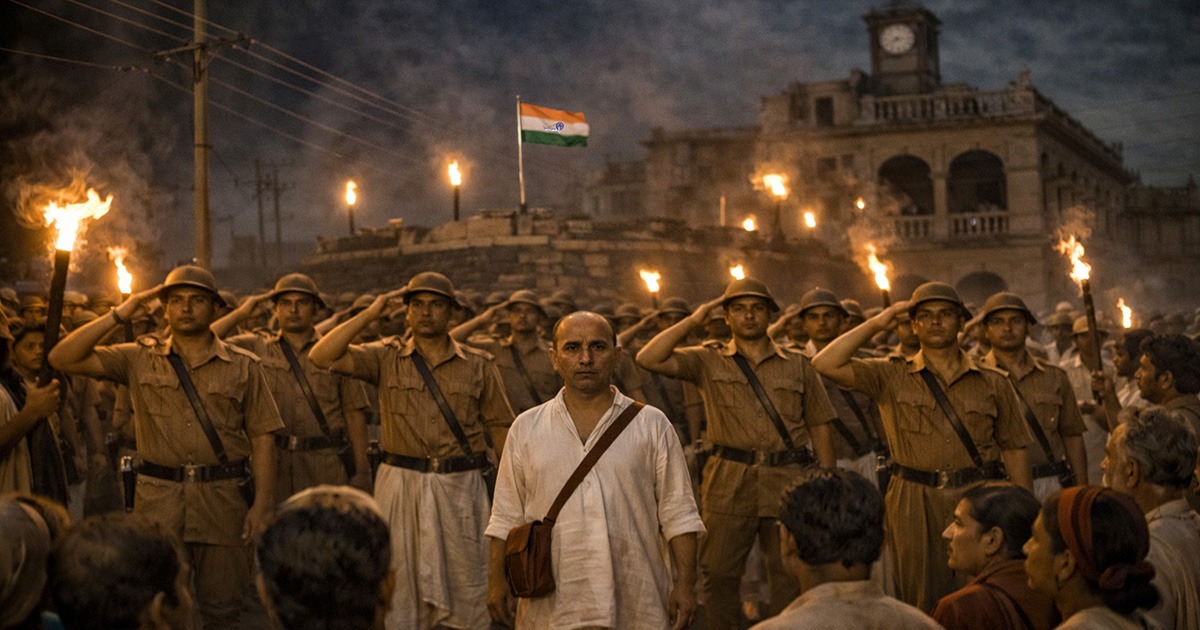
When the story of India's independence mentions a 'provisional government,' most recall Netaji Subhas Chandra Bose's Azad Hind Government. But few know that 13 years before Netaji, in 1930, undivided Bengal's Chittagong witnessed the formation of India's first 'provisional government.' This government was established under the leadership of 'Master Da' Surya Sen, who transformed from an ordinary teacher into a commander. Under his command, revolutionaries uprooted British rule from Chittagong, hoisted the tricolor, paraded soldiers, and took the first salute.

Freedom fighter Surya Sen | Image Source: Ground Xero
Who Was the Revolutionary Surya Sen?
Who exactly was revolutionary Surya Sen, who formed India's first provisional government? How did a simple teacher become a revolutionary? Why did the British pull out his nails and teeth before hanging him, and why did they throw his body into the sea instead of performing last rites? Let's uncover the answers to every question...
Born on March 22, 1894, in Chittagong (now in Bangladesh), teacher-turned-revolutionary Surya Sen was known as 'Master Da' in Chittagong due to his profession. Feeling that remaining a teacher would confine him to chalk and duster, the naturally revolutionary 'Master Da' organized youth for the nation's freedom, forming an army of 500 armed fighters called the 'Indian Republican Army.' 'Master Da' gave all youth and teenagers who joined rigorous military training, making them proficient in weapons handling. Now was the time to challenge the British.
Chittagong Armoury Raid
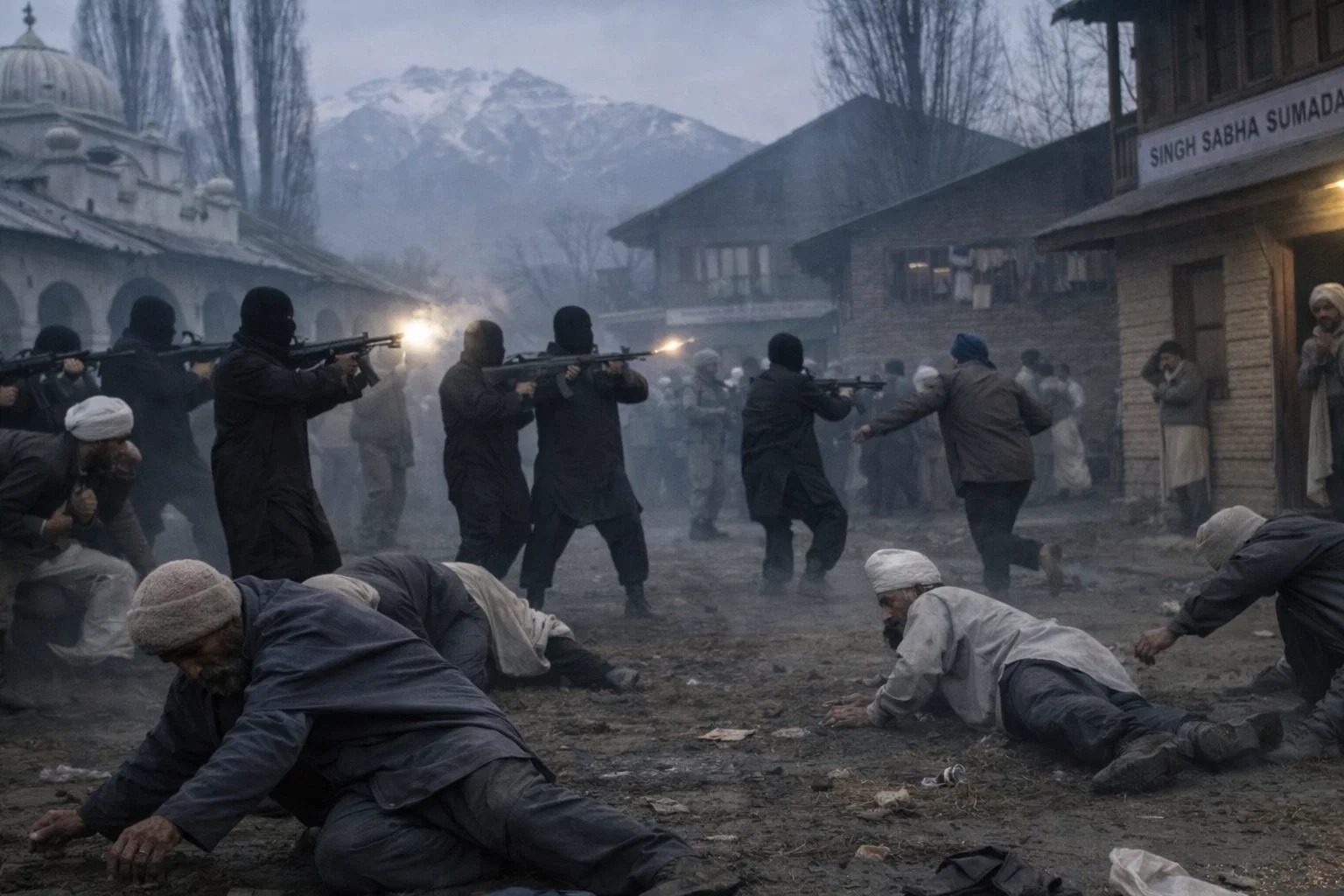
On April 18, 1930, Master Da's army achieved what the British could never have imagined. The 500 armed fighters of the Indian Republican Army divided into 6 groups and stormed the Chittagong Armoury; British soldiers fled at the sight of the force. Those foreigners who remained were killed. Now the armoury was under the control of Surya Sen's army. The revolutionaries found a large number of Lewis guns and 303 rifles, but no ammunition. Even so, they refused to retreat. For their aim was not just weapons, but to challenge authority itself. To completely sever Chittagong city from the colonial system, revolutionaries destroyed its communication network—rail, post, and telegraph lines.

News Clipping of Chittagong incident |Image Source: The Lallantop
Proclaiming Freedom
This was the moment when Surya Sen daringly experimented with provisional self-rule before Netaji. They lowered the Union Jack from Chittagong and hoisted the tricolor. Soldiers of the 'Indian Republican Army' paraded in front of the armoury and saluted the tricolor. Declaring Chittagong independent, Surya Sen announced the formation of India's first provisional government on April 18, 1930—a symbol that the fear of British rule had shattered. Though Chittagong became India's free territory for a short while and its first provisional government was formed, this event certainly offered Indians a glimpse of administrative self-confidence.
Unequal Battle and Betrayal
However, the lack of ammunition during the raid weakened Surya Sen's fight, forcing him and his army to take refuge in the Jalalabad hills. On April 22, 1930, a large British contingent besieged the hills. A battle ensued between the two armies: 12 revolutionaries sacrificed their lives, while 80 British soldiers were killed. Despite numerous attempts, the British couldn't reach Surya Sen and his army. But on February 16, 1933, his comrade Ganesh Ghosh betrayed him for a reward, enabling the British to arrest Surya Sen. Post-arrest, they subjected him to inhuman torture, yet he kept chanting 'Vande Mataram.' They pulled out his nails and broke his teeth to silence his 'Vande Mataram' cries. Surya Sen endured it all with a smile. On January 12, 1934, he was hanged in Chittagong Central Jail. Instead of last rites, the British threw his body into the Bay of Bengal. Master Da sacrificed smiling, but never bowed to the British.
Legacy of Courage
Surya Sen's tale of valor teaches us that freedom comes not from declarations alone, but from action and courage. Master Da showed that when it comes to the nation, a teacher can become a commander, and the empire can be challenged even with limited means. That's why, though Chittagong is now in Bangladesh, the salute of his parade still echoes there today.


.png)