How Chhatrapti Sambhaji Maharaj Turned the British Against the Siddi of Janjira

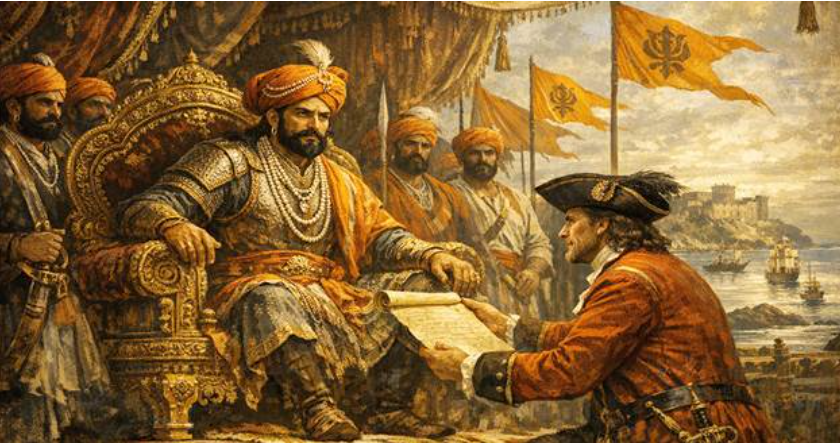
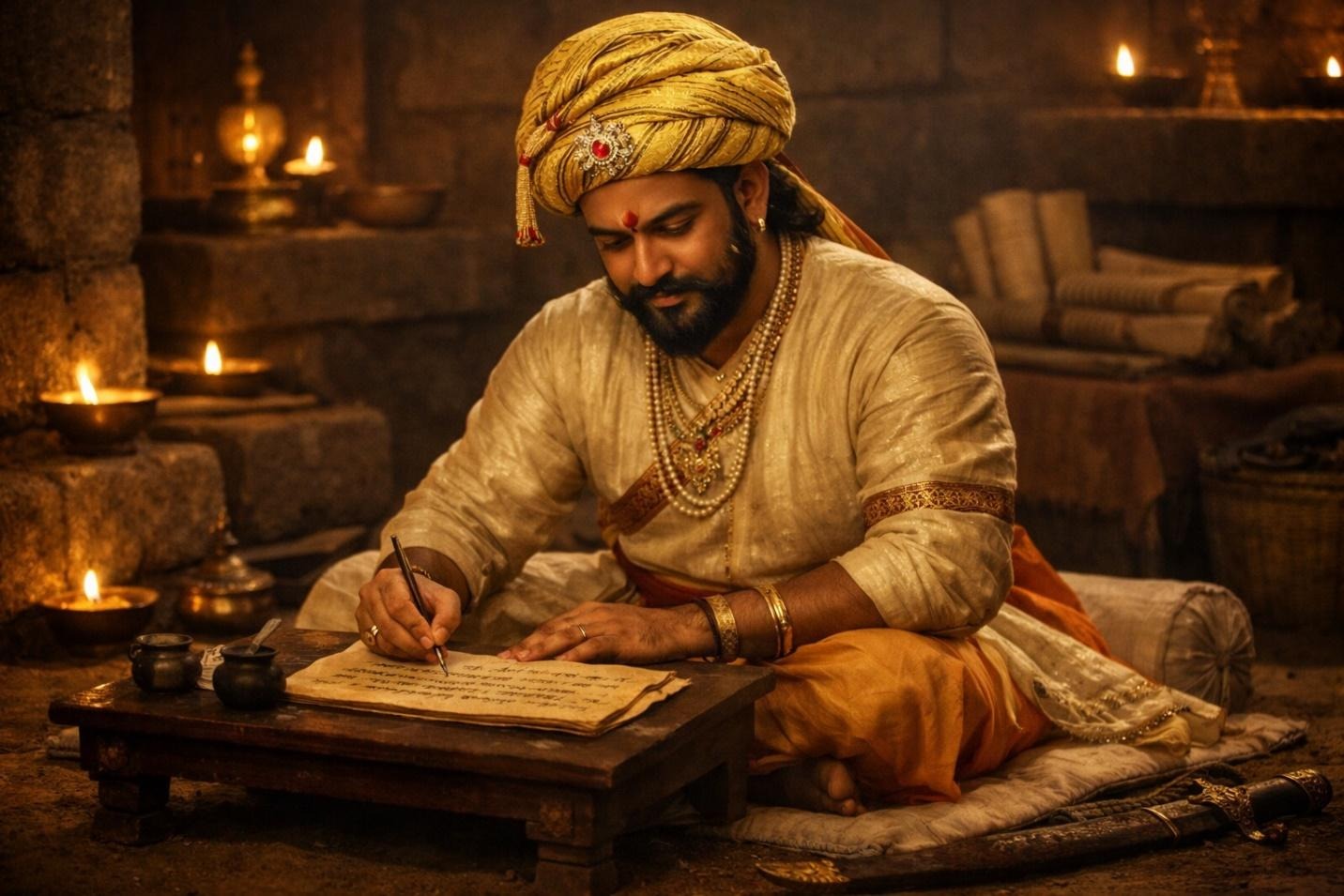
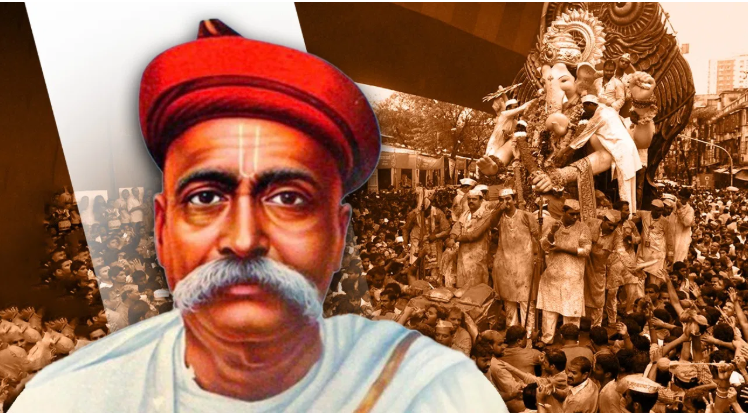
This image is AI-generated
After the demise of Chhatrapati Shivaji Maharaj, when Chhatrapati Sambhaji Maharaj took over the responsibility of Swarajya, he faced a massive challenge from the Siddis. Supported by Aurangzeb, the Siddi commander, Siddi Qasim of the Janjira administration, had unleashed a reign of terror by looting, committing arson, and desecrating Hindu temples in Maratha territories such as Nagothane and Pen. He was also receiving clandestine support from the British, which was a direct violation of a treaty they had signed with the Marathas. Therefore, to rein in the British and consequently the Siddi, who were obstructing the Swarajya, Sambhaji Maharaj devised a powerful and aggressive strategy, the impact of which was soon witnessed in the Rajapur incident.
Rajapur was a strategic and significant trading center located on a tidal creek in South Konkan. At that time, the primary power, administration, naval strength, and the Governor of the British were based in Mumbai. However, the Rajapur factory was located on Maratha soil. Although the British technically operated this factory, it was bound by the laws of Swarajya. Therefore, to teach a lesson to the British who were assisting the Siddi, Sambhaji Maharaj tackled the British Raj in his own way. Around May 1680, seeing the changing political situation in Swarajya, the British merchants of Rajapur sought permission to move their assets and wealth safely to Mumbai. When they placed this demand before the local Subhedar, he clearly instructed them to obtain official permission from Chattrapati Sambhaji Maharaj, who was also lovingly called Shambhu Raje. However, Maharaj flatly rejected their application, firmly stating, "Currently, I am busy with other matters." This was not merely a refusal, but a 'diplomatic-level' non-cooperation declared against the British for sheltering the Siddi. The British, who had violated the treaty made during Chhatrapati Shivaji Maharaj’s era, were now to face the stringent policies of the new Chhatrapati.
Furthermore, to teach a lesson to the British who were assisting the Siddi, Sambhaji Maharaj ordered his army to attack the Rajapur factory. Out of fear of the Maratha army's prowess, the British officers could not even step out of the factory. Subsequently, to resolve the Siddi issue permanently, Shambhu Raje sent his astute envoy, Awji Pandit, to Mumbai on November 20, 1680. Awji Pandit was assigned two missions: First, to issue a war warning to the British, and second, to secretly monitor the Siddi's movements. As planned, Awji Pandit met the British representatives and informed them that if they did not restrain the Siddi—as per the earlier treaty made with Shivaji Maharaj—Sambhaji Raje would declare war against Mumbai.
The British were caught between a rock and a hard place. On one side was the fear of the Marathas, and on the other was the Siddi, who was under Aurangzeb's pressure. However, Awji Pandit stayed in Mumbai for some time. When he finally departed, the British gave him numerous gifts, including some intended for Sambhaji Maharaj. They assumed this would please the King and allow them to start receiving a portion of their rice supplies from the coastal regions. However, this plan fell through when the Siddi captured Maratha ships on March 16, 1681. Simultaneously, when a Maratha officer camped at Chaul with 3,000 soldiers and firmly demanded the ships, the British were terrified. Fearing Sambhaji Maharaj's aggressive stance, the British immediately secured the release of those ships from the Siddi and handed them over to the Marathas. This was a symbol of Shambhu Raje's growing terror and diplomacy, which forced the British to go against the Siddi and listen to the Marathas.

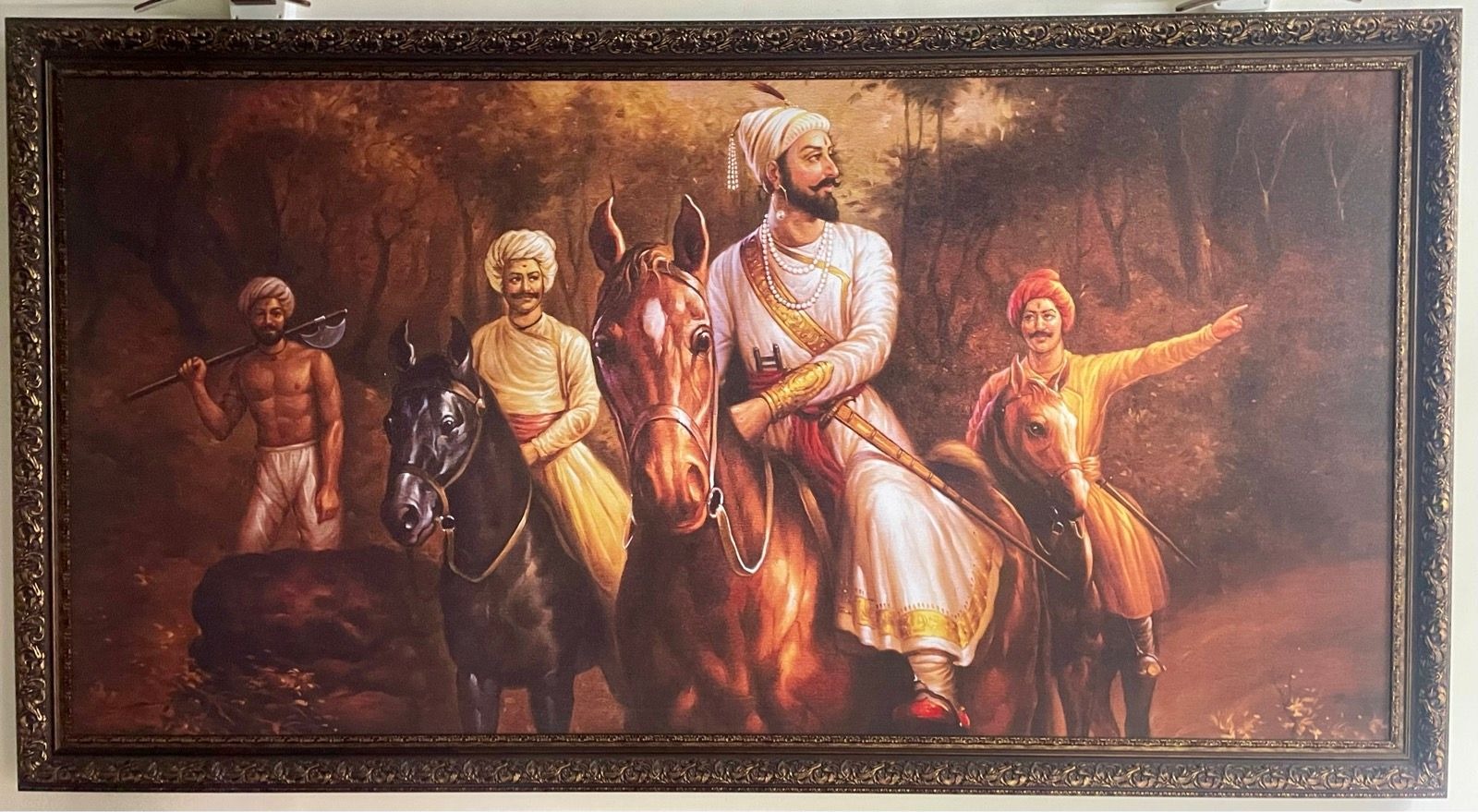
Chhatrapati Sambhaji Maharaj | Image Source: Mintage World
Subjugating the British was only one part; the real conflict was with the Siddi, whose nuisance was long-standing. Since establishing a base on Underi Island on January 9, 1680, he had constantly harassed the coastline of the Maratha Empire. As a permanent solution, Sambhaji Maharaj took an extremely bold decision. Cooperating with the Arab navy, he seized control of Underi Island and began constructing fortifications there. On the other hand, as the Janjira fort was the key focal point of the Siddi's maritime power, the Marathas simultaneously laid siege to Janjira. This dual offensive by the Marathas exhausted not only the Siddi but also the British, who were providing them secret aid. In early 1682, the Marathas captured three British boats carrying food grains. This left the British so helpless that they had to bow before Shambhu Raje's envoy, Sundarji Baji, and plead for the release of the captured vessels.
After this incident, on January 19, 1682, the British officers in Mumbai informed their superiors in Surat via a letter, stating, "If the Siddi does not stop harassing the Marathas, Sambhaji Raje could attack Mumbai at any time, and it will be impossible for us to resist him." Because the British in Surat feared Aurangzeb, they did not openly oppose the Siddi, but out of fear of Shambhu Raje, they secretly began taking precautions.
However, on the other hand, the Siddi's inhuman behavior had reached such an extreme that, with Aurangzeb's backing, he started the outrageous practice of kidnapping innocent children from Swarajya and selling them as slaves in the markets of Mumbai. Taking an extremely aggressive stance against this injustice toward the subjects of Swarajya, Sambhaji Maharaj issued a stern warning to the British, whose fear eventually forced them to back down.
At the same time, when the Maharaj gained control of Karanja Island, the British immediately sent Captain Gary to Sambhaji Raja to make a treaty with him in April 1684. Accordingly, the terms of the treaty were fixed, with Chhatrapti Sambhaji Maharaj establishing his dominance over the British. Owing to this important treaty, the British did not give the Siddi any kind of support in Mumbai as per the wishes of Sambhaji Maharaj. Due to this, the Siddi's nuisance in the Maratha lands stopped till the end of the Maharaja.