What was Gopal Krishna Gokhale's 'Vow of Poverty' of Living on Rs. 75?

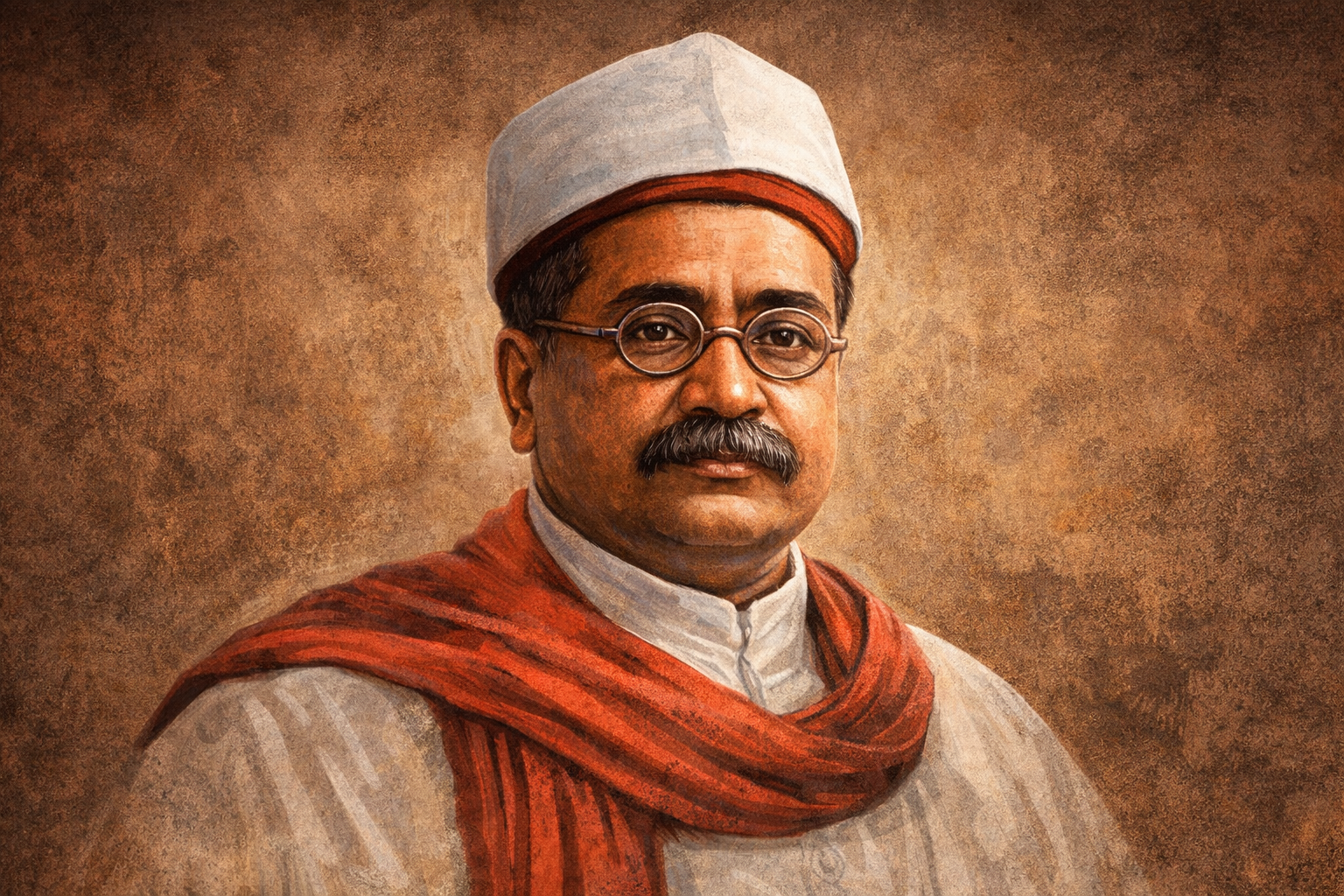
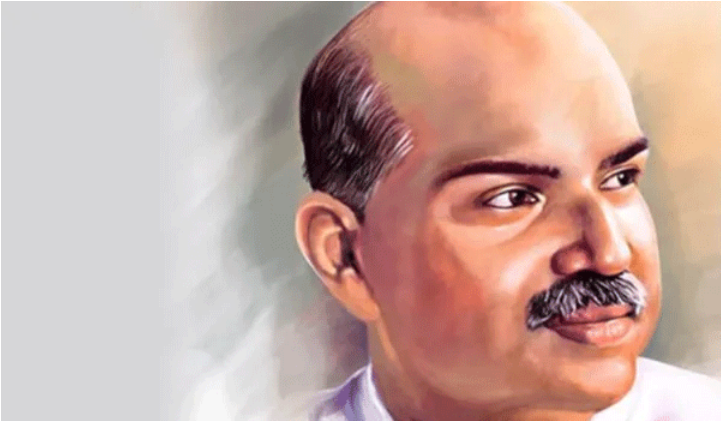
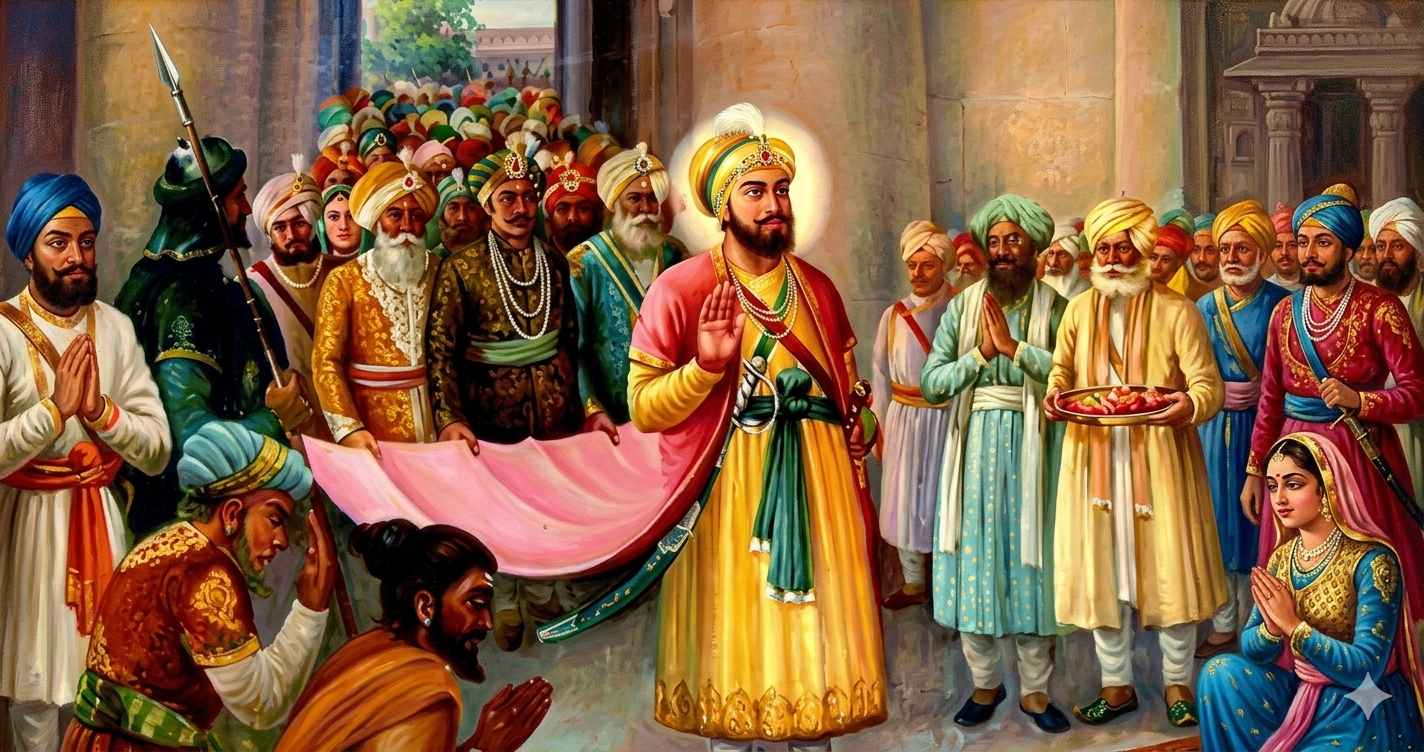
Gopal Krishna Gokhale | This image is AI-generated
In 1905, when India was at the height of British rule, a brilliant professor abandoned his entire wealth and comfortable life to take a vow requiring members to live on just Rs. 75 per month for life. This wasn't an ordinary sacrifice—it was the 'Vow of Poverty' taken in the Servants of India Society, founded by Gopal Krishna Gokhale, which became a means to make national service pure and selfless. Let's explore what this vow entailed, how it began, and how the Rs. 75 allowance transformed members' lives. How did simplicity become a revolutionary weapon?
Gokhale founded the Servants of India Society in Pune on June 12, 1905, with the primary goal of training "national missionaries," people who would dedicate their lives to serving the country. The vow began with Gokhale's preamble, where he wrote that members should have no intent of personal gain, and service alone should be their life. The 'Vow of Poverty' formed its foundation—members had to renounce property, free themselves from the desire for wealth, and pledge simplicity. Gokhale himself left his position as principal of Ferguson College and a good salary to join the society. The first step was a monthly allowance of Rs. 75 for members. This amount was barely sufficient for minimal living in 1905, a challenging sum given average wages and inflation at the time. Gokhale chose it deliberately, so members would stay away from material comforts and focus on service.
After taking the vow, members' lives changed completely. With Rs. 75, they could only afford simple food, clothing, and basic needs—no personal bank accounts, no property, no extra income. The society provided shared housing, meals, and medical care. Gokhale's philosophy was that poverty purifies the mind and protects against corruption. Members like V.S. Srinivasa Sastri and A.V. Thakkar lived on this for decades. Traveling in rural areas, helping farmers and tribes, it all became possible because the vow made them fearless. No greed, only service.
Challenges grew over time. In the 1905-1915 era, when Gokhale became Congress president and responsibilities mounted, he remained deeply involved in the society's work. The allowance made members equal, no discrimination based on the class of rich or poor. Gokhale said, "This amount keeps members content and doesn't hinder service." Members worked with the same simplicity. The Rs. 75 helped them understand the plight of laborers and farmers, as they lived at the same level.
The vow's most important and thrilling aspect was the practical impact of the Rs. 75. It kept members in "voluntary poverty," where external lack built inner strength. Born on May 9, 1866, in Ratnagiri district, Maharashtra, Gokhale's death in 1915 didn't end it—members continued, contributing to education, eradication of untouchability, and rural development. It's estimated that Rs. 75 in 1905 was worth about Rs. 5,000-6,000 today, but it remained a symbol of sacrifice. Gandhi saw Gokhale as his guru, and the influence of this vow is evident in his non-violence and simplicity.
This 'Vow of Poverty' remains relevant today—in an era of materialism, it teaches that true service comes from sacrifice. The society trained hundreds of members who contributed to building an independent India. The Rs. 75 wasn't just an amount; it was a philosophy, where lack breeds strength.