Cycle to Sky: The 'Double Bomb' Created by 19-Year-Old Kartar Singh Sarabha
Joining as a mechanic in a small cycle shop in Philadelphia, Sarabha turned those bicycle wheels into the wheels of his revolution.

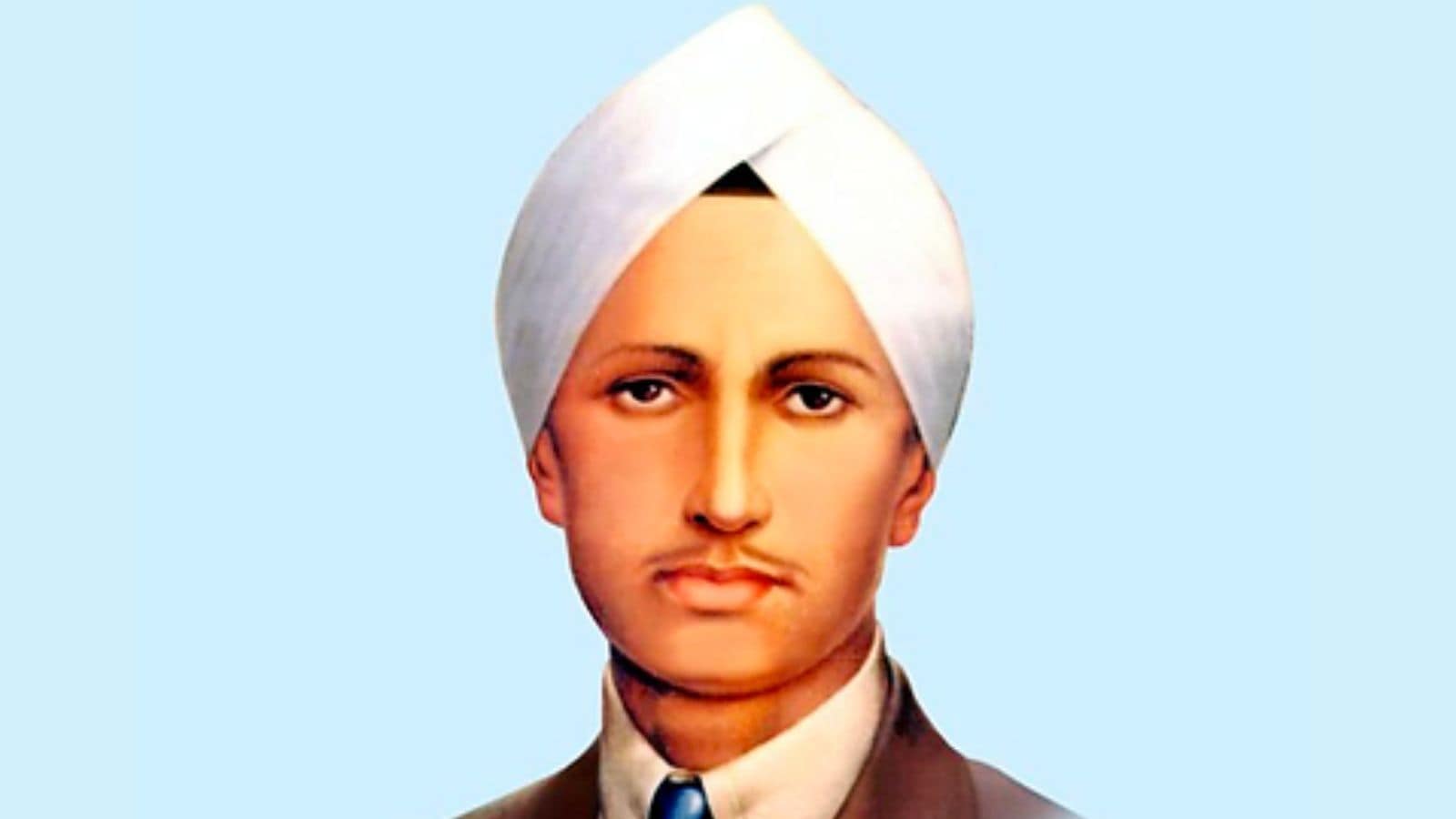
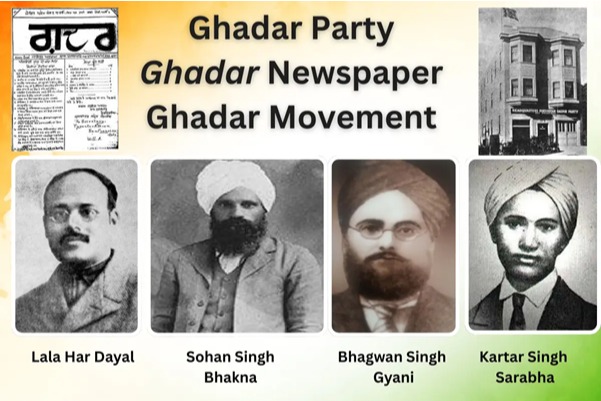
Kartar Singh Sarabha | Image Source: Indian Express
Kartar Singh Sarabha, a 'flame of fire' that changed the course of history. A rare genius, this 'double revolutionary' planned to meet fellow rebels on an ordinary bicycle at just 19 years old and aimed to topple the British Empire from the skies using airplanes. His journey was not just a struggle; it was a 'Ground to Sky' war.
From Humiliation to a Volcano!
This story begins on the shores of San Francisco. In 1912, when Sarabha went to America for higher studies, the first experience he faced was humiliation. His blood boiled when immigration officials mocked him, saying, "You come from a slave nation." Realizing that no matter how much one studies or earns, the stigma of being a 'slave' would never leave, Sarabha set aside his studies and stepped toward 'Ghadar' (Rebellion). However, he didn't just act on impulse; he became an extraordinary strategist and diverted his struggle into two paths.
The Cycle Revolution
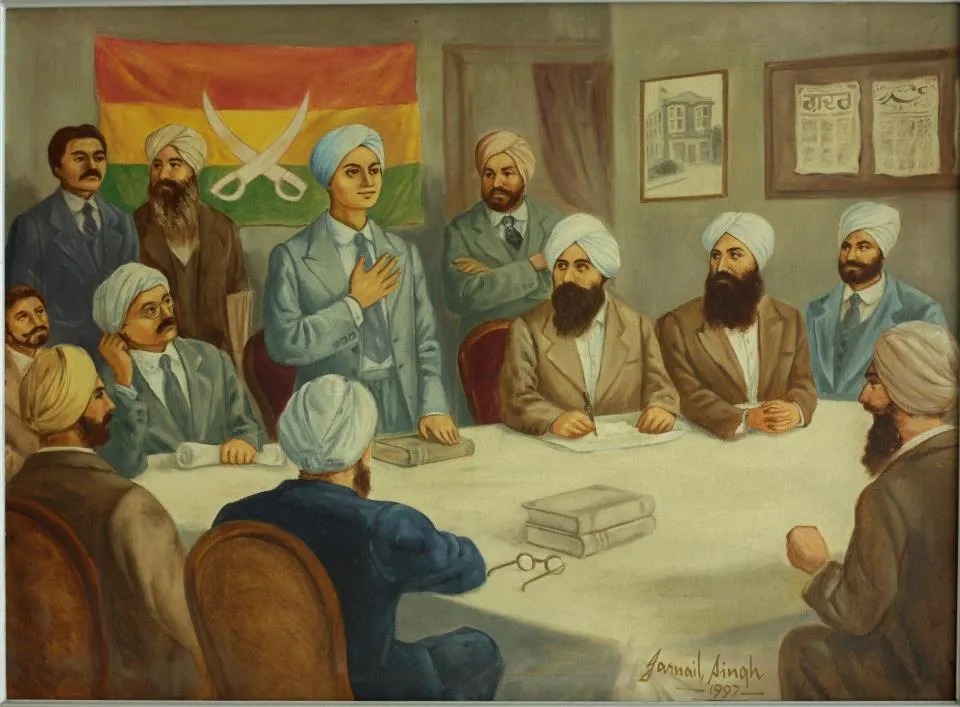
The first step in that strategy was the 'Bicycle'. Joining as a mechanic in a small cycle shop in Philadelphia, Sarabha turned those bicycle wheels into the wheels of his revolution. Repairing them during the day and traveling miles on the same cycle at night, he delivered 'Ghadar' newspapers from door to door. Connecting with thousands of expatriate Indians, he prepared 10,000 armed revolutionaries at the age of just 18. He ignited the flame of revolution in them, saying, "We are not slaves, the British are our enemies, and we want freedom." Connecting them all into a chain-like network at that young age is a testament to his intellect. He was able to revolutionize thousands of Indians staying abroad, against the British. 1915 marked the year they revolted against the British.
Sarabha reached India from America and fixed February 21 as the date for the armed uprising. Thousands of revolutionaries were already entering the country. At the same time, instead of limiting himself to strategy, to put it into practice, he established highly secret bomb-making centers (Arms Factories) in areas like Moghulpura and Jabnewal in Punjab. Using chemical science knowledge brought from abroad, he became an expert in making bombs using indigenous methods. He personally manufactured the explosives needed to blow up British cantonments and railway lines. Notably, the remains of these secret factories he established still stand as historical evidence in villages near Ludhiana. Sarabha was not just a revolutionary; he was also a 'Technical Mastermind' trained in bomb-making!
However, due to information provided by a traitor, the plan was leaked to the British in advance. Though an alert Sarabha moved the date to February 19, the damage was already done. As revolutionaries were being caught one by one, under pressure from friends, he tried to escape by crossing the Afghanistan border. Even though he had a chance to flee, unwilling to leave his fellow warriors behind, he was captured by the British army on March 2, 1915, near a village called Chakri.
Answering Bullet with Bullet
During the subsequent 'Lahore Conspiracy Case' trial, the judges were astonished to hear the arguments of this 19-year-old boy. "Those who rule us with guns cannot hear prayers; they only hear the roar of bombs. They must be answered with bullets. Non-violence is the weapon of the weak. I will answer bullet with bullet for the liberation of my country. My attempt may fail, but my blood will produce thousands of Sarabhas," he roared.
Freedom as Vast as the Sky... Sarabha's Last Breath
At a tender age of 19, Sarabha was sentenced to death in the Lahore Conspiracy Case. Finally, that day arrived on November 16, 1915, when he was taken to be hanged. When officials tried to put a black hood over his face, he stopped them. "Do not close my eyes... let me see the sky," he requested. Finally, holding his head high, looking at the sky, he merged into the eternal universe.
Seeing Sarabha, who ran a global revolutionary network at such a young age, the British wrote in their records: "The most dangerous of all rebels." Fearing that if his body were handed over to the people, the revolution would rise again, the English cremated him in extreme secrecy. For decades, they did not let the world know where his grave was located.
A few years after his death, a boy used to carry Sarabha's photo in his pocket; that boy was Bhagat Singh. The inspiration he gave became a powerful weapon in the hands of great revolutionaries like Bhagat Singh. The name Sarabha does not belong to an individual... it is an invincible weapon aimed at every form of oppression.
.jpg)