When Rabindranath Tagore Found His Argentine Muse Victoria Ocampo

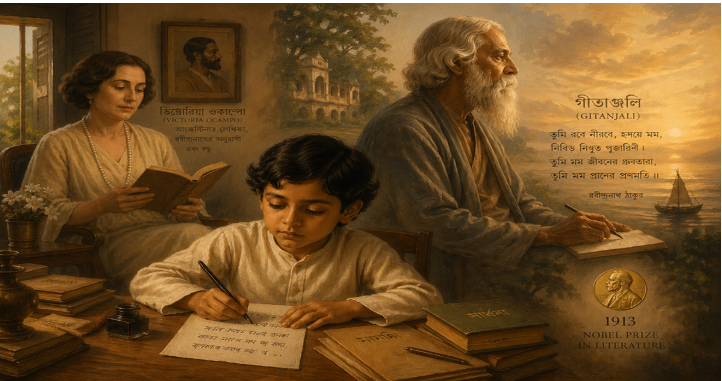
This image is AI-generated
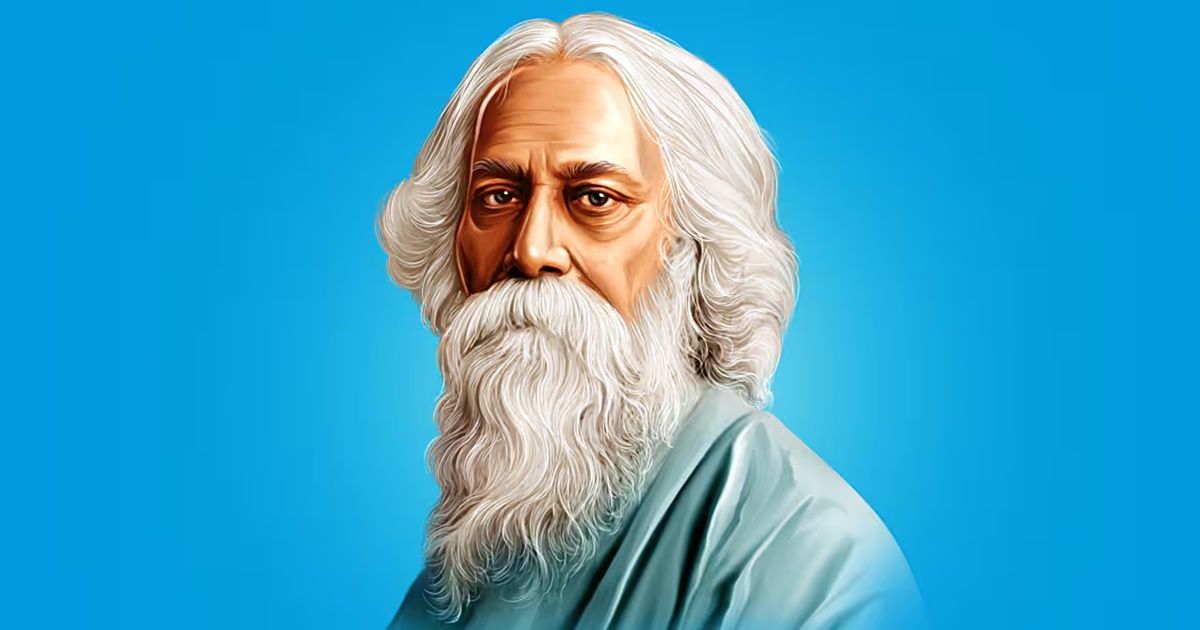
On May 7, 1861, in the bustling lanes of Jorasanko, Calcutta, a child was born into a family of reformers, musicians, and thinkers, a life that would one day give India its national anthem and the world its first Asian Nobel laureate. He was Rabindranath Tagore, a poet, philosopher, musician, and visionary whose work would transcend centuries and continents.
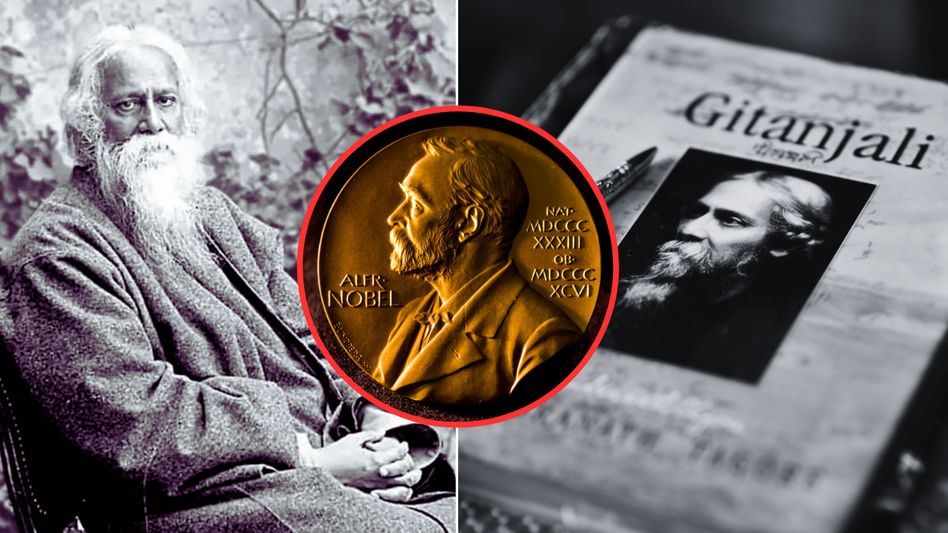
From an early age, poetry flowed through him like an inherited river. As a teenager, he was already publishing verses. As an adult, he emerged as a towering literary force, writing poems, composing songs, crafting plays, shaping essays, and quietly guiding India’s cultural renaissance. Then came 1913. Gitanjali, a collection of spiritual and lyrical poems, carried his voice across oceans. Suffused with longing, surrender, and divine intimacy, the poems captivated Western audiences. That year, Tagore became the first Asian Nobel Laureate in Literature.
But poetry does not travel alone; it enters hearts. Among the readers deeply moved by Gitanjali was an Argentine intellectual woman named Victoria Ocampo. Long before she met him, the mystic cadence of his verses, their yearning for the eternal, resonated within her, creating the strange intimacy of recognizing a voice never yet heard in person.
Years later, in 1924, fate created an unexpected crossing of paths. Tagore, then 63 and physically exhausted, was traveling to Peru when illness forced him to stop in Buenos Aires. What was meant to be a brief halt became a transformative stay. It was here that he met Victoria Ocampo, a writer, thinker, and admirer of his work. She invited him to stay at her villa in San Isidro, away from the noise of Buenos Aires. There, in the quiet of gardens overlooking the Río de la Plata, the aging poet found quiet companionship. There, in the quiet of gardens overlooking the Río de la Plata, conversations began.
Their relationship unfolded through discussions of poetry, philosophy, solitude, faith, and freedom. Ocampo was not merely an admirer; she was intellectually alive, questioning, perceptive, listened intently, and responded with insight. He gave her the name “Vijaya,” meaning Victory. In his letters, that name carried warmth and symbolism. Their correspondence, later studied and published, reveals affection and longing yet always restrained, dignified, and luminous.
The woman left a gentle imprint on his creative spirit. In the months that followed, he composed poems later gathered in Purabi, which he dedicated to her. The poetic collection breathes tenderness and distance — reflection mingled with quiet yearning and subtle warmth. Many scholars observe that this particular episode from his life added a distinct emotional hue to these poems.
For Ocampo, Tagore became more than a celebrated visitor; he became a spiritual guide. She worshipped him like a guru and was deeply drawn to his philosophy, rooted in Vedanta and the Upanishads, a vision where the individual self dissolves into a higher universal consciousness. Through her, Tagore’s work found a living bridge in Latin America. She helped introduce and interpret his writings in Spanish-speaking intellectual circles, strengthening his presence in that cultural world.
From the banks of the Ganges to the shores of the Río de la Plata, Tagore’s life reflects a rare confluence of East and West, tradition and modernity, solitude and companionship. On his birth anniversary, we remember not only the Nobel laureate and national bard, but also the traveler whose heart remained open — who, even in distant lands, found renewal through dialogue, reverence, and the quiet victory of the human spirit.

.jpg)