When Rabindranath Tagore Returned the Knighthood to Protest Against the Jallianwala Bagh Massacre
Rabindranath Tagore was not just a world poet; that day, he became the voice of millions of Indians.

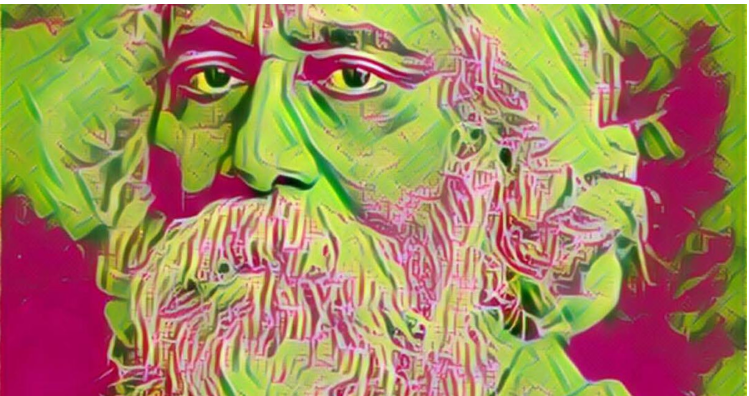
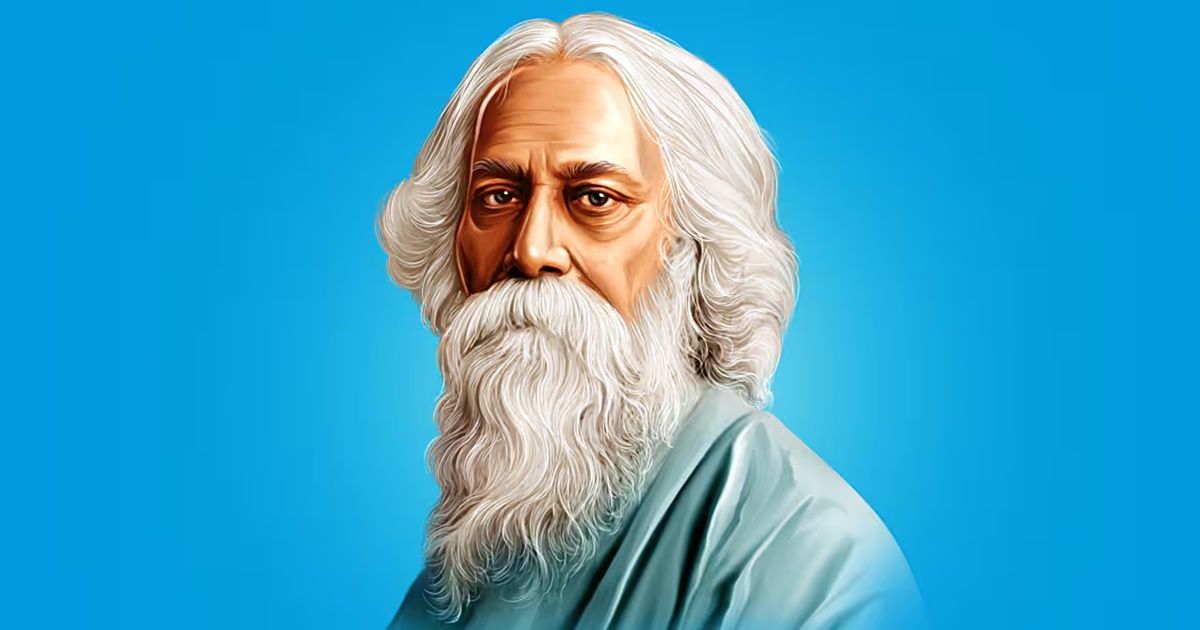
Rabindranath Tagore | Image Source: Scroll
May 30, 1919. Midnight. The city of Kolkata was silent. But, inside a room in Jorasanko Thakur Bari (Tagore’s residence), a storm was brewing. The world-renowned great poet and Nobel laureate, Rabindranath Tagore, is unable to sleep that night. There are whirlpools of tears in his eyes. His heart is burning with the fire of anger. In his hand, a pen is ready to turn his rage into sparks of fire. At that moment, he resolved to throw away the 'Knighthood' that was bestowed upon him by the British Empire like a piece of scrap paper. Why? What exactly happened that night?
It was April 13, 1919, the Jallianwala Bagh massacre. General Dyer brutally shot and killed thousands of unarmed Indians. Moreover, the British government immediately imposed 'Martial Law' across Punjab and implemented strict news censorship. Due to this, the atrocity did not come to light. However, Diwan Chaman Lal and a few other Punjabis were determined to somehow inform Rabindranath Tagore about the British atrocities. On May 22, 1919, they escaped from Punjab in disguise, reached Calcutta, and explained the full details of the evil deed to Tagore.
In fact, Tagore had not only visited Amritsar before but also loved the Golden Temple dearly. It was his soulful bond with the people of Punjab that led the victims to him. They believed that if Tagore—a Nobel Prize winner and a prominent person who received a Knighthood (Sir) from the British—spoke about such a massive massacre, it would turn the world's attention toward India.
Thus, the full truth of that catastrophe reached Tagore's ears. With this, his mind was shattered. He struggled deeply over what to do. Within him, a conflict raged between 'Universalism' on one side and 'Nationalism' on the other. This did not let him rest all day. He immediately met political leaders in Calcutta, such as C.R. Das, and requested them to organize a large protest meeting. But out of fear of the British Raj, no one came forward.
On the midnight of May 30, 1919, the silence of the leaders and the agony of the people deeply troubled him. On that very day, he decided, "I will voice my protest to the world alone." That midnight, he wrote that historic letter.
"Dear Viceroy... the inhuman cruelty suffered by our brothers in Punjab has wounded the heart of the nation. At a time when our people are cowering under insults, these 'Badges of Honour' given by you are proclaiming our shame to the world. These medals now cause me disgust. I want to feel the same pain and the same insult that the people of my country are experiencing. Therefore, I am liberating myself from these special statuses. I am returning this 'Knighthood' conferred by the government to you," Tagore revealed his inner turmoil with anguish in the letter. He sent that letter to the Viceroy on the morning of May 31.

Tagore's letter was circulated as a pamphlet in London | Image Source: Scroll
However, the then Viceroy, Lord Chelmsford, viewed this letter as a "disgraceful act." After this letter, British Intelligence surveillance on Shantiniketan increased. Meanwhile, this letter was published not only in Indian newspapers but also in prestigious publications like The Times of London. It was also discussed in the British Parliament. The American press hailed Tagore as "The Moral Voice of India." Articles appeared there stating that Tagore had removed the mask of British 'civilization.' Bengali newspapers described this letter as a "War Trumpet blown by the Poet."
He was not just a world poet; that day, he became the voice of millions of Indians. That letter, born from a heart moved by the Jallianwala Bagh bloodshed, was not written with drops of ink, but with sparks of fire ignited by self-respect. It was not merely a protest document; it was a 'Literary Sword' that surged forward, piercing through the arrogance of the British Empire. That courage, which proclaimed that the agony of his countrymen was greater than the Nobel honor cherished by the world, will remain an invincible weapon in the history of the Indian revolution.
Finally, when Gandhi called for Satyagraha and observed silence in the path of non-violence after the Jallianwala Bagh incident, Tagore's pen alone made the atrocities of the British Raj known to the world. When Gandhi stopped the Satyagraha, saying Indians lacked discipline, Tagore defied his honor and made the world think. This was not just a poet's sacrifice—it was a war of words beyond non-violence and silence! It can be said that the first change to British arrogance came not through Gandhi's non-violence, but through Tagore's courage.
.jpg)