How Mahakaleshwar Temple Was Destroyed by Shamsuddin Iltutmish and Rebuilt 500 Years Later by the Marathas?
Did you know that the Mahakaleshwar Temple of Ujjain, one of the twelve famous Jyotirlingas revered across the world, was once reduced to ruins and remained stripped of its grandeur for nearly 500 years?

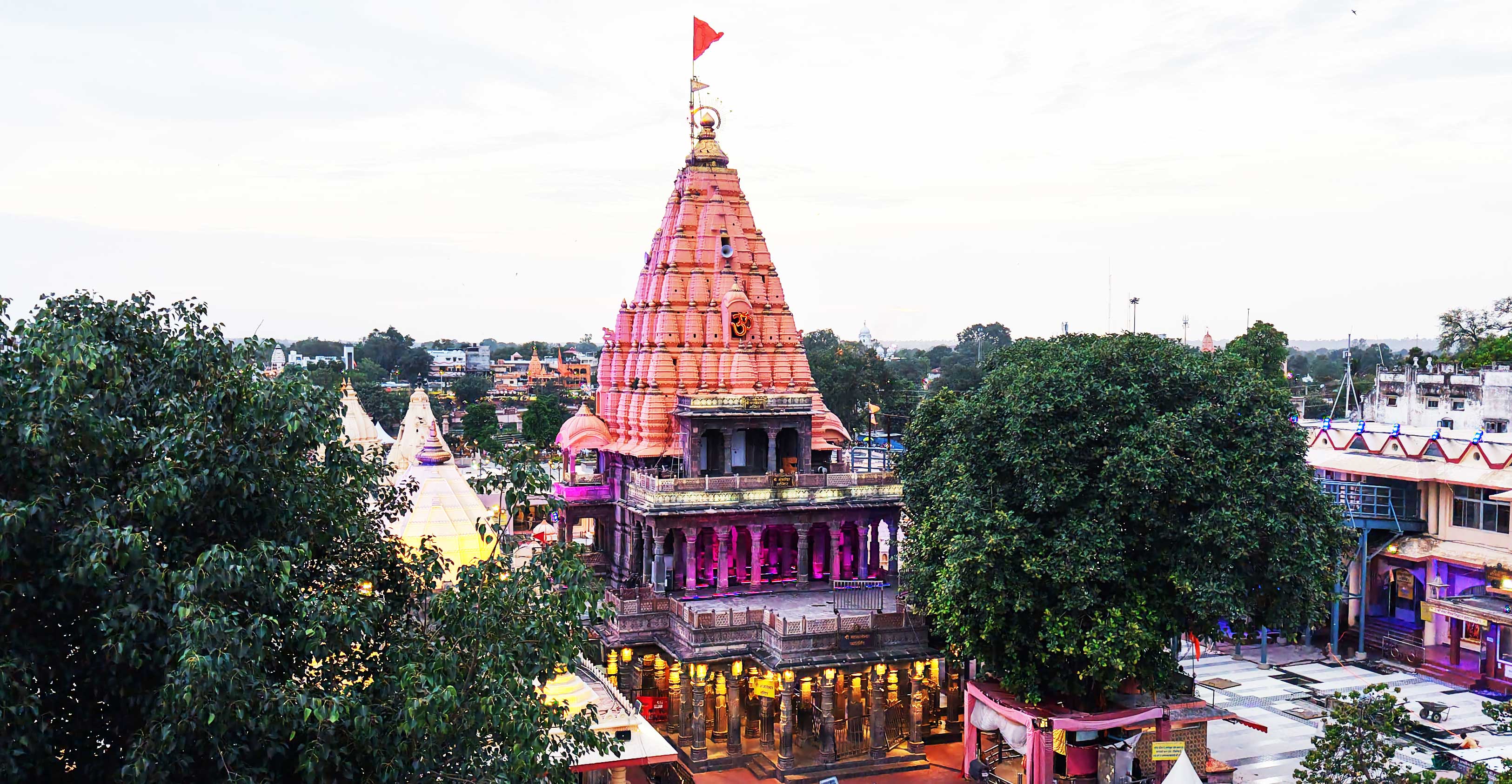
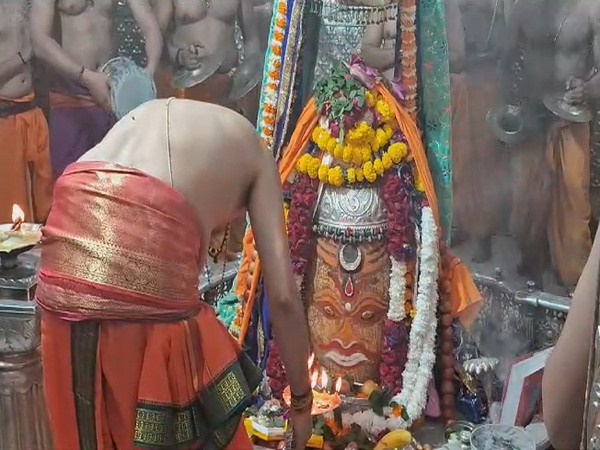
Did you know that the Mahakaleshwar Temple of Ujjain, one of the twelve famous Jyotirlingas revered across the world, was once reduced to ruins and remained stripped of its grandeur for nearly 500 years? Today, millions of devotees visit Mahakal for darshan, but there was once a time when the site stood devastated. This is the story of how an invasion in the 13th century destroyed the temple, and how, nearly five centuries later, the Maratha rulers restored its lost glory. It is a tale of faith, patience, and cultural resurgence.
The story dates back to 1234–1235 CE, when Shamsuddin Iltutmish, the Sultan of the Delhi Sultanate, invaded the Malwa region. At that time, Ujjain — ancient Avantika — was a major center of education, culture, and devotion to Lord Shiva. Contemporary Persian historian Minhaj-i-Siraj, in his work Tabaqat-i-Nasiri, recorded that Iltutmish’s forces attacked Ujjain and Bhilsa. The Mahakaleshwar Temple also faced a devastating assault. The temple structure was damaged, idols and wealth were looted, and its magnificent form was badly destroyed. After the attack, the temple was reduced almost to ruins, dealing a severe blow to Ujjain’s religious importance.
After 1235 CE, Ujjain came under the influence of various Muslim dynasties, including the Khiljis, Tughlaqs, and later the Mughals. For a long period lasting until around 1728 CE, the physical structure of the temple remained dilapidated. During this time, local Hindu devotees and priests continued worship quietly and in simple ways amidst the ruins. The temple’s ancient grandeur had almost disappeared, but faith in Mahakal remained alive in the hearts of the people. Though the sacred site endured centuries of destruction, it never completely lost its identity.
A historic transformation arrived in the early 18th century, when the Maratha Empire established control over Malwa. Around 1728 CE, Ranoji Rao Scindia, the trusted commander of Bajirao I, gained administrative authority over the Ujjain region. Ranoji Rao Scindia entrusted administrative responsibilities to his Diwan, Ramchandra Baba Shenvi. It was Shenvi who initiated the reconstruction of the present Mahakaleshwar Temple structure during the fourth decade of the 18th century.
The rebuilding work intensified during the 1730s. Nearly 500 years after the destruction of 1235 CE, the reconstruction was largely completed between 1732 and 1734 CE.
Under the supervision of Ramchandra Baba, a grand temple was built in Maratha architectural style. Preserving the old remnants, a new structure was created. The temple was reconsecrated and once again became a major center of Shiva devotion. Ranoji Scindia and his successors continued to patronize and protect the temple. With this reconstruction, the ancient tradition of the Simhastha Kumbh — the grand spiritual gathering associated with salvation and spiritual awakening — was also revived after having suffered for centuries. This was not merely the rebuilding of a temple, but a major step toward restoring Ujjain’s cultural and religious identity.
This entire story clearly shows that no matter how difficult the times may be, faith and cultural roots can never be destroyed. The revival of the Mahakaleshwar Temple after 500 years of devastation stands in Indian history as a symbol of the triumph of devotion and the resilience of Sanatan tradition. It demonstrates how, despite invasions and challenges, heritage survives and is revived at the right moment. Today, Mahakaleshwar Temple is not only a center of devotion for millions, but also a living proof of India’s cultural continuity. The journey of Mahakal continues to inspire every generation with the message that patience, faith, and dedication can restore lost glory.