Who Was Matmur Jamoh? The Arunachal Hero Who Assassinated British Officer Noel Williamson
Matmur Jamoh deeply opposed British interference, the intrusion of white rulers, and the threat posed to the freedom of his people.

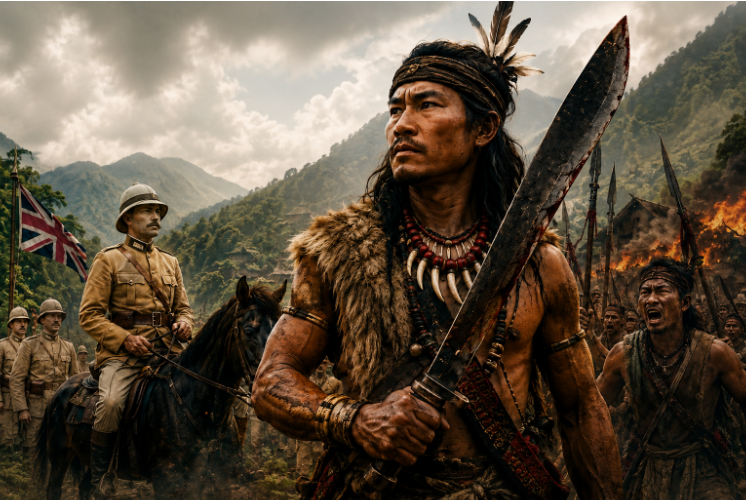
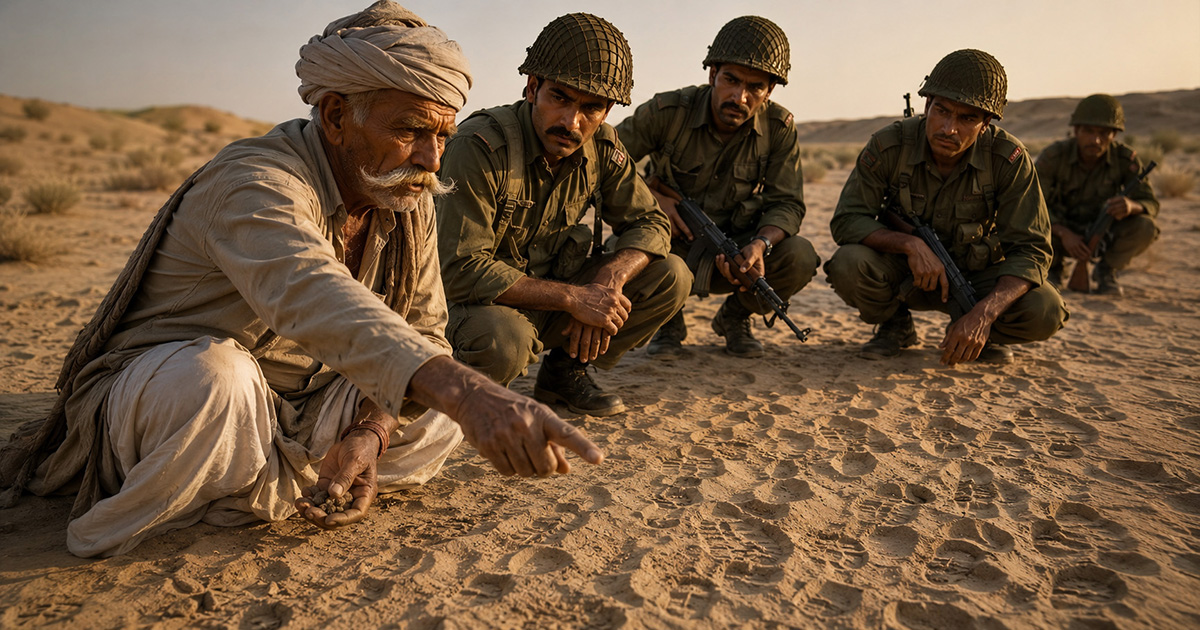
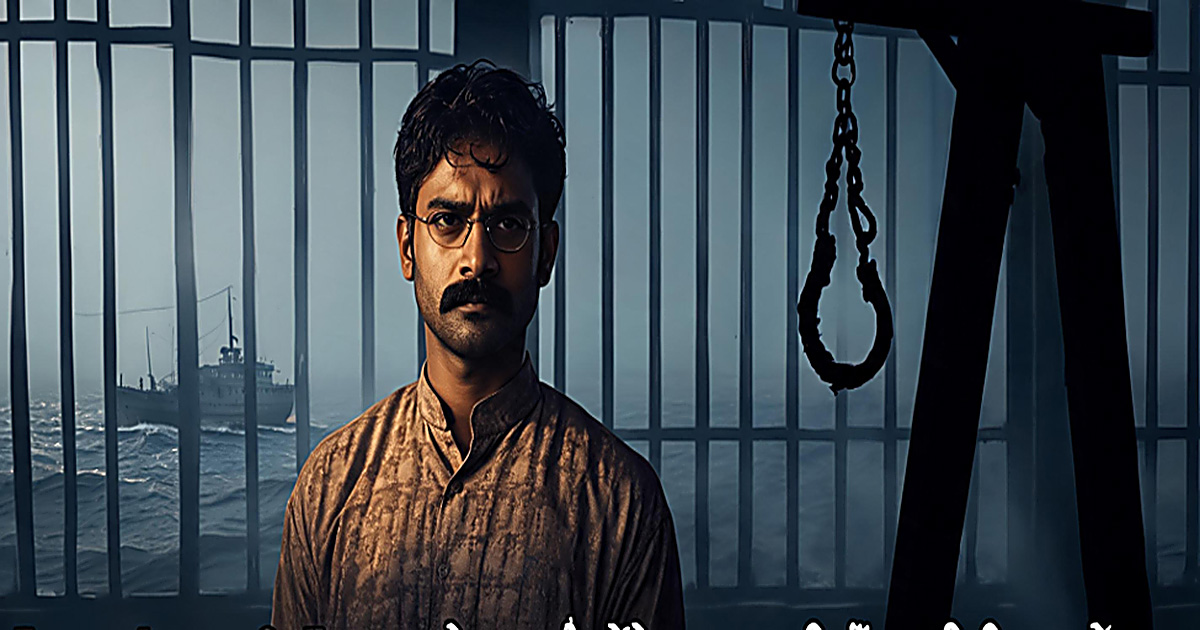
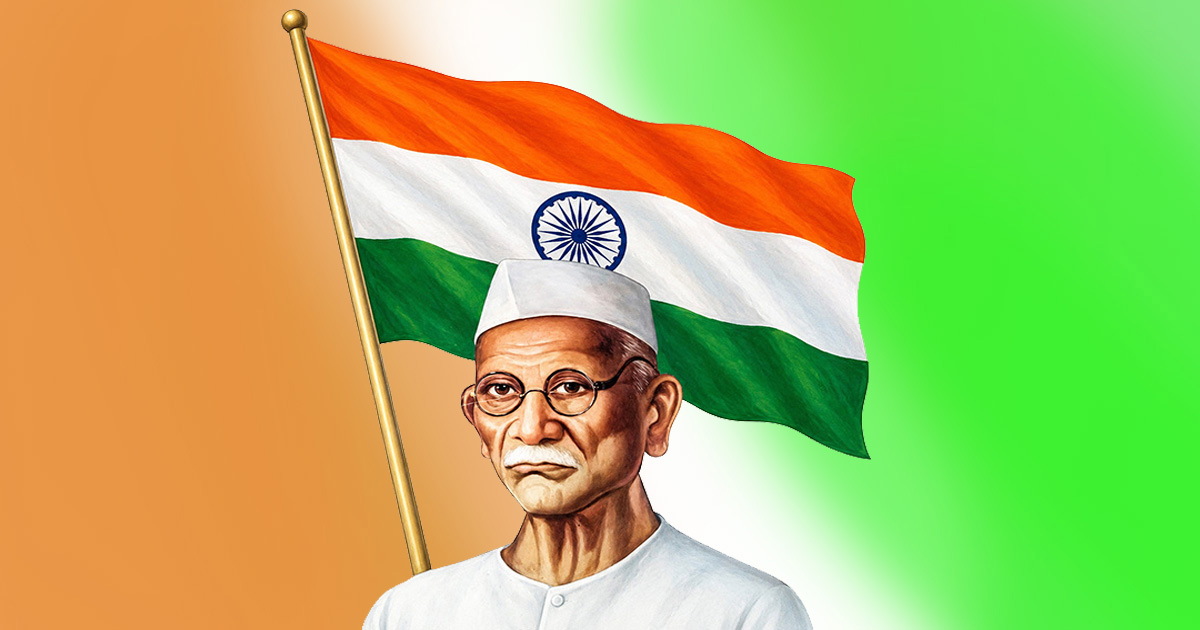
Matmur Jamoh | This image is AI-generated
The dense forests and towering hills of Northeast India hide many untold stories of India’s freedom struggle. Among them is one of the most inspiring and emotional stories — that of Matmur Jamoh, the warrior and freedom fighter from the Adi janjaati group of Arunachal Pradesh. He was the village chief of Kemi-Tolon, now known as Yagrung, in the Siang Valley. His story is not just about personal revenge, but about the defense of janjaati pride, land, and culture.
The year was 1909. The British Empire was expanding beyond Assam into the valleys of Arunachal Pradesh. British officer Noel Williamson, the Assistant Political Officer of Sadiya in Assam, entered the Siang Valley with his team. During the expedition, Williamson decided to stay at Kemi-Tolon village. He sent a message to village chief Matmur Jamoh, ordering him to arrange food, shelter, and all facilities for his stay. Matmur Jamoh refused outright.
Jamoh deeply opposed British interference, the intrusion of white rulers, and the threat posed to the freedom of his people. For him, the traditional lifestyle and religious beliefs of the Adi community were supreme. He did not want the British interfering in any aspect of the janjaati people's life. His refusal was not merely a personal decision — it was the voice of the Adi community’s independence.
Williamson took the refusal as a grave insult. He summoned Matmur Jamoh before the villagers, had him beaten with sticks, and humiliated him publicly. The public humiliation of a village chief was considered an insult to the entire community. Jamoh silently endured the humiliation, but inside him, the fire of revenge had begun to burn. He swore that the insult would one day be answered. For the next two years, Matmur Jamoh prepared quietly. He remained in contact with chiefs of nearby villages such as Kebang, Komsing, Pangi, Sisen, and Rottung. Secret meetings were held, young warriors were trained, and plans were made.
Two years later, on March 20, 1911, Noel Williamson again entered the Siang Valley on an expedition. This time, he was accompanied by Dr. Gregorson, a medical officer, along with a large team. The group planned to stay in Komsing village for several days and strengthen British control over the Adi tribal region.
However, near Sisen village, many of the porters carrying the expedition’s supplies fell ill. As a result, Dr. Gregorson stayed back there while Williamson continued toward Komsing village.
When Jamoh learned of this, he gathered the Adi warriors he had secretly prepared and finalized a plan to attack the British expedition. The plan divided the warriors into two groups. One group, led by Jamoh himself, would attack Williamson’s camp in Komsing village. The second group would target Dr. Gregorson’s camp in Sisen.
On March 31, 1911, Jamoh’s group launched the attack at Komsing. During the assault, Matmur Jamoh killed Noel Williamson with a traditional Adi dao sword. On the same day, the second group attacked Dr. Gregorson’s camp at Sisen and killed him along with his bodyguards.
The killing of Williamson triggered the Fourth Anglo-Abor War. The war lasted from October 6, 1911, to January 11, 1912, between British forces led by Major General Hamilton Bower and the Adi warriors led by Matmur Jamoh. The British responded brutally. Villages were burned, crops destroyed, and severe torture was inflicted upon Jamoh’s wife, son, and many members of the Adi community. To save his family and people from further suffering, Matmur Jamoh eventually surrendered.
He was sent to the Cellular Jail in the Andaman Islands, known as Kala Pani. After that, no further records of him were found. He remained one of India’s forgotten heroes. The story of Matmur Jamoh is not merely one of insult and revenge, but an immortal tale of self-respect and resistance. An ordinary village chief proved that when a person stands firmly for his honour, land, and culture, he can create history. His story reminds us that India’s freedom struggle was not fought only in the plains, but also in the hills of Arunachal Pradesh.