The Queen Who Stopped Muhammad Ghori: Rani Naiki Devi and the Battle of Kasahrada
The woman Muhammad Ghori thought he could intimidate into giving up Gujarat was at the heart of the resistance.


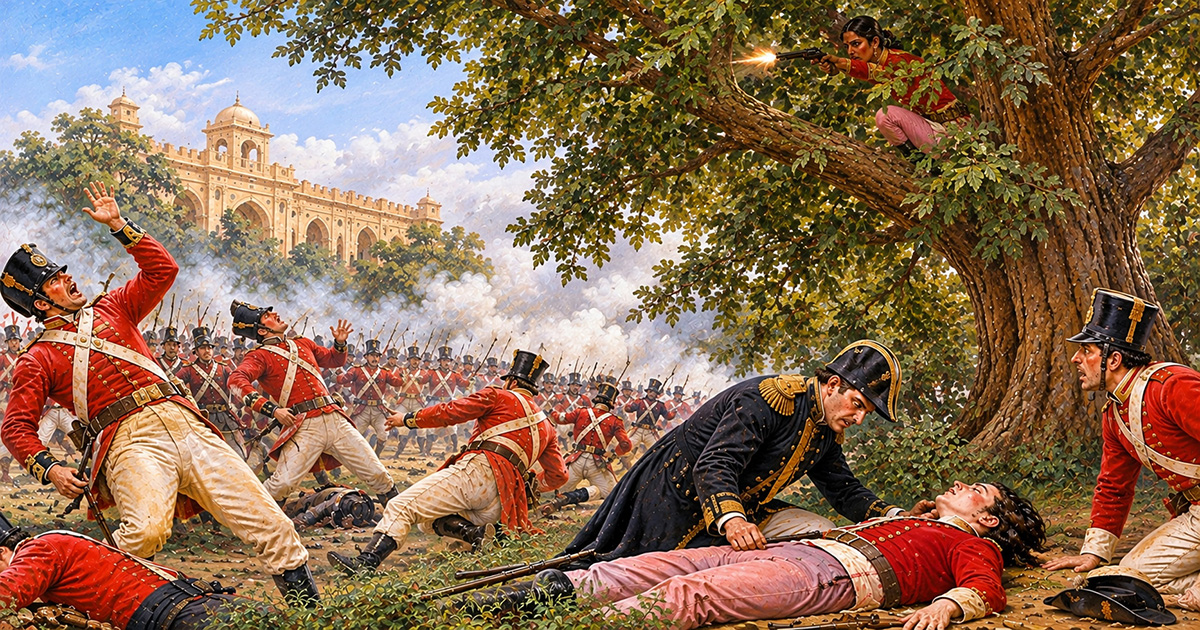
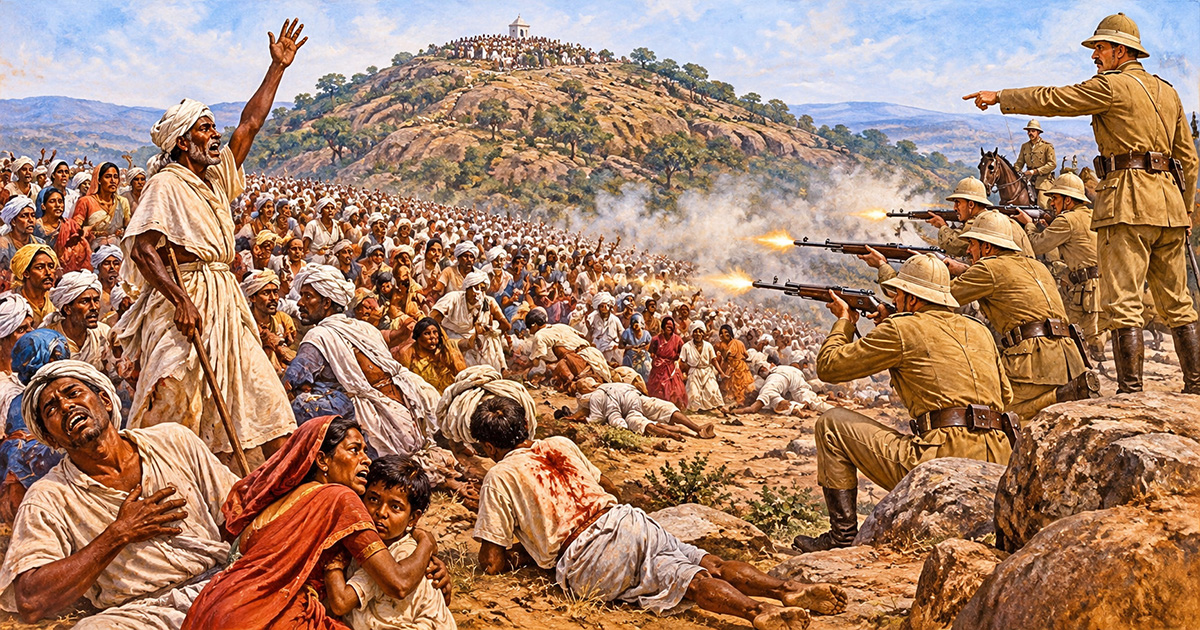
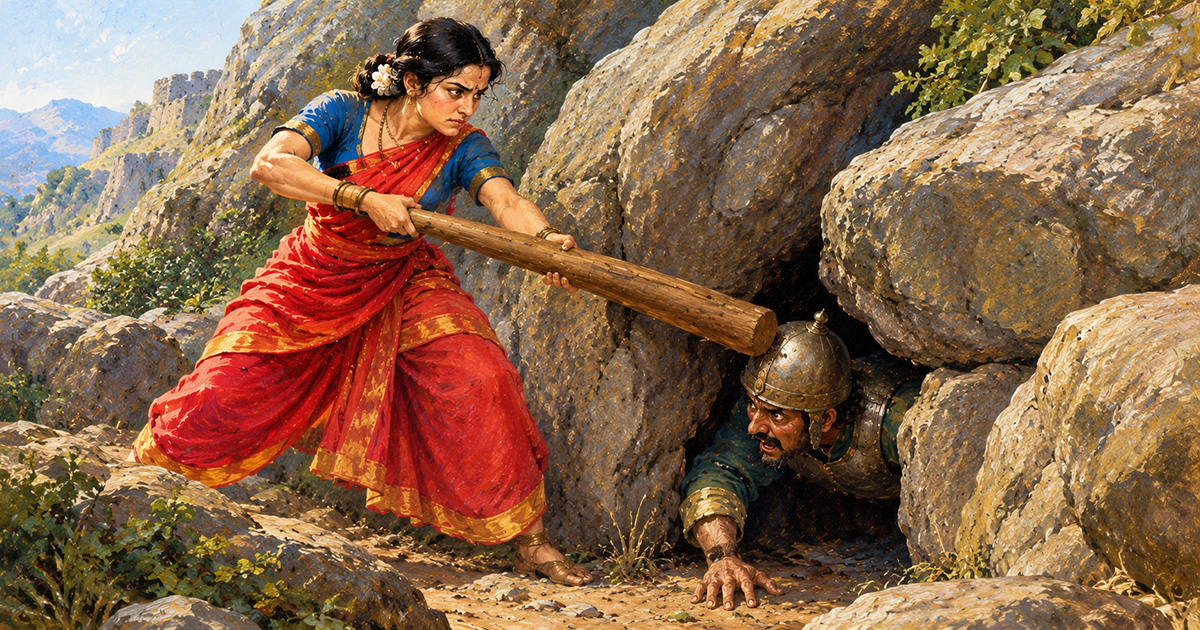
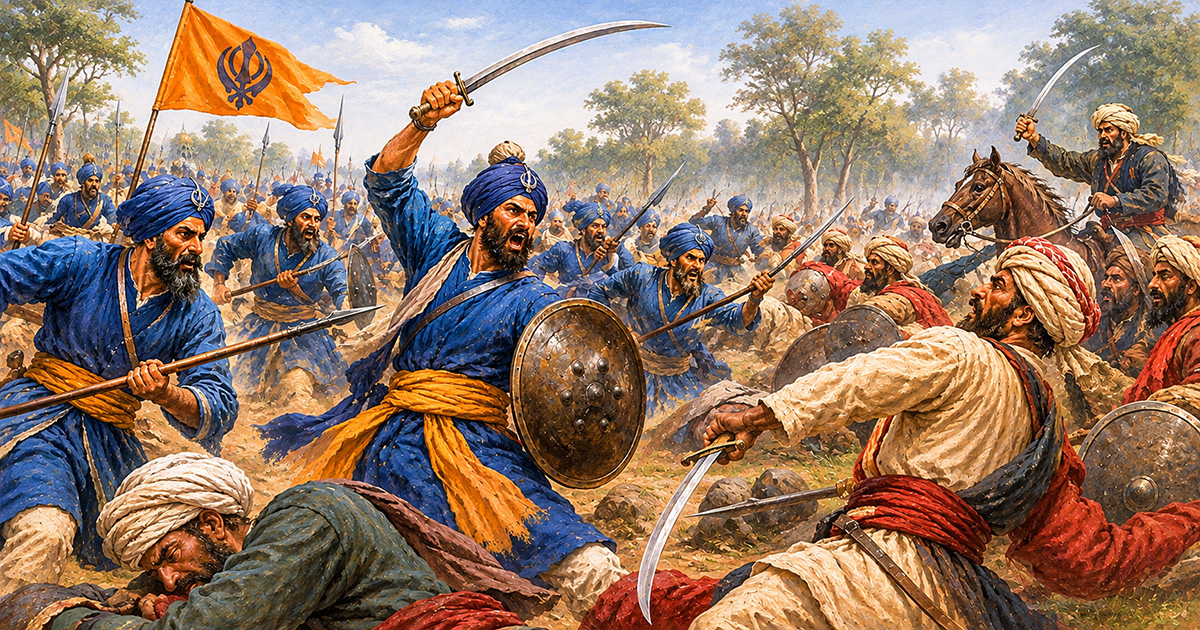
When Rani Naiki Devi forced the invader Muhammad Ghori to flee | This image is AI-generated
During the year 1178 CE, when Muhammad Ghori had passed through Multan and Sindh, leading troops and cavalry towards Nahrwala, the capital of the Chaulukya kingdom of Anahilwara (present-day located in Gujarat). For Ghori, Gujarat had seemed a vulnerable target. Its king Mularaja II was still an infant at that time, and his kingdom was ruled by his regent mother named Rani Naiki Devi; she became regent after the demise of her husband Maharaja Ajaypala. For Islamic invaders like Ghori, the prospect of a kingdom under the charge of a woman on behalf of a child looked weak. His army continued towards Anahilwara, expecting submission rather than a fight.
When Ghori’s message reached the Chaulukya court, it came with the confidence of a man who thought victory was already his. He demanded submission and threatened Gujarat with plunder. Rani Naiki Devi didn’t panic. She was well aware of Ghori’s overconfidence and played on his expectations. She allowed the perception of the possibility of a quick victory in Gujarat to take root. While Ghori continued his march, the queen sent messages across the region and asked for aid. The local Rajput chieftain arrived with their soldiers to join the forces of Chaulukya. Ghori thought that Gujarat was waiting to surrender, but in reality, an entire army was amassing to stop him.
Rani Naiki Devi was well aware that she could not allow Muhammad Ghori to choose the battlefield. If she fought him on open ground, his cavalry could use its speed and mobility. So she chose the mountains instead. The queen and her forces marched towards Mount Abu, heading into the territory of Gadarghatta and Kayadara. The road narrowed, and rocky escarpments flanked the passes. There was little room for large formations of cavalry to do what they were good at. The very horses that made Ghori’s cavalry so effective would be harnessed to a more difficult chore. Ghori was choosing the battlefield of his violation.
As the Ghurid army entered the funnelling passes, the ground proved to be an obstacle as well as an aid. The horses stumbled, and large formations of Ghori’s cavalry could not spread themselves out as they normally would. From the ridges that flanked the passes, local Bhil warriors added their shots and stones to the mix. The invaders found themselves hemmed in by steep slopes and an unforgiving battlefield. Rani Naiki Devi's allies waited for their moment. When it came, the Chaulukya forces attacked the Ghurids.
There was another addition to the Chaulukya forces as they attacked. Armoured elephants charged into the narrow battlefield, driving wedges into the Ghurid formations of horsemen. Ghori's cavalry, which had so confidently ridden into Anahilwara and beyond, was no longer able to use their speed and skill as they had been taught. The elephants came charging into their tightly packed ranks, turning them loose and causing chaos. Ghori's great advantage of fast cavalry was no longer an asset. The army that had come to conquer Anahilwara was fighting for its very life and escape. And in the thick of it was Rani Naiki Devi.
She did not wait behind her forces, but was in the thick of the fray, her infant son, Mularaja II, the young king whose throne Ghori thought would so easily have been his, at her side. Her presence in the battlefield was a symbol in itself. All around her, allied forces fought, and the elephants charged, and the narrow passes echoed with the sounds of combat as horses, men, and elephants added their voices to the cacophony of the battle. The woman Ghori thought he could intimidate into giving up Gujarat was at the heart of the resistance.
Rani Naiki Devi | Image Source: Historified
Ghori's forces were in disarray, and the defeat was swift and decisive. Muhammad Ghori fled from Gujarat, and his ambitions to conquer the kingdom were over forever. Decades later, the Persian chronicler, Minhaj-i-Siraj, in the Tabaqat-i-Nasiri, would record the memory of the defeat for posterity, noting that the "army of Islam" had been "defeated and put to rout" by the young king's mother and her forces. But, in the end, it was the queen who had chosen the battlefield and had bought the time she needed to gather the forces to halt the invaders. At Kayadara, the road on which Ghori had marched into Gujarat was the road on which he left it.
When the dust settled over the passes of Mount Abu, Rani Naiki Devi was the regent who had defended her infant king and the mother who had stood between her child and an army of invaders. Ghori had invaded Gujarat, thinking that a woman and a child meant an easy victory, but found himself defeated and routed by a determined queen who chose the battlefield and held the mountainous passes against his forces. Ghori's ambitions to conquer Gujarat were over, and he would never dare to come again after his crushing defeat. The queen had defended her son's throne, her people and her land. And the road Ghori had thought would take him effortlessly to conquer became the road by which he fled.