Mangarh 1913: The Forgotten Bloodshed of the Bhil Tribes by the British
Today, Mangarh Dham stands as a reminder of the thousands who gathered there and lost their lives. Six years before Jallianwala Bagh, these hills had witnessed another tragedy of colonial rule.

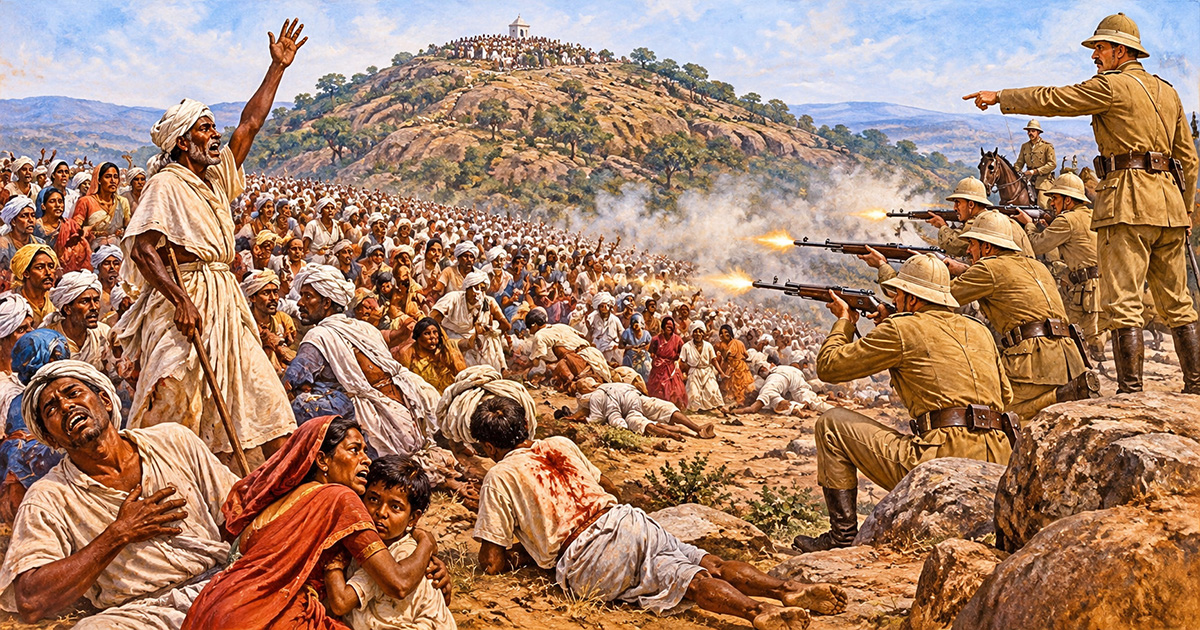
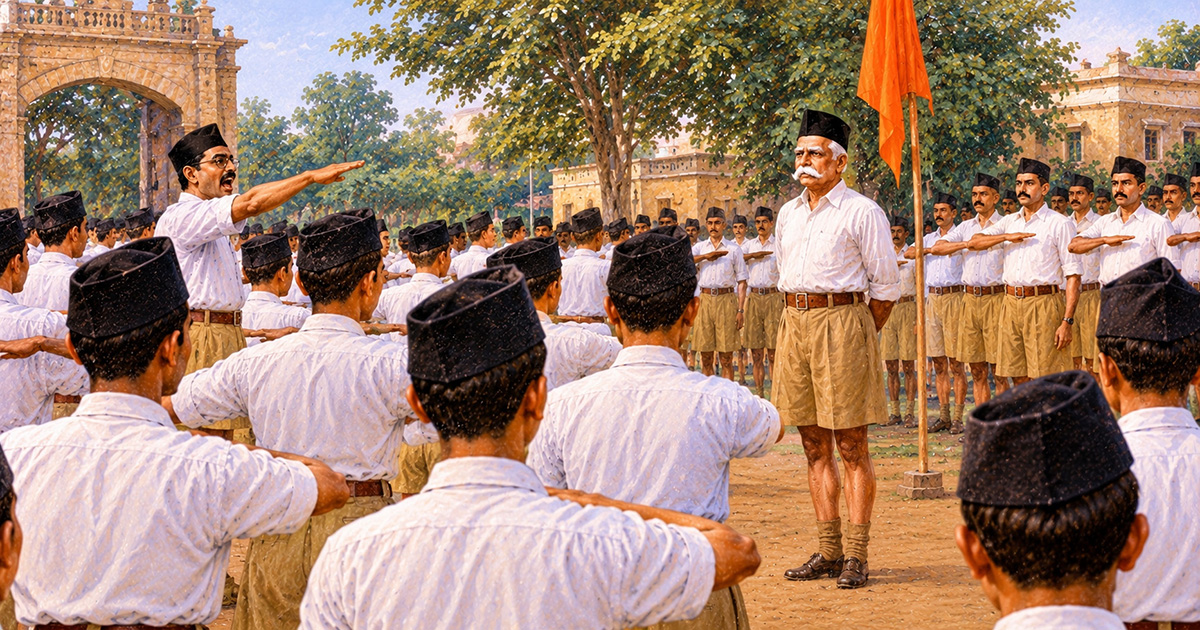
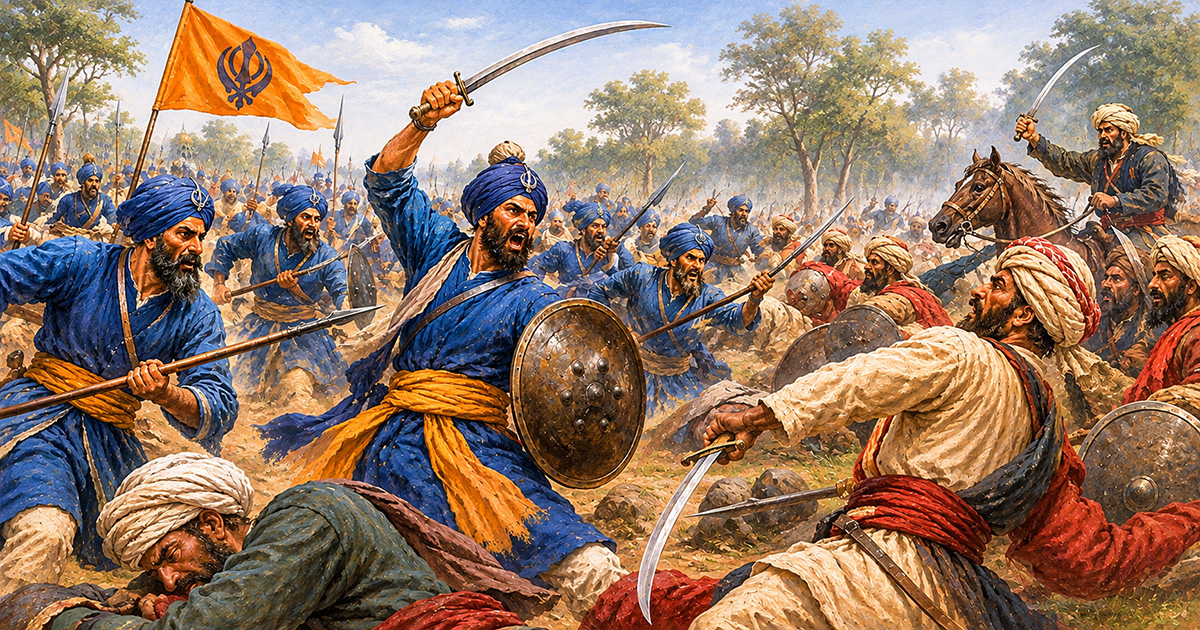
The Mangarh massacre of 1913 | This image is AI-generated
On the morning of November 17, 1913, thousands of Bhils gathered at Mangarh Hill, situated on the border of present-day Rajasthan and Gujarat. They had travelled from the regions of Banswara, Dungarpur, Kushalgarh and Kherwara in Rajasthan to attend a religious gathering around the sacred dhuni and participate in a yajna led by Govind Guru. But before the day was over, this peaceful gathering would turn into one of the most devastating massacres in the history of Adivasi resistance against colonial rule. Guru Govindgiri | Image Source: Directorate of Public Relations, Government of Rajasthan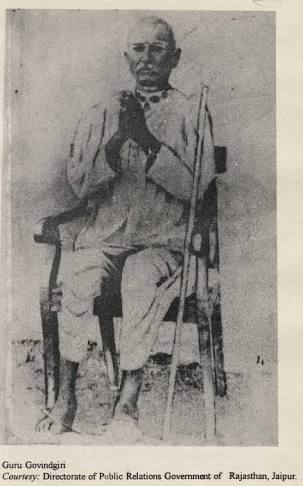
Two days later, on the morning of November 17, armed British forces surrounded Mangarh Hill. As the troops advanced, the Bhils stood their ground, with the defiant words, "ओ भुरेतिया, नइ मानूँ रे, नइ मानूँ" ("O Britishers, I will not bow before you; I will not surrender!"). But their defiance was met with bullets. British commanders Major S. Bailey and Captain E. Stoiley ordered their troops to open fire with machine guns and artillery. The Bhils, many armed with little more than bows, arrows, and a few traditional weapons, were no match for the heavily armed forces. Gunfire tore through the gathering, killing men, women, elderly people, and children. The firing stopped only after a British officer came across a child trying to suckle milk from its dead mother's body. By the time the attack ended, the hill had become a scene of devastation. More than 1,500 people were killed, while around 900 were captured. Govind Guru, who was wounded during the attack, was also arrested and later released in 1919.
Today, Mangarh Dham stands as a reminder of the thousands who gathered there and lost their lives. Six years before Jallianwala Bagh, these hills had witnessed another tragedy of colonial rule. Yet the courage and sacrifice of the Bhil community deserve to be remembered as an important chapter in India's freedom struggle.
Mangarh Dham | Image Source: Sanely Written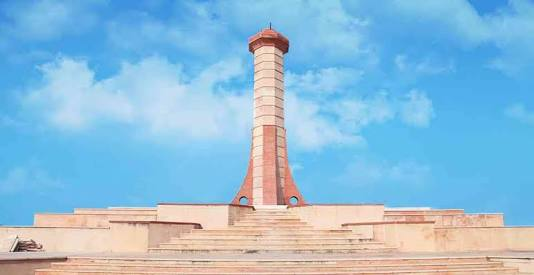
Today, this legacy is remembered at Mangarh Dham, where the Shaheed Smarak stands in honour of the tribal men and women who lost their lives in 1913. Its towering memorial pillar symbolises their sacrifice, while the sacred dhuni continues to hold spiritual significance for the Bhil community. On 1 November 2022, Prime Minister Narendra Modi visited Mangarh Dham, paid tribute to Govind Guru and the tribal martyrs, and attended the programme Mangarh Dham Ki Gaurav Gatha. More than a century later, Mangarh remains not just a memorial to a massacre, but a symbol of Adivasi courage, cultural identity and collective memory.