Cuncolim Massacre: The Story of Brutal Bloodshed’s Lone Survivor, Kalgo Naik
By surviving the betrayal at Assolna Fort, Kalgo Naik ensured that the story of those who died in the Cuncolim massacre would survive with him.

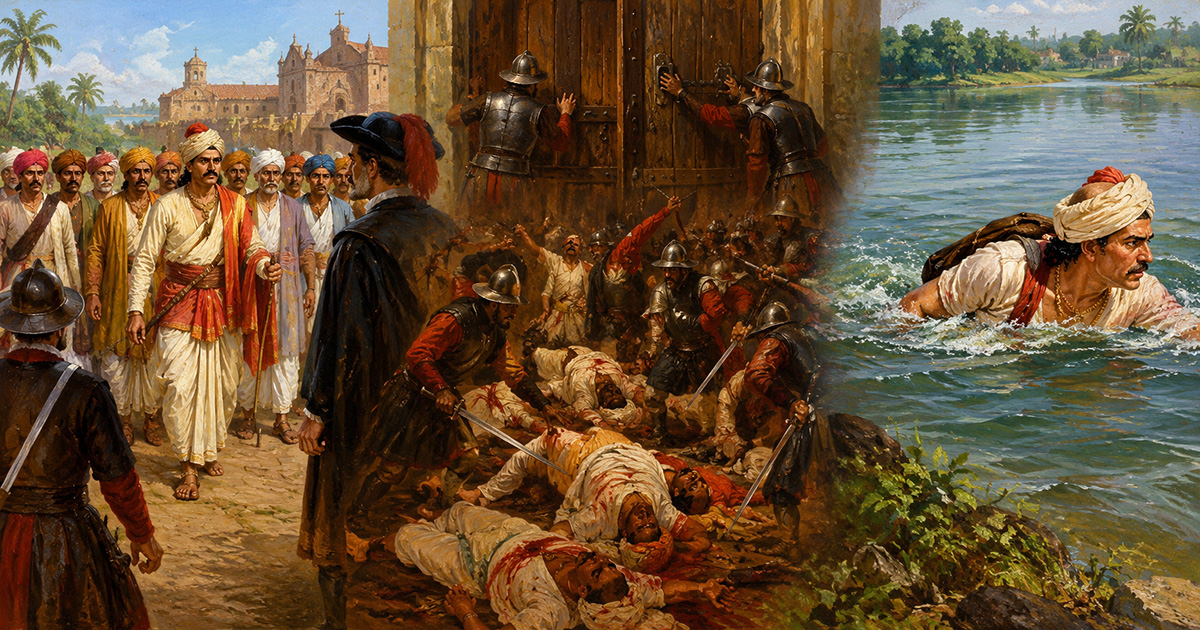
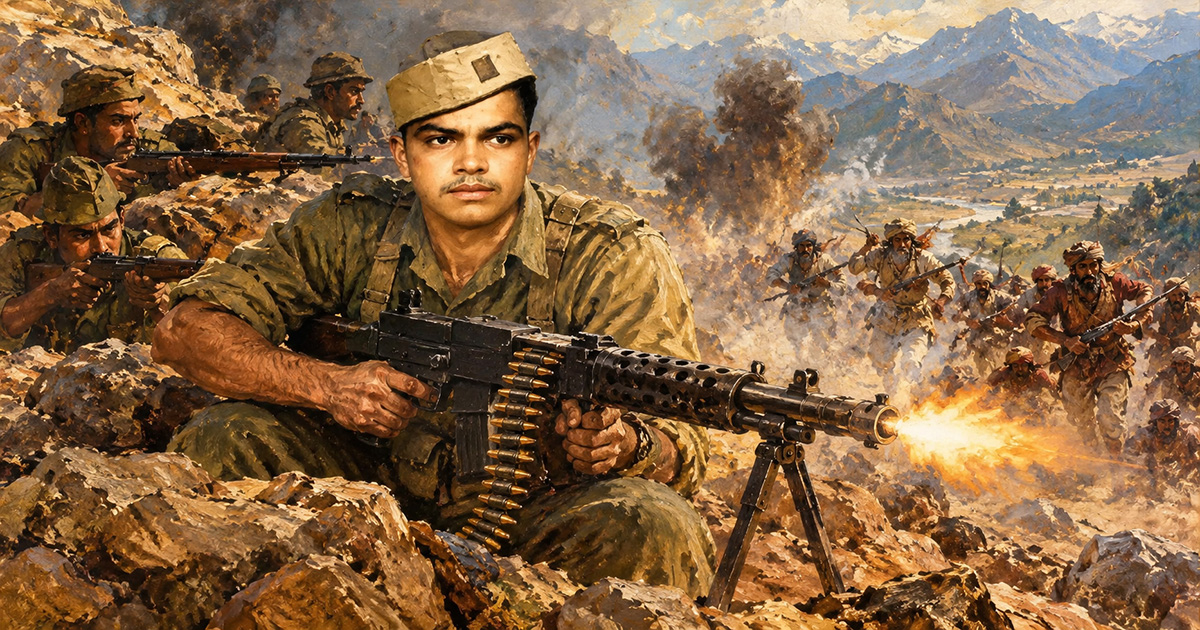
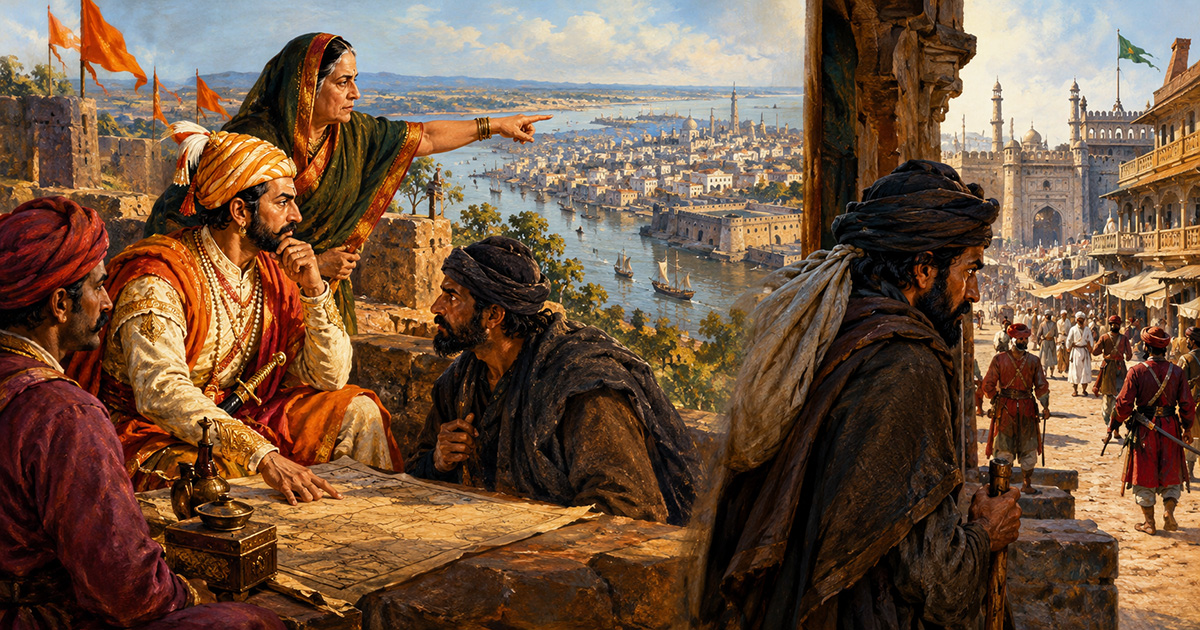
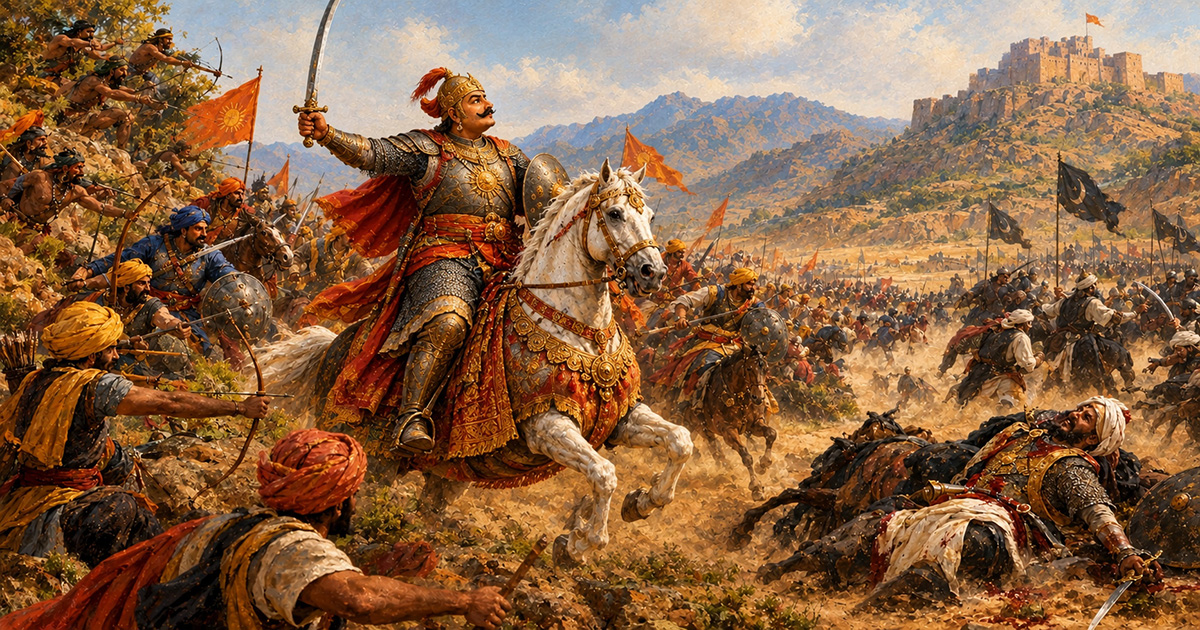
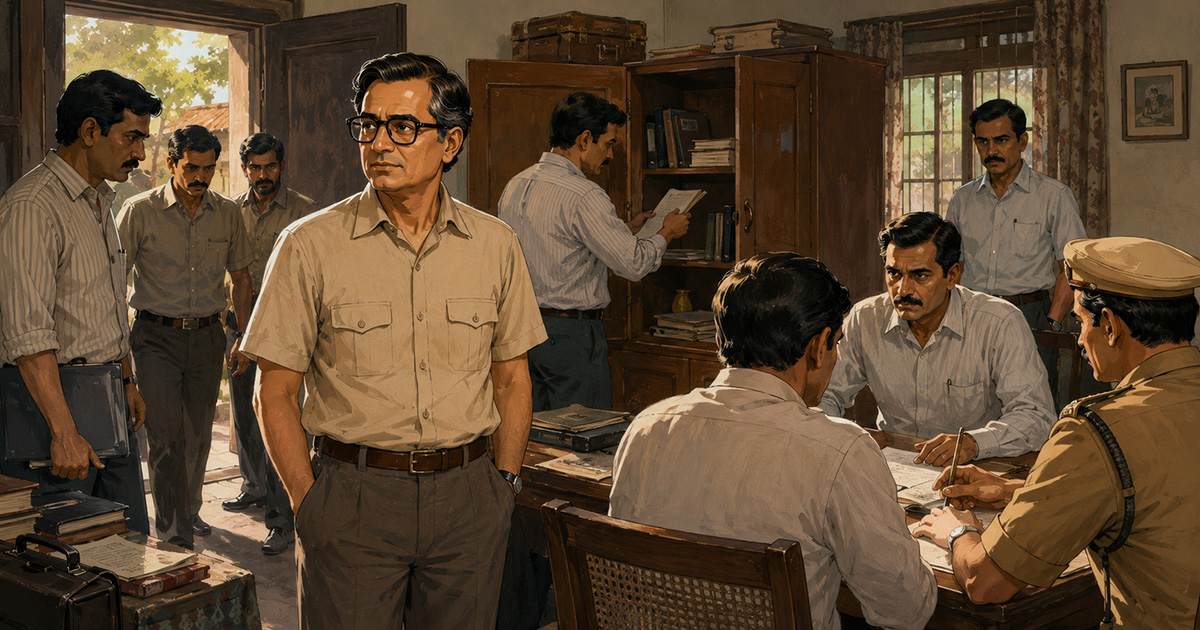
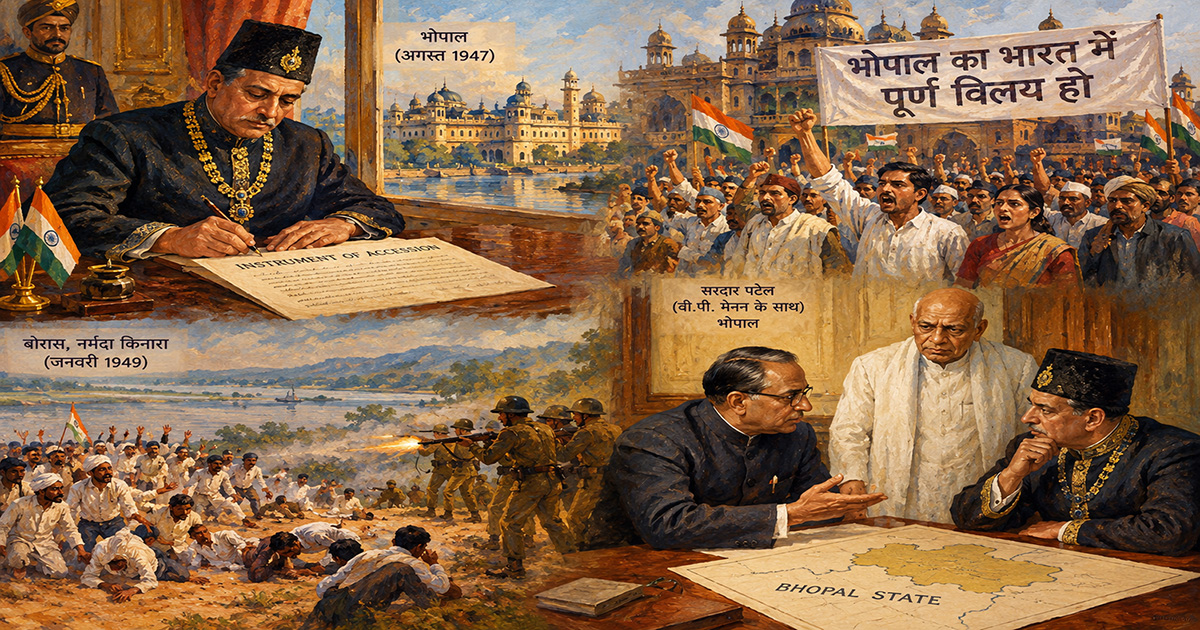
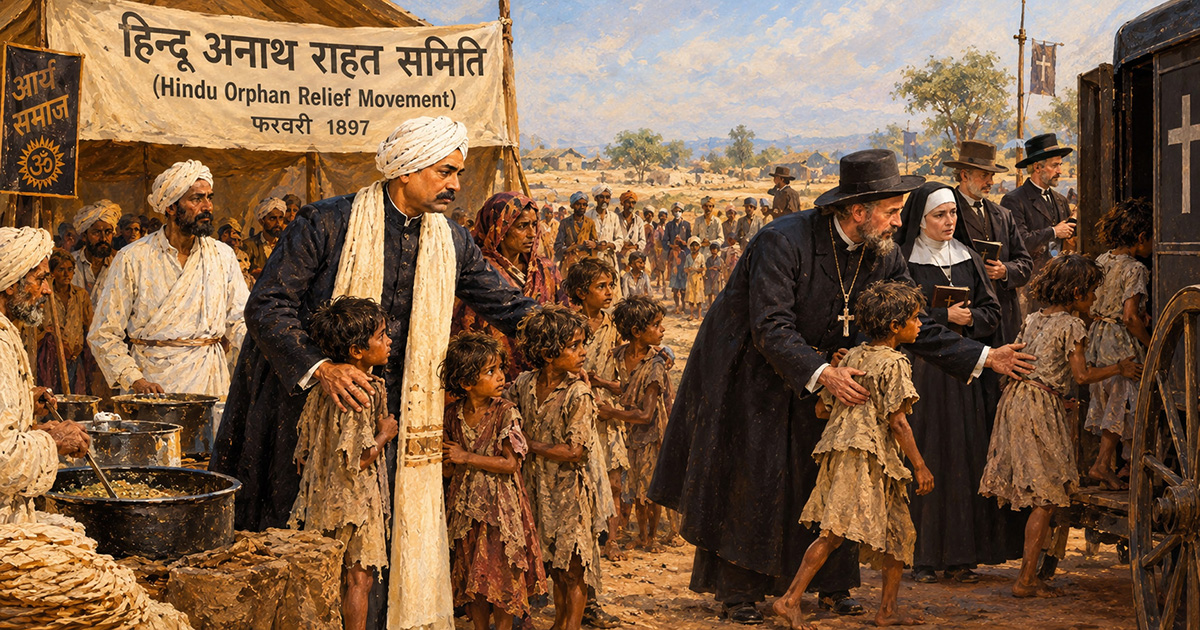
The horrific story of the Cuncolim massacre & its sole survivor, Kalgo Naik | This image is AI-generated
In the year 1583, Cuncolim’s sixteen Hindu chieftains, including Kalgo Naik—a leader belonging to the Naik clan, one of the 12 ruling clans—had gone to meet the Portuguese officials for peace talks to end the bloodshed and Portuguese invasion of Cuncolim, Goa. But the colonial invaders betrayed them by shutting the gates behind them and massacring them. Fifteen Hindu chieftains never walked out. The only person to survive the massacre was Kalgo Naik, who escaped by throwing himself into the Sal River.
But why did Kalgo Naik make that desperate leap? What were the events that led 16 Hindu chieftains to meet the Portuguese forces? And why did the Portuguese officials betray and massacre them?
The Cuncolim massacre of 1583, when Portuguese officials betrayed Hindu Chieftains in Goa | Image Source: History.com
To understand that, we have to go back to 1543, when the Portuguese formally annexed the Salcete region, including Cuncolim. But a direct confrontation between the Portuguese forces and the residents of Cuncolim came in July 1583, when the Portuguese missionaries decided to Christianize Cuncolim. Missionary priests led by Father Rodolfo Acquaviva, a Jesuit who had previously represented the missionaries at the court of Mughal Emperor Akbar at Fatehpur Sikri, decided to visit the village. The missionaries informed the Cuncolim leaders that they intended to visit the village, and thus, they expected a welcome.
However, little did they know that the residents of Cuncolim were planning to retaliate and defy them. Cuncolim was not an ordinary village. It was a prosperous agrarian settlement controlled by twelve traditional clans, whose Hindu gaonkars or chieftains held rights over the land and temples. But Portuguese rule brought increasing pressure on Cuncolim's traditional way of life. Missionaries were aggressively attempting to spread Christianity, while Hindu temples across Salcete were being demolished and Christian institutions were being established in their place. The gaonkars increasingly saw these policies as an assault not only on their faith, but also on their traditional authority.
Therefore, when the missionary priests arrived in their village, Kalgo Naik and other Hindu chieftains united to oppose them. Accompanied by about two hundred people, Kalgo Naik went to the missionary camp at Toliem Bhat to confront them. An argument with the five Jesuit missionaries present there escalated into violence, resulting in the deaths of all five missionaries as well as fourteen local Catholics.
This had angered the Portuguese forces. So they thought of a vile trap to teach the Hindu chieftains a lesson. The colonial authorities knew that the Cuncolim chieftains did not trust them, so they used an intermediary to invite the prominent gaonkars to peace talks at Assolna Fort. They were asked to come unarmed. Agreeing, the sixteen chieftains, including Kalgo Naik, went unarmed to the fortress.
As soon as the chieftains entered, the gates were shut. The Portuguese officials had betrayed them. The men who had arrived for negotiations suddenly found themselves trapped. Portuguese soldiers attacked the unarmed leaders, turning the promised peace meeting into an execution. Fifteen chieftains were killed. But one man survived—Kalgo Naik. With the fortress transformed into a killing ground, Kalgo found a way out and made a desperate leap into the Sal River. He survived the fall and escaped towards Honavar/Karwar in present-day Karnataka, beyond Portuguese-controlled territory.
With that, Kalgo Naik carried the memory of the fifteen men who were brutally massacred by the Portuguese forces in front of him. It was because of Naik that today we know about the massacre. The Portuguese tried to end the resistance by killing its leaders. But by surviving the betrayal at Assolna, Kalgo Naik ensured that the story of those who died would survive with him.