When American Missionaries Tried to Convert Marathis, But Failed Miserably!
After nearly 50 years of work, the mission had gathered only 1,500 converts approximately. Against an estimated Marathi-speaking population of 12 million, that amounted to barely 0.013% of the population.

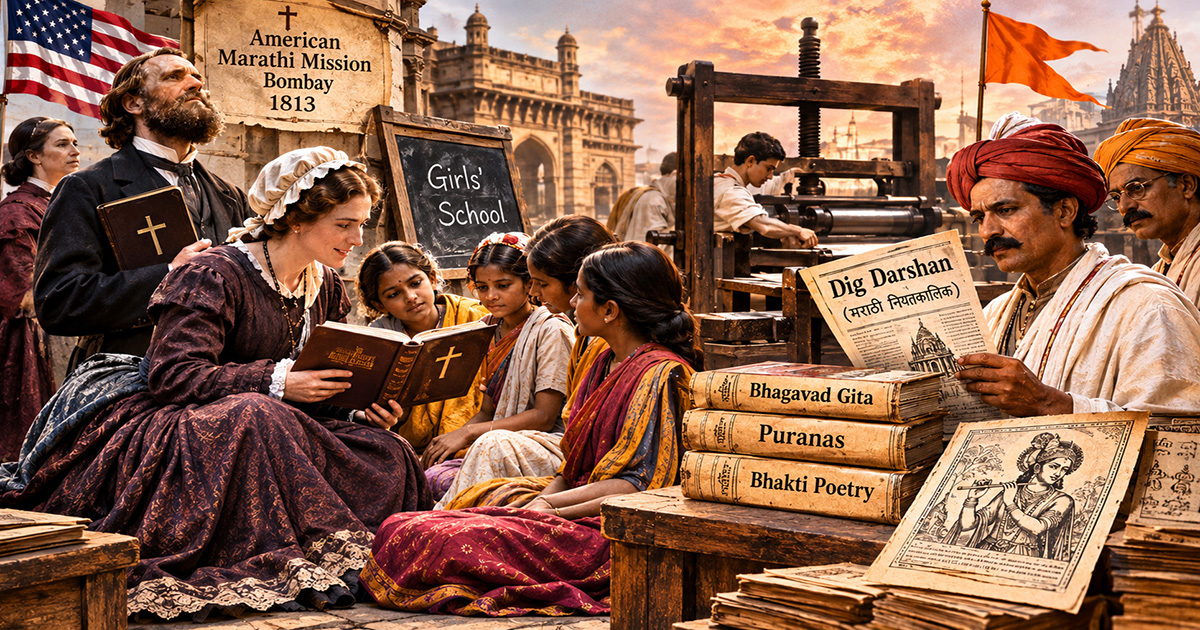
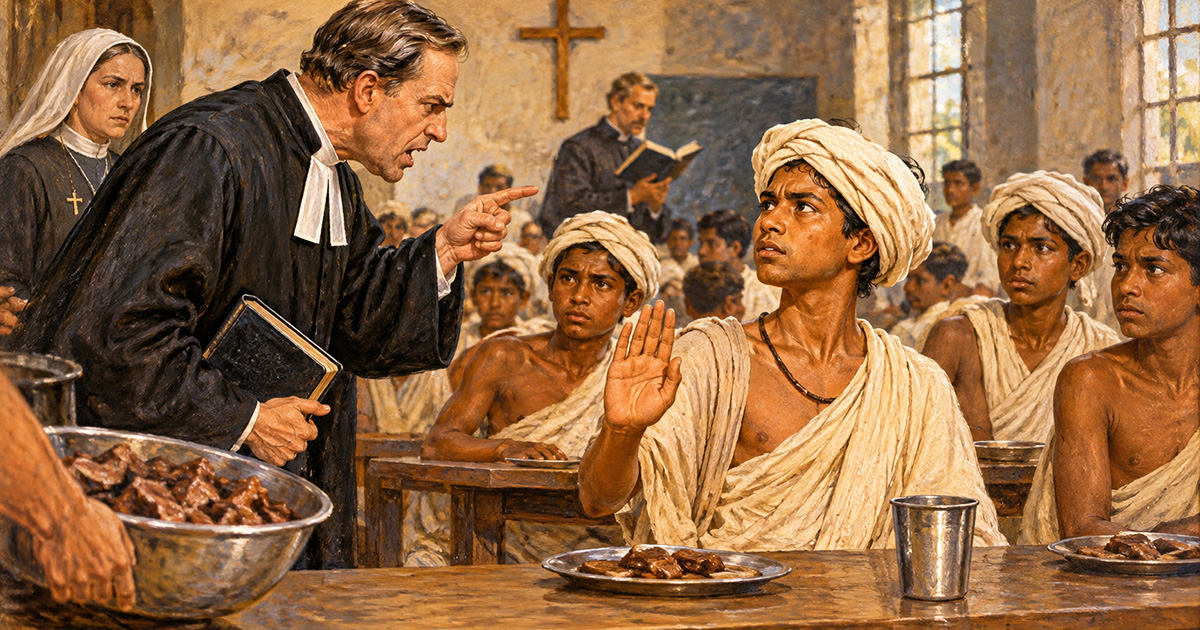
Missionaries brought a printing press to convert Marathis, but ended up strengthening Hindu traditions | This image is AI-generated
What happens when foreign missionaries arrive in India to convince an entire civilisation that it needs to abandon its religious beliefs and embrace Christianity? They bring schools, books, and printing presses with promises of modern education. But on the contrary, their sole aim is to convert people to Christianity! But wait! What if the very tools they brought to convert end up strengthening the religious traditions they wanted to destroy?
Well, this is exactly what happened when American missionaries attempted to convert Marathis.
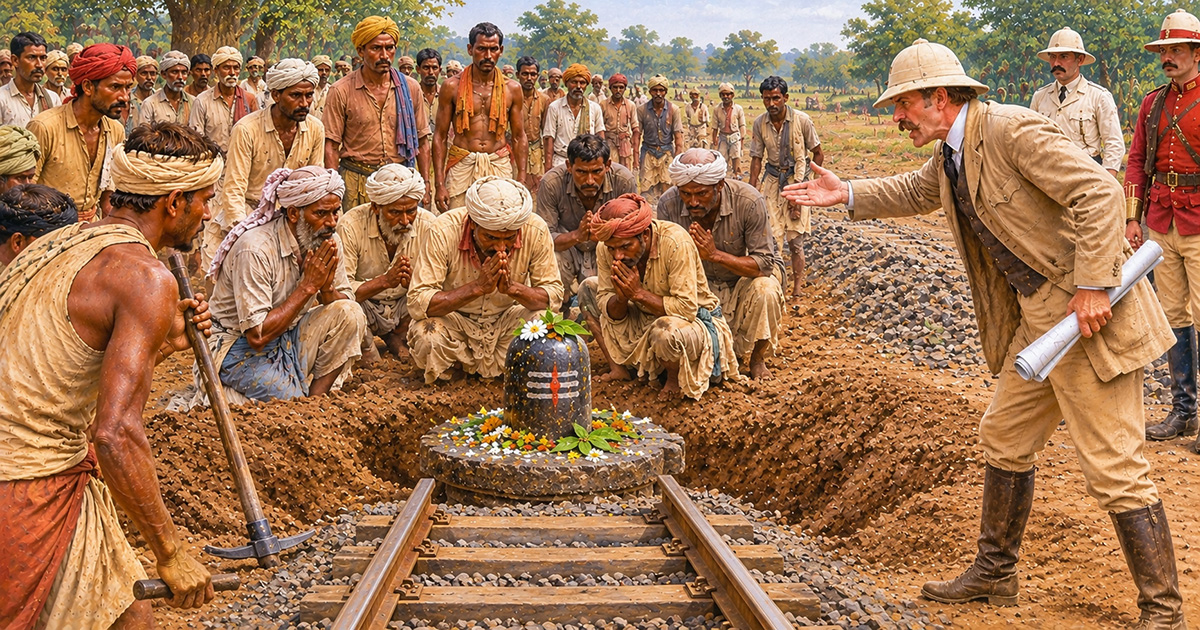
The story begins in 1812, when American missionaries first arrived in India. However, restrictions imposed by the British East India Company delayed their operations. A year later, in 1813, the American Board of Commissioners for Foreign Missions (ABCFM) established its formal presence in Bombay. Their objective was to spread Christianity among the Marathi-speaking population. For this, they established schools, distributed religious literature, and introduced printing technology to promote Christian beliefs under the guise of education.
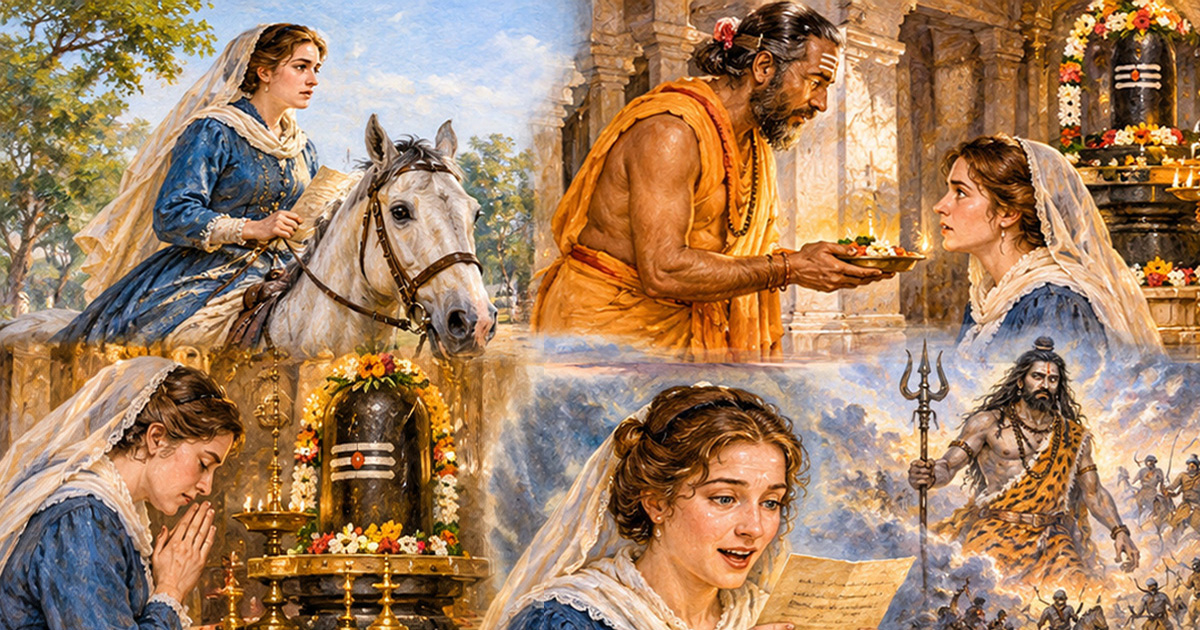
One of the most prominent figures in this campaign was Cynthia Farrar, who arrived in Bombay in late 1827. Appointed Superintendent of Girls' Schools by the American Marathi Mission, she was entrusted with an important responsibility: educating young Hindu girls and introducing them to Christianity. Missionaries believed that adult Indian men were too deeply attached to their religious traditions to be easily converted. They hoped that young girls, once converted, would grow up to establish Christian households, raise Christian children, and gradually influence religious practices within their families.
And so, Farrar began establishing schools for Hindu girls. Although students were taught reading, writing, and needlework, religious instruction remained central to the curriculum. Marathi translations of the Bible and Christian tracts were used as teaching materials. Girls were taught biblical verses, prayers and hymns, while traditional Hindu customs were criticised as forms of idolatry. Initially, the schools attracted considerable interest. By 1829, though the parents welcomed the opportunity to educate their daughters, they were unwilling to let missionaries influence their religious beliefs. Whenever they suspected attempts of conversion, they withdrew their children.
Seeing this trend, the missionaries realised that day schools were not an ideal place to convert people. So they turned to boarding schools. These institutions offered free accommodation, food, clothing, and education, but also allowed Christianity to become part of everyday life. Students attended morning and evening prayers, Sabbath schools, and church services. They also memorised biblical teachings and sang Christian hymns, sometimes set to familiar Marathi tunes.
This approach did produce some conversions. The Ahmednagar Girls' Boarding School reportedly brought more than 40 girls into church communion over 12 years. However, these numbers were nowhere near the mass conversions the missionaries had hoped to achieve.
But the missionaries had little idea that their biggest setback was yet to come. In their attempt to spread Christianity, they were unknowingly giving local Hindus a powerful tool to defend their religious traditions: The printing press.
While American missionaries were busy spreading Christianity, they were also introducing something that local Hindus would soon use to their advantage: the printing press. When the American Marathi Mission established its printing press in Bombay in late 1816, it introduced printing technology and developed Marathi typefaces that made publishing in the local language easier. Until then, much of Marathi literature circulated through handwritten manuscripts, including Hindu scriptures, devotional poetry and religious stories.
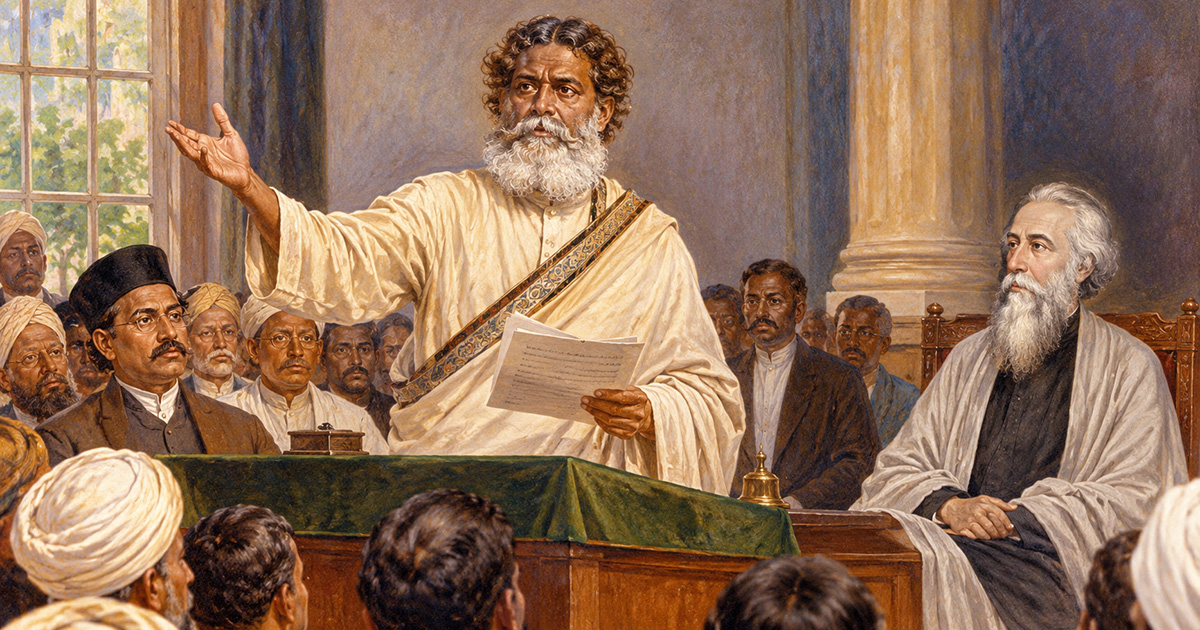
Local Marathi intellectuals quickly recognised the potential of this technology. They began establishing independent, Indian-owned printing presses to publish Hindu scriptures, Puranas, Bhakti poetry and traditional religious literature. Texts that were once difficult to access could now be reproduced in large quantities and sold at affordable prices. They also established several vernacular periodicals, including Dig Darshan. These publications became platforms for defending Hindu traditions, questioning missionary arguments and challenging Christian doctrines. Instead of allowing missionary literature to dominate public discourse, Marathi intellectuals began using the printed word to present their own religious and cultural perspectives.
In effect, the printing technology introduced by American missionaries to convert the Marathis backfired critically! According to historical mission records, after nearly 50 years of work between 1813 and 1881, the mission had gathered approximately 1,500 converts. Against an estimated Marathi-speaking population of 12 million, that amounted to barely 0.013% of the population.
This is what makes this story so remarkable. The missionaries arrived in Bombay hoping to reshape Marathi society and bring them into the Christian fold. But local intellectuals adopted these very tools to establish their own institutions, circulate Hindu literature, and challenge missionary arguments.
Reference: Memorial Papers of the American Marathi Mission, 1813–1881: A collection of historical papers prepared by senior American missionaries and native Christian leaders.