Nanaji Deshmukh and RSS: The Man Who Rebuilt Mulapalem After the 1977 Cyclone
The cyclone had destroyed Mulapalem in a single night; Nanaji and the swayamsevaks helped rebuild it.

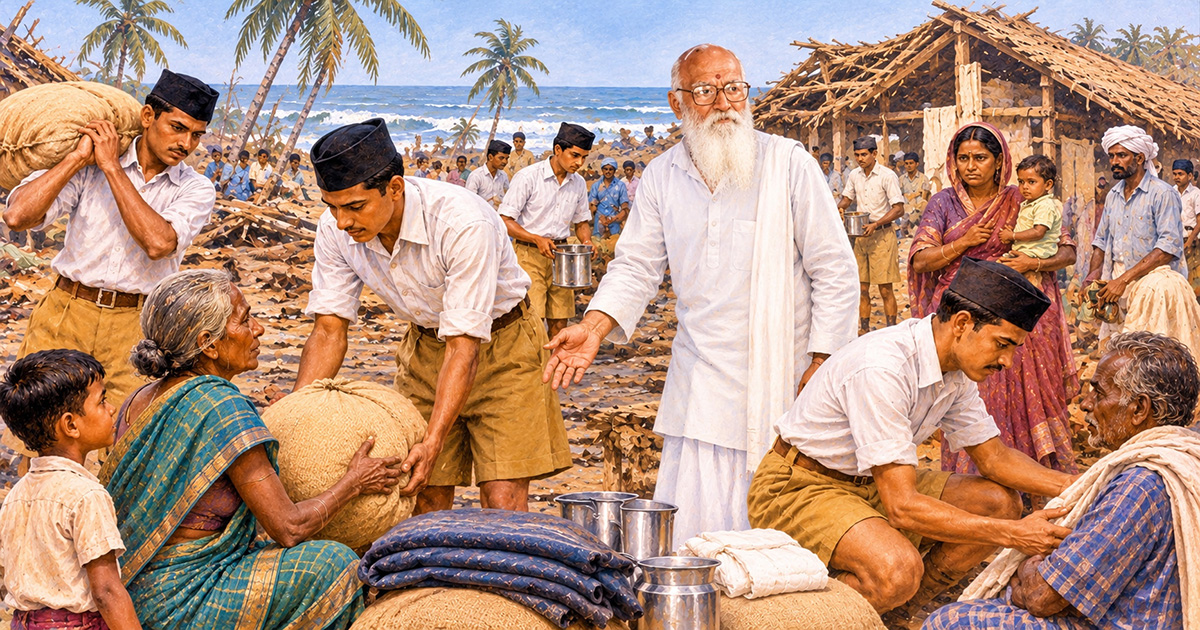
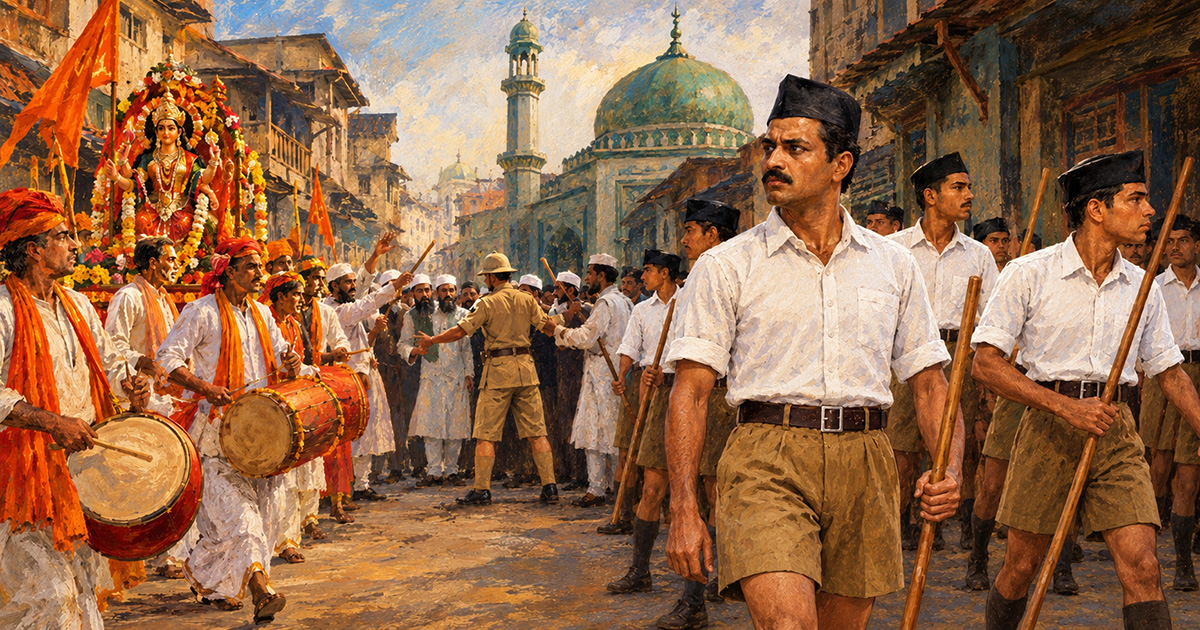
RSS swayamsevaks cyclone relief in Andhra Pradesh's Mulapalem | This image is AI-generated
On November 19, 1977, the sea came rushing into Mulapalem, a coastal village in Andhra Pradesh’s Krishna district. A powerful cyclone, Diviseema, had struck the coast, and the tidal wave swept through the village, destroying homes and carrying away everything in its path. By morning, Mulapalem had been devastated. Families had lost their homes, their belongings, and, in many cases, their loved ones. Their homes were gone. Their village had been destroyed. There was almost nothing left of the village they had known. Yet within just 11 months, the RSS restored the cyclone-ravaged village, rebuilding it as Deendayalpuram, inspired and led by Nanaji Deshmukh.
When the waters receded, young RSS Swayamsevaks walked into the ruins, driven by Nanaji’s call to serve those who had lost everything. They found people hungry, frightened, and searching for their families. The scale of the disaster was enormous; around 10,000 people had died, while nearly 34 lakh people were affected or left homeless across the region. They carried food, clothes, utensils, and medicines to families who had lost almost everything. They helped the injured and searched the ruins for survivors. Then they faced the darkest part of the work. Bodies lay scattered across the devastated villages. The swayamsevaks did not turn away. They helped remove the dead and perform their last rites. More swayamsevaks and relief material kept arriving from different parts of the country. For Nanaji, however, this was only the first battle. People could be fed today, but what would they call home tomorrow
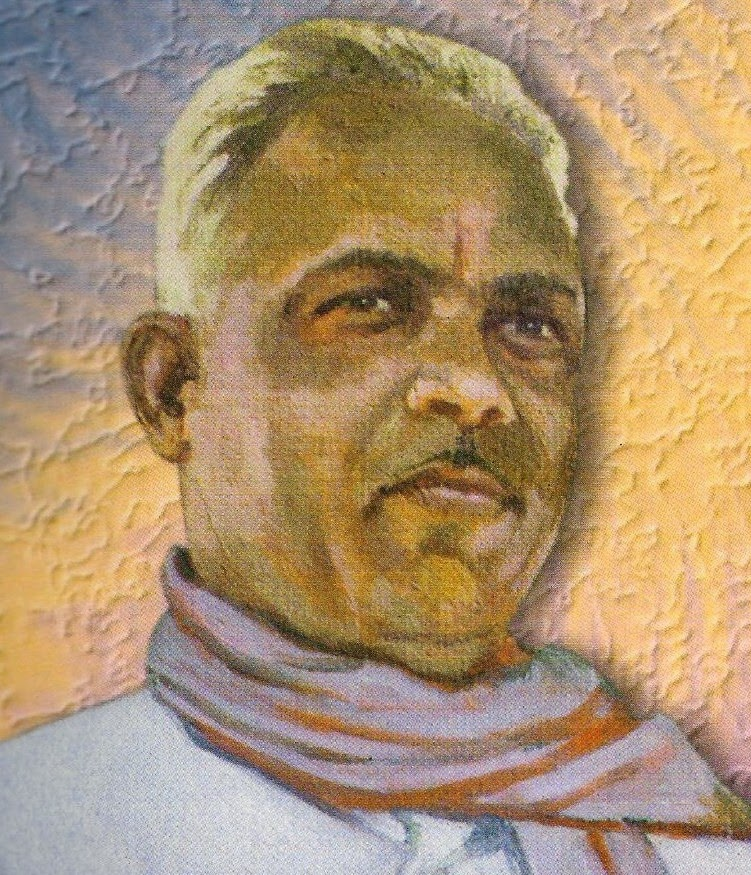
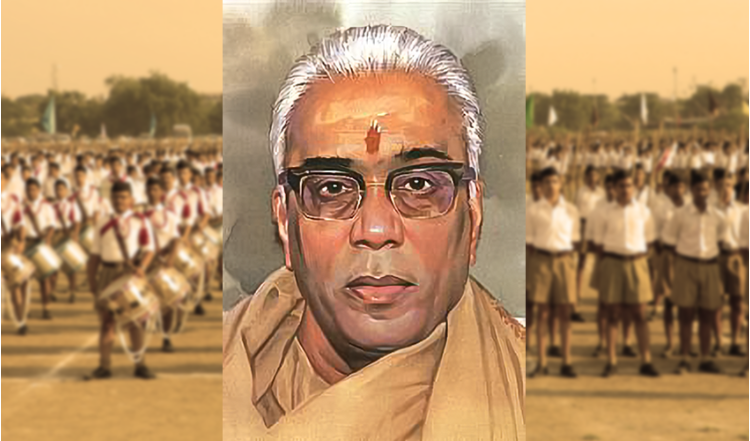
Nanaji had spent years as an RSS pracharak in Uttar Pradesh, building the Sangh’s work among ordinary people. Now, he had a very different task before him. Mulapalem had been destroyed, and Nanaji wanted to rebuild it. As the chief planner of the reconstruction effort, he worked to turn the emergency relief into an organised effort to rebuild the village. Through the Deendayal Research Institute, which he had founded, he joined hands with the RSS Cyclone Relief Committee to take up the rebuilding of Mulapalem. The aim was not simply to put temporary roofs over the survivors’ heads. The plan was to build the village again.
The new Mulapalem was planned as a completely rebuilt settlement and renamed Deendayalpuram, after Deendayal Upadhyaya. The plan included 110 pucca houses, a school and community hall, along with modern fishing nets, boats for deep-sea fishing and a fishermen’s training centre, as Mulapalem was a fishing village, to help villagers rebuild their livelihoods. It also envisioned a medical centre serving around 50 surrounding villages, with a proposed 15-bed hospital and a medical van from the Deendayal Research Institute. Nanaji was not simply rebuilding houses; he was rebuilding the entire life of the village, its homes, education, livelihoods and healthcare.
Less than three months after the cyclone, on February 9, 1978, Nanaji arrived at the reconstruction site. He laid the foundation for a Tidal Wave Memorial in memory of the thousands who had perished, and unveiled the nameplate for the new village — Deendayalpuram. Just eleven months later, on October 23, 1978, the project was complete. The devastated land had risen again as a vibrant new village under Nanaji's watchful guidance.
There was also a striking contrast behind this work. During the Emergency in 1975, the RSS had been banned by the Congress government, and many of its workers had been arrested. Yet when disaster struck, the swayamsevaks returned to the ground to serve ordinary people. They had carried food and medicines to survivors, removed the dead and performed their last rites. Now, under the reconstruction effort led with Nanaji’s vision, they were helping rebuild an entire village. The organisation had been banned, but its spirit of service had not disappeared. “सेवा परमो धर्मः — सेवा ही सर्वोच्च धर्म है।” In Mulapalem, that spirit could be seen not in words, but in the work itself: in the houses being rebuilt, the fishermen being given the means to return to their livelihoods, and a new village taking shape.
Only a few months earlier, the sea had erased Mulapalem. Now, brick by brick, house by house, the village was coming back. The cyclone had destroyed Mulapalem in a single night; Nanaji and the swayamsevaks helped give its people something the sea could not take away: a place to begin again.