November 10, 1929: When Dr. Hedgewar Became RSS’s First Sarsanghchalak
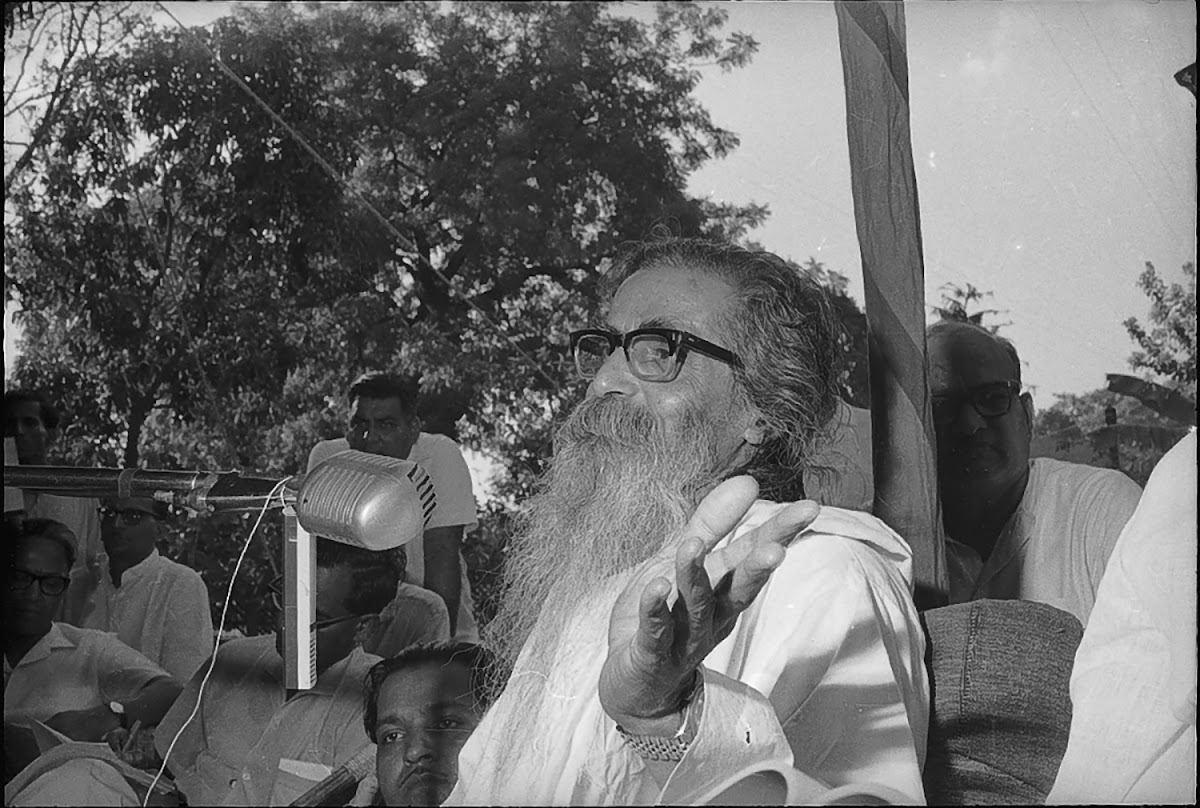
Dr. Hedgewar called Appaji Joshi to his side and expressed his displeasure. This was because Doctor Sahib had never harboured any ambition for a position.

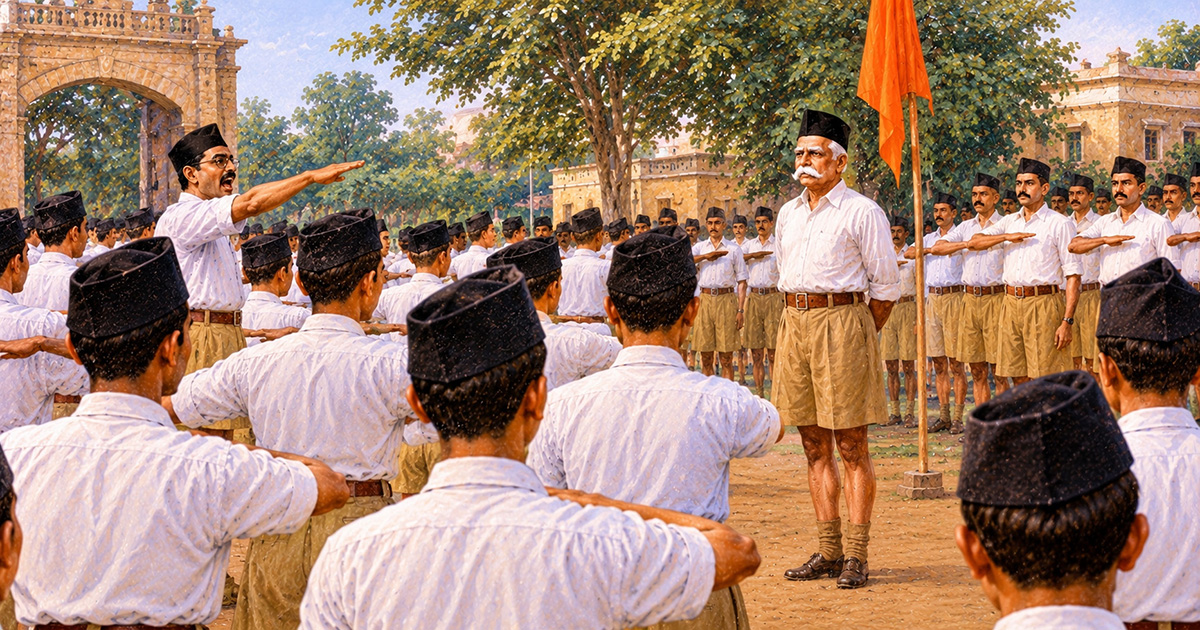
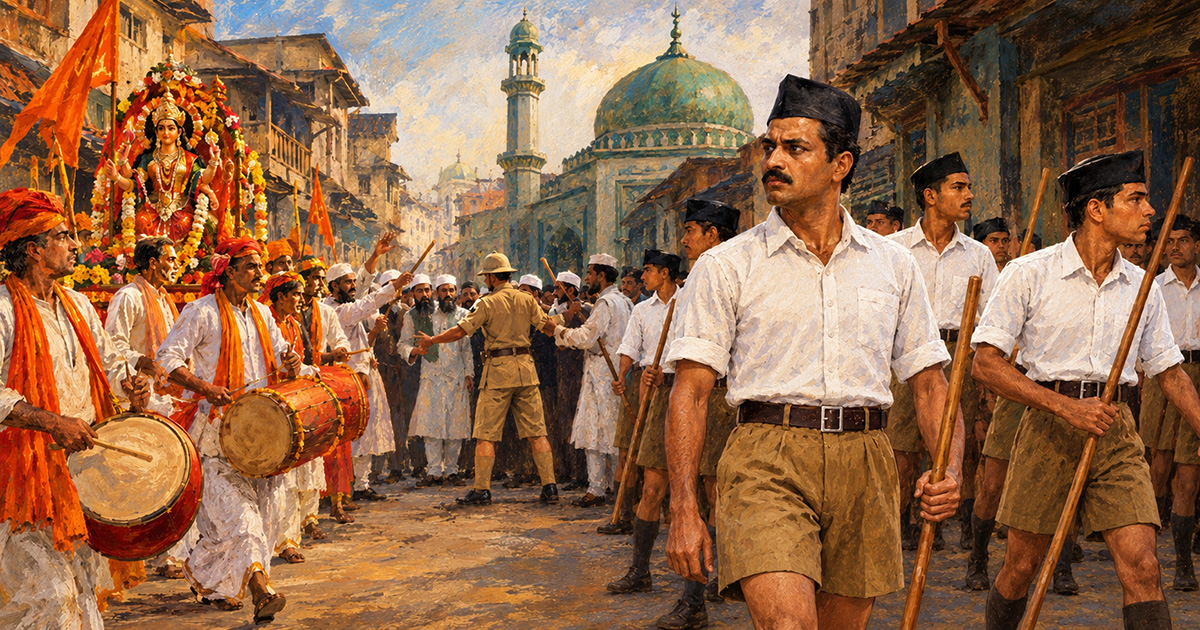
When Dr. K.B. Hedgewar was chosen as RSS's first Sarsanghchalak | This image is AI-generated
The evening of November 10, 1929, in Nagpur began just like any other day. At the Sangh Sthan in Mohitewada, all the swayamsevaks had gathered for their daily shakha. No one had any idea that an announcement made in the next few minutes would lay the foundation for a major change in the history of the Sangh. During the shakha, a command was given that immediately caught the attention of everyone present, including Dr. Hedgewar himself. The reason was that even he had no prior knowledge of this announcement. What exactly happened in Nagpur that evening that would determine the direction of the Sangh's leadership for years to come?
By October 1929, the country's political and social atmosphere was changing rapidly. The anti-Hindu riots in Nagpur in 1927, the assassination of Lala Lajpat Rai in 1928, and several other political and social developments had taken place. At the same time, the freedom movement was creating considerable unrest across society. During this period, the Rashtriya Swayamsevak Sangh was still in its early stages. Considering these circumstances, Dr. Keshav Baliram Hedgewar Ji had anticipated that the changing situation would also affect the organisation. In such circumstances, he planned to hold a meeting with the workers to ensure that the Sangh continued to move forward with discipline.
With this objective, on October 16, 1929, he sent a circular to the Sanghchalaks of all the Sangh's provinces. In the letter, Doctor Sahib wrote that a two-day meeting would be organised in Nagpur on November 9 and 10, 1929, to discuss how the Sangh could safely navigate the storm of upcoming political and social movements, what the Sangh's policy should be, and what plans should be made for the organisation's expansion. The presence of all Sanghchalaks was expected at the meeting. Doctor Sahib also asked all the Sanghchalaks to bring along a few prominent workers who had a deep sense of belonging towards the Sangh and could make useful contributions to the discussions.
After receiving Doctor Sahib's letter, all the workers arrived on time. On November 9, 1929, the meeting began at the monastery of Doke Maharaj in Nagpur. Several dedicated and hardworking Sangh workers were present, including Vishwanathrao Kelkar, Balaji Huddar, Appaji Joshi, Krishnarao Mohirir, Tatyaji Kalikar, Bapurao Muthal, Babasaheb Kolte, Devaikar from Chanda, and Martandrao Jog. The meeting discussed the prevailing situation in the country, the state of mind of society, and ways to expand the Sangh. A major challenge lay ahead: if political and social movements intensified, how would the Sangh maintain its organisational unity?
As the discussions progressed, an important point emerged. The workers felt that clear leadership and decision-making were essential for the rapid expansion of the Sangh. Following this discussion, it was decided that the Sangh would adopt the principle of “Ekachalakanuvartitva”. This meant that the direction of the organisation would be determined through one central leader, whom the swayamsevaks would follow with discipline.
The decision had been taken at the meeting, but the real story was yet to unfold. On the final day of the meeting, November 10, 1929, an evening gathering was organised at the Mohitewada Sangh Sthan, where the workers who had attended the meeting joined all the swayamsevaks of Nagpur. All the Sanghchalaks and other workers were standing with their backs towards a large stone gateway at the Sangh Sthan in Mohitewada. Doctor Hedgewar Ji was standing near the flag at the Sangh Sthan, observing the scene. Just then, announcing the decision taken at the meeting, Appaji Joshi gave a loud command to the swayamsevaks, "Sarsanghchalak Pranam — 1, 2, 3!"
As soon as they heard the command, all the swayamsevaks simultaneously saluted Dr. Hedgewar Ji. Following this, Vishwanathrao Kelkar delivered an inspiring speech, explaining the concept of “Ekachalakanuvartitva” in the Sangh.
As soon as the programme ended, Dr. Hedgewar called Appaji Joshi to his side and expressed his displeasure. This was because Doctor Sahib had never harboured any ambition for respect, recognition, or position. His only concern was to take the Sangh forward in the service of the nation. Therefore, he told Appaji Joshi that he did not like the fact that something had been done without being decided in advance. Another reason for Doctor Sahib's objection was that he did not know how he could accept salutations from colleagues who were older and more respected than him. Appaji Joshi then gave his response to Doctor Sahib. He explained that, for the convenience of organisational functioning, all the swayamsevaks had collectively decided to appoint him as the Sarsanghchalak.
Following this, a new leadership structure came into existence within the Sangh. Along with the position of Sarsanghchalak, responsibilities such as Sarkaryavah and Sarsenapati were also established to assist him. Dr. Hedgewar was entrusted with the responsibility of Sarsanghchalak, Balaji Huddar was appointed Sarkaryavah, and Martandrao Jog was given the responsibility of Sarsenapati.
Thus, on November 10, 1929, positions such as Sarsanghchalak, Sarkaryavah, and Sarsenapati were formally established within the Sangh. Although the responsibility of Sarsenapati was discontinued over time, positions such as Sarsanghchalak and Sarkaryavah continue to remain part of the Sangh's organisational structure even today.
Official Source: "Dr. Hedgewar Charit", Pages 208–209