Battle of Badgam: When Sepoy Diwan Singh Danu Defended Srinagar Against Pakistan Raiders
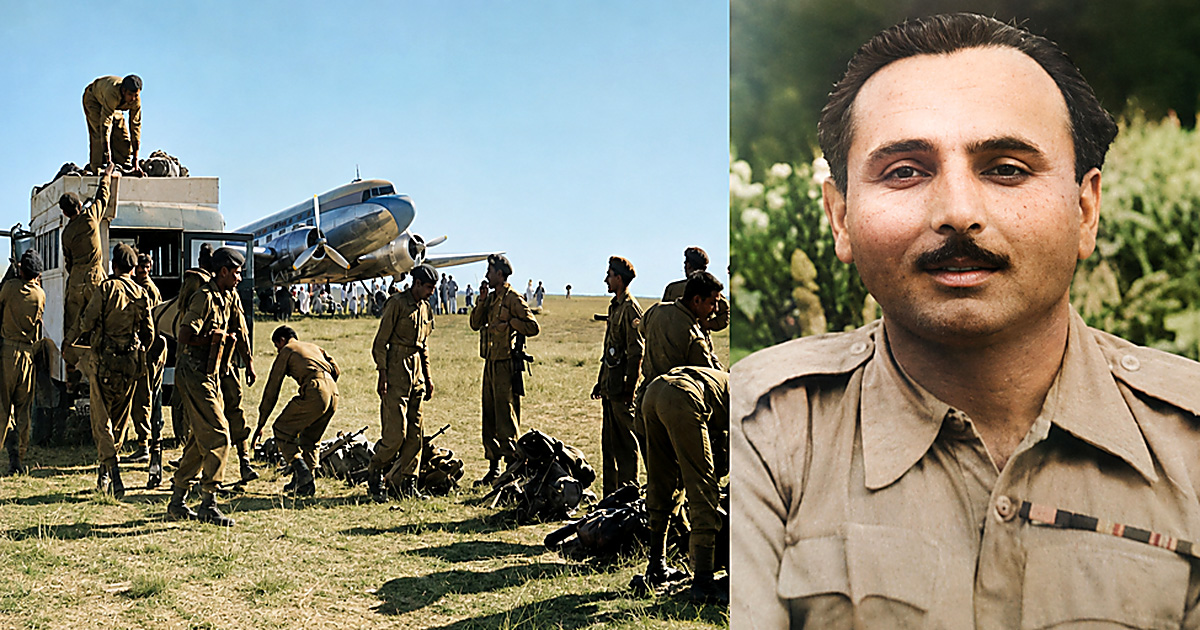
On the morning of November 3, 1947, Diwan Singh Danu took position at Badgam along with his company. By 11 a.m., they were prepared to stop the Pakistani attackers advancing towards Srinagar.

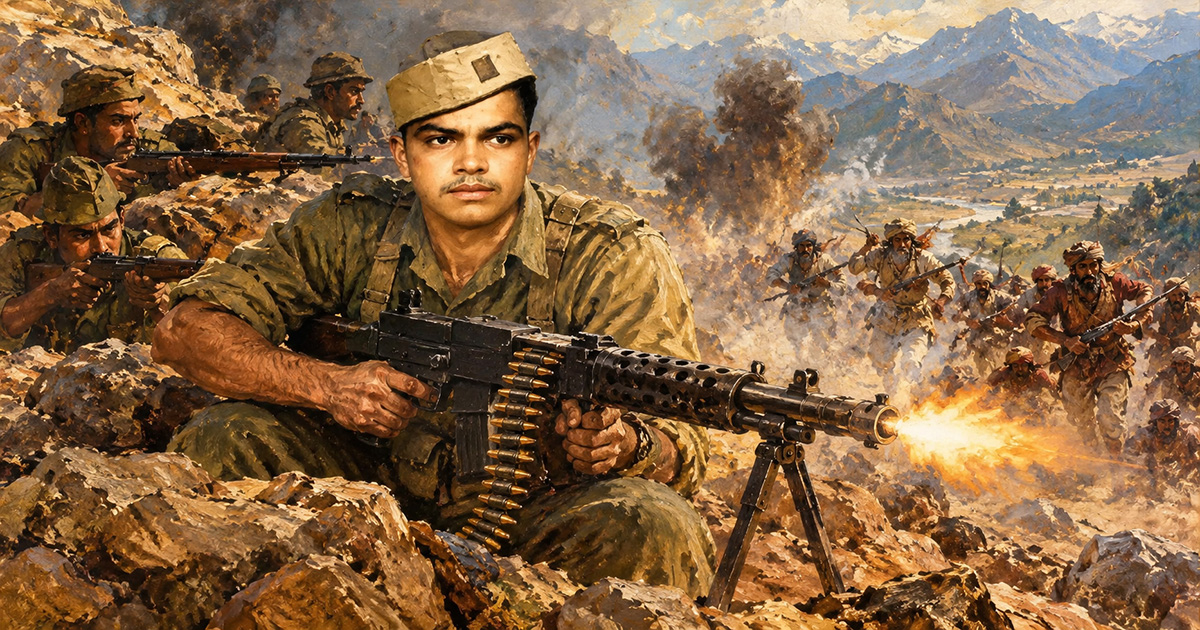
MVC Diwan Singh Danu | This image is AI-generated
Following India's independence and partition in August 1947, Pakistan launched Operation Gulmarg—a covert military plan to annex the princely state of Jammu & Kashmir by sending armed tribal raiders across the border. The primary objective of the raiders was to capture the Srinagar Airfield, the only lifeline connecting the valley to the rest of India. If the airport fell, India would be unable to airlift troops or supplies, losing control of the valley entirely. During the Battle of Badgam, Sepoy Diwan Singh Danu (also spelled Dewan Singh) played a heroic, legendary role as the No. 1 Bren Gunner for his platoon within D Company, 4th Battalion, Kumaon Regiment. That day, he fired his gun in such a way that it turned the entire battle in India's favour.
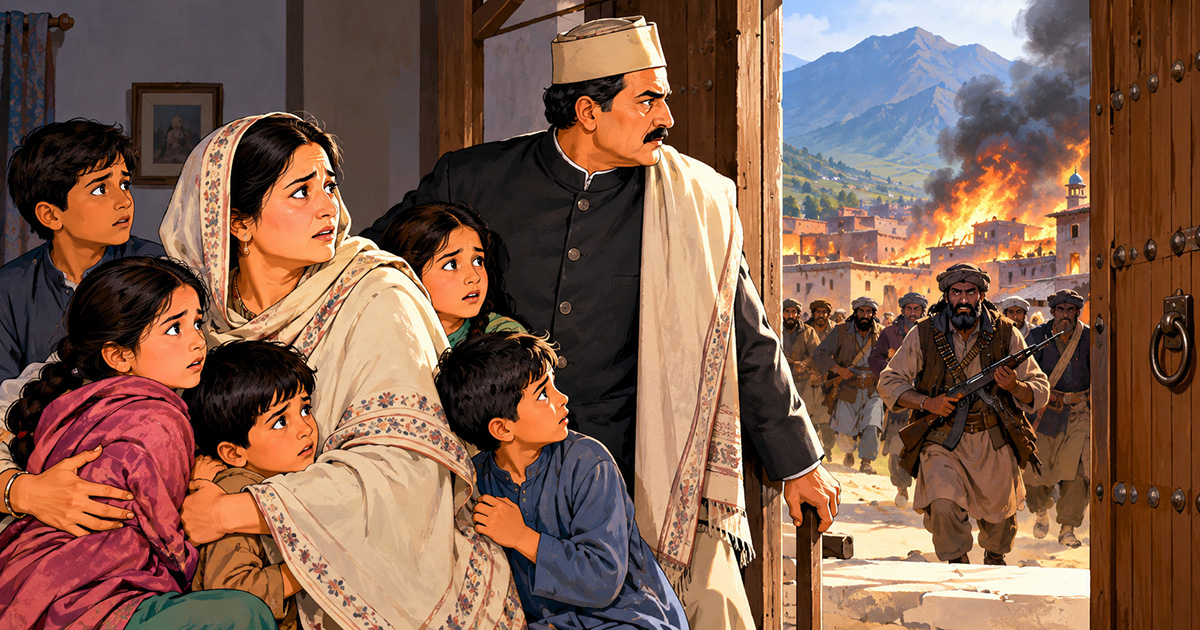
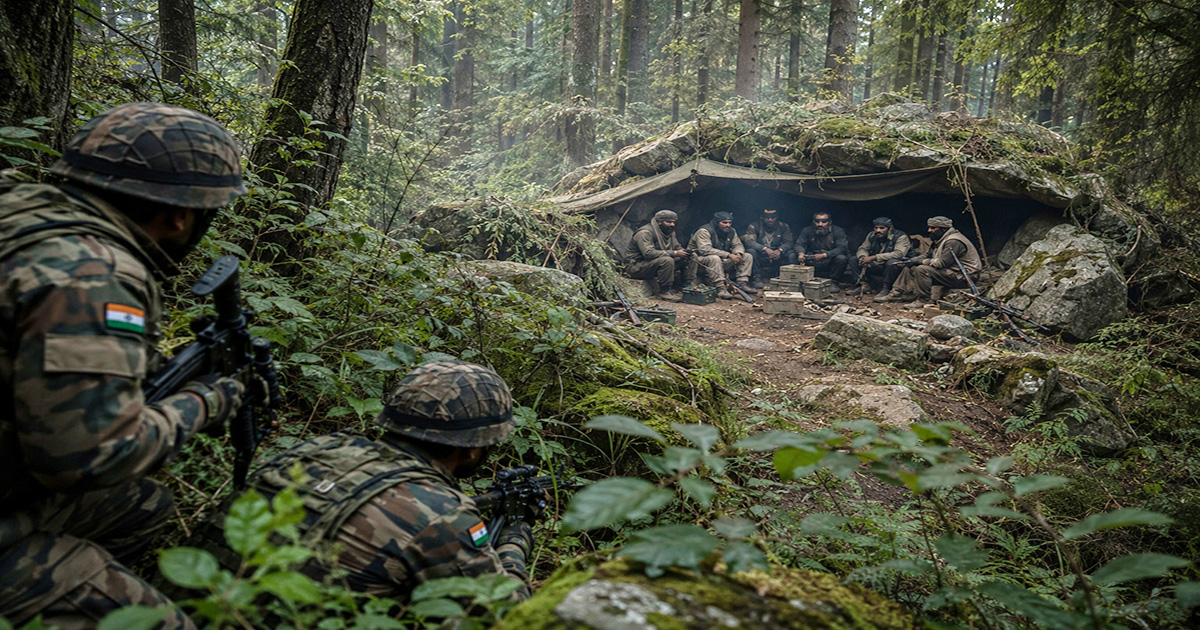
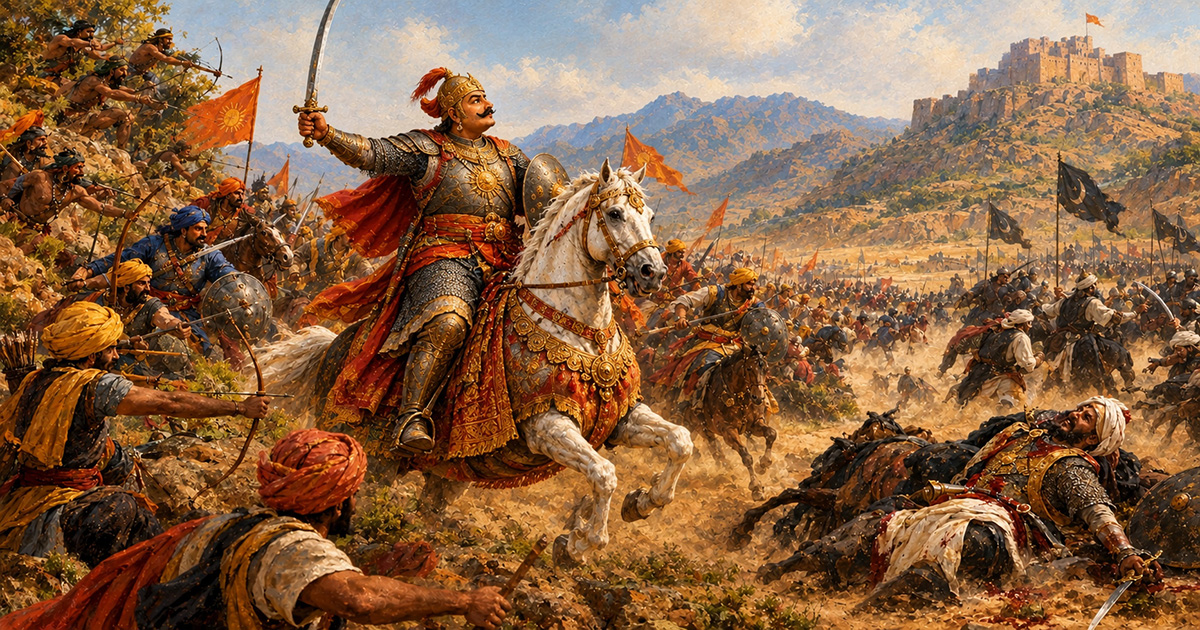
On the morning of November 3, 1947, Diwan Singh Danu took position at Badgam along with his company. By 11 a.m., they were prepared to stop the attackers advancing from the north. That was when more than 500 Pakistani tribal raiders launched an attack from three sides. Their target was the 55 soldiers of Delta Company, 4 Kumaon Regiment, who were deployed at the defensive position. The tribal raiders unleashed heavy mortar fire and a hail of bullets. But Bren gunner Diwan Singh came forward like a shield for the Indian soldiers. He remained firmly in position with his gun and continued to provide cover for his comrades while trying to stop the enemy's advance.
Diwan Singh knew that if Pakistani soldiers disguised as tribal raiders advanced beyond Badgam, they would capture the Srinagar Air Force Station. Securing the airport was extremely important, because everything else depended on it. The real test came when the heavily armed and vastly outnumbered tribal attackers launched fierce assaults intending to break through the Indian defensive line. The situation continued to worsen. The enemy kept moving closer, and seeing this, the platoon commander ordered the soldiers to retreat.
But Diwan Singh had never learned to retreat in his life. Sensing the danger looming over his comrades, he took a decisive and heroic step. Without caring for his own life, instead of retreating with his Bren gun, he moved forward to provide covering fire. Resting the gun against his waist, he unleashed a devastating attack on the enemy, killing 15 tribal raiders. Under no circumstances did he want to let the raiders advance further into Badgam until additional troops arrived.
The battle had now become even more intense. Diwan Singh was not only striking at the enemy with his Bren gun, but was also encouraging his comrades and helping them maintain their defensive positions. But in the midst of the battle, an enemy bullet struck his shoulder. He was badly wounded. Blood began pouring from his body. Yet he did not stop firing. The enemy came extremely close and surrounded him from three sides, but he continued firing the Bren gun. Then more bullets struck his body, but his hand remained on the trigger of the gun until the very end.
He managed to hold the enemy back for six hours, until another contingent of the Indian Army could reach Badgam. But, having suffered severe injuries, Sepoy Diwan Singh made the supreme sacrifice while defending his motherland on November 3, 1947, at just 24 years of age.
In recognition of the extraordinary bravery and supreme sacrifice of Diwan Singh Danu, the Government of India posthumously awarded him the Maha Vir Chakra on January 26, 1950. Even today, his story of bravery reflects the sense of duty of every Indian who considers the defence of the nation their highest responsibility. This is why, in the Battle of Badgam, his name continues to be remembered with courage, sacrifice, and devotion to duty.