How Major Sudhir Walia Fought 20 Pakistani Terrorists in Haphruda Forests of J&K?
The Indian Intelligence agencies got inputs about infiltration of Pakistani terrorist groups, Lashkar-e-Taiba (LeT) and Harkat-ul-Mujahideen (HuM) members inside the region.

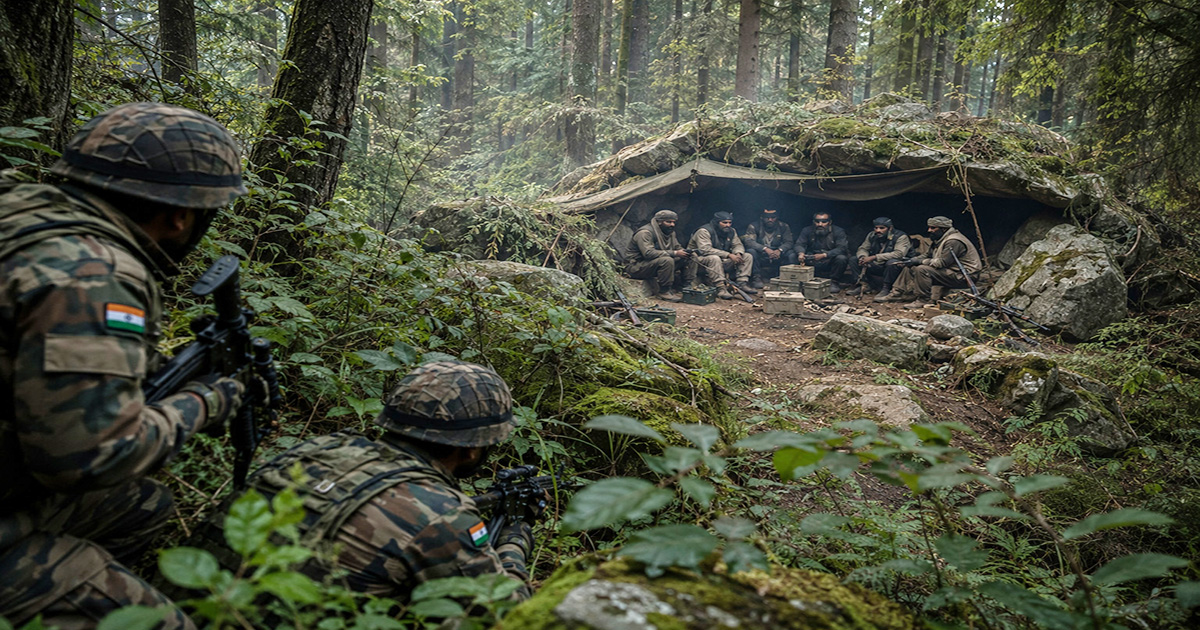
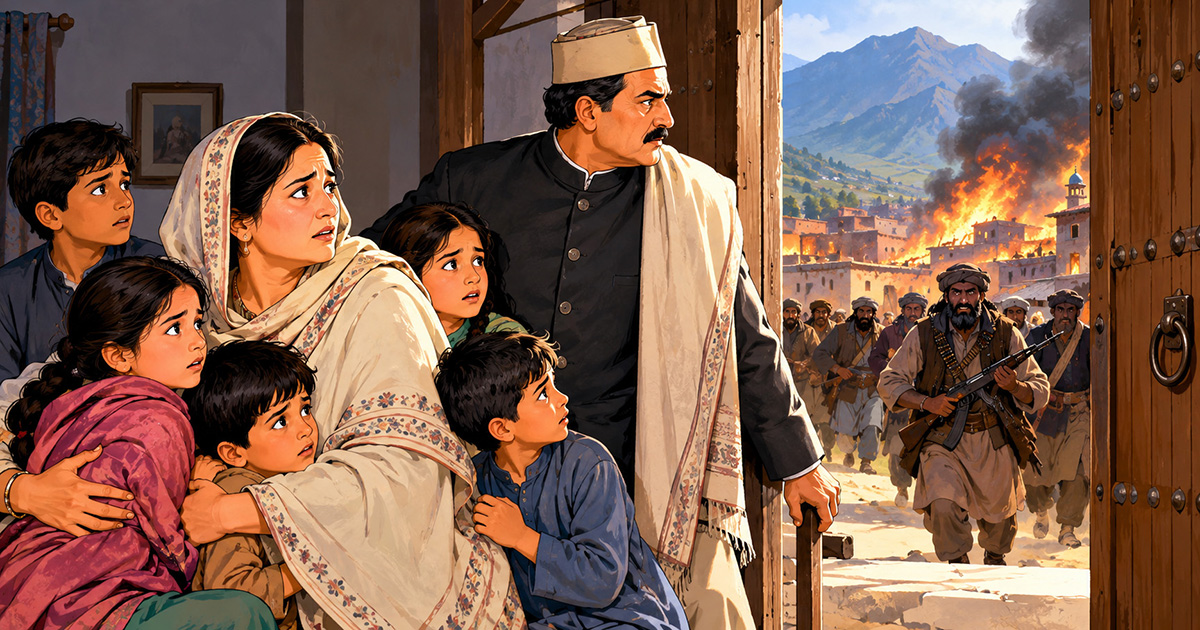
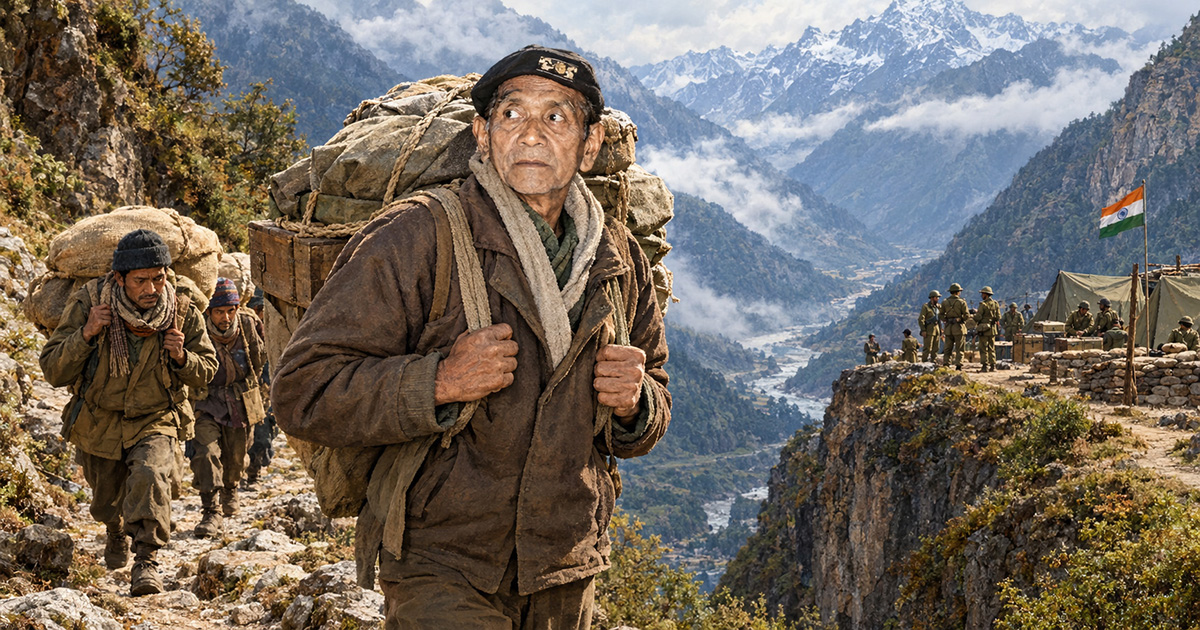
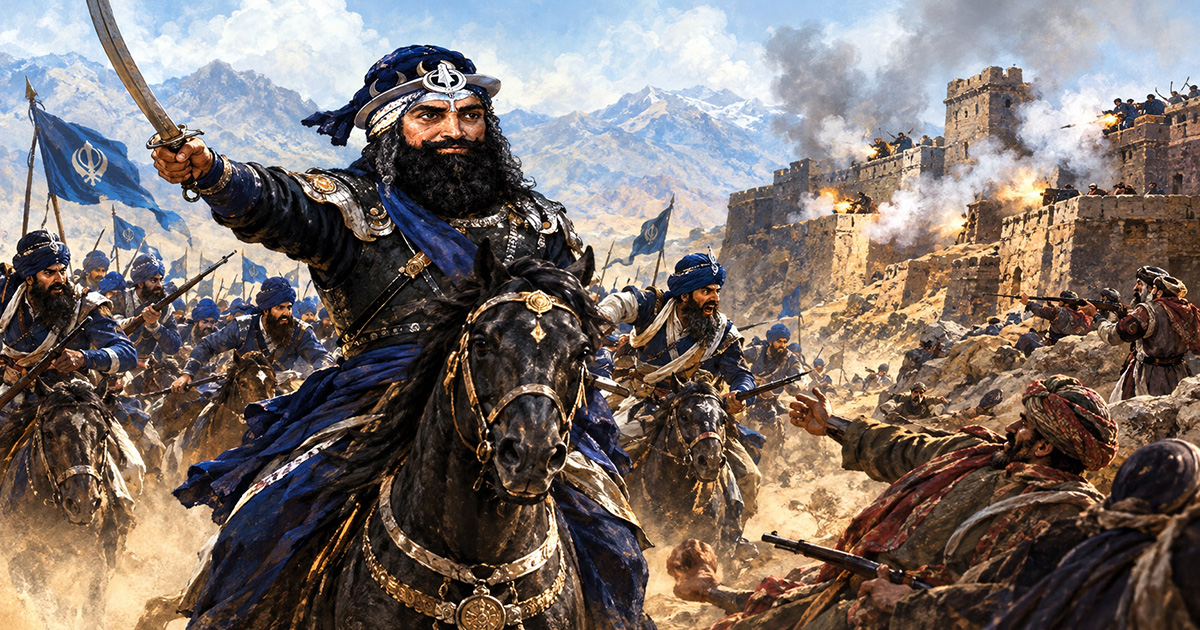
Major Sudhir Walia's last stand at J&K's Haphruda forests | This image is AI-generated
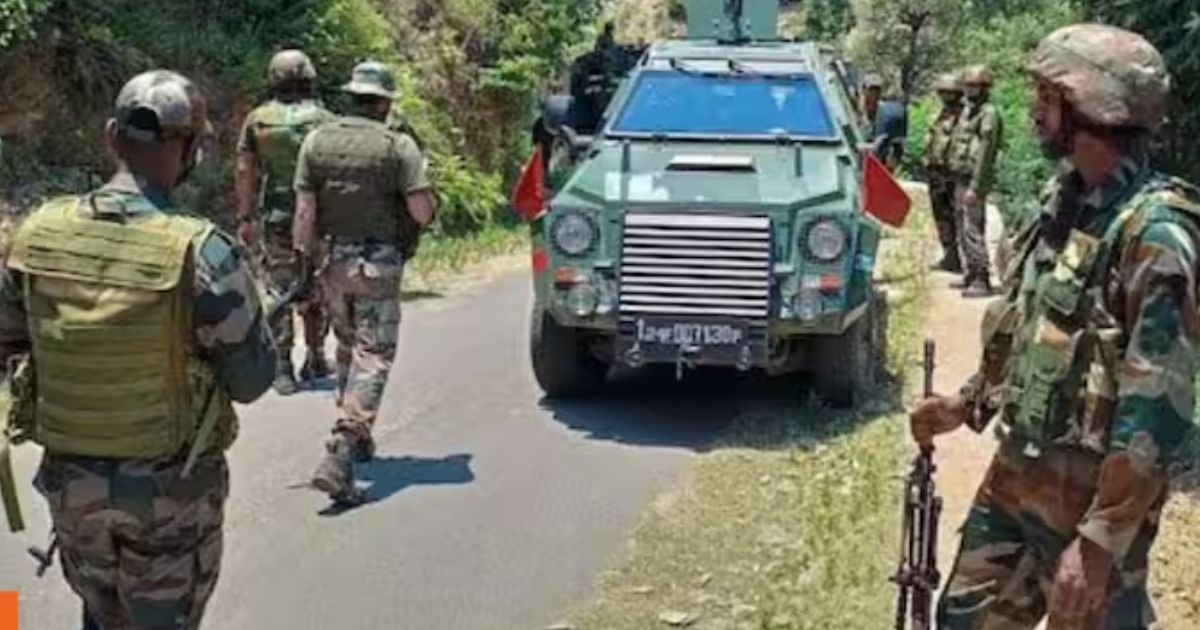
On 29th August 1999, in the months after the Kargil war ended, another threat emerged for India in the Haphruda forests of Kupwara, Jammu & Kashmir. The Indian Intelligence agencies got inputs about infiltration of Pakistani terrorist groups, Lashkar-e-Taiba (LeT) and Harkat-ul-Mujahideen (HuM) members inside the region. For India, the objective was clear: find out the terrorists and eliminate the threat. In this situation, Major Sudhir Kumar Walia of 9 para (Special Forces) led the operation in the Haphruda forests. Without any kind of hesitation, he led the team of five small men to eliminate the terrorists inside the Valley’s most treacherous forested area. The thick foliage, steep slopes, and the terrain made every step dangerous. The dense canopy concealed not only the terrain but also an enemy prepared to fight to the death.
The team cautiously advanced towards the forests, and they suddenly figured out a well-camouflaged hideout concealed amid the forests. Inside, there were about 20 heavily armed terrorists. The surprise element lasted only a few moments. Major Walia and his team realized that any delay could allow the terrorists to disperse into the forest and threaten both the civilians and security forces. Major Walia made a bold decision: without caring about his own safety, he charged toward the hideout, closing the distance within a few miles of the terrorists.
Then, a fierce exchange of shots began. In the close quarters, the battle continued. Major Walia personally confronted the terrorists. He killed several terrorists while neutralising sentries and blocking the escape routes. While engaging in the battle, the bullets tore through his face, chest, and arm. But he absolutely refused to evacuate.
Despite being injured and bleeding heavily, he remained steady on the battlefield. He maintained radio communication with his team members, giving them instructions and making sure that all the terrorists got systematically cornered and neutralized. Major Walia’s determination transformed a desperate firefight into a successful operation.
When the objective was completed and the threat was eliminated, Major Walia finally succumbed to his grievous wounds. He had chosen duty over his own survival, leadership over his own safety, and sacrifice over retreat. Thus, he upheld the noblest traditions of the Indian Army and left behind a heritage that continues to inspire generations to come.
For his unparalleled bravery, unwavering determination, and ultimate sacrifice in the midst of highly unfavorable conditions, Major Sudhir Kumar Walia was awarded the Ashok Chakra on 26th January 2000, the highest gallantry award of India in peacetime. His last stand on the shadowy terrain of Haphruda stands as testimony to the dedication of those who safeguard others in order to live in peace.