The Diwali of 1762: When Sikhs Chose the Auspicious Occasion to Avenge “Vadda Ghallughara” & Took on Afghan Ruler Ahmad Shah Abdali
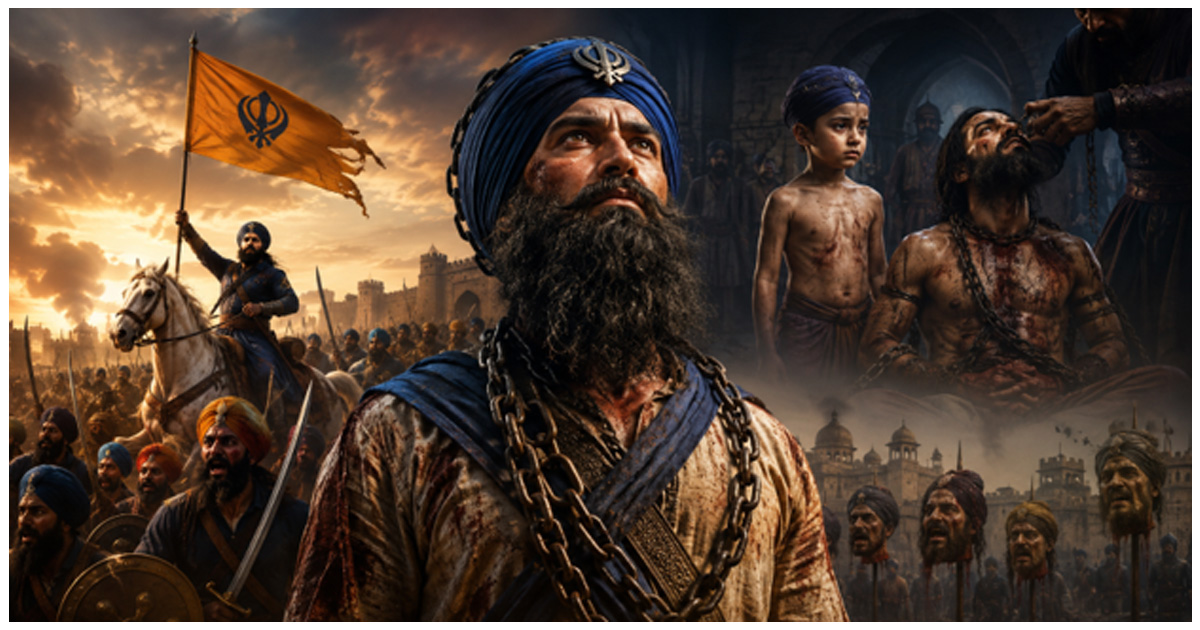
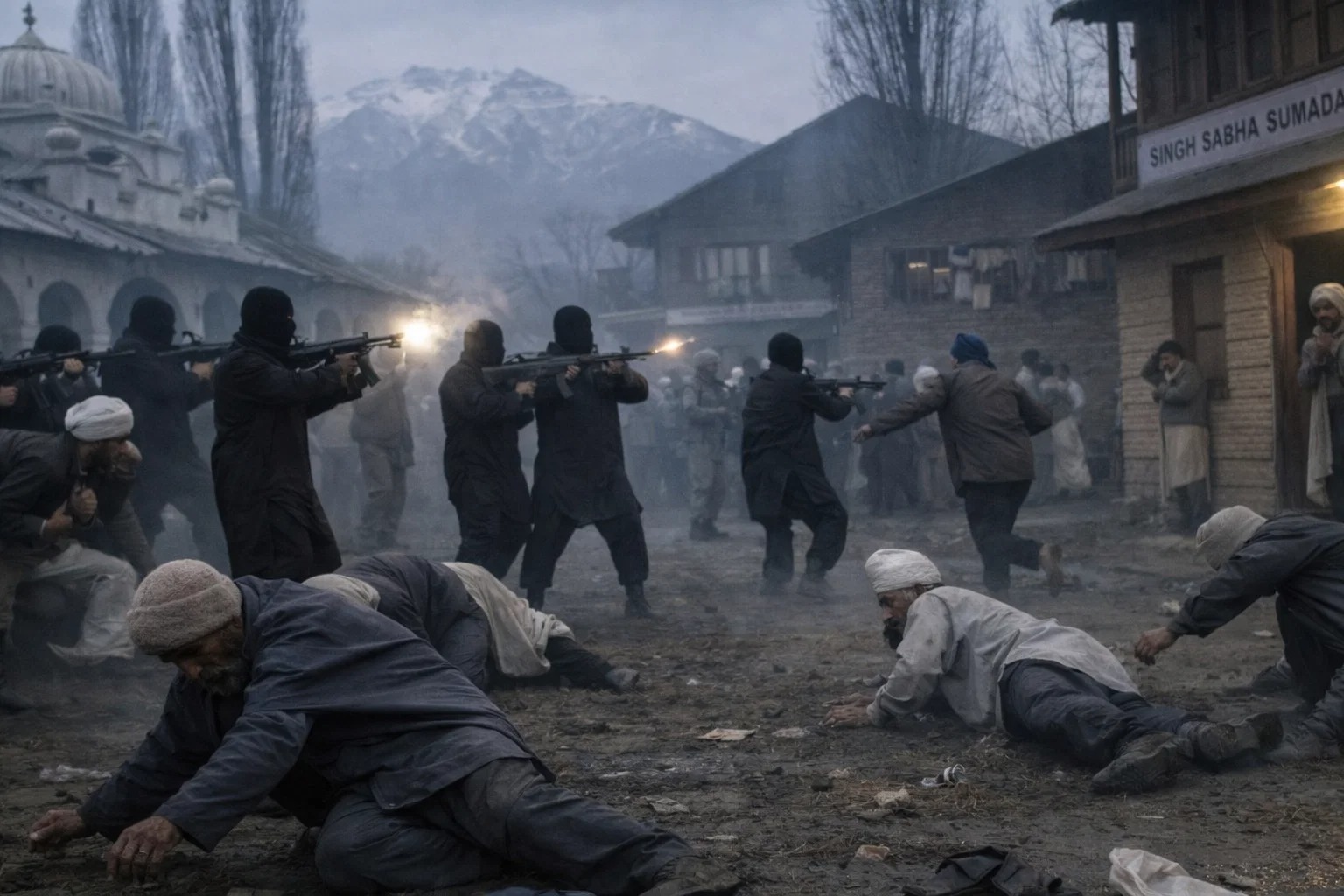
On February 5, 1762, at Kup-Rohira in Punjab, Abdali’s forces massacred a large Sikh gathering. The brutal slaughter came to be known as the Vadda Ghallughara, or the Great Holocaust.

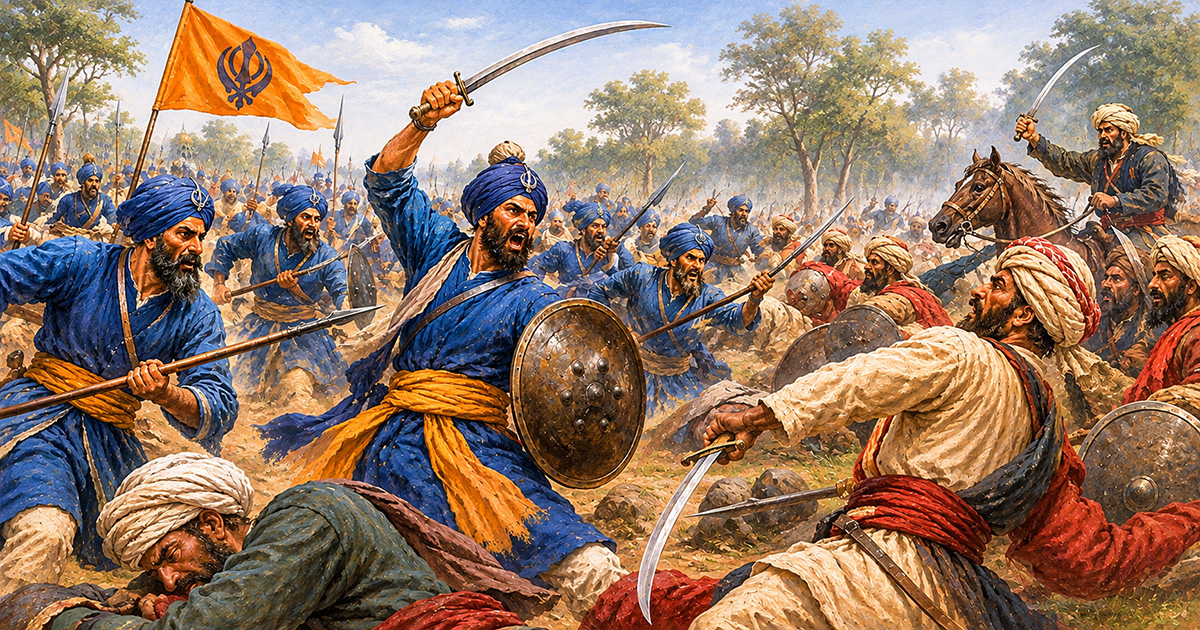
Sikhs' Diwali revenge of 1762 | This image is AI-generated
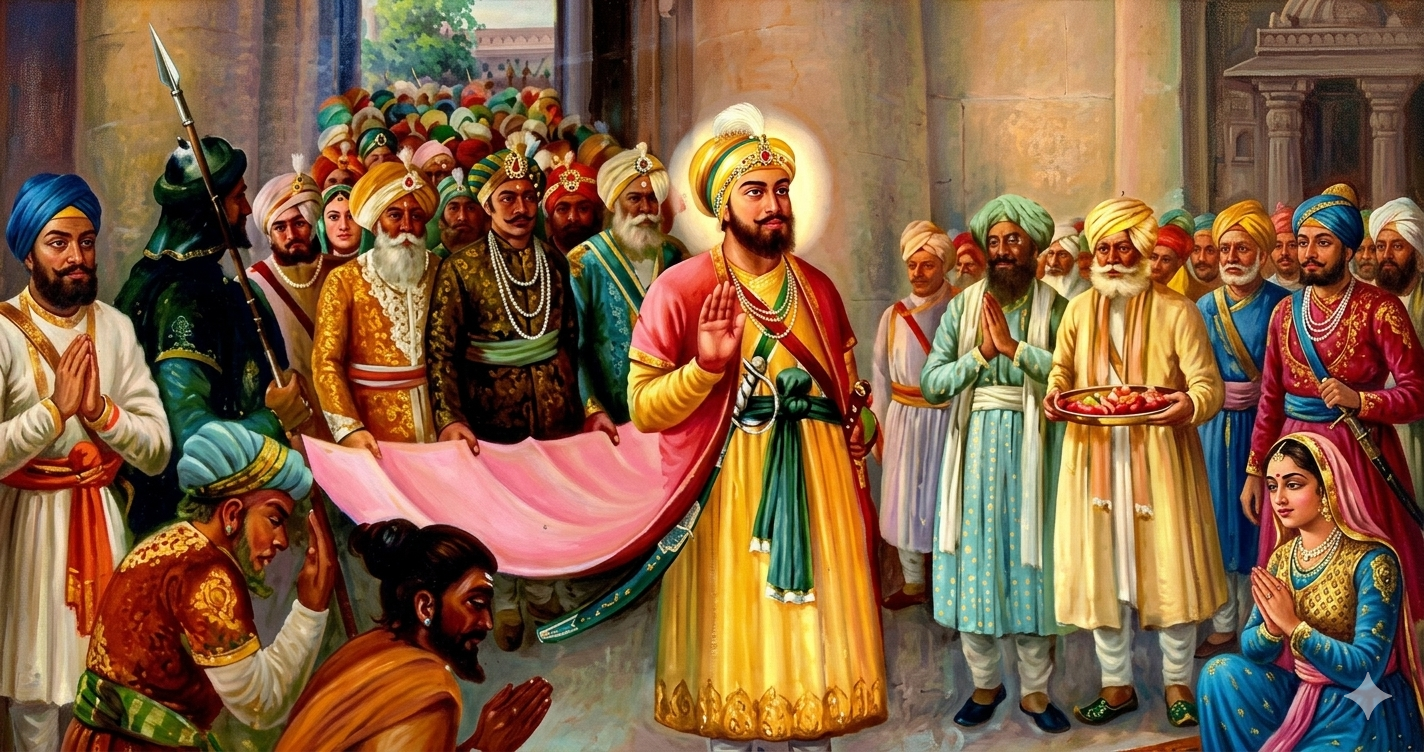
In India, Diwali carries a special historical and spiritual significance. The entire nation illuminates to celebrate Lord Ram’s return to Ayodhya after 14 years in exile. Along with that, it was during Diwali that Guru Hargobind Sahib Ji returned to Amritsar after his release from Gwalior Fort in 1619 CE, making the festival of Diwali extra monumental for the Sikh community. But in 1762, Diwali arrived at a moment when the Sikh community was carrying the wounds of one of the darkest massacres in its history: Vadda Ghallughara—the greatest holocaust in Sikh history. Just eight months before Diwali, the Afghani forces of Ahmad Shah Abdali massacred tens of thousands of Sikhs. Yet, as Diwali approached on October 17, 1762, the Sikhs used that very auspicious occasion to avenge Vadda Ghallughara. This incident later came to be known as the Battle of Amritsar, a remarkable confrontation in which Sikh courage, determination, and military resolve forced the Afghan ruler to retreat.
The prelude to the Battle of Amritsar goes back to the early months of 1762, when Afghan ruler Ahmad Shah Abdali destroyed the Sikh community through one of the most devastating campaigns of his invasions of Punjab. On February 5, 1762, at Kup-Rohira in Punjab, located near Ahmedgarh in the Sangrur district of Punjab, approximately 187 kilometers away from Amritsar, his forces caught a large Sikh gathering that included women and children, resulting in a brutal slaughter that came to be known as the Vadda Ghallughara, or the Great Holocaust. Abdali did not stop here. He subsequently moved to Amritsar, destroying the Harmandir Sahib and desecrating its sacred pool with cow carcasses. The devastation broke the Sikh community to the core, but the determination to avenge it burnt like fire in their hearts. By the autumn of 1762, the surviving Sikh Misls had regrouped, rebuilt their strength, and gathered once again at their holiest city—Amritsar, on the eve of Diwali. The Sikh warriors stood at the exact place where Ahmad Shah’s forces had desecrated the Harmandir Sahib. The ruins of Amritsar were therefore not simply the backdrop of the forecoming battle; they were a reminder of what had happened and a source of determination for the men who had gathered there.
Vadda Ghallughara, or the Great Holocaust of Sikhs by the Afghans | Image Source: The Sikh Encyclopedia
Led by Sardar Jassa Singh Ahluwalia, the Jathedar of the Ahluwalia Misl and the Supreme Military Commander of the Dal Khalsa, the 60,000 horse- and foot-strong Sikh force assembled at Amritsar on the Diwali eve. Intimidated by the bravery of the Sikh warriors, Ahmad Shah Abdali first chose to send an envoy to the Sikh gathering with proposals for a peace treaty. But the Sikhs rejected his offer, insulting him and making it clear that they were unwilling to accept peace on the Afghan ruler’s terms. Insulted, Abdali therefore marched his forces towards Amritsar, and the confrontation that the Sikhs had been prepared for became inevitable.
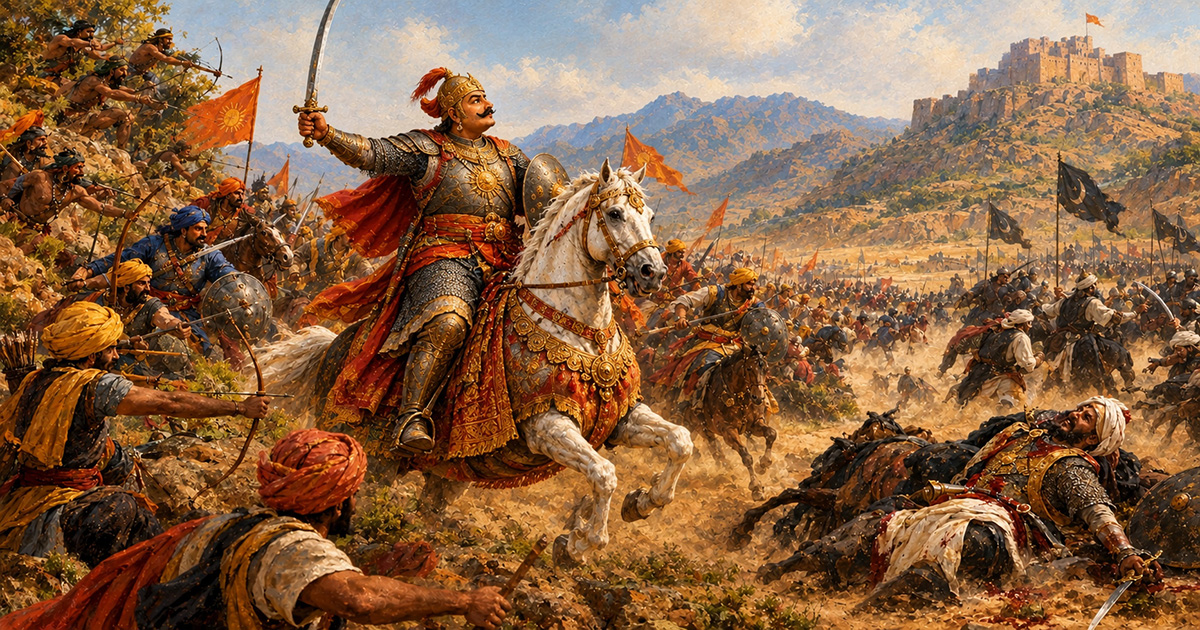
On the morning of Diwali on October 17, 1762, the Sikh forces took their position around Amritsar and resolved to "pledge their national existence" on the outcome of the confrontation. The battle that followed was fierce. The Sikh warriors, filled with what Sikh tradition describes as bir-rasa—the spirit of bravery—repeatedly engaged the Afghan troops and refused to surrender. The fighting continued through the day, with close-range combat becoming an important feature of the engagement. Swords and spears were brought into the fighting as the two forces clashed with extraordinary intensity. The determination of the Sikh warriors was visible in the ferocity with which they fought, and the Afghan forces were unable to achieve the decisive victory that they had presumably thought they would.
Then, in the middle of the battle, the skies over Punjab produced a spectacle that made the already extraordinary day almost unforgettable. A little before half past one in the afternoon, while the battle was still underway, the Sun began to disappear as a total solar eclipse passed over northern India. The light faded, and the battlefield was plunged into darkness. The Sikh warriors interpreted the darkness as a favourable omen. The Afghans, however, believed the eclipse was a bad omen. The Sikhs and Afghans were now fighting in the "grey light of a sun in total eclipse."
The battle of Amritsar on Diwali, 1762 | Image Source: Punjab Art Gallery
As darkness spread across the battlefield, the psychological balance of the battle began to favour the Sikh warriors. They did not lose their direction or their courage. They continued fighting Abdali's army in the strange grey light that had descended upon Amritsar. The battle continued for hours, and the Sikh resistance gradually placed increasing pressure on the Afghan forces. As evening approached, the strange daylight created by the eclipse gave way to the darkness of night. The Sikhs then carried out a strategic withdrawal towards the Lakhi jungles, near Bathinda (180 kms from Amritsar). The terrain of the jungles offered them greater security and made it difficult for Abdali to pursue them effectively. The Sikhs fought with enthusiastic and fierce courage, and their determination ultimately compelled Ahmad Shah Abdali to withdraw his forces towards Lahore, abandoning his attempt to crush the Sikh gathering.
For the Sikhs, therefore, Diwali of 1762 became much more than a festive gathering. It became a day on which a community that had suffered one of the worst massacres in its history returned to its sacred city on a sacred day and confronted the power that had attempted to destroy it. The Sikh warriors’ battle against the Afghani forces only amplified the true meaning of Diwali: triumph over darkness, triumph over evil.
Note: The information about Vadda Ghallughara and the subsequent battle of Amritsar has been taken from the book, A History of the Sikhs: Volume 1, authored by Khushwant Singh; along with a few other sources.