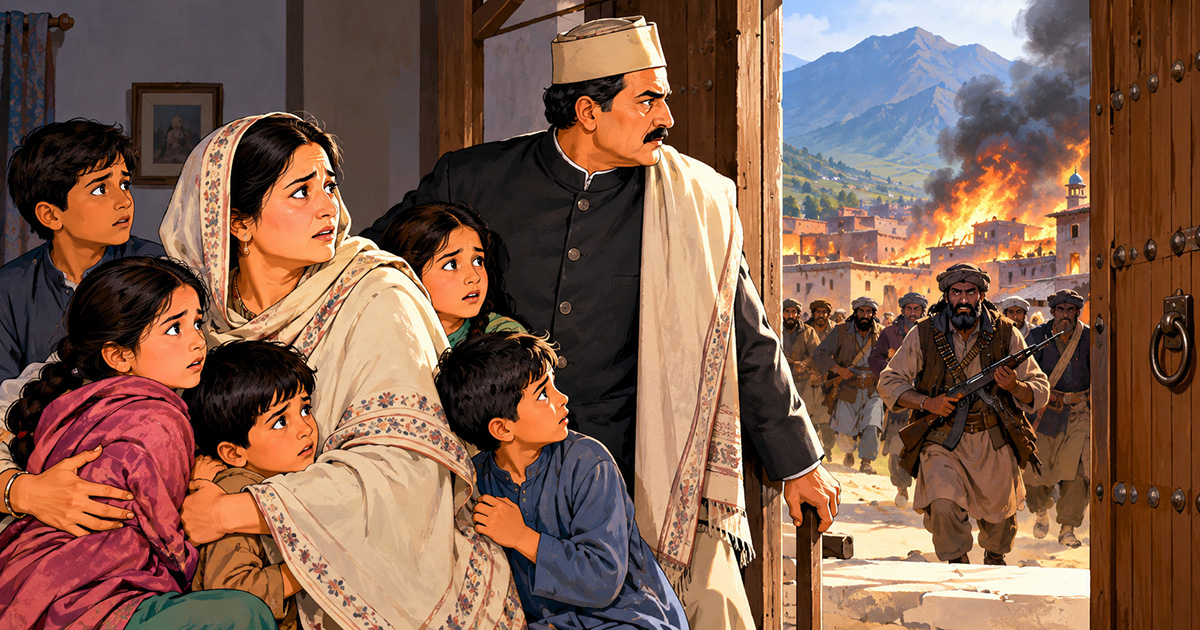
The Integration of Bhopal: When Nawab Hamidullah Khan, Who Sought to Fragment India, Faced Sardar Vallabhbhai Patel
Bhopal was located right in the geographic heart of India, surrounded by Maratha-origin states and sitting directly across the nation's key communication routes.

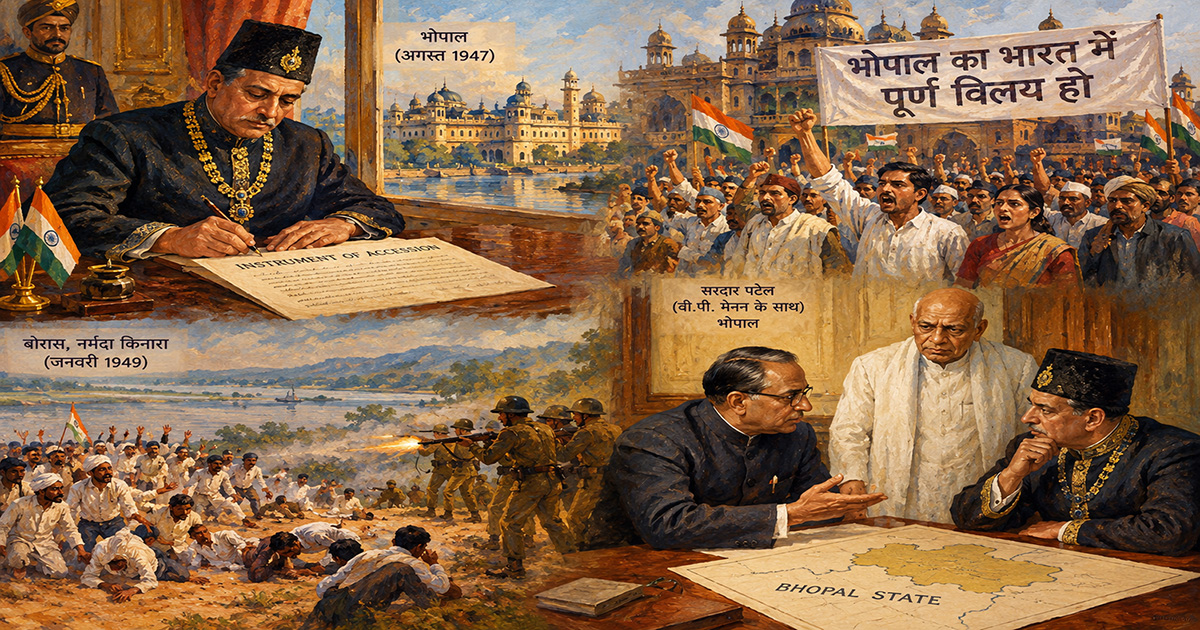
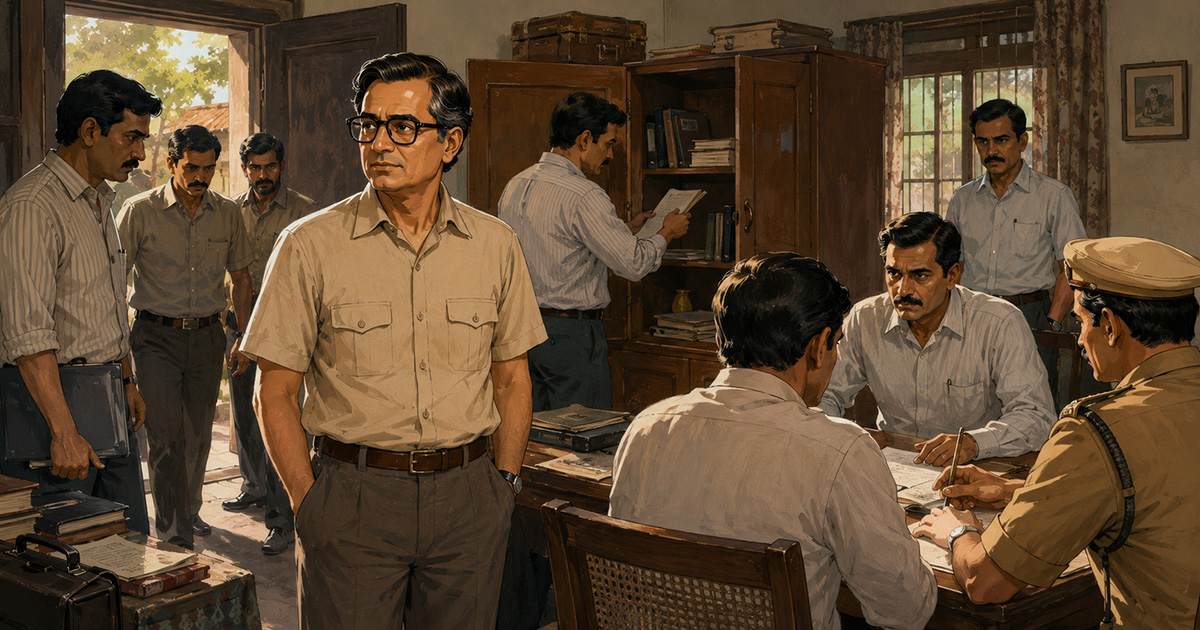
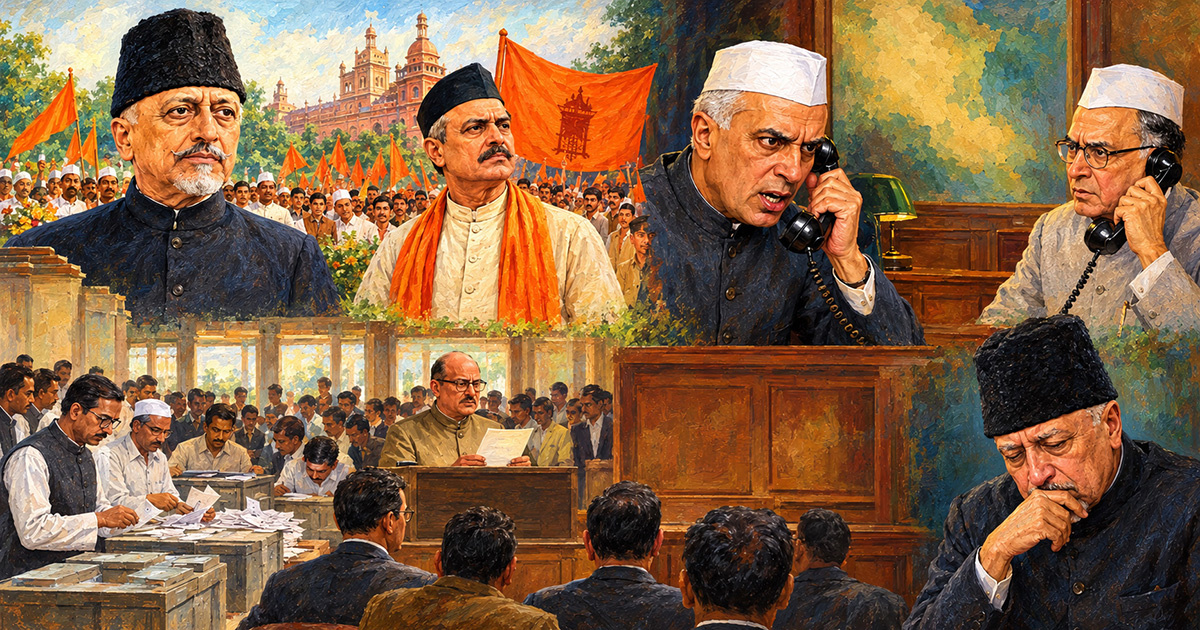
Sardar Vallabhbhai Patel and the Bhopal merger | This image is AI-generated
When India gained independence in 1947, Nawab Hamidullah Khan of Bhopal was one of the most influential rulers in the country, serving as the Chancellor of the Chamber of Princes. He dreamed of keeping his state independent and tried to rally other rulers into a "Third Force" outside both India and Pakistan.
However, Bhopal was located right in the geographic heart of India, surrounded by Maratha-origin states and sitting directly across the nation's key communication routes. Recognizing this strategic reality, Sardar Vallabhbhai Patel and his States Department Secretary V.P. Menon worked together to secure the state's integration. Knowing that the Nawab was a close personal friend of Lord Mountbatten, Patel and Menon utilized Mountbatten to persuade him that independence was unviable. In August 1947, Nawab Hamidullah Khan agreed to sign the Instrument of Accession, ceding control over defense, external affairs, and communications while retaining internal administration.
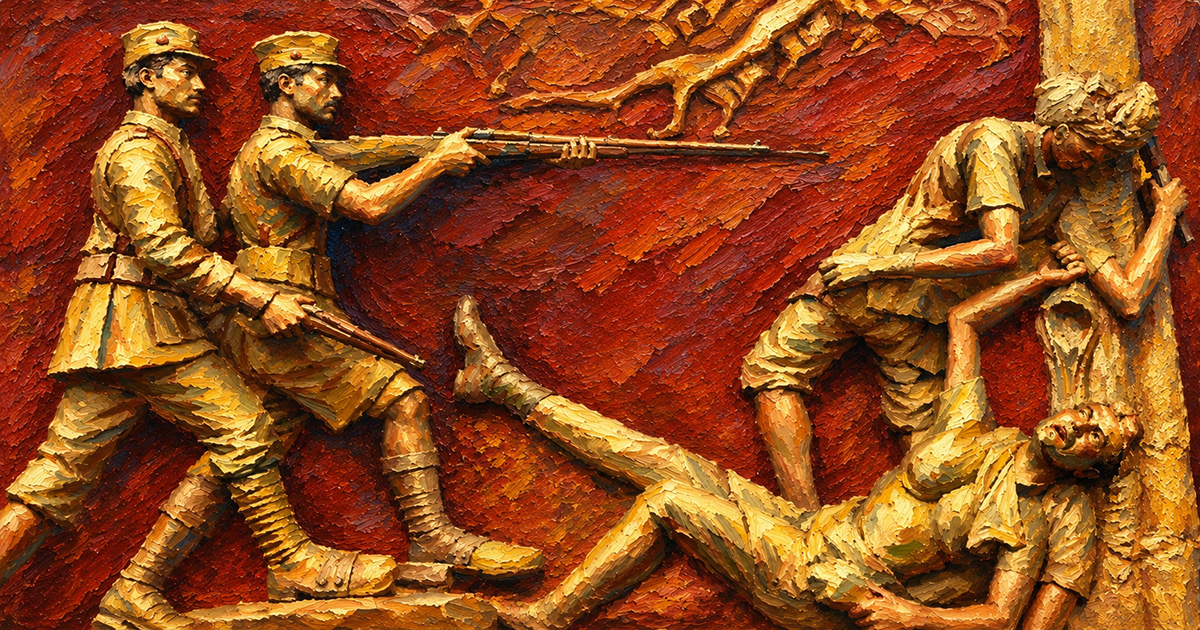
Despite the accession, the people of Bhopal wanted full democracy and unity with India, sparking the Vilinikaran Andolan or the Merger Movement. Protests erupted across the state, and the Nawabi administration responded by arresting key local figures, including future Indian President Shankar Dayal Sharma. Tensions reached a boiling point in January 1949 when Nawabi police opened fire on unarmed pro-merger demonstrators at Boras on the banks of the Narmada River.
The tragedy at Boras signaled that royal control was unraveling. Sardar Patel immediately dispatched V.P. Menon to Bhopal to conduct three days of firm negotiations. Menon rejected proposals for a local referendum and explained to the Nawab that Bhopal's geography, culture, and economy made a complete merger inevitable.
Realizing that his position was no longer sustainable, Nawab Hamidullah Khan signed the Bhopal Merger Agreement on April 30, 1949. On June 1, 1949, the Government of India officially took over Bhopal as a centrally administered Chief Commissioner's province, fulfilling Sardar Patel's mission to create a unified nation.