Phulaguri Dhawa (1861): Assam’s First Peasant Uprising and the Three Martyrs Who Defied the British
Inside the assembly, the peasants collectively decided to refuse to pay taxes until the British heard their grievances.

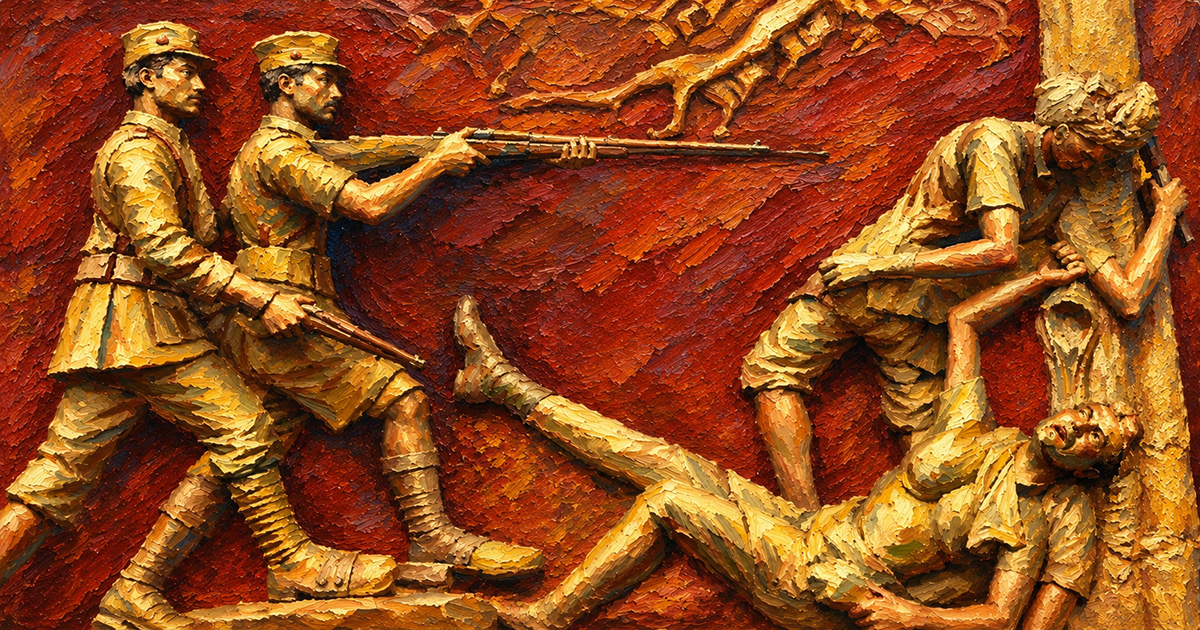
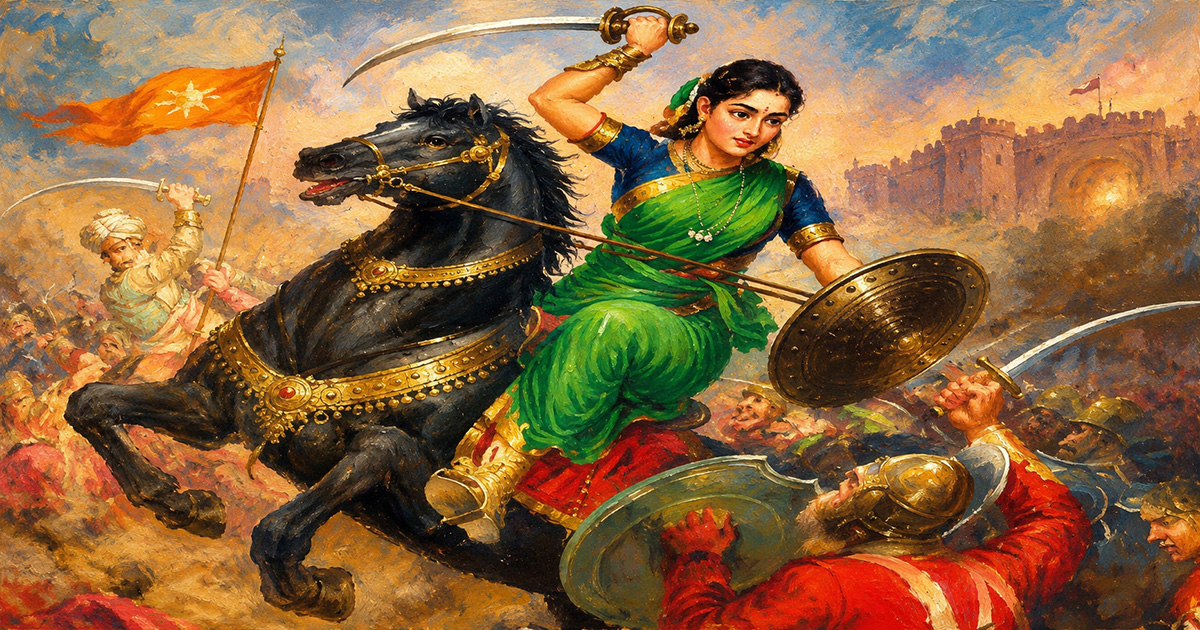
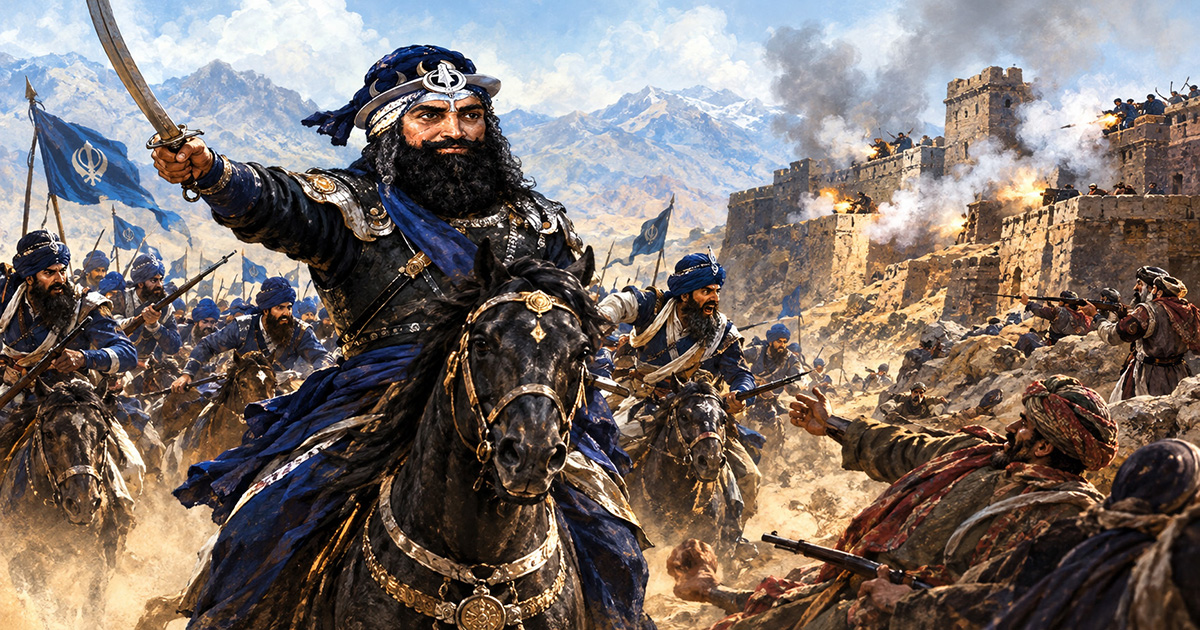
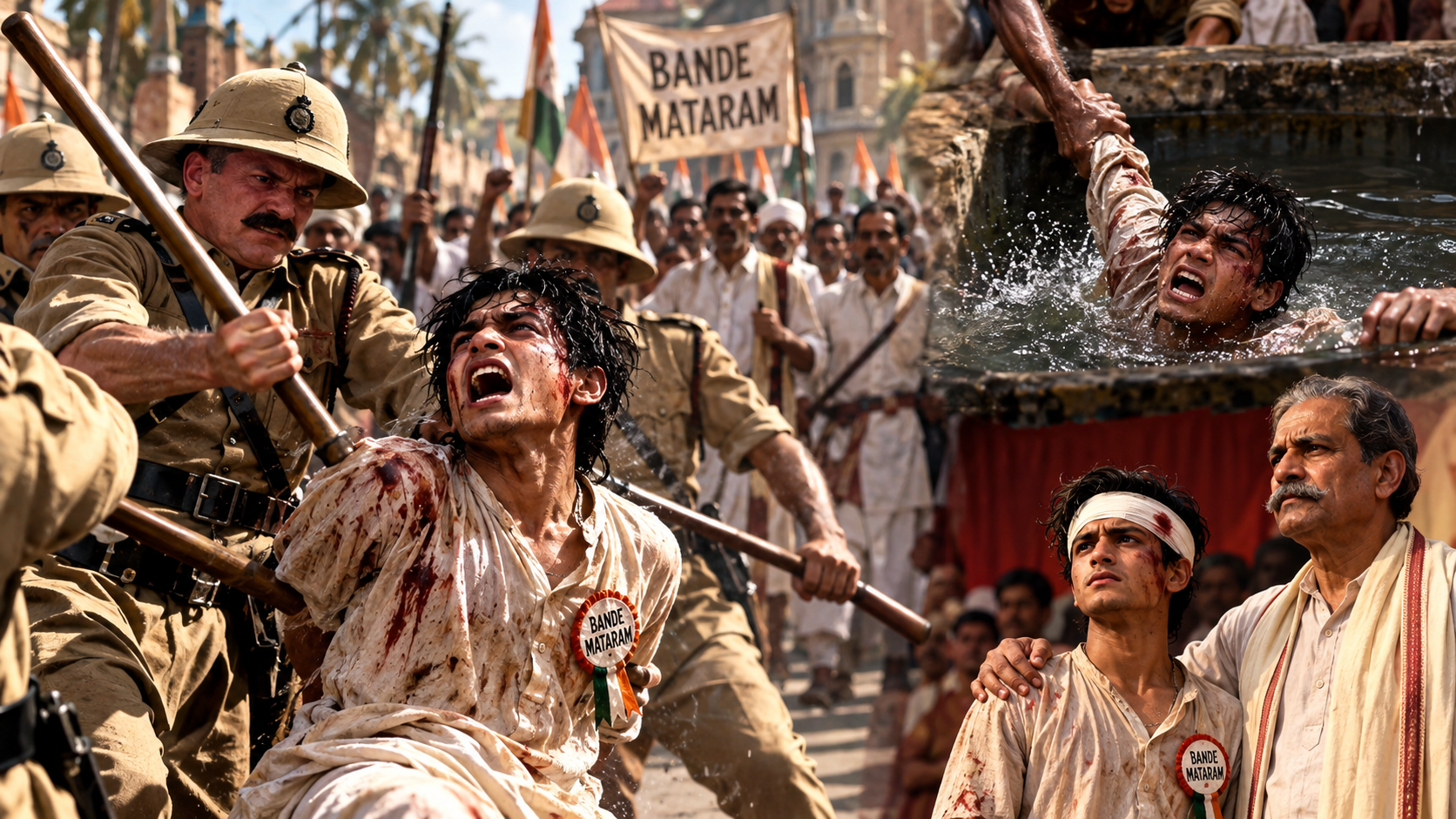
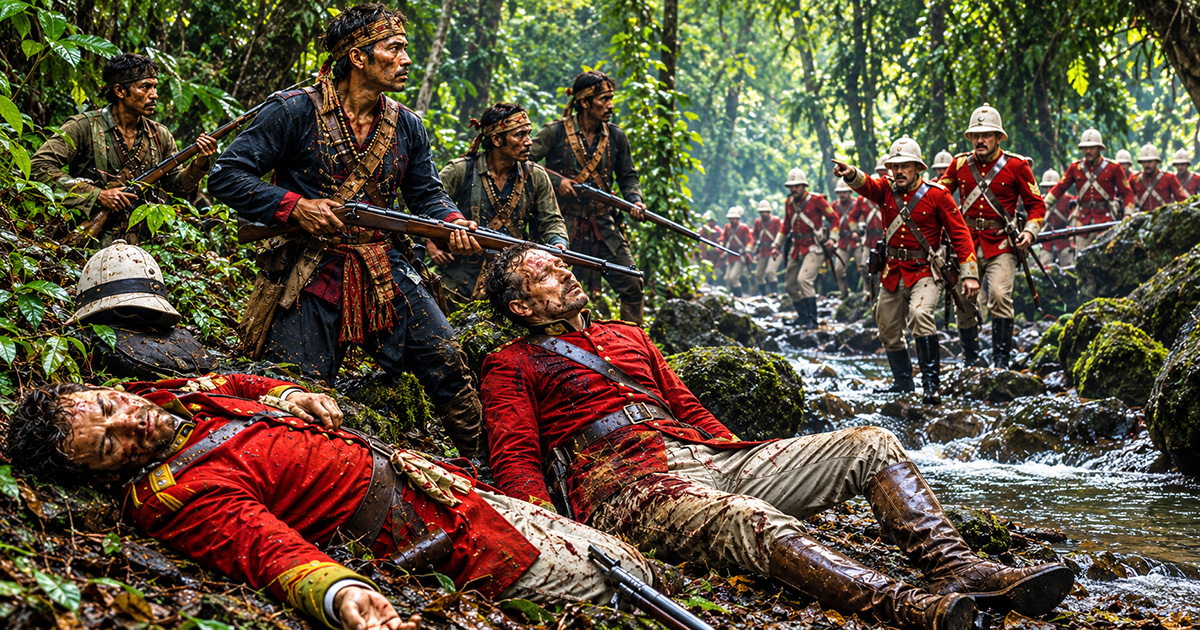
Assam’s First Peasant Uprising | This image is AI-generated
In 1861, beside the winding Kolong River in Phulaguri, Assam, life had once followed a rhythm set by the fields, the forests and the seasons. The Tiwa and Kachari Janjati communities had lived there for generations, following their own customs and traditions. But that rhythm was beginning to break. The British had banned poppy cultivation, forcing people to buy expensive government opium. A new residence tax made people pay simply for living in their own homes. And now came the fear that even tamul and paan, areca nut, and betel leaf would be taxed. The anger that had been building quietly was finally bringing villagers out of their homes and towards Phulaguri. People pay homage to martyrs of Phulaguri Dhewa | Image Source: Assam Tribune
By 15th October, peasants from surrounding villages were gathering beneath the shade of the Ahat trees for the Raij Mel, their traditional people's assembly. More kept arriving. Inside the assembly, the peasants collectively decided to refuse to pay taxes until the British heard their grievances. The gathering grew rapidly. By the following days, 3,000 to 4,000 people stood together, many carrying bamboo lathis for protection. The British saw an unruly crowd. The people saw their own assembly.
At the centre of this growing resistance stood Lakshman Singh Deka Senapati, Sangbar Lalung, and Rangbar Deka. They acted as operational commanders and key leaders of the rebellion, directly leading the peasant forces against the British administration. On 17 October, the British tried to break the movement before it could grow any further. Police arrived to arrest its leaders and disperse the gathering. But the crowd refused to let them go. Thousands surged forward, freed the arrested men, and forced the police to retreat. For the British, it was a startling sight: ordinary peasants had become powerful enough to stand between their leaders and the colonial police
The next morning, 18 October, British colonial officer Lieutenant G. B. Singer arrived with 20 armed policemen. The peasants believed this might finally be their chance to be heard. They tried to explain their grievances: the taxes, the ban on poppy cultivation. But Singer did not listen. He ordered the gathering to disperse. When the peasants refused, his men pushed into the crowd and began wrenching the bamboo lathis from their hands. The officer himself stepped forward. Hands pulled at bamboo. Voices rose. The peaceful assembly became a struggle. Then, in the chaos, a fisherman among the protesters struck Singer on the head with a lathi. The officer collapsed. His men fled, and his body was thrown into the Kolong River. Until that moment, Phulaguri had been a protest. But when the officer fell into the Kolong, it became something far bigger, the first major peasant uprising in Assam.
But the death of one British officer brought an entire colonial force down upon the villagers. Reinforcements arrived, and along the banks of the Kolong, British troops opened fire on the peasants. Thirty-nine were killed on the spot; another fifteen later died from their wounds. But the bullets were only the beginning. Phulaguri was placed under military occupation. Then the arrests began. Men were dragged from their villages, families watched their loved ones disappear, and 141 peasants were confined in temporary bamboo jails.
But Singer's death was only the beginning. The British now wanted the men who had led the uprising that soon turned into something even darker: a torturous regime across the Raha–Phulaguri region. They were no longer targeting only the men; even the women were not spared. British sepoys subjected women to sexual humiliation, touching their private parts and violating their dignity in front of their families and communities. The terror had entered the villages themselves. The people who had once gathered beneath the Ahat trees to discuss their future were now living with soldiers, arrests, humiliation, and fear.
The three leaders could not bear to watch their people, and especially the women of their villages, suffer such humiliation. They had brought their people together to resist the British; now they were watching that same community pay the price. They knew that the British were hunting them. They also knew what surrender could mean. Yet Lakshman Singh Deka Senapati, Sangbar Lalung and Rangbar Deka stepped forward and gave themselves up to the authorities. They chose to place their own lives in British hands rather than remain helpless while the suffering continued
They were taken to Nagaon Jail. The thousands who had once stood beside them were gone. There were no Ahat trees, no Raij Mel, no voices rising together, only the walls of a colonial prison. The British sentenced Lakshman Singh Deka Senapati, Sangbar Lalung and Rangbar Deka to death. Then the three men who had once stood at the centre of Phulaguri's resistance were led to the gallows.