Panja Sahib Massacre of 1922: The Sikhs Who Risked Their Lives to Serve Langar
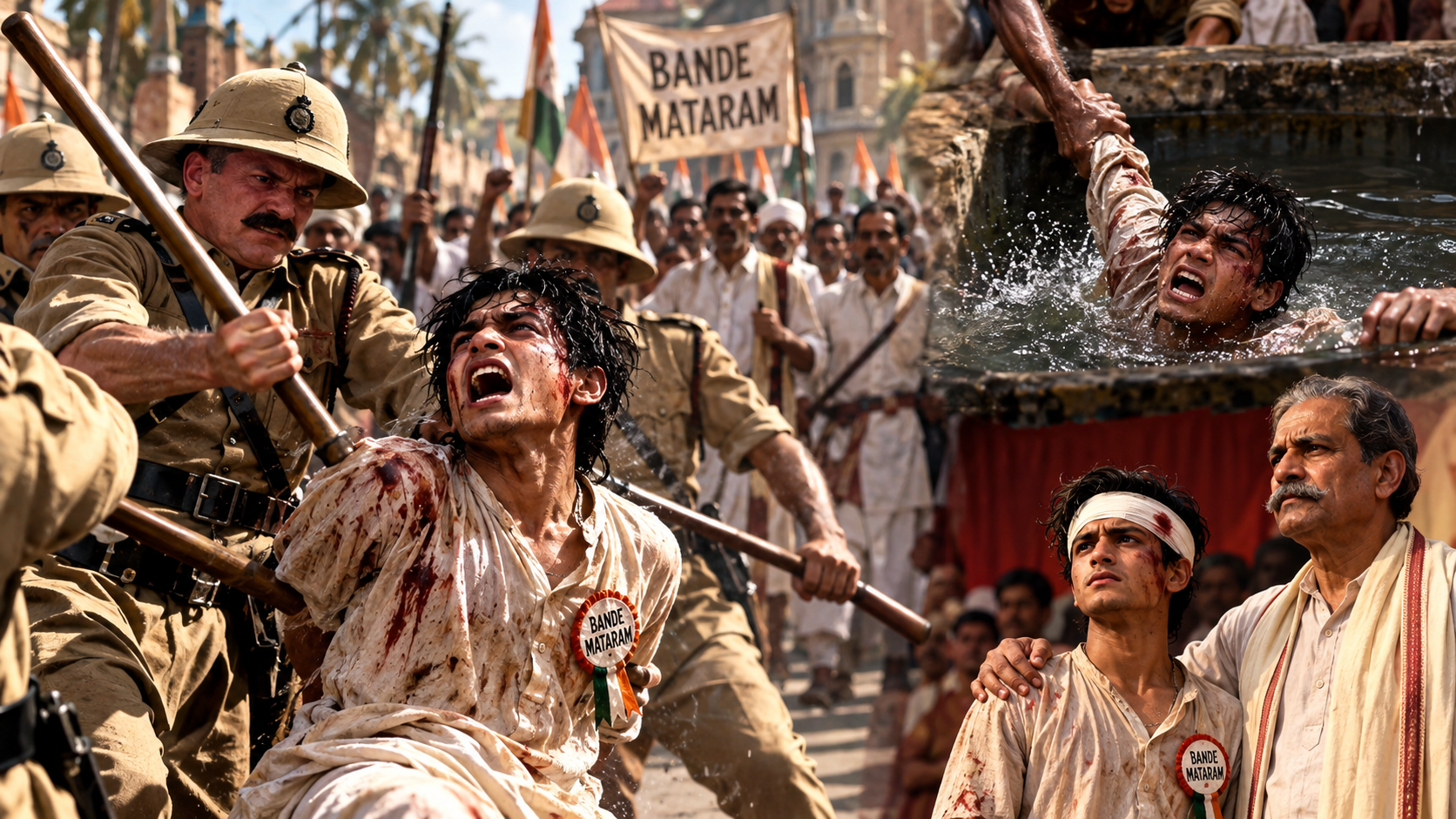
These men had been arrested during the Guru Ka Bagh Morcha, where around 5,600 peaceful Sikh sevadars were arrested after facing brutal treatment by colonial police.

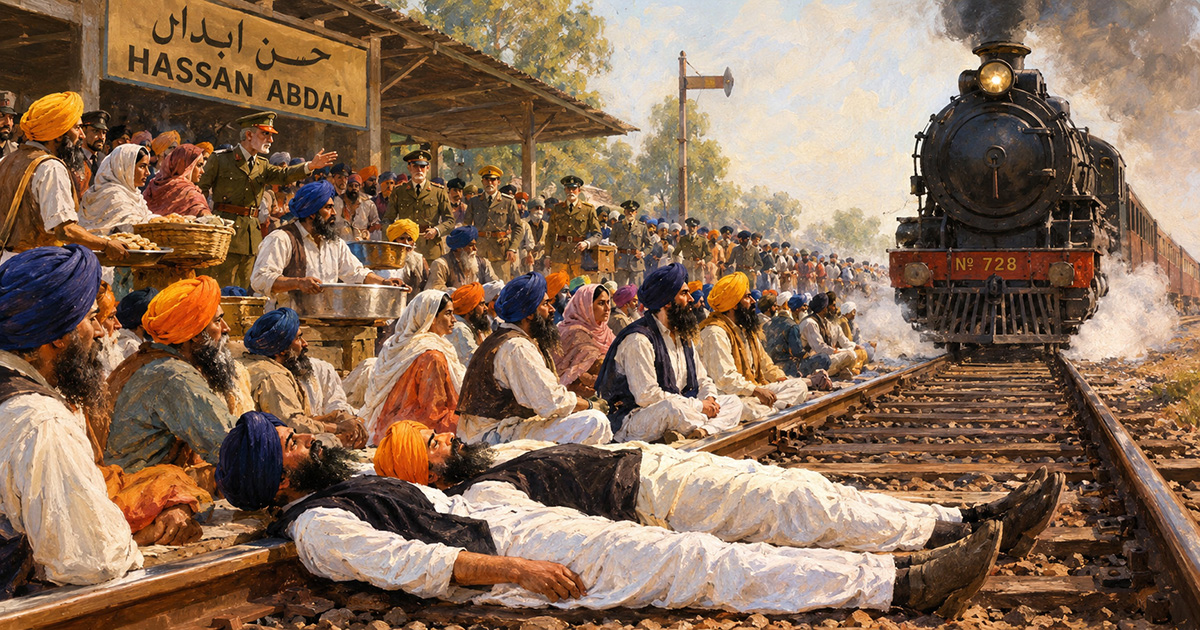
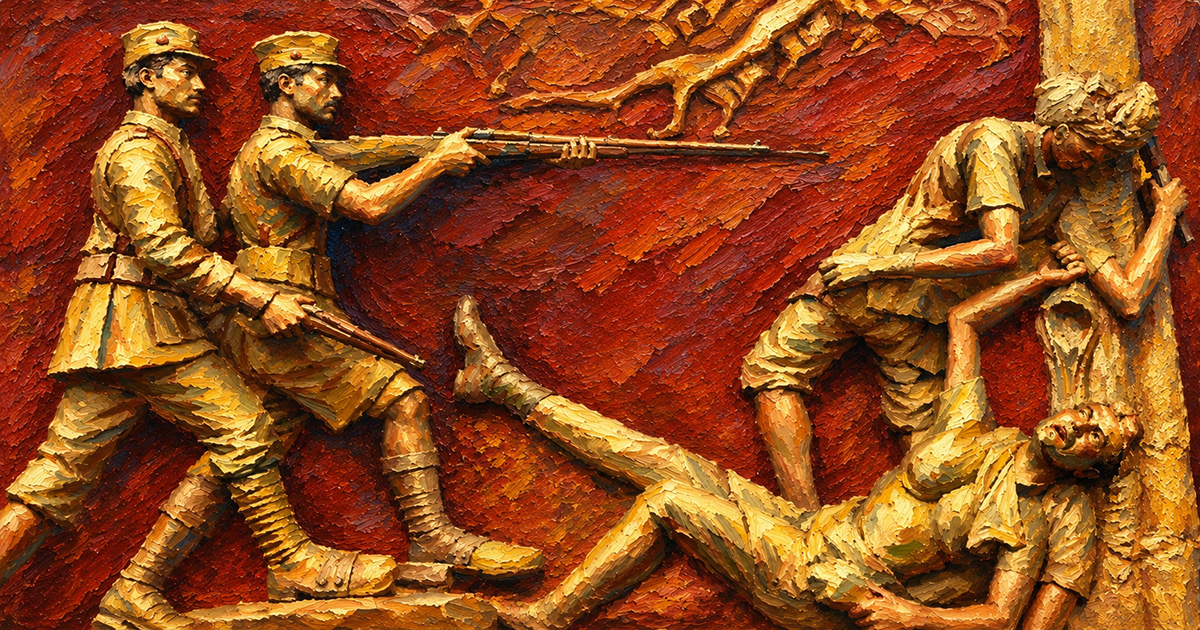
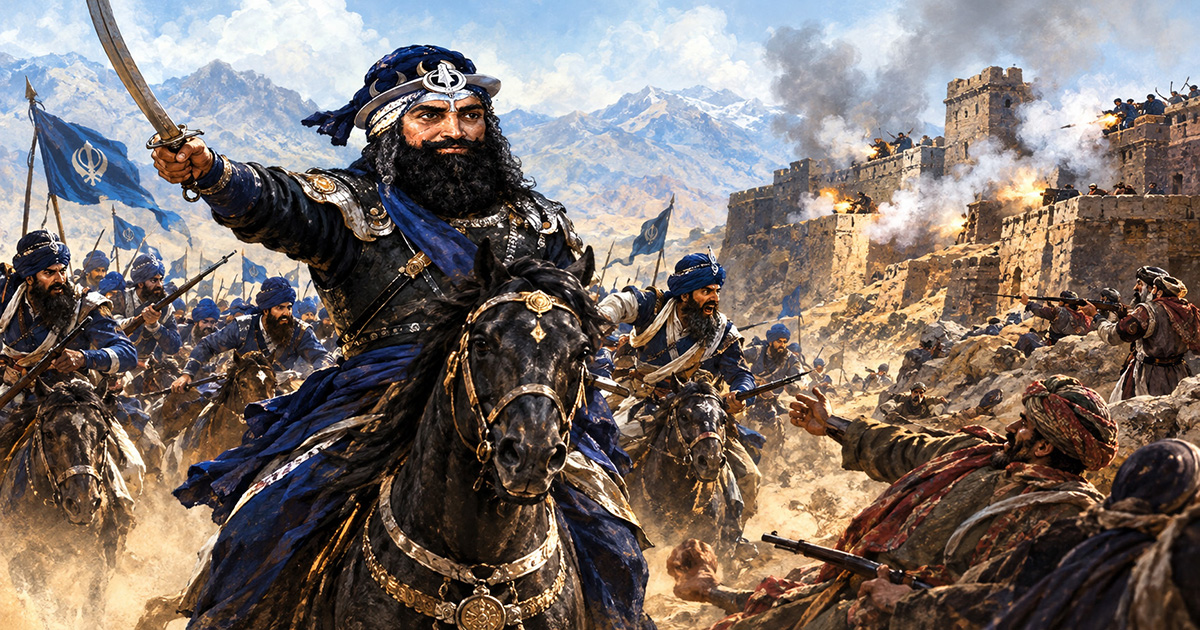
The Panja Sahib Massacre of 1922 | This image is AI-generated
“Guru Nanak Dev Ji stopped a mountain with one hand. If we are his Sikhs, we will stop the train and serve the innocent and hungry Sikhs.”
It was the morning of 30 October 1922 at Hasan Abdal railway station, and the station was unusually crowded. The sangat had arrived carrying vessels of freshly prepared langar for around 400 Sikh prisoners being transported by the British from Amritsar to Attock Jail. These men had been arrested during the Guru Ka Bagh Morcha, where around 5,600 peaceful Sikh sevadars were arrested after facing brutal treatment by colonial police. By the time the prisoners were being transported, many were exhausted and were kept starved for two days.
The sangat had prepared everything through the night. They needed the train to stop for only a few minutes so they could feed the hungry prisoners. But the station master delivered a cold refusal: “The train shall not stop at this station. You have made these arrangements for nothing.” The transit train carrying the prisoners was not permitted to halt at any intermediate station under any circumstances. The authorities knew that the prisoners were hungry, yet they refused even a brief humanitarian stop. Instead, they appear to have relied on the terror of a speeding steam locomotive to frighten the peaceful sevadars away from the tracks. But the Sikhs would not be intimidated. Their faith was stronger than the fear the British tried to impose. Massacre at Panja Sahib | Image Source: Sikh Research Institute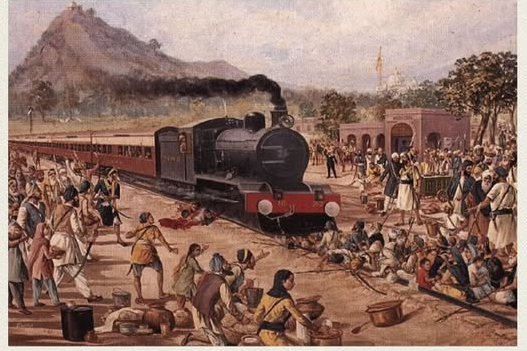
Then, in the distance, came the sound they had been waiting for: the heavy rumble of the approaching steam engine. At around 10 a.m., Bhai Karam Singh and Bhai Pratap Singh moved onto the railway line and lay down directly across the tracks. Bhai Ganga Singh, Bhai Charan Singh, Bhai Nihal Singh, Bhai Tara Singh, Bhai Fakir Singh and Bhai Kalyan Singh, along with many other men and women of the sangat, followed them and sat down on the tracks. The driver repeatedly blew the whistle, but no one moved. Instead, the air filled with the repeated sound of “Waheguru, Waheguru, Waheguru…” as the protesters remained absorbed in simran. They knew exactly what was coming, yet they refused to leave. They had chosen to place their bodies before the train rather than allow their hungry Sikhs to pass without food.
The train struck the sevadars. Eleven people were injured, while Bhai Karam Singh and Bhai Pratap Singh were the most severely injured. As the sangat rushed towards them, the dying martyrs, despite their shattered bones and severe bleeding, called out: “Serve the hungry Singhs in the train first. You can take care of us afterwards.” The train was finally brought to a halt, and the langar was carried to the prisoners. The men who had chosen to place their bodies before the train had fulfilled what they had come to do: the hungry prisoners were fed.
The two men did not survive; Bhai Karam Singh and Bhai Pratap Singh died from their injuries. The other injured volunteers were taken to Gurdwara Panja Sahib for medical treatment. Their bodies were later taken to Rawalpindi and cremated on 1 November 1922. What had begun that morning as an act of sewa had ended in bloodshed. The Sikhs had not come to fight the British; they had come carrying food. When the colonial railway refused to stop for a few minutes, they placed their own bodies before the moving train rather than allow their hungry fellow Sikhs to pass without a meal. The train carried the prisoners onward, but Panja Sahib was left behind as the place where faith, sacrifice, and resistance had met the wheels of the Raj.