How Mihir Bhoj Defeated the Arabs at the Fort of Sindan and Drove Them Out of Kutch?
Rajput ruler Mihir Bhoj did not simply rush toward the fort with an army and hope for a glorious battle. Instead, he used sustained military pressure.

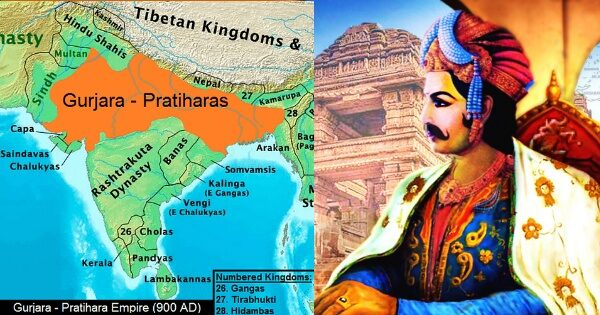
Rajput ruler Mihir Bhoj | Image Source: Facebook
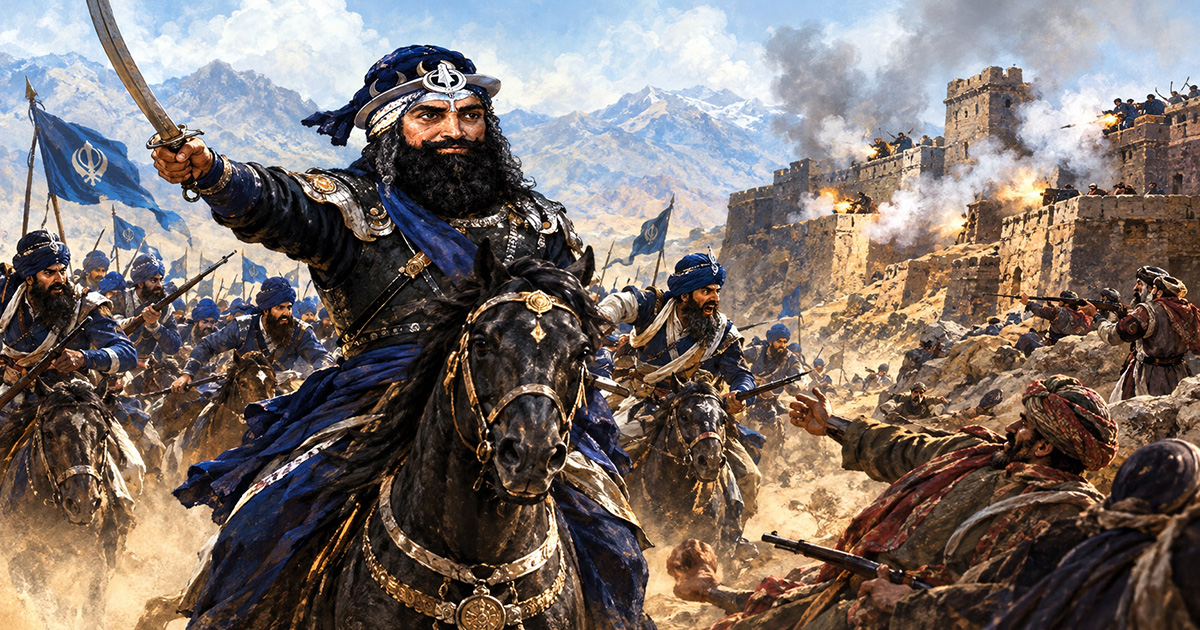
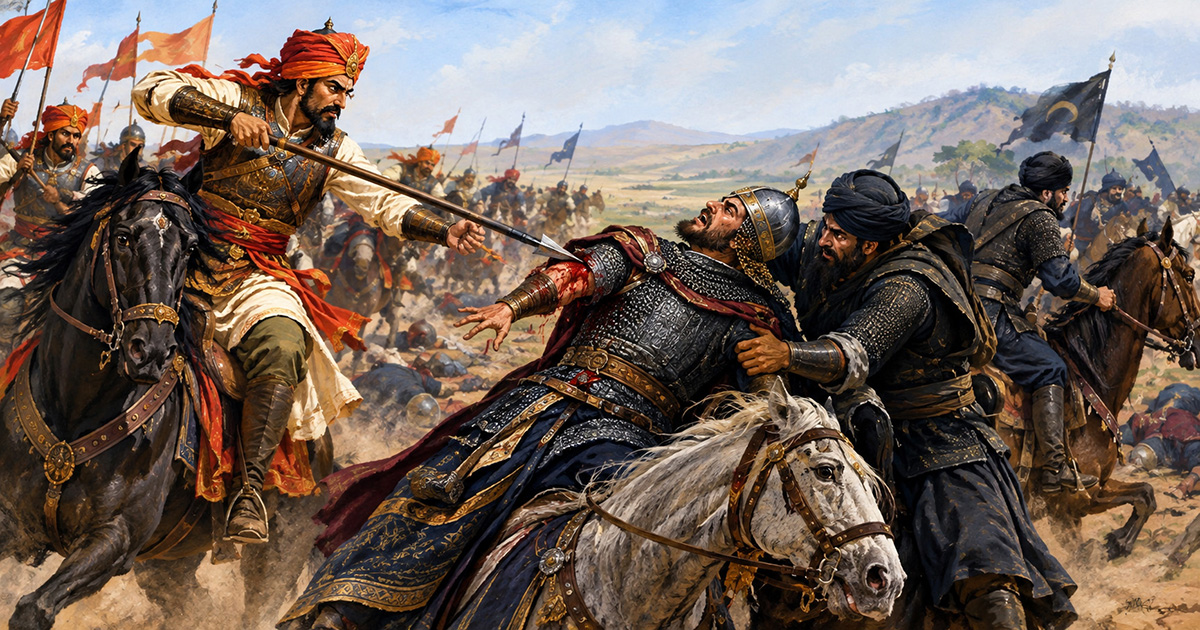
Around 833 to 842 CE, Arab forces had crossed into Kutch, seeking to push the frontier of Sindh deeper into India. Their presence at the fort of Sindan in Kutch was not just another border dispute. If they could hold Kutch, they could use it as a gateway toward the richer territories of western India. But standing in their way was the rising power of the Gurjara-Pratihara emperor Mihir Bhoj. And Bhoj understood something that his enemies perhaps did not: A fortress could be captured, but an empire could not be built without controlling the land around it.
Yet, Bhoj's challenge was formidable. The Arabs, led by their governor of Sindh, Imran Ibn Musa, had the advantage of an established base in Sindh and had pushed into Kutch, where the fort of Sindan gave them a strategic foothold. So Bhoj did not simply rush toward the fort with an army and hope for a glorious battle. Instead, he used sustained military pressure.
The Pratihara army was famous for its cavalry. Even an Arab traveller, Sulaiman, who visited India around 851 CE, described the ruler of the Gurjaras as possessing a powerful army and formidable cavalry. That mobility mattered enormously in the harsh landscape of western India. Bhoj could move troops rapidly across the frontier, strike Arab positions, disrupt their movements, and then withdraw before the enemy could respond effectively. Instead of allowing the Arab forces to freely expand beyond the fort, he could steadily tighten the space in which they could operate.
The objective was simple: Cut the fort off from the territory around it. Thus, if reinforcements cannot arrive, supplies become scarce, and communication with the main army becomes difficult, even the strongest garrison begins to weaken. This was where Bhoj's wider military organization became important. His empire possessed frontier garrisons and a network of subordinate rulers and military allies. He could therefore apply pressure without depending entirely on one enormous army marching from distant Kannauj.
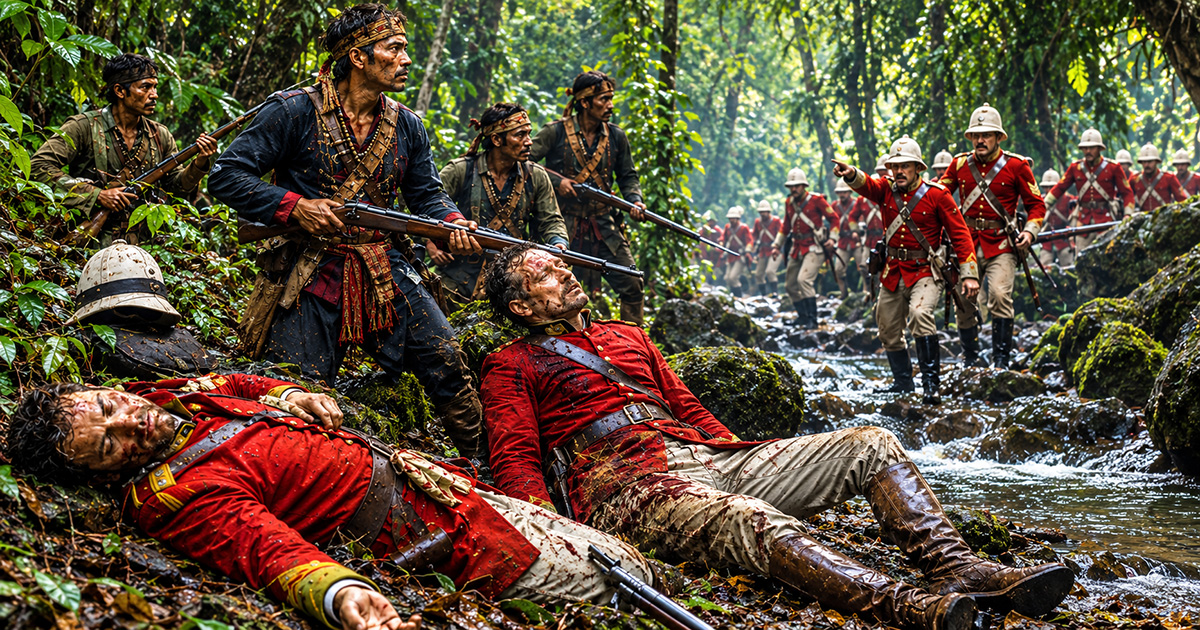
Inside Sindan, Arab soldiers could see Pratihara forces gathering outside. But there was no easy escape. Beyond the fort, Bhoj's cavalry dominated the approaches. Reinforcements from Sindh could no longer move freely. Every attempt to venture outside risked another encounter with the highly mobile Pratihara forces.
Eventually, the Arab position became untenable. The fort that had been intended to serve as a doorway into western India instead became a dead end. The Arab forces withdrew. Kutch was no longer an Arab forward position. And Bhoj had achieved something far more important than capturing a fortress. He had blocked the route by which Arab power could have pushed farther into western India. The consequences were significant. In the years that followed, Arab political control in Sindh itself contracted considerably, with Multan and al-Mansurah remaining as the principal centres of Arab authority. That is why the story of Sindan should not be remembered merely as the story of one fort. It was the story of a frontier that refused to move.