Nipunaka: How Chanakya’s Spy Used a Ring to Break Malayaketu’s Alliance
Nipunaka was one of Chanakya’s Gudha-Purushas or secret spies who moved through the city gathering information for their master.

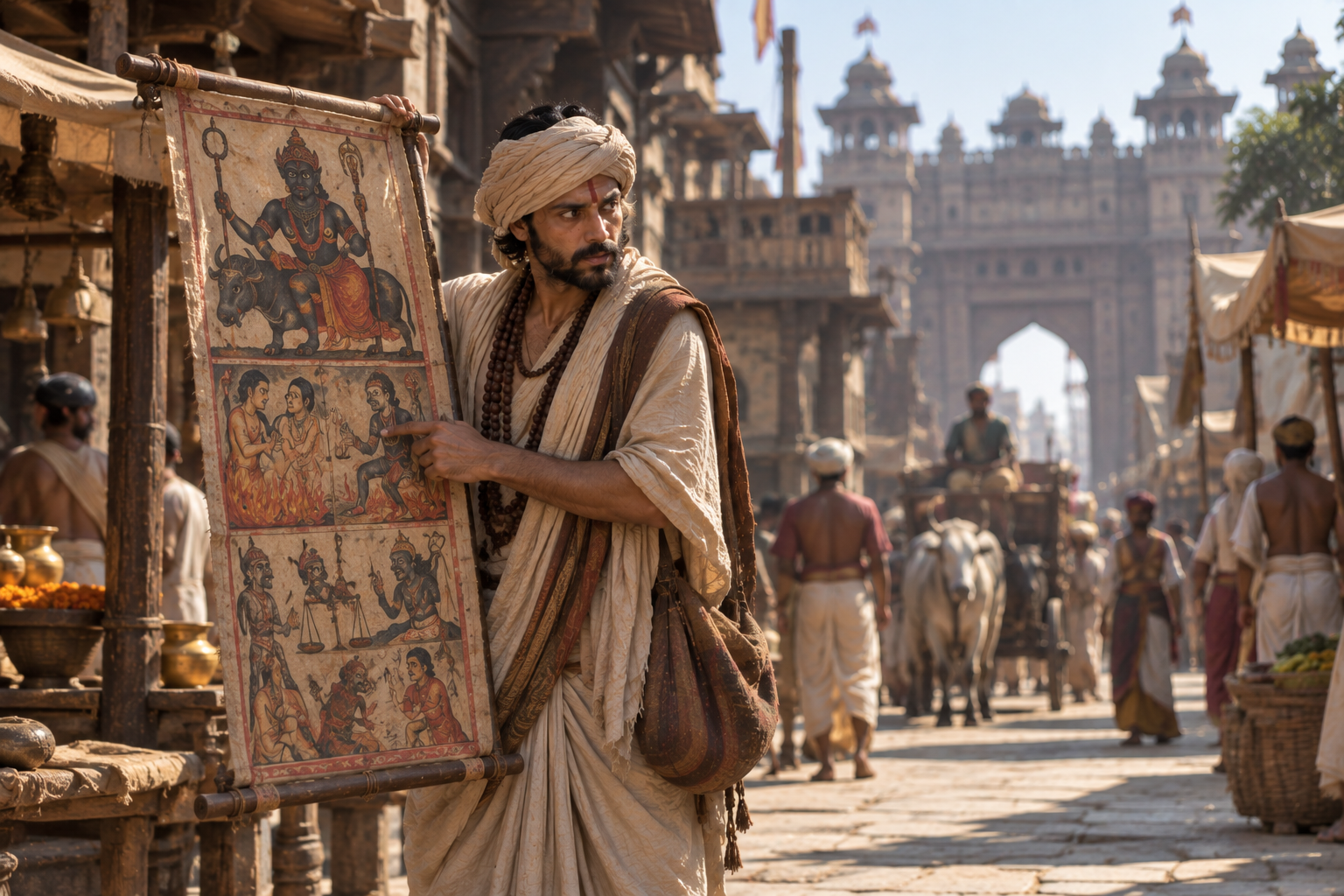
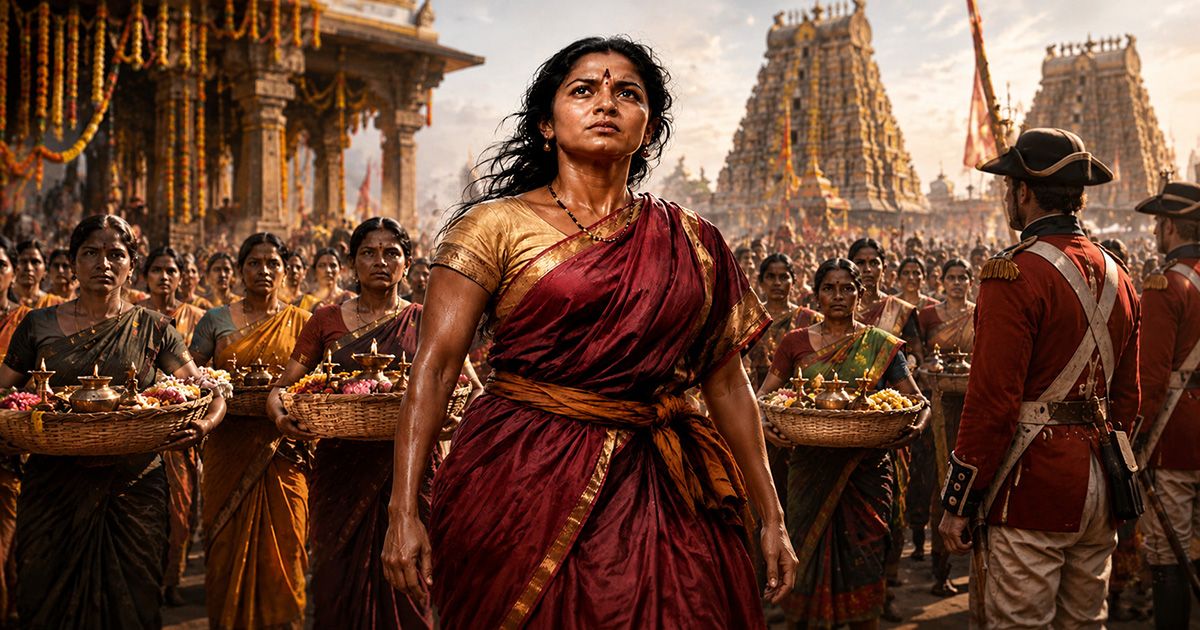
Nipunka, disguised as a wandering monk | This image is AI-generated
Around 321 BCE, the streets of Pataliputra were crowded. Among the people was a simple-looking bhikshu, or wandering monk. He carried a painted cloth on his shoulder. He would stop at various places, show pictures of Yama, the god of death, and sing about the fate that awaits everyone. To everyone, he looked like an ordinary monk. But he was actually Nipunaka, one of Chanakya’s Gudha-Purushas or secret spies who moved through the city gathering information for their master.
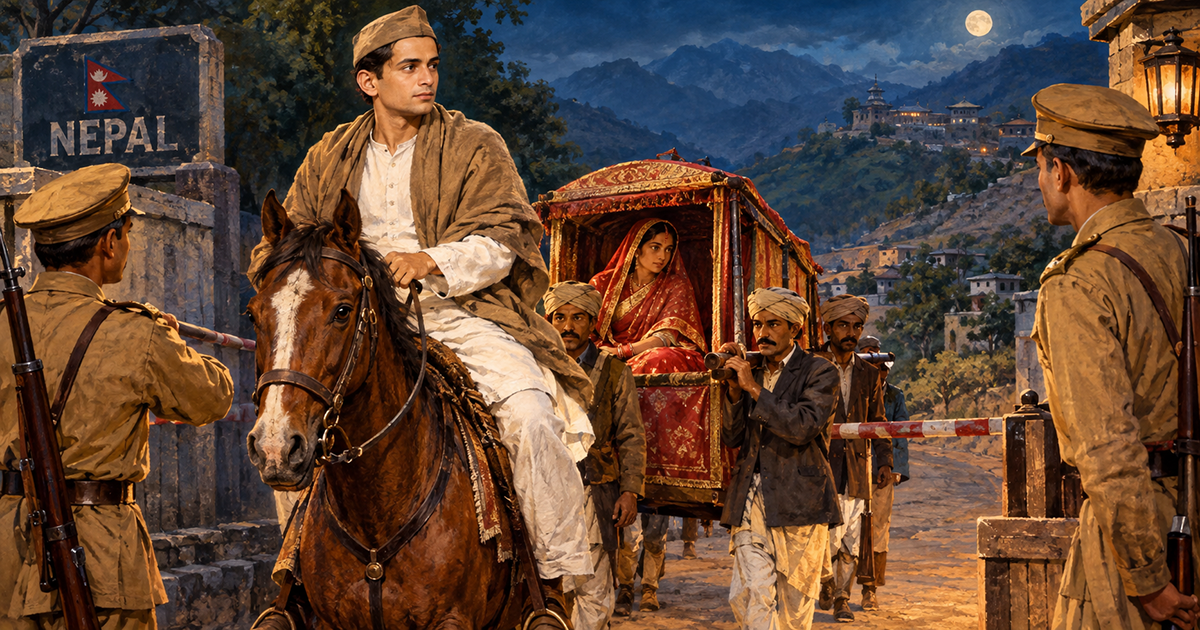
One day, Nipunaka reached the house of Chandanadasa, a wealthy jeweller. Chandanadasa was a close friend of Rakshasa, the former chief minister of the Nanda dynasty. After Chandragupta Maurya defeated the Nandas around 322 BCE, Rakshasa went into hiding. He later joined Malayaketu, a prince who was preparing an army against Chandragupta. Rakshasa's wife and young son were secretly staying at Chandanadasa's house. Nipunaka did not know exactly where Rakshasa was hiding. So, he stopped outside the house and began singing while showing his pictures of Yama. His singing attracted Rakshasa's young son. The boy ran outside to see him. His mother immediately became worried. She feared that people might notice her son and discover where the family was hiding. She quickly pulled him back inside. But in that hurry, something fell from her hand: a ring. The ring rolled towards Nipunaka. He picked it up, and then he noticed the seal on the ring. It belonged to Rakshasa. This was no ordinary ring; Rakshasa used its seal to mark and authenticate his letters. Knowing how this tiny ring could become a powerful weapon, Nipunaka immediately took it back to Chanakya.
Chanakya now saw an opportunity: Chanakya decided to create tensions between the two allies, Malayaketu and Rakshasa. Malayaketu was preparing a large alliance against Chandragupta. But instead of fighting this army directly, Chanakya used Rakshasa’s seal and had a false letter prepared. Chanakya planned to deliberately send the letter to Malayaketu and made to look as if Rakshasa had written it for Chandragupta. It also claimed that five of Malayaketu’s allies were ready to betray him in return for money.
The plan was set. But now the question was how would Malayaketu see this letter? For this, Chanakya had another part of the plan ready. He sent a spy towards Malayaketu's camp with the letter. The spy was meant to be caught. The soldiers seized him and found the letter. They took it straight to Malayaketu. When Malayaketu saw Rakshasa's seal, he believed the letter was genuine. He believed that Rakshasa was secretly betraying him, and thus he began to suspect his own allies.
Trust turned into suspicion, and suspicion quickly turned into fury. Malayaketu could no longer tell who was loyal and who was conspiring against him. The five princes named in the letter were executed, and Rakshasa was driven away from the camp. The alliance that had come together to fight Chandragupta began to fall apart without even fighting a major battle. And it all began with a small ring. Nipunaka had never led an army. He had never fought on a battlefield. He simply entered the city disguised as a monk, watched carefully, and noticed something everyone else missed.
A fallen ring became the key to Chanakya's plan. That was the power of the Gudha-Purushas, ancient spies who could change the course of events not with weapons, but with information, disguise, and intelligence.
Disclaimer: Nipunaka is a legendary fictional character who represents the ultimate archetype of a Mauryan spy, Gudha-Purusha. He originates from the famous 4th/5th-century Sanskrit political play Mudrarakshasa by Vishakhadatta. While the play itself is a work of historical fiction, it is deeply inspired by real events and heavily rooted in the strict espionage principles outlined in Chanakya's masterwork, the Arthashastra.