When Jayaprakash Narayan Escaped Hazaribagh Jail and Took India’s Freedom Struggle to Nepal Through ‘Azad Dasta’
In 1942, Jayaprakash Narayan escaped the Hazaribagh Jail, crossed into Nepal, and turned the remote Kosi delta into an unlikely base for India's underground freedom struggle.

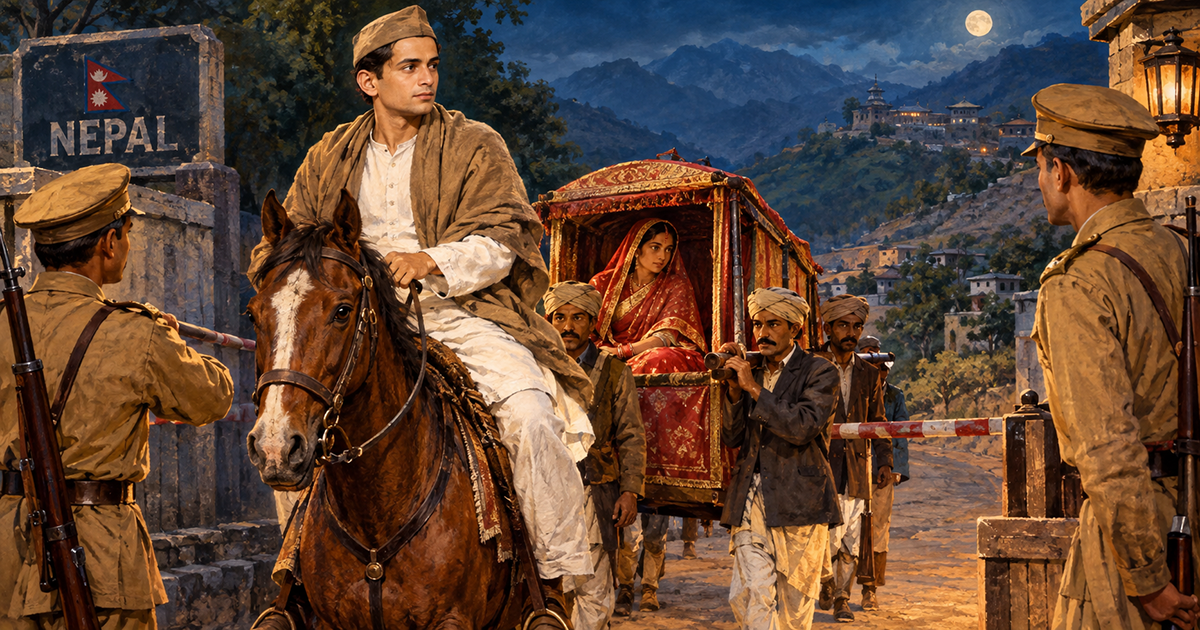
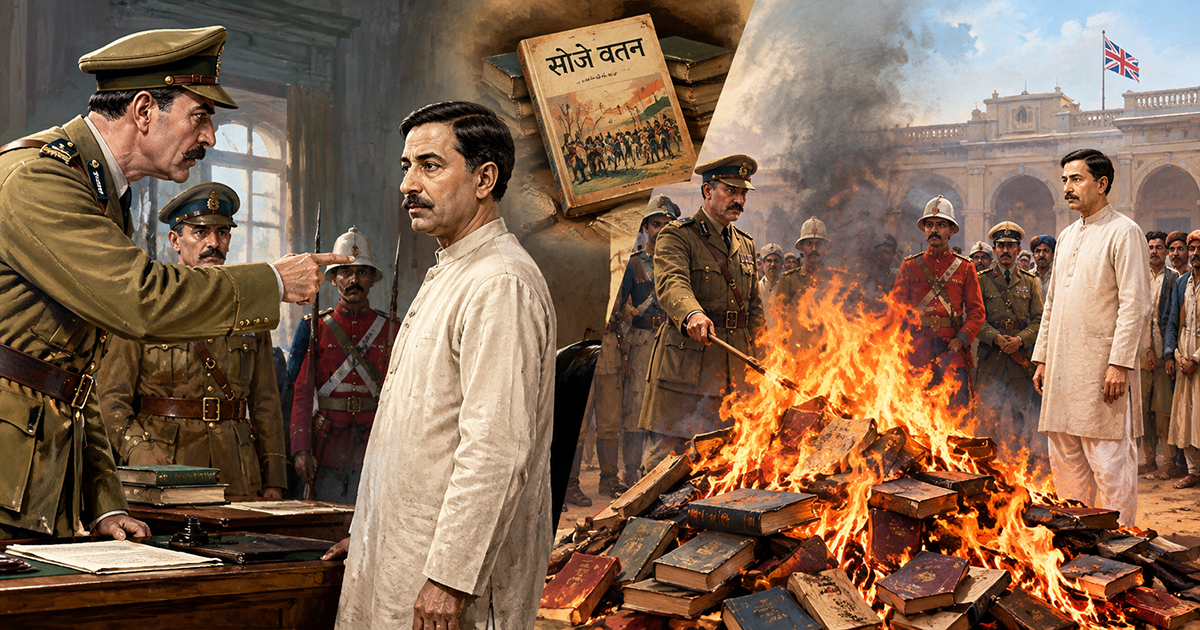
When Jayaprakash Narayan crossed into Nepal | This image is AI-generated
What happens when a man escapes a British prison, crosses into a country ruled by Britain's ally, and instead of hiding, begins preparing a guerrilla force to fight the British? In 1942, Jayaprakash Narayan did exactly that. After escaping Hazaribagh Jail, JP crossed into Nepal and turned the remote Kosi delta into an unlikely base for India's underground freedom struggle.
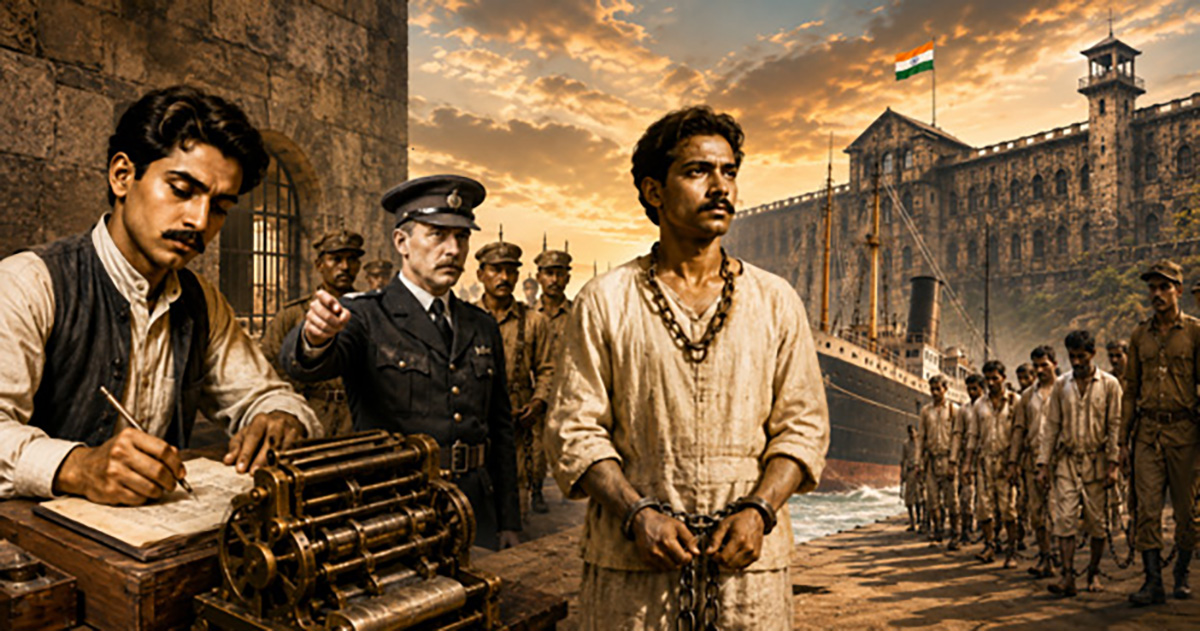
During the Quit India Movement of 1942, Jayaprakash Narayan, also lovingly called “JP” or the “Lok Nayak”, was arrested in the sweeping British crackdown. He was confined in Hazaribagh Central Jail in present-day Jharkhand, but imprisonment could not contain the resolve of such a staunch freedom fighter. Thus, on the intervening night of 8th and 9th November 1942, during Diwali when the guards were distracted, JP, along with five fellow prisoners, executed a daring escape. Scaling the 17-foot prison wall using ropes made of torn dhotis, they escaped the prison, triggering a nationwide British manhunt. This forced the revolutionaries to go underground as they sought to reconnect with the resistance and push the struggle forward.
‘Lok Nayak’ Jayaprakash Narayan | Image Source: India Today
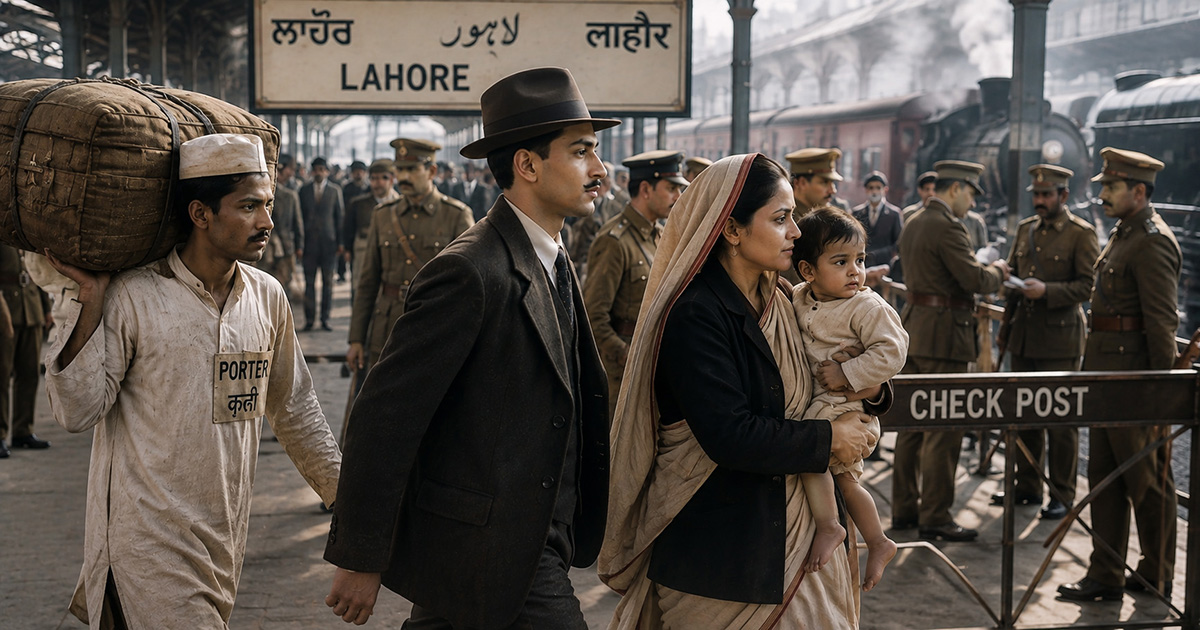
Given the strong surveillance, hiding in Bihar was no longer sustainable. Hence, they decided to cross into Nepal, stepping into uncertain refuge and an even more complex political terrain. Nepal, however, was hardly a safe haven as the country was ruled by the Rana regime that maintained close relations with the British. Yet they managed to outwit them. JP and the fellow revolutionaries devised an ingenious fake story: While JP travelled on horseback, Vijaya Patwardhan, sister of revolutionary Achyut Patwardhan, travelled in a palanquin, acting as his wife. The guards at the Nepali border were told that “Sethji” was taking his new bride home. The procession was allowed to pass.
By around April 1943, the group reached Banarjhoola, in the Kosi delta near Hanuman Nagar. Here, a local landlord named Rameshwar Singh gave them shelter. Soon, Banarjhoola became a meeting point for revolutionaries. A conference of the Congress Socialist Party, the political organisation with which JP was associated, brought together representatives from Bihar, Uttar Pradesh and even distant regions such as Bengal, Odisha and Punjab. In that meeting, a bold decision was taken: the establishment of Azad Dasta, or “Freedom Brigade”, to continue the struggle against British rule through underground and guerrilla activities in Nepal.
The idea was to create an underground force capable of continuing resistance against British rule through guerrilla methods, while using Nepal's Terai as a training and operational base. The Dasta was intended to operate through small groups, disrupt colonial communications and logistics, and keep the machinery of resistance functioning. Training began at Banarjhoola.
Sardar Nityanand, who had served with Subhas Chandra Bose's Azad Hind Fauj, was brought in as the chief trainer. An initial cadre of around 18 people underwent training. Among those associated with the effort were Indian revolutionaries as well as sympathetic Nepali recruits. The choice of Nepal was strategic. The Terai region, with its forests, rivers, and proximity to North Bihar, provided both concealment and access. The open and socially interconnected frontier also made movement between Nepal and India comparatively easier.
But somehow, the British got the news of revolutionaries hiding in the Kosi delta, and thus, they pressured the Nepalese government to act and initiate a crackdown. Under mounting British pressure, the Nepalese government mobilised its police. By May 1943, the noose had tightened around Banarjhoola. JP, Lohia and several associates were arrested and taken by bullock cart to Hanuman Nagar jail. Yet JP was already thinking of his next move. Knowing that fellow revolutionaries, Suraj Narayan Singh and Ram Nandan Mishra, were following the police convoy from a distance, he covertly scribbled a message on a cigarette packet and threw it onto the route. The revolutionaries soon recovered the discarded packet and read the cryptic message: “Get me released, yours Sethji.” The mention of “Sethji” on the note immediately confirmed to Suraj Narayan Singh that the message had come from JP. There was no time to waste. Singh quickly mobilised the Azad Dasta and prepared a rescue mission.
On the night of May 23, 1943, the revolutionaries marched from Banarjhoola towards Hanuman Nagar. In the middle of the night, they attacked the jail, and gunfire erupted. The Nepalese guards were overwhelmed and were forced to free the revolutionaries, including JP Narayan. The revolutionaries of the Azad Dasta then escorted them across the Kosi River and back into India. From there, they eventually made their way towards Kolkata.
As far as Azad Dasta is concerned, the incident marked the beginning of a difficult phase for the Azad Dasta as the organisation lost much of the central leadership. Meanwhile, the British intensified pressure on the Nepalese authorities to deny the revolutionaries any safe haven. Police operations targeted the Dasta's bases in the Terai and the forests of Nepal, including areas such as Bakro ka Tapu and Rajvilas Jungle. This forced Azad Dasta's activities to become increasingly localised. Groups such as the Bihar Provincial Azad Dasta and the Siyaram Dal in Bhagalpur continued their activities, but largely as independent guerrilla units.
The episode was a remarkable blow to British prestige. An Indian revolutionary had escaped British imprisonment, crossed into Nepal, built an underground guerrilla organisation there and, after being arrested by Nepalese authorities, was rescued by fellow revolutionaries who attacked the jail. The Azad Dasta did not defeat the British militarily. Its importance lay elsewhere. It demonstrated the extraordinary lengths to which India's underground revolutionaries were prepared to go when the colonial state had imprisoned the mainstream leadership. More importantly, the episode revealed how the India–Nepal frontier became a crucial corridor of the freedom struggle. Even the local Nepali supporters sheltered Indian revolutionaries, joined the Azad Dasta, and helped JP escape. That is what makes JP's Nepal episode so remarkable.