Why Chirai Naga Was Executed After the Anglo-Manipur War?
Why did Chirai Naga kill the British officer? To understand this, it is first necessary to understand the background of the Anglo-Manipur War of 1891.

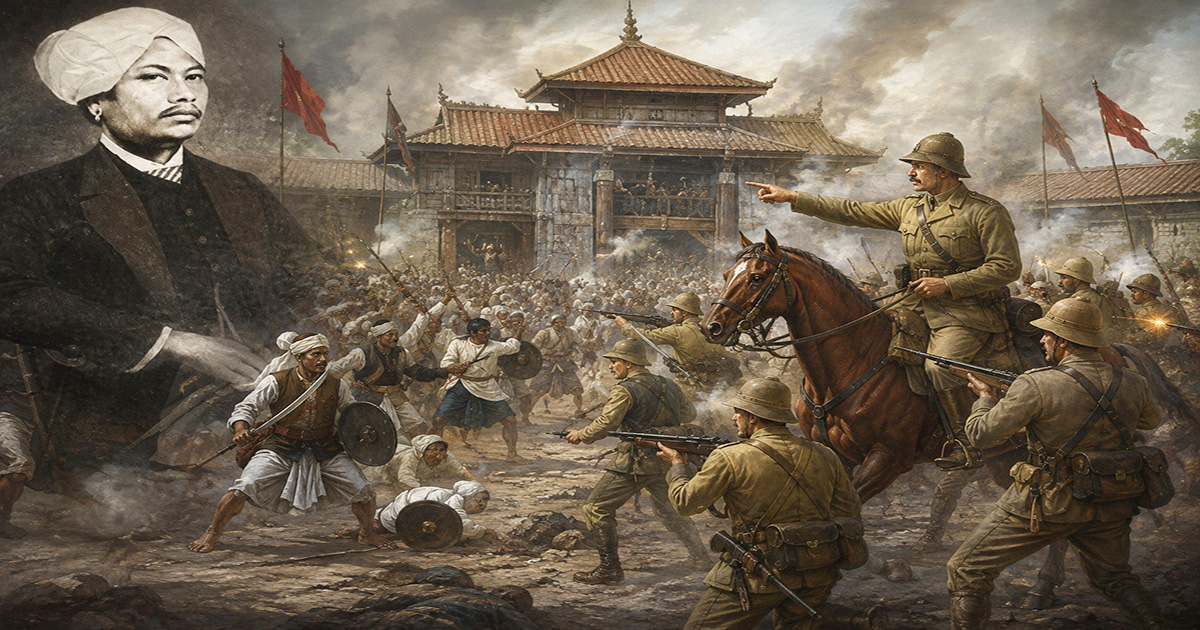
The execution of Chirai Naga | This image is AI-generated
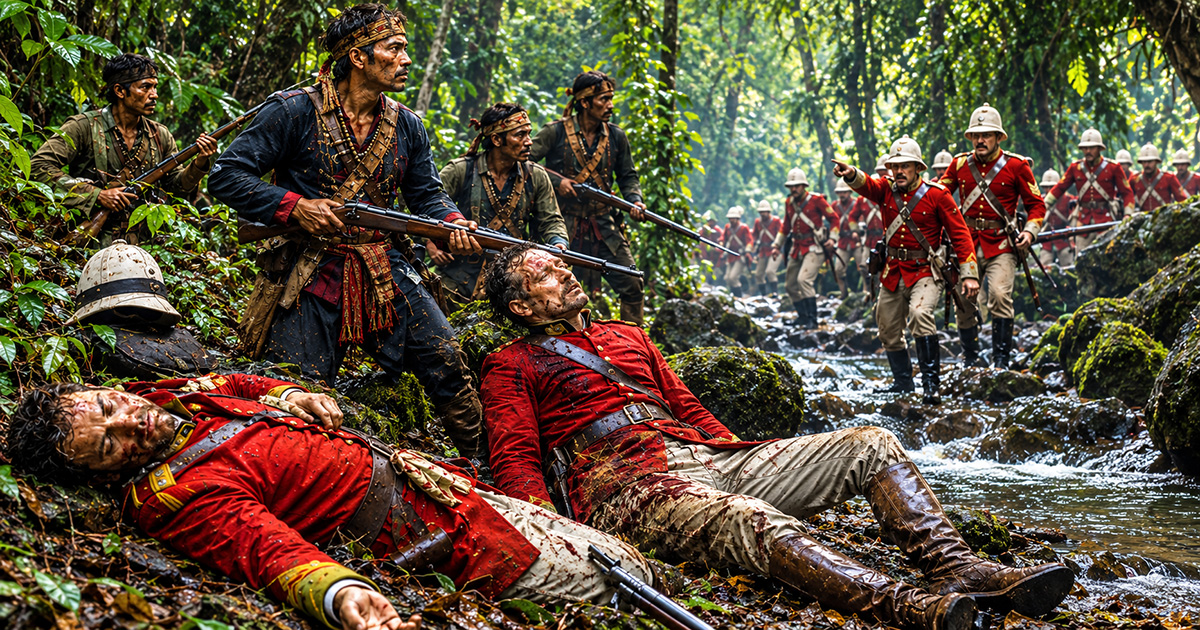
On the morning of March 26, 1891, a search was underway in the forests around Mayangkhang in the northeastern state of Manipur, India. The previous night, British telegraph officer James O’Brien had been killed in an attack on the dak bungalow, but his fellow officer, W. B. Melville, Superintendent of the Government Telegraph Department, had managed to escape under cover of darkness. Manipuri soldiers and local Naga youths searched the forests throughout the night. Then, near a mountain stream, Melville was found injured. The young man who found him was 30-year-old Chirai Naga of Mayangkhang, who is also referred to in British records as “Chirai Naga, son of Chunba of Mayangkhang.” Shortly afterwards, Melville died, and his head was cut off and brought back to the village. At that time, this was considered a trophy of war, but six months after the incident, Chirai Naga was hanged. Now the question is: why did Chirai Naga kill the British officer? To understand this, it is first necessary to understand the background of the Anglo-Manipur War of 1891.
The Anglo-Manipur War of 1891 began when Manipur was an important independent princely state situated between British India. The British Government wanted to increase its influence over Manipur’s internal affairs. The British Government intervened in a succession dispute within the Manipuri royal family and attempted to arrest Crown Prince Tikendrajit Singh. The Manipur Durbar regarded this as a direct attack on its independence and sovereignty. On March 24, 1891, fighting broke out at Kangla, and within a few days, the entire state became a battlefield between the British and Manipuri forces. Several British officers were killed, and the following day, Maharaja Kulachandra Dhwaja Singh declared war against the British. An order was issued that no British person present within the territory of Manipur should be allowed to escape.
The news spread from the valley to the hills. Around this time, a group of Manipuri soldiers, including Chirai Naga, moved north. The group also included other Naga officers such as Ashang Kut, Heikrijamba Poila and Sapa Subedar. When they reached Mayangkhang, the villagers told them that two British officers from the Telegraph Department were staying at the dak bungalow. As night fell, the dak bungalow was surrounded. The Manipuri soldiers opened fire, and the local Thangal Nagas joined them. James O’Brien was killed in the very first exchange of fire. But Melville escaped with his rifle. His escape meant that he could potentially convey important information to the British forces; therefore, the search for him continued throughout the night. The following morning, Chirai Naga found him in the forest. Melville was killed there, and his head was cut off and brought back to the village.
Soon after the Mayangkhang incident, the British Army exerted decisive military pressure on Manipur. On April 27, 1891, the British Army captured Kangla. With this, Manipur’s independent political authority suffered a major blow and British control was established. Circumstances changed. After this, large-scale arrests began. Crown Prince Tikendrajit Singh, Thangal General, and Chirai Naga, along with numerous soldiers, were arrested.
The British Government established a special court under the Manipur Field Force. A trial was held, and Chirai Naga was accused of attacking the Mayangkhang dak bungalow and murdering Melville. The court considered Chirai Naga the principal accused and sentenced him to death. On the morning of October 13, 1891, he was hanged at the gallows inside the jail located within the Kangla complex. He was only 30 years old at the time. Unlike Tikendrajit and Thangal General, his execution was not public.
Today, the memorial stones standing in Mayangkhang remind people of the deaths of Melville and O’Brien. But the memory of Chirai Naga also remains alive on the same land. He chose to stand with his region and his people, regarding the struggle for Manipur as his own war.