When Manipur Executed British Officers: The Untold Story of Bir Tikendrajit Singh, the Lion of Manipur
How could a small princely state dare to challenge the might of the British Empire? Who was the man at the centre of this confrontation? The man was Bir Tikendrajit Singh, the Senapati (Commander-in-Chief) of the Manipuri Army, remembered today as the "Lion of Manipur."

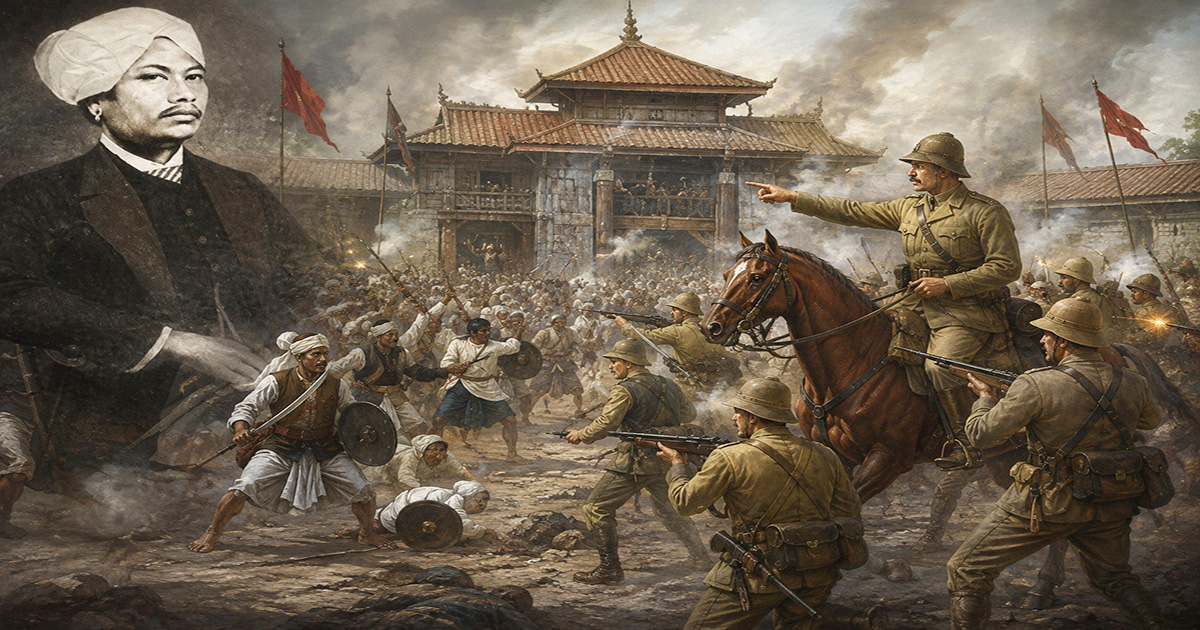
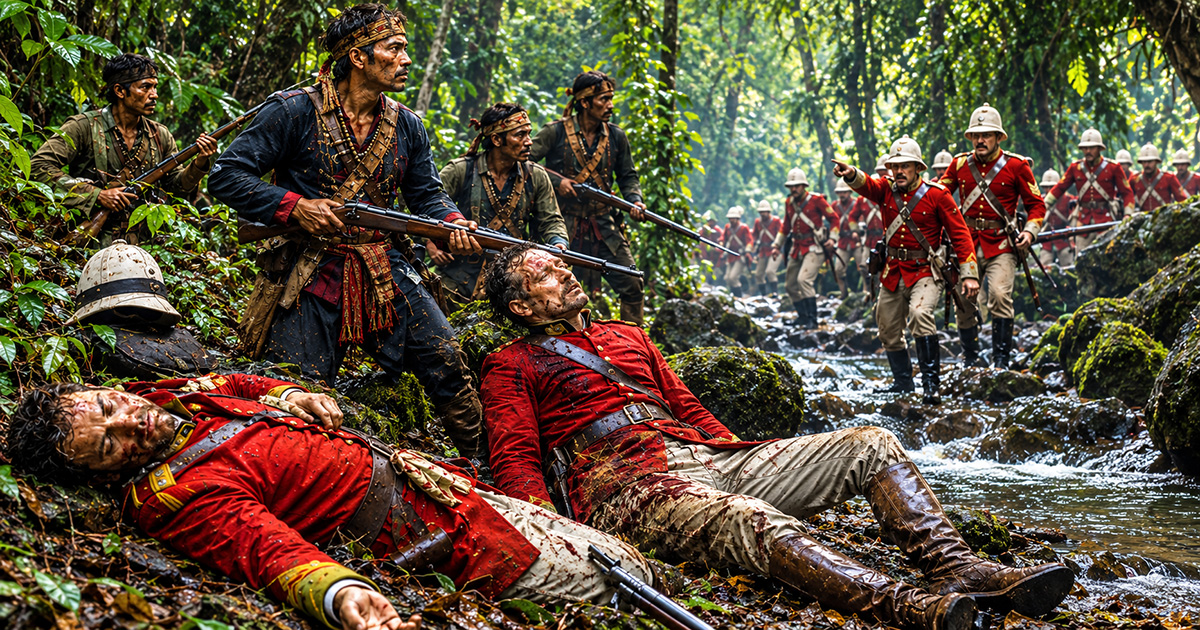
Bir Tikendrajit Singh, the lion of Manipur | This image is AI-generated
In March 1891, something happened in the remote kingdom of Manipur that sent shockwaves through the British Empire. Several British officers, including James Wallace Quinton, the Chief Commissioner of Assam, were captured and executed. Across colonial India, the news spread rapidly. How could a small princely state dare to challenge the might of the British Empire? Who was the man at the centre of this confrontation? The man was Bir Tikendrajit Singh, the Senapati (Commander-in-Chief) of the Manipuri Army, remembered today as the "Lion of Manipur." Why did he revolt against the British? The answer lies in this: Who had the right to decide Manipur's future—the people of Manipur or the British Empire?
Bir Tikendrajit Singh | Image Source: Chakra Foundation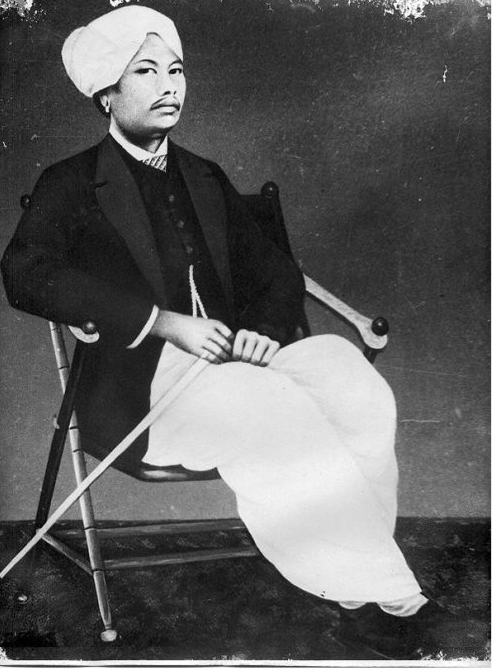
To understand this, one must go back to 1890. A political crisis had erupted within the royal family of Manipur. Maharaja Surchandra Singh was overthrown during an internal royal-family revolt, who then fled to British territory, seeking British assistance to regain his throne. The British, however, had their own plans. Instead of simply restoring the king, they began intervening in Manipur's internal affairs and attempted to reshape the kingdom's leadership according to their interests.
At the centre of their concerns was Bir Tikendrajit Singh. As the kingdom's most influential military leader and a powerful voice within the court, Tikendrajit had become an obstacle to British ambitions. The British demanded his removal from power, stating that only then would the king be reinstated. For them, it was a political necessity. For Tikendrajit and many Manipuris, it was an unacceptable intrusion into the sovereignty of their kingdom. The confrontation reached its climax in March 1891 when James Wallace Quinton arrived in Imphal with British troops to arrest Tikendrajit. However, the operation did not go as planned. Manipuri forces resisted fiercely, and the attempted arrest triggered a violent clash.
As tensions escalated, clashes broke out around the royal palace at Kangla. The failed British operation inflamed public anger across Manipur. What had begun as an attempt to arrest Tikendrajit rapidly turned into a broader struggle against foreign interference. In the chaos that followed, Quinton and several other British officers entered negotiations with the Manipuri leadership. However, the talks failed. The officers were subsequently captured and executed by the Manipuri authorities. Among those killed were Quinton, Political Agent Frank Grimwood, Lieutenant Simpson, Lieutenant Cossins, and Bulger.
The execution of senior British officials sent shockwaves across colonial India. Never before had a princely state so openly defied British authority and put imperial officers to death. For the British Empire, the incident was seen not merely as a local disturbance but as a direct challenge to imperial power. Determined to restore its prestige and punish those responsible, the British launched a full-scale military expedition against Manipur, setting the stage for the Anglo-Manipur War of 1891, where brave Manipuris stood against a vastly superior British force. Outnumbered and outgunned, they fought until the very end, turning Khongjom into one of the most celebrated last stands in the history of Northeast India.
Despite their heroism, the odds were impossible to overcome. The British eventually captured Imphal and occupied the kingdom. But even then, Tikendrajit refused to surrender. Rather than submit to colonial authority, he went underground and continued to evade capture for weeks.
His freedom, however, was short-lived. On May 23, 1891, Bir Tikendrajit Singh was captured and brought before a special British tribunal. He was charged with waging war against the Crown and held responsible for the deaths of British officers during the conflict. The verdict was never in doubt. He was sentenced to death. On August 13, 1891, among thousands, Tikendrajit was publicly executed. The British believed they were ending a rebellion.
The hanging of Bir Tikendrajit Singh | Image Source: The Pioneer
Instead, they created a legend. Bir Tikendrajit Singh's defiance transformed him into a symbol of courage, self-respect, and resistance against colonial domination. More than a century later, every 13 August is observed as Patriots' Day in Manipur, commemorating the sacrifice of Tikendrajit and Thangal General. The Empire that sentenced him to death is gone. Yet the memory of the man who refused to let a foreign power dictate Manipur's destiny continues to live on. That is why history remembers Bir Tikendrajit Singh not as a defeated commander, but as the Lion of Manipur.

.jpg)