Anna Sohoni and the 1927 Nagpur Riots: When RSS Swayamsevaks Took the Shakha to the Streets
When Nagpur violence erupted in 1927, RSS swayamsevaks went beyond the shakha and were organised to address a crisis unfolding in the city's streets.

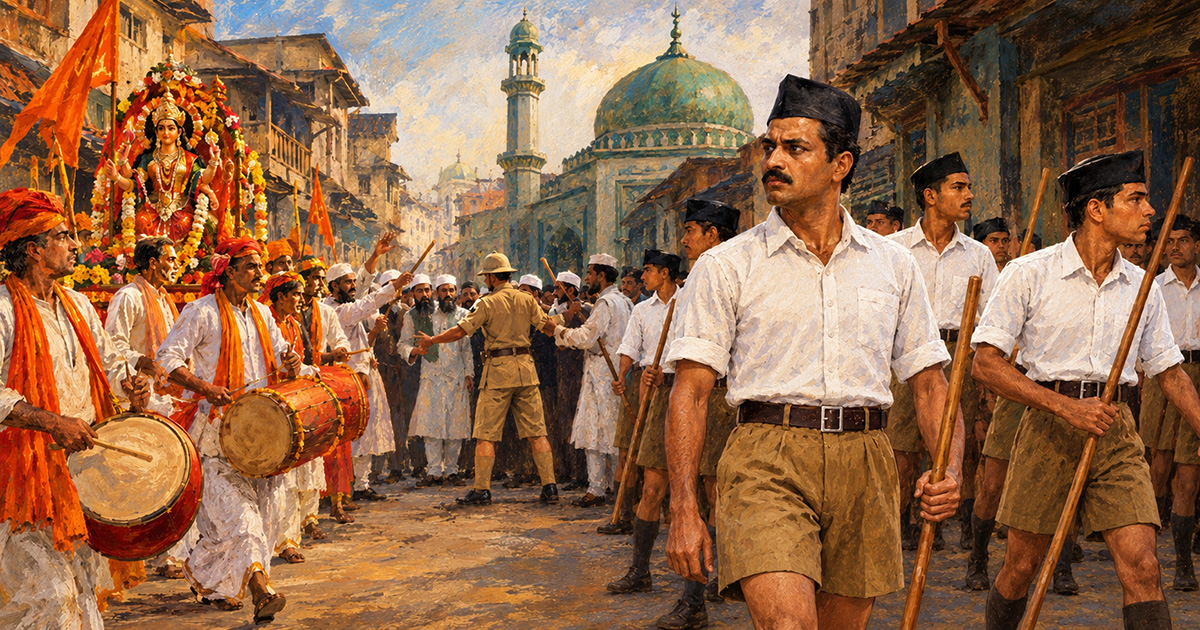
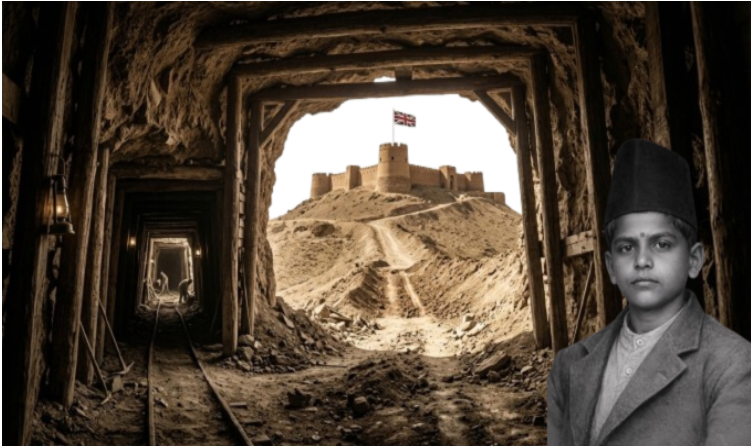
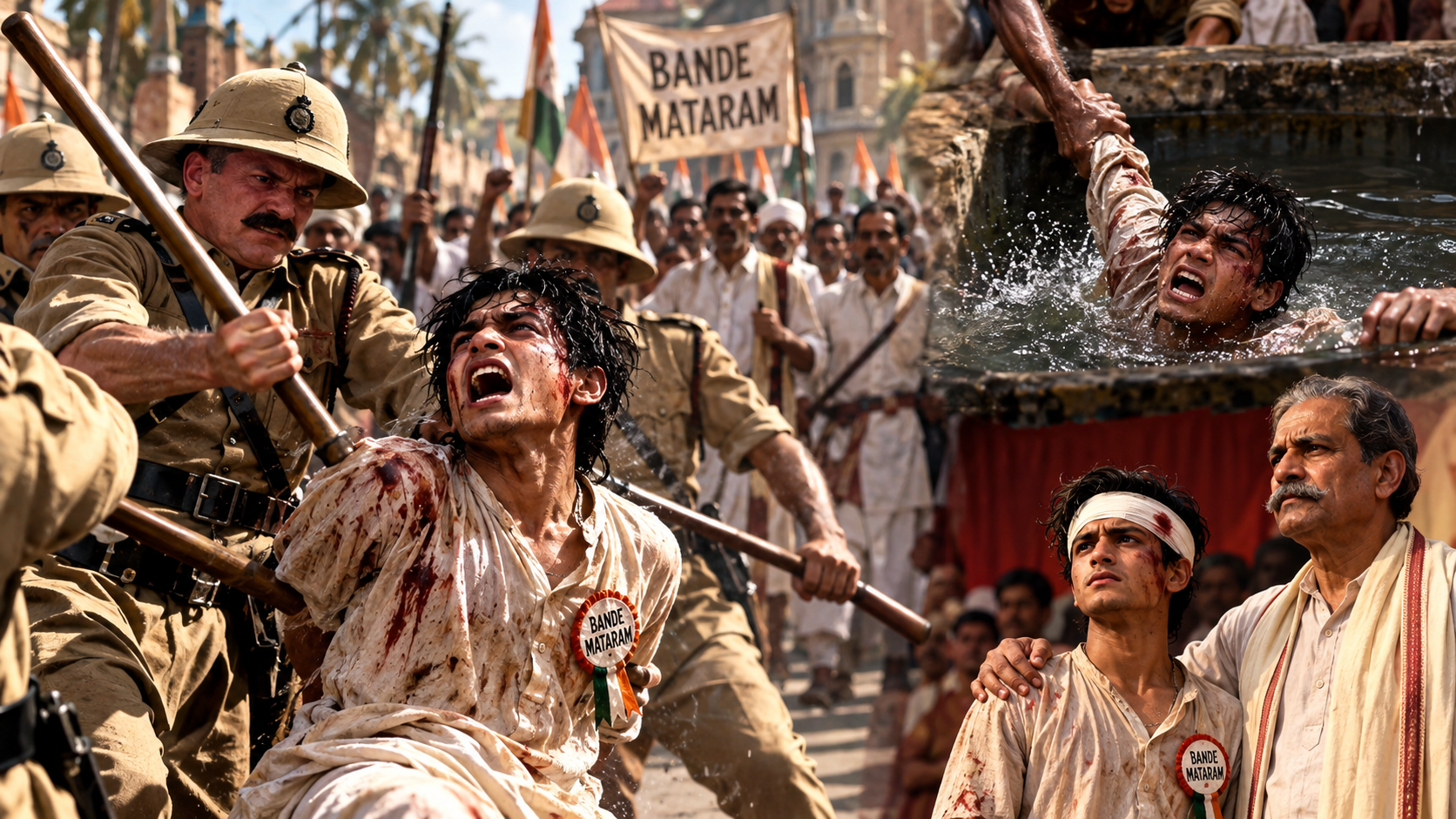
When the 1927 Nagpur Riots tested the young RSS Swayamsevaks | This image is AI-generated
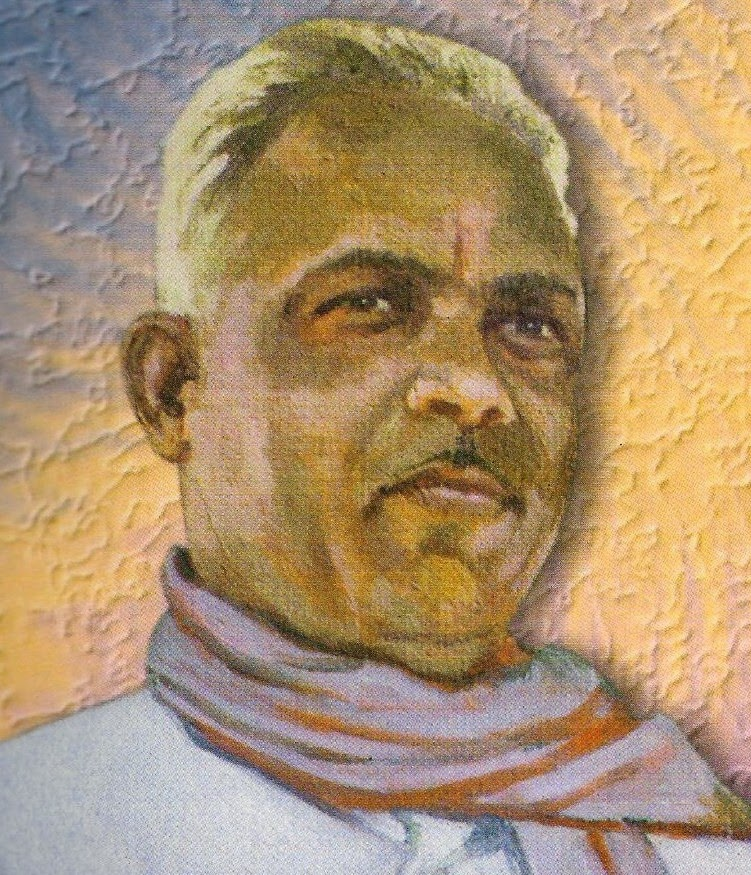
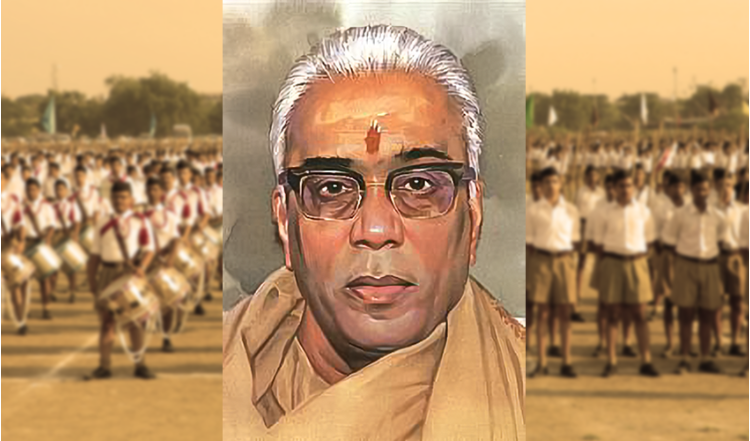
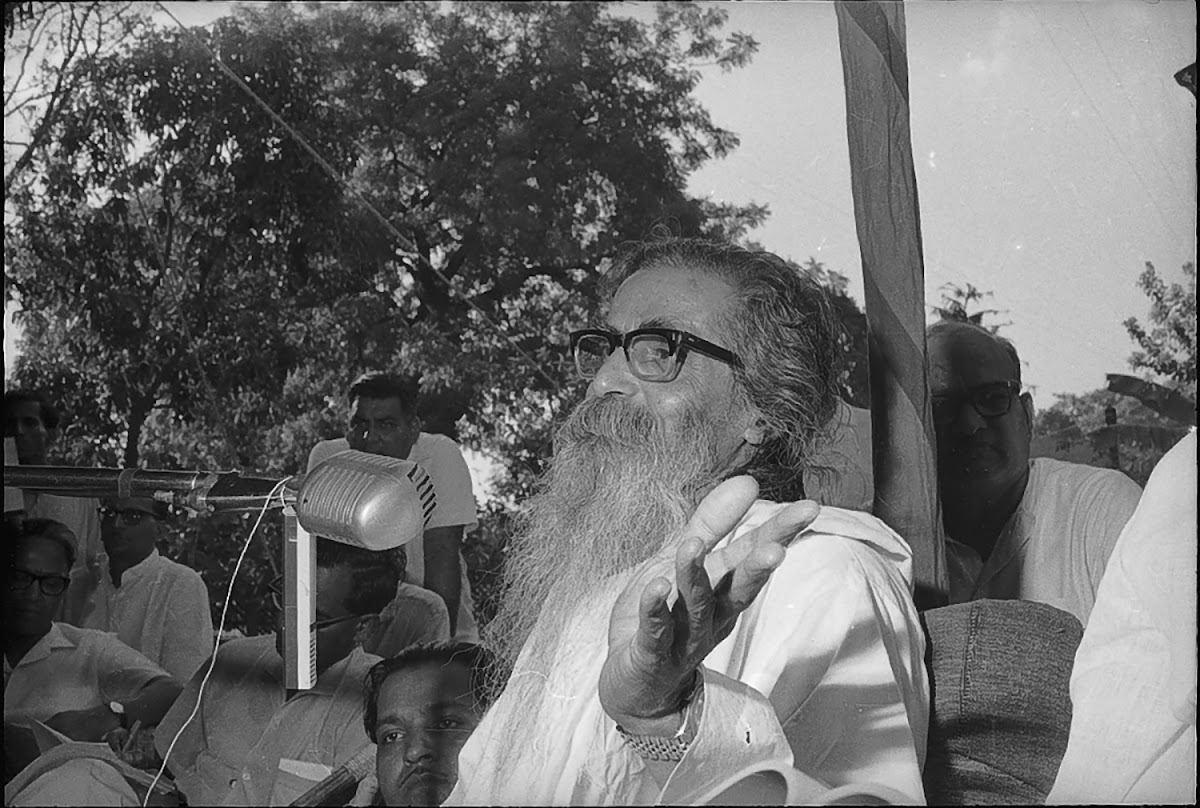
On Vijayadashami in 1925, Dr. Keshav Baliram Hedgewar founded the Rashtriya Swayamsevak Sangh (RSS) at Mohite Wada in Nagpur, gathering a small group of young men around him. He chose Dussehra, a festival associated with the triumph of Dharma over destructive forces, as the auspicious day to start the RSS. Among those early men was Anna Sohoni, who became one of the Sangh's important organisers of physical training. No one could have known that within two years, those morning drills would face a real test. When Nagpur violence erupted in 1927, Sohoni would have to take Swayamsevaks beyond the shakha and organise them for a crisis unfolding in the city's streets.
The crisis erupted on 4 September 1927, during Mahalakshmi Puja. A traditional Hindu procession was moving through Nagpur’s Mahal area, with devotees carrying idols, chanting prayers, and playing drums. As the procession approached a local mosque, a Muslim mob demanded that the drums stop. Tension rose, the procession was halted, and British police intervened. The celebration was cancelled for the day. For the people living in those lanes, the question was no longer about a procession. It was about whether their own neighbourhood was safe.
Suddenly, the tide turned. Around 2:00 PM, when many Hindu families were resting in their homes, a large Muslim crowd emerged onto the main avenues, armed with lathis, javelins, knives and daggers, and shouting slogans such as “Allah-ho-Akbar” and “Din Din.” The violent mob planned to move into the narrow lanes around Mahal, attack unguarded Hindu homes, and loot them. A spearhead group charged into one of the lanes and moved towards a residential house.
That was when Sohoni had to act. He did not allow the young men to scatter into the chaos. Sohoni divided the swayamsevaks into sixteen squads and sent them across the vulnerable neighbourhoods, giving each group an area to guard. The small training organisation that had met together at the shakha was suddenly spread across the city's lanes, each group waiting for the next threat.
They had no guns. In their hands were the lathis they had practised with at the shakha and which they ritually worshipped during Vijayadashami. As the rioters pushed into the narrow lanes, the swayamsevaks closed ranks at the entrances. Using the staff-combat techniques they had practised in training, they held their ground and blocked the advance. The unexpected resistance forced the attacking group back. Squad by squad, the young men continued to guard the vulnerable neighbourhoods, holding the entrances and keeping the rioters away from the houses behind them, ensuring that no homes or properties within their guarded zones were breached or set on fire.
For the families behind those doors, the meaning was simple. The men outside were not soldiers from a distant barracks. They were young swayamsevaks they had seen training together in their own neighbourhood. Now those familiar faces were standing between their homes and the violence outside. The violence eventually subsided after British troops and police forces were brought in to restore order. But the episode had already changed the meaning of the then-young organisation. What had begun two years earlier with a small gathering at Mohite Wada had now been tested in the streets of Nagpur. And Anna Sohoni stood at the centre of it. He had not merely gathered the swayamsevaks; he had given them order when a frightened city was descending into disorder.
Two years earlier, Vijayadashami had marked the birth of the Sangh. Two years later, in 1927, Nagpur gave that organisation its first major test. The lathi that had been a training staff was now in the hands of young men guarding their neighbourhoods; the discipline learnt at the shakha was now being tested against real danger. For Anna Sohoni, this was the moment when training became action. And for the young RSS, it was the moment when the shakha left the training ground and entered the streets.