When 12-Year-Old Keshav Resolved to Uproot the British Flag: The Astonishing Tale of Digging a Tunnel to Sitabardi Fort
Sitabardi Fort, the last bastion of the Bhosle rulers, symbolized British power; its lofty Union Jack reminded Indians of subjugation.

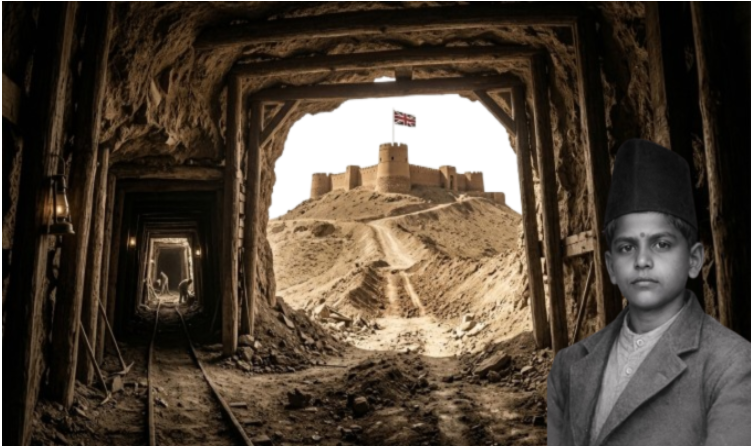
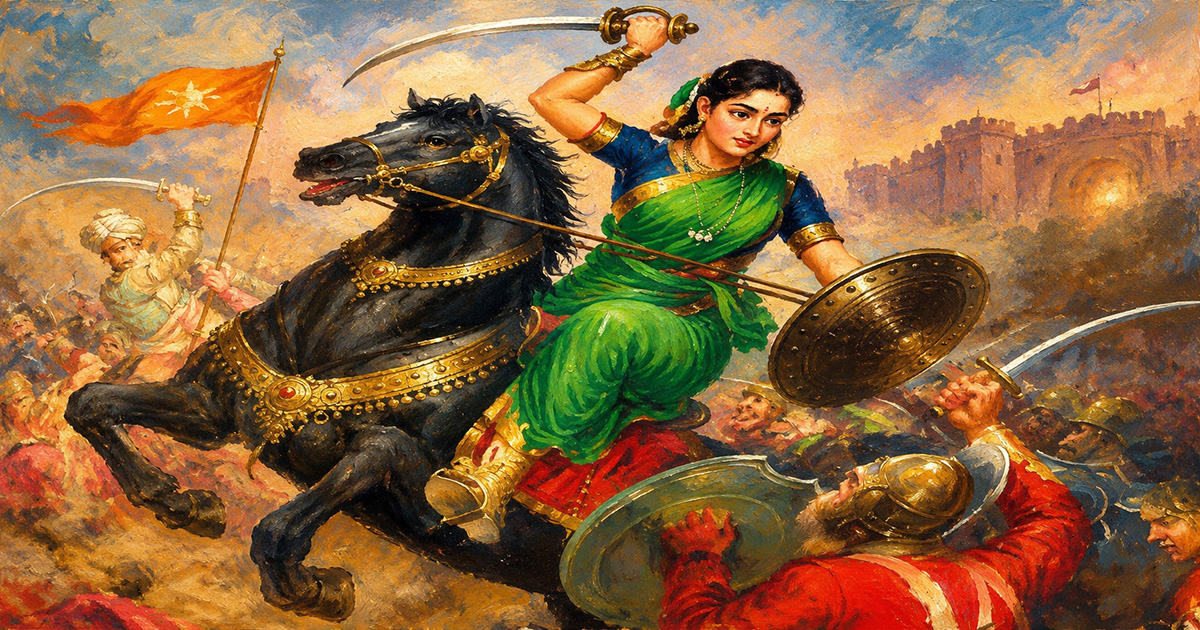
This image is AI-generated
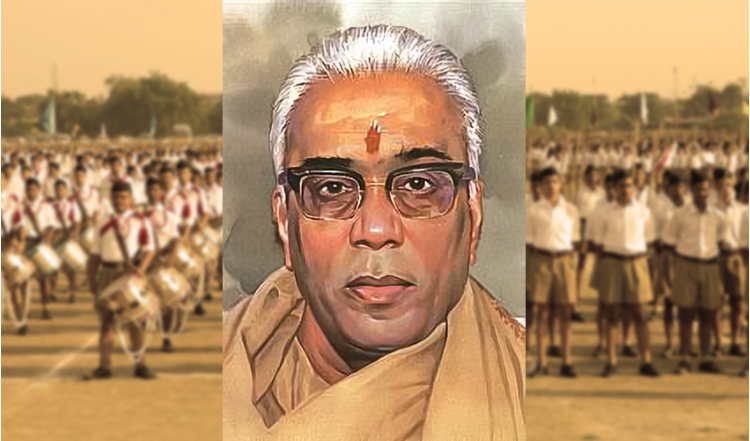
Sitabardi Fort, perched on a hill in Nagpur, stands silently today. Its walls may be cloaked in the dust of time, but the soil hides a story history has rarely highlighted. This isn't about a grand battle or organized revolt—it's the tale of an innocent 12-year-old boy, later known as Dr. Keshav Baliram Hedgewar, founder of the Rashtriya Swayamsevak Sangh (RSS). Even as a child, Keshav summoned the courage to topple British rule. Patriotism brimmed within him from boyhood. At just 12, he took a step no ordinary child could imagine: Plotting to lower the Union Jack atop Sitabardi Fort and hoist an Indian flag.
This unfolded in 1902, when India languished under full British control, atrocities peaking. Sitabardi Fort, the last bastion of the Bhosle rulers, symbolized British power; its lofty Union Jack reminded Indians of subjugation. Keshav, then 12, visited with classmates for lessons under Guru Nanaji Vaje, who regaled them with heroic tales of Chhatrapati Shivaji Maharaj, Samarth Ramdas, and Sant Dnyaneshwar. Shivaji's stories deeply impressed Keshav. Spotting the fluttering British flag, profound sorrow gripped him. He vowed silently to replace it with the saffron Bhagwa Dhwaj of Hindavi Swarajya.
Keshav's pain evolved into a plan. One day, he rallied classmates to topple the Union Jack. Lacking experience or arms, they had only defiant spirit. Inspired by Shivaji's guerrilla tactics from Guru Vaje's stories, Keshav devised a scheme: Dig a secret tunnel nearly 2 km to the fort, infiltrate, lower the flag, and raise saffron. An impossible feat even for major operations, but these children embraced it as a resolve.
The day arrived. Digging began at Nanaji Vaje's home. With tiny hands and scant tools, Keshav and friends toiled day and night, enthusiasm unwaning. It wasn't play; this was fueled by fervor. Each shovel-ful brought them closer; Keshav believed they'd reach the fort and challenge the British. The tunnel symbolized their budding pride and yearning for freedom.
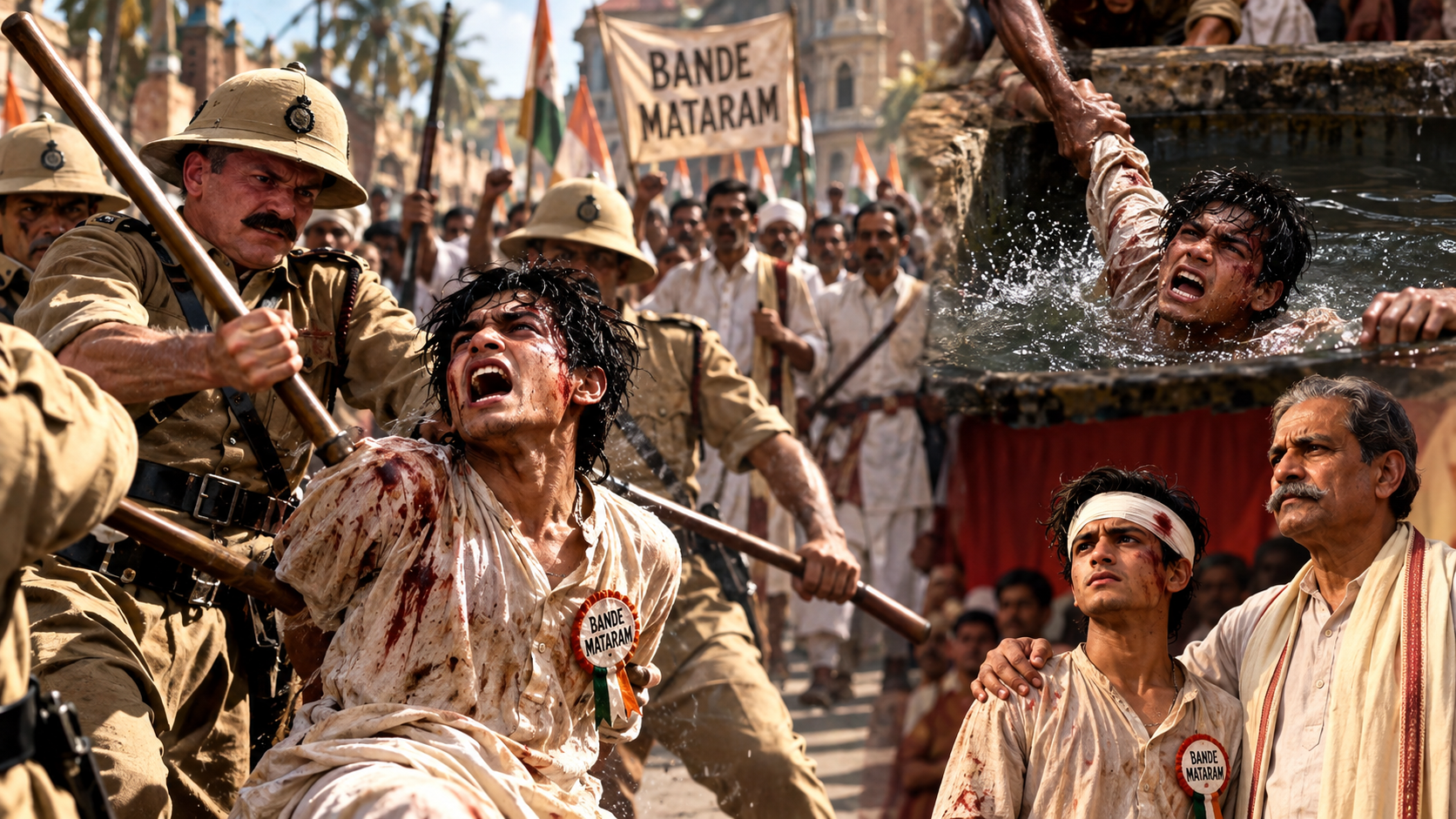
Yet every effort has limits. As digging advanced, challenges mounted: vast distance, scarce resources, and children's stamina. Nanaji Vaje discovered it, scolded them, and halted the project. Outwardly a failure—an unfinished tunnel, but its true depth lay deeper. The seed in Keshav's mind wouldn't stop. This wasn't Hedgewar's sole childhood patriotism. He led a school protest for Vande Mataram, trashed sweets on Queen Victoria's Diamond Jubilee, and learned bomb-making from Dr. Moonje, young to defy British rule.
History mentions this tunnel plot sparingly, yet it inspires society—especially RSS swayamsevaks—to serve the nation. Hedgewar teaches: Change starts not with age, resources, or circumstance, but thought and courage. It's not just an incomplete tunnel's story, but one of a mindset that forges paths, above or below ground.
.jpg)