Gandhi's Assassination, Nehru's Strategy, & Guruji's Master Stroke: How RSS Rose from 1948 Ban
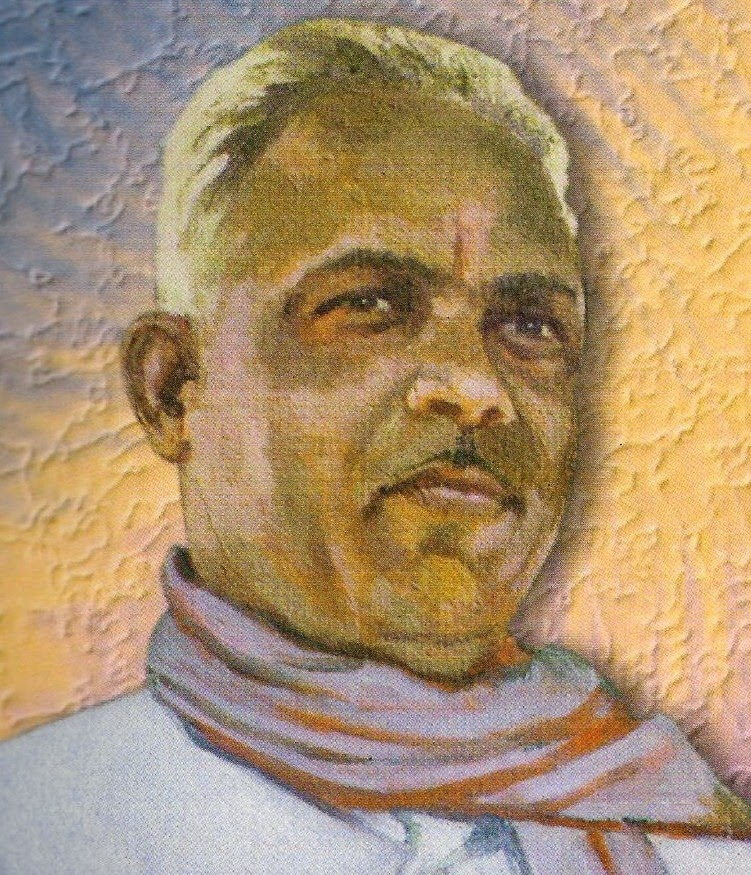
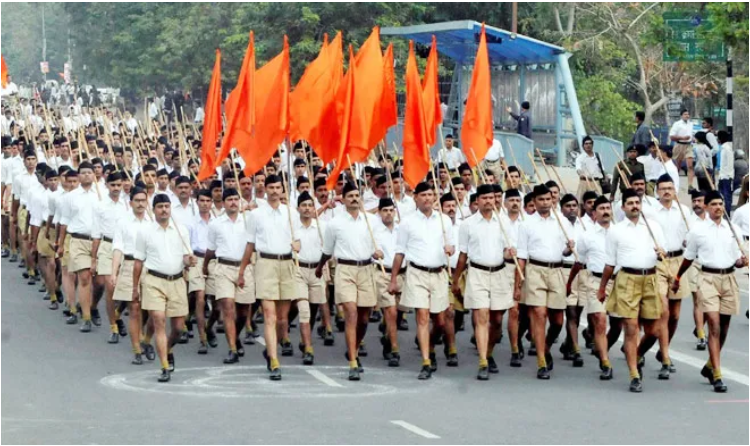
On the second day after Gandhi's death, i.e., on February 1, 1948, at midnight, the then Sarsanghchalak Shri Madhavrao Golwalkar Ji was arrested in Nagpur. Later, on February 4, a ban was imposed on the RSS.

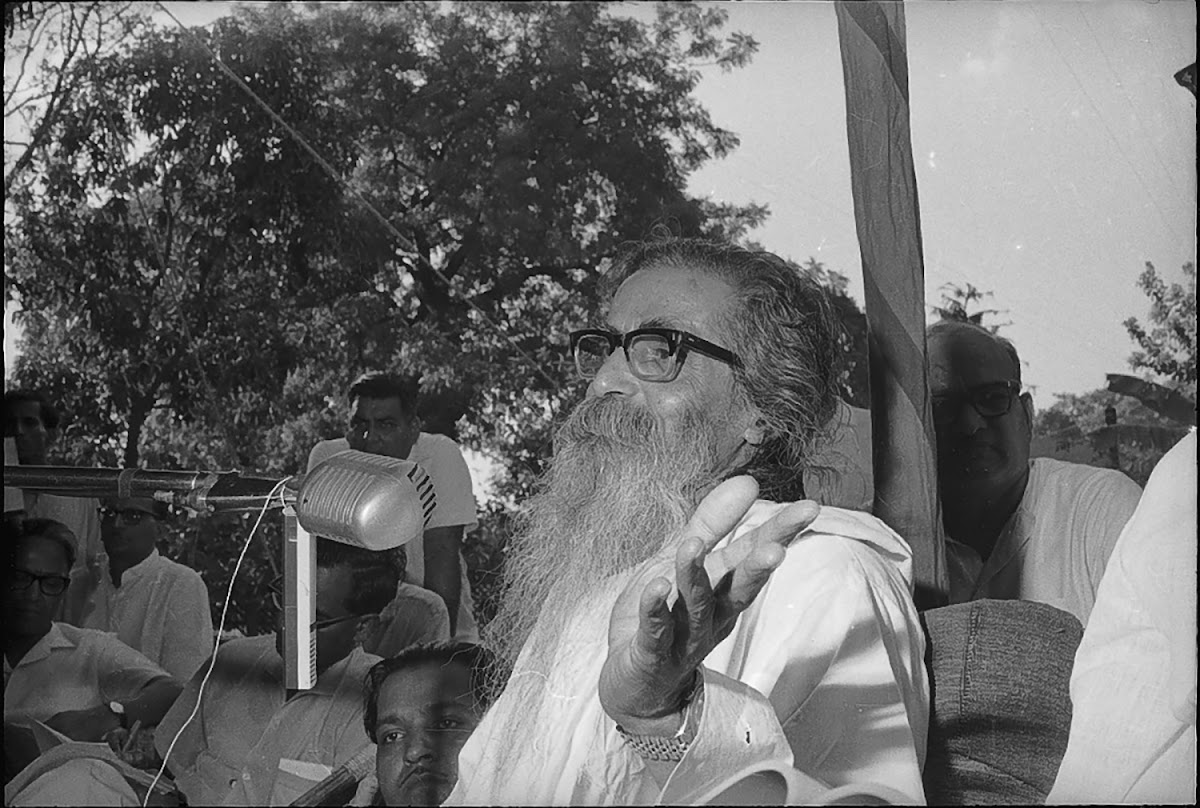
Shri Madhavrao Golwalkar Ji | Image Source: Hindustan Times
January 30, 1948, was a dark day in the history of the country. The assassination of Mahatma Gandhi plunged the country into a sea of mourning. However, behind that mourning, a huge political chessboard began. On one side, Nehru moved to consolidate power, and on the other, the RSS fought for existence. The conflict between these two changed the direction of modern Indian politics.
Nehru largely remained in his shadow as long as Gandhi lived; however, as a political vacuum rose after Gandhi’s death, Nehru quickly stepped in. He devised a strategy to permanently end his biggest ideological rival, the Rashtriya Swayamsevak Sangh or the RSS. Before Gandhi's pyre was extinguished, Nehru wanted to burn the RSS in the fire. This was not just a rage over an assassination; it was a political strategy to completely wipe out the Hindutva ideology that had already become an obstacle to his 'secular' agenda.
Nehru's Master Plan: A Roadblock to Power!
On the second day after Gandhi's death, i.e., on February 1, 1948, at midnight, the then Sarsanghchalak Shri Madhavrao Golwalkar Ji was arrested in Nagpur. Later, on February 4, a ban was imposed on the RSS. Thousands of swayamsevaks were arrested. The organization's offices were sealed. In a way, everyone thought that it was a 'death sentence' for the very existence of the Sangh. Even though there was no evidence, and despite the then-Sardar Vallabhai Patel’s clean chit to RSS, Nehru did not relent. Instead, he branded the Sangh as an "anarchic force", with an aim to eliminate Hindutva ideology in the country.
On the one hand, there was a brutal accusation against the Sangh, and on the other, there was concern about its future. In this context, the days that Guruji spent within the walls of the prison were not just a time of captivity, but a great intellectual awakening. While thousands of activists were being imprisoned outside, and millions were being branded as 'murderers,' he bore that pain silently. That's when the struggle began on both sides. First, Guruji called for Satyagraha. He gave messages to the Swayamsevaks from prison. As a result, 60,000 Swayamsevaks were voluntarily arrested. The prisons were filled with slogans of 'Bharat Mata ki Jai'. This was the first time in the history of the world that a banned organization had carried out 'Satyagraha' so peacefully and on such a large scale.
The Patriotic Mantra that Moved Patel
At the same time, Guruji reached Patel, the then-Home Minister, who had an ideological gap with Nehru. In this context, he wrote letters to Patel. He also expressed concern that communism was spreading rapidly in the country. This was a threat to Indian culture and democracy. He explained to Patel that putting disciplined RSS swayamsevaks in jail at such a difficult time would only benefit the destructive forces. He also announced that they were ready to work together if asked for help in solving the problems facing the country.
The Sangh Parivar Born Out of Crisis
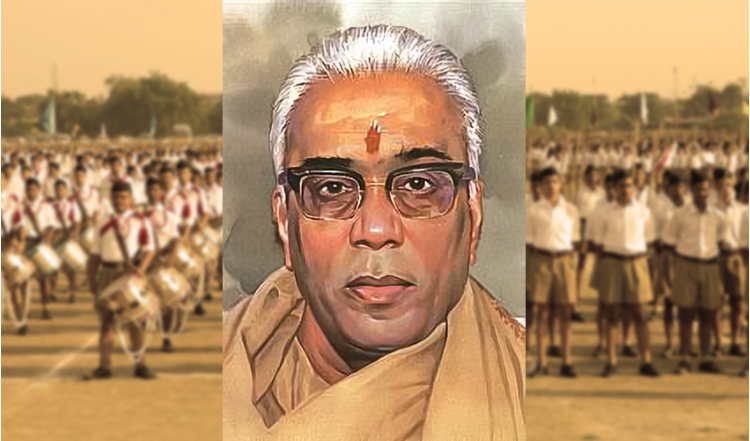
Finally, after about 18 months, the Nehru government lifted the ban on the Sangh in July 1949. However, it imposed a condition that "the Sangh should have a constitution". Guruji held long discussions on this. It was then that Guruji decided not to keep the Sangh just an organization. If the government banned it again in the future, he decentralized the system with the intention of not stopping the movement. ABVP for students, BMS for workers: The Sangh expanded into different sectors. Instead of weakening the RSS, Nehru's moves gave it a 'legal shield' and a 'clear goal'. The 1948 ban could not kill the Sangh, but it did transform the Sangh into a well-trained, versatile world-class system.