Operation All Clear: The Historic India-Bhutan Operation That Destroyed 30 Insurgent Camps
On August 8, 1949, India and Bhutan signed the Treaty of Friendship, establishing a relationship that would become one of the most stable and trusted partnerships in South Asia.

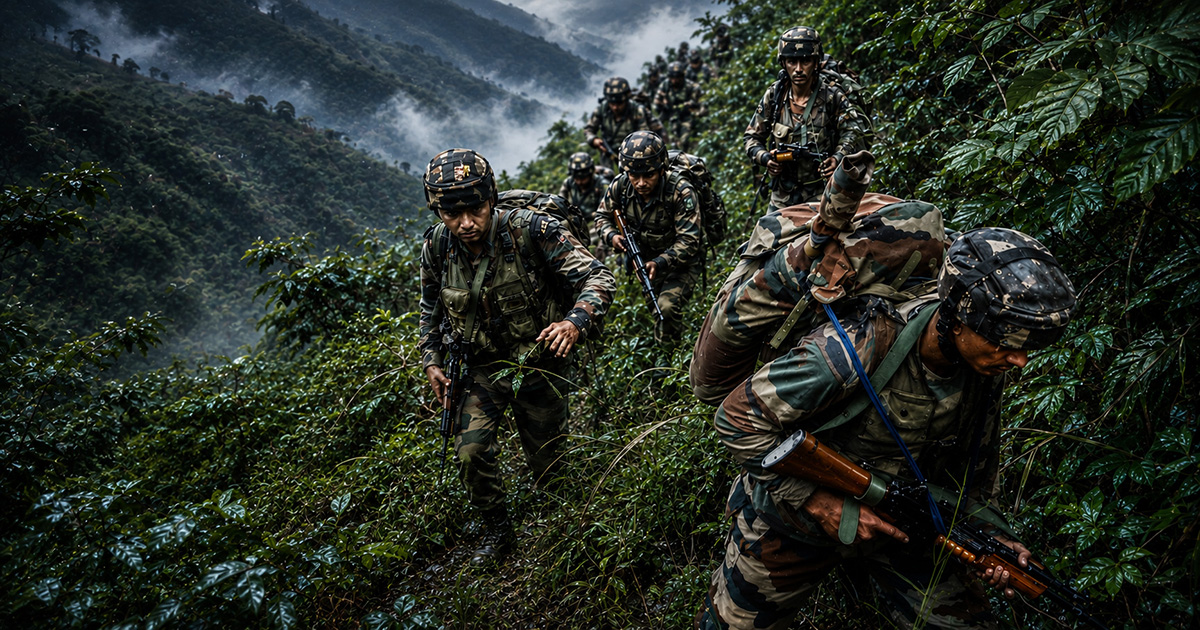
"Operation All Clear" in Bhutan | This image is AI-generated
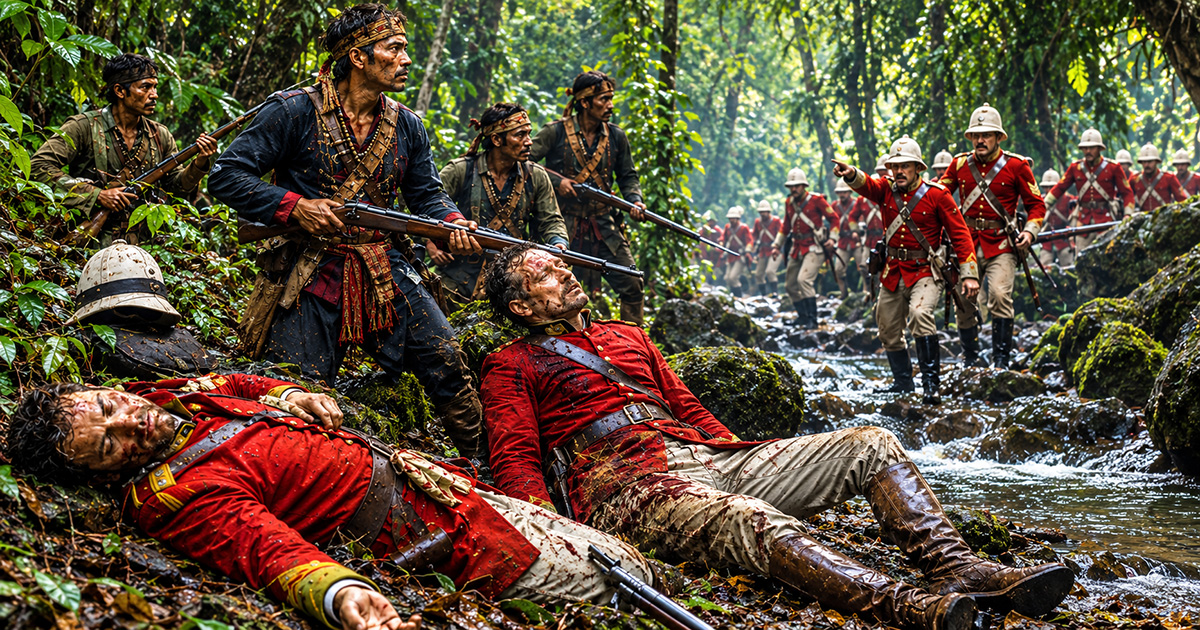
On December 15, 2003, nearly 6,000 soldiers of the Royal Bhutan Army marched into the dense forests of southern Bhutan and launched a military operation, “Operation All Clear.” It was unlike anything the kingdom had attempted in over a century. Their target was insurgent groups, ULFA, NDFB, and KLO, which had taken a safe haven in Bhutan's remote jungles, turning them into fortified bases for launching attacks against India. Using vital intelligence provided by India, within weeks, dozens of insurgent camps were destroyed, hundreds of insurgents were captured or neutralized, and a major threat to Northeast India's security was dismantled. But why would a small Himalayan kingdom risk the lives of its soldiers to eliminate insurgent groups whose primary target was another country? Why would Bhutan undertake its first major military campaign in more than 140 years for an issue that many nations might have simply ignored? The answer lies in a friendship forged decades earlier.
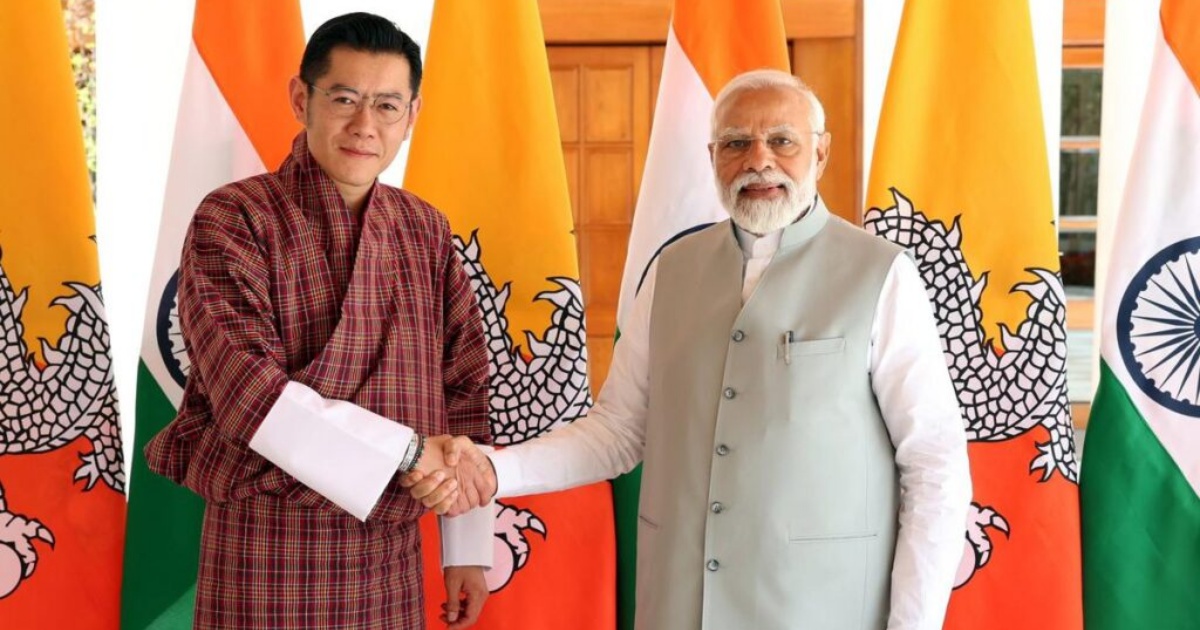
On August 8, 1949, India and Bhutan signed the Treaty of Friendship, establishing a relationship that would become one of the most stable and trusted partnerships in South Asia. While the treaty focused on peace, non-interference, and mutual cooperation, it gradually created something even more valuable—strategic trust. Over the following decades, India emerged as Bhutan's closest development and security partner, while Bhutan became one of India's most reliable friends in the Himalayan region. This trust would eventually be tested when insurgent groups from Northeast India found refuge inside Bhutan's borders.
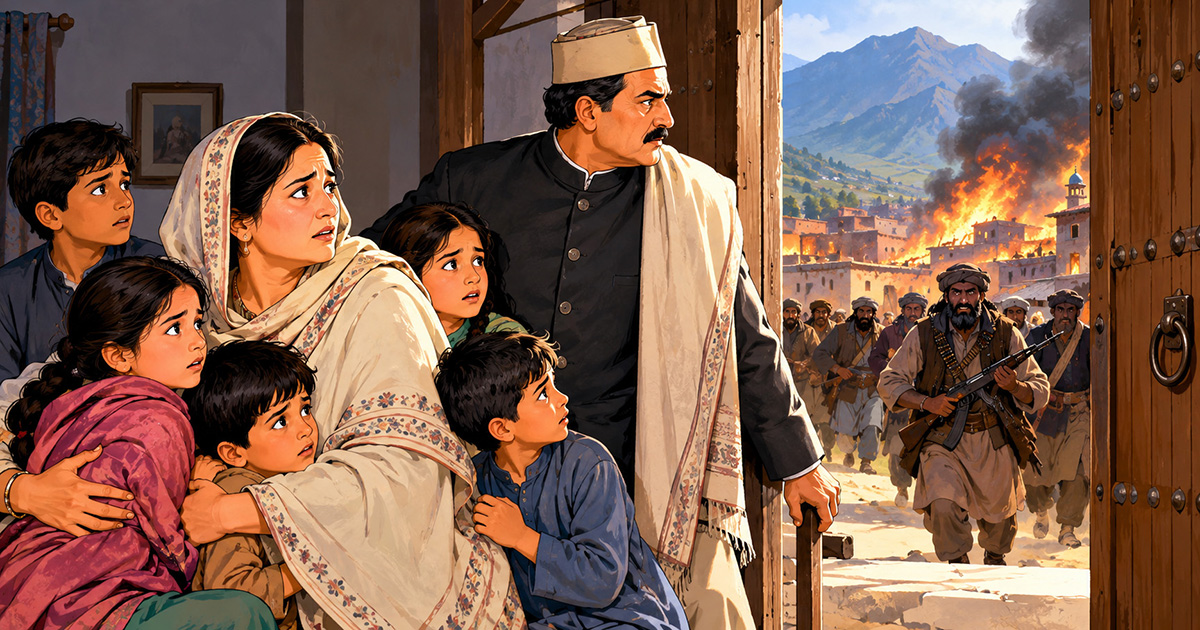
In the 1980s and 1990s onwards, insurgent groups such as the United Liberation Front of Asom (ULFA), the National Democratic Front of Bodoland (NDFB), and the Kamtapur Liberation Organisation (KLO), demanding the separation of Assam from India, established a network of camps in the thick forests of southern Bhutan. Protected by difficult terrain and international borders, these groups built training centres, arms depots, and operational bases from which they launched attacks in India before retreating to safety. For India, the camps represented a serious security threat, and it raised concerns with Bhutan. Compelled to respond owing to threats to India, the Bhutanese government initially chose a peaceful path. Throughout the late 1990s and early 2000s, the country repeatedly attempted negotiations, urging the insurgent groups to leave voluntarily. However, the insurgent groups treated these efforts as a sign of weakness and continued strengthening their presence.
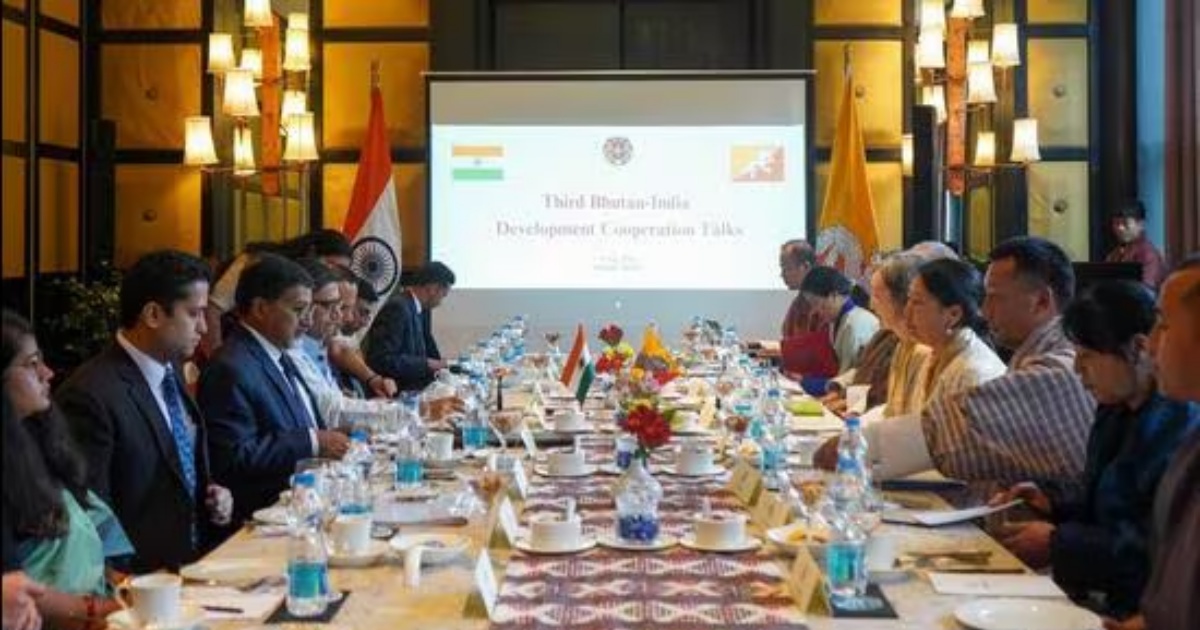
As the problem worsened, India again raised its concerns with Bhutan. This was not the relationship of a powerful country issuing commands to a smaller neighbour. Instead, it was the result of decades of confidence built under the framework of the India-Bhutan friendship treaty. Both nations increasingly recognized that the security of one could not be separated from the security of the other. Hence, on July 14, 2003, after extensive deliberations, Bhutan's National Assembly approved military action against the insurgent camps. What followed was months of meticulous preparation, in close association with India. Indian intelligence agencies, particularly R&AW, gathered crucial information on their positions, supply routes, training centres, and weapons stockpiles. This intelligence was shared with the Royal Bhutan Army, enabling it to plan an operation with unprecedented precision.
The mission received extraordinary importance from Bhutan's leadership. King Jigme Singye Wangchuck personally oversaw preparations and played a direct role in the campaign. Two days before the operation commenced, he spoke with Indian Prime Minister Atal Bihari Vajpayee, informing him of Bhutan's final decision. Vajpayee assured Bhutan of India's complete support. Then came the decisive moment.
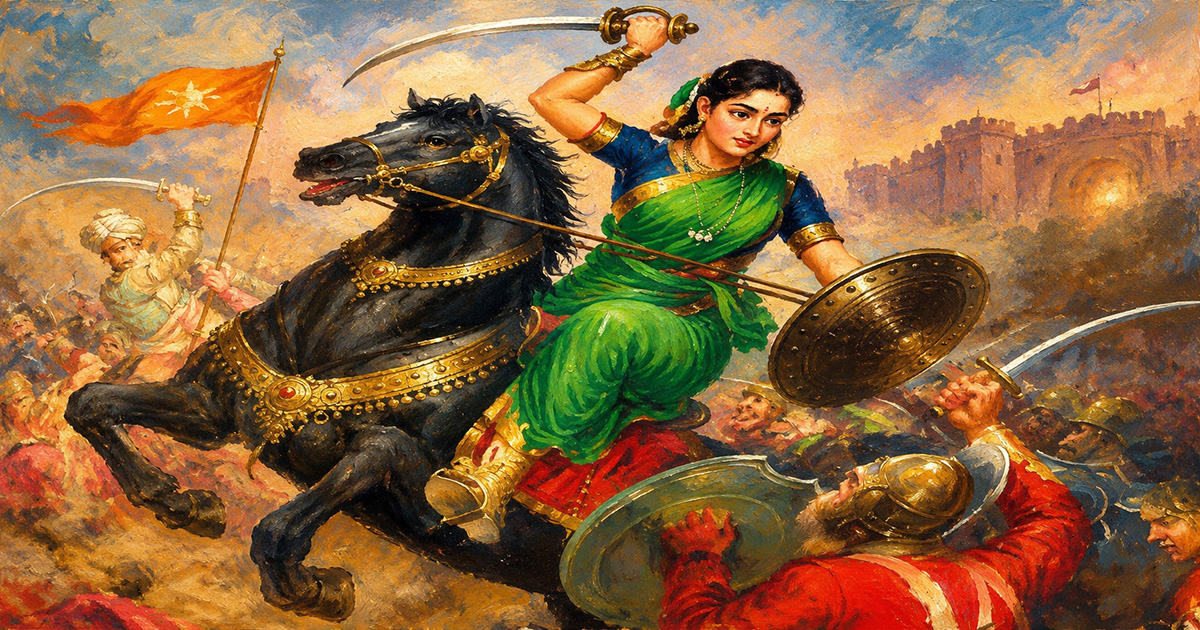
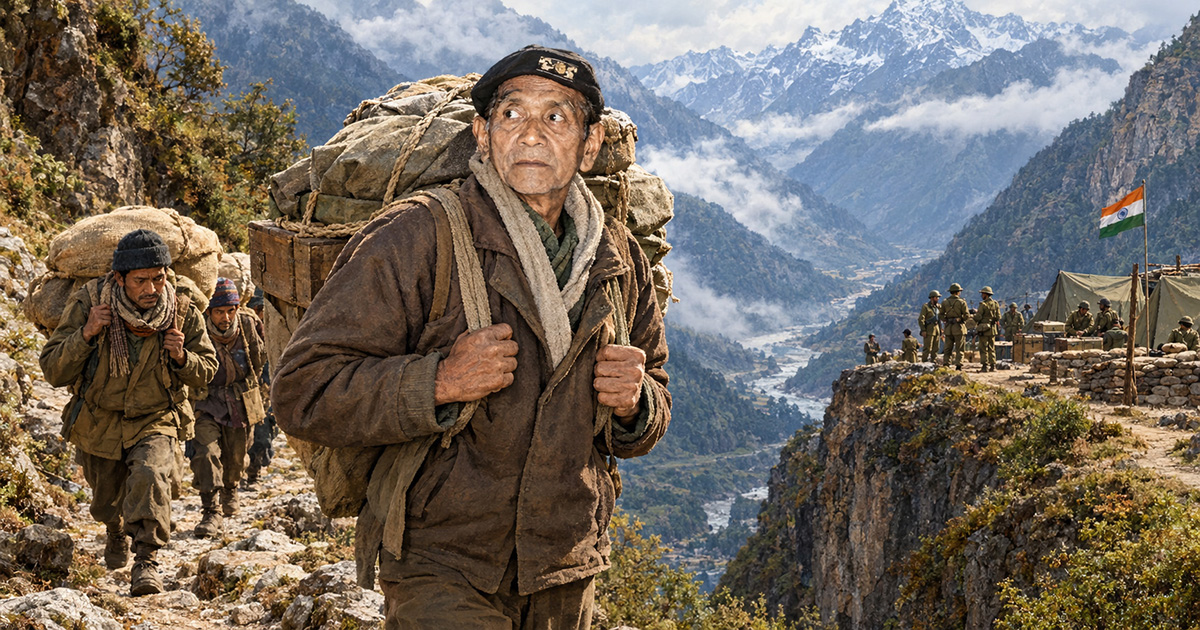
On December 15, 2003, Bhutan launched “Operation All Clear”. Backed by Indian logistical, intelligence, and medical assistance, Royal Bhutan Army units struck insurgent camps across southern Bhutan. R&AW continued monitoring militant communications throughout the operation, helping Bhutanese forces anticipate enemy movements and disrupt escape plans.
The results were dramatic. Within three weeks, all major insurgent camps had been destroyed. Hundreds were killed, captured, or forced to flee. Vast quantities of weapons and ammunition were seized. More importantly, insurgent groups lost the secure sanctuary that had enabled their operations for years.
For Northeast India, the operation marked a turning point in the fight against insurgency. But it also demonstrated something equally significant—that diplomacy, trust, and long-term partnership could achieve outcomes that military force alone often could not. Operation All Clear remains one of the finest examples of regional security cooperation in South Asia. It was not simply a battlefield victory. It was the culmination of more than five decades of friendship between India and Bhutan—a friendship strong enough to transform a diplomatic partnership into decisive action when the moment demanded it.