How Panna Dai Sacrificed Her Own Son to Save Udai Singh, the Future of Mewar?
Too young to defend himself, Rana Udai Singh's fate rested in the hands of one woman whose loyalty saved Mewar. This woman was Panna Dai.

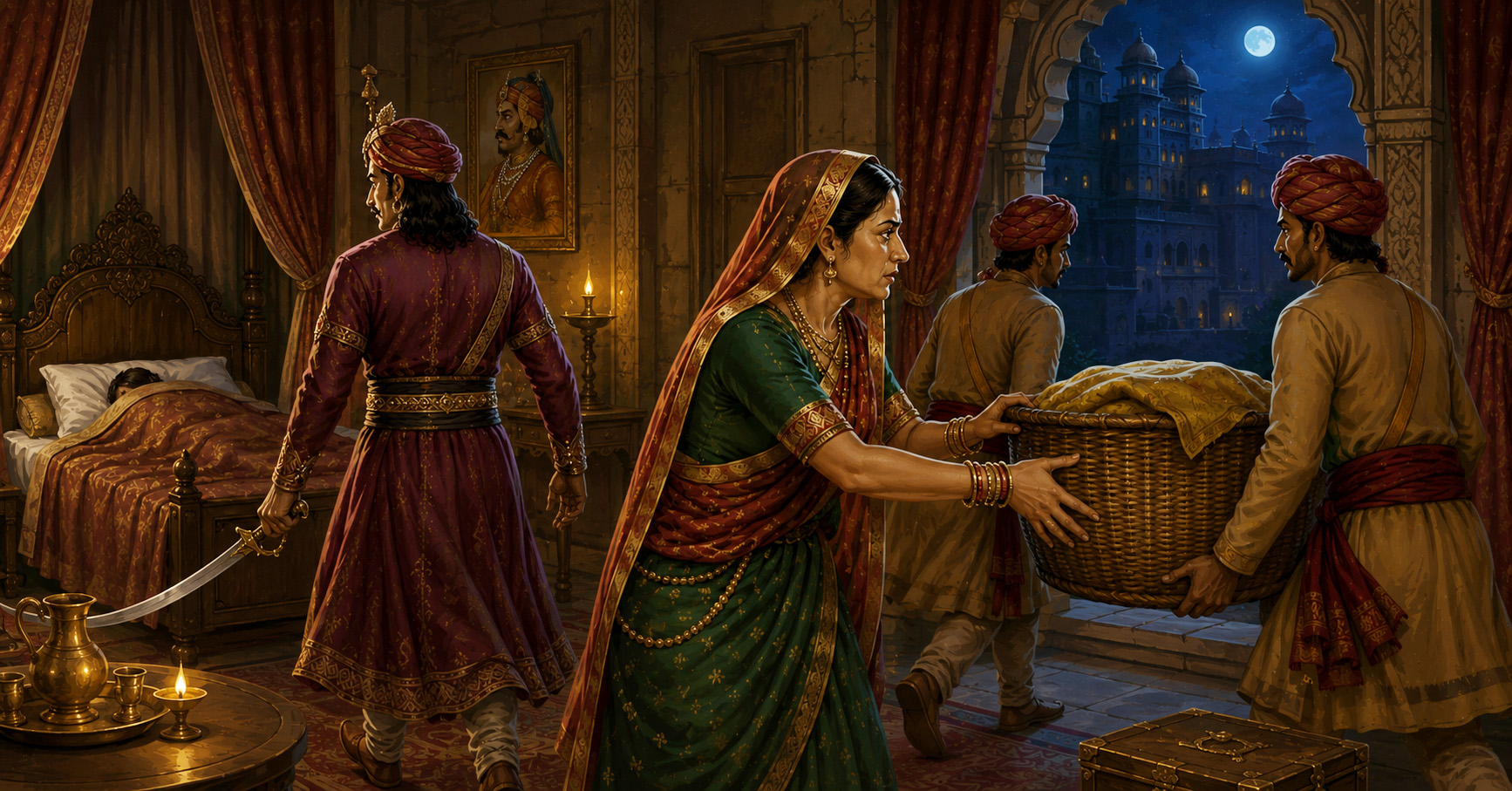
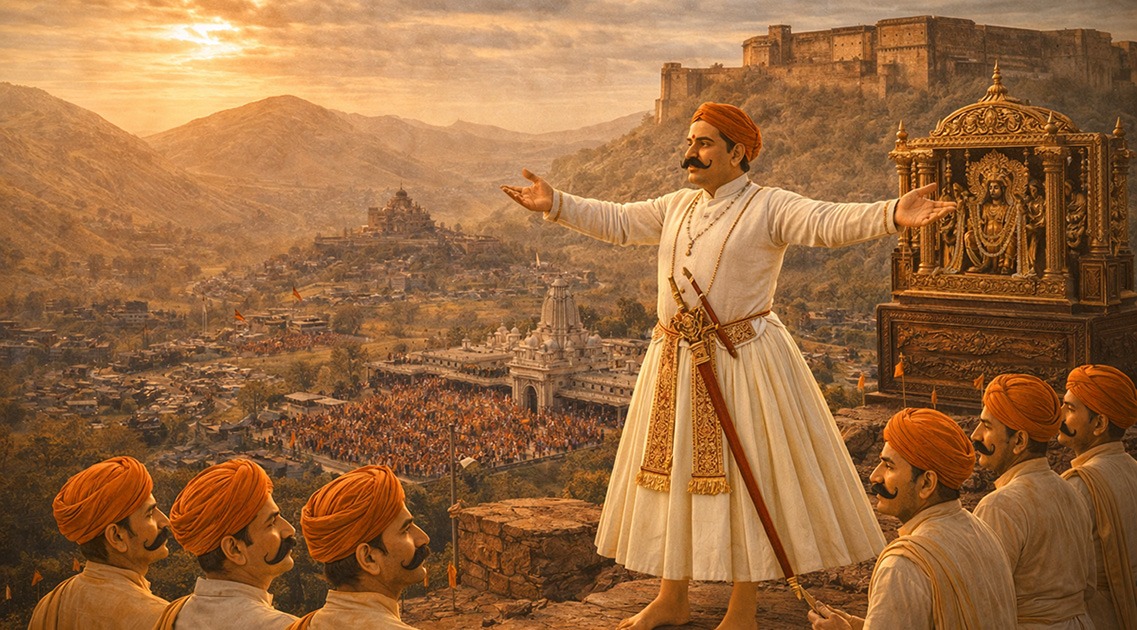
Rana Udai Singh, the future of Mewar saved by the Panna Dai | This image is AI-generated
Following the death of Rana Sanga (Maharana Sangram Singh I), the legendary Rajput ruler of Mewar, on January 30, 1528, the mighty kingdom was passing through one of the darkest periods in its history. The glory of Mewar seemed to be fading as a result of political instability and quick power shifts. Amid this uncertainty stood a young prince, Udai Singh, the surviving son of Rana Sanga and the rightful heir to the throne of Mewar. Too young to defend himself, the prince's fate rested in the hands of one woman whose loyalty saved Mewar. This woman was Panna Dai. She was not a queen, nor a noblewoman. She was the prince's nurse, also known as Dhai, entrusted with Udai Singh’s care from infancy. In the royal households, a dhai was often regarded as a second mother, bound to the child by affection, duty, and honor.
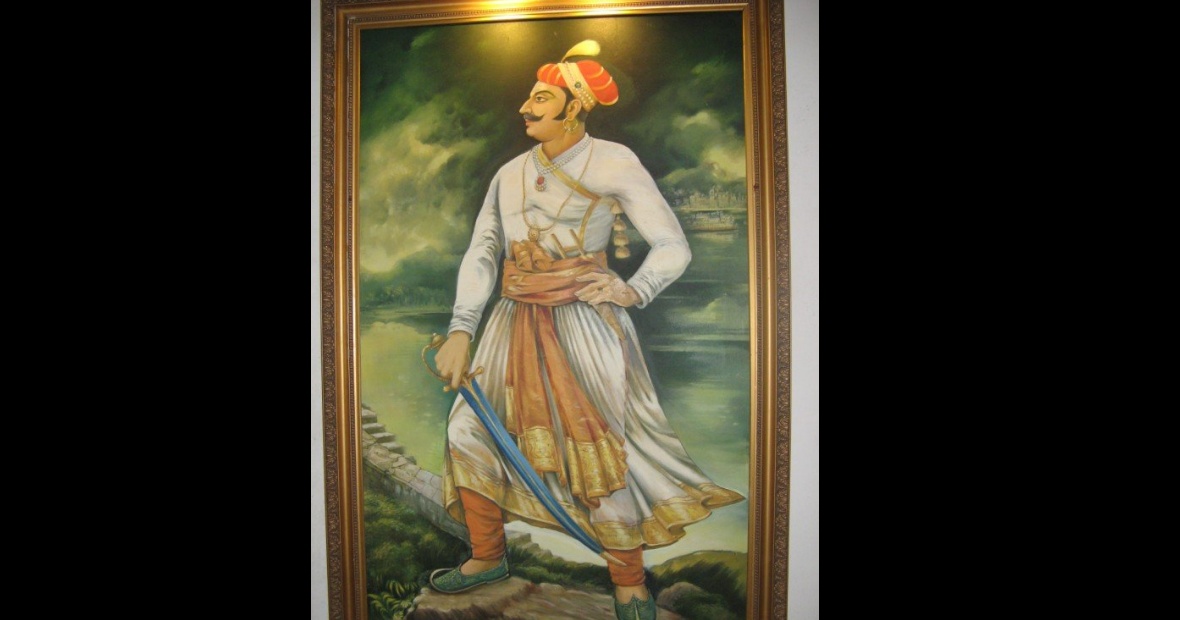
After the death of his mother, Rani Karnavati, on March 8, 1535, Udai Singh depended even more heavily on Panna Dai's protection. She watched over him as he grew, unaware that powerful enemies viewed him as an obstacle to their ambitions. Among those enemies was Banvir. He was the nephew of Rana Sanga, who sat on the throne of Mewar in 1536, after assassinating the then-King Vikramaditya, the second son of Rana Sanga. With Vikramaditya’s death, only one person stood between Banvir and complete control of the kingdom—the young Prince Udai Singh.
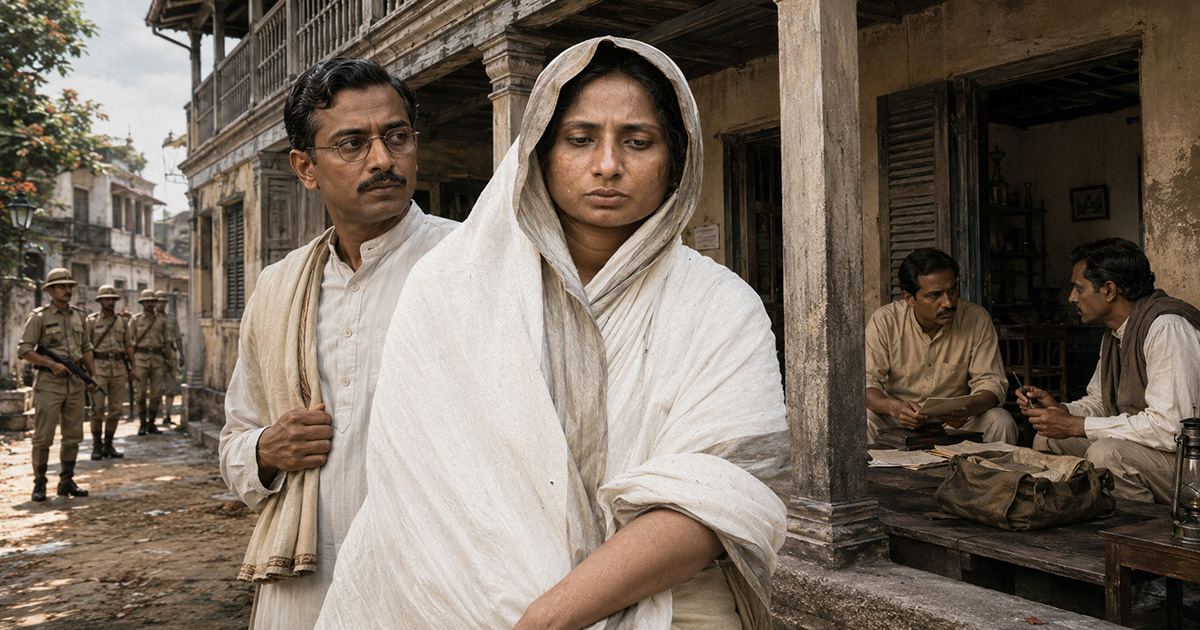
News of Banvir's intentions spread quietly through the palace corridors. One evening, a trusted servant rushed to Panna Dai with terrifying information that Banvir was planning to assassinate the other rightful heir in his hunger for power. Panna Dai immediately understood the danger. There was no time to seek help. No army could be summoned. No loyal noble could arrive in time to save the child.
Only a few moments remained to make a decision. In the chamber, the sleeping prince, who was around 14 years old at that time, lay unaware of the deadly threat approaching him. Faced with an impossible choice, Panna Dai made a decision that would echo through the centuries.
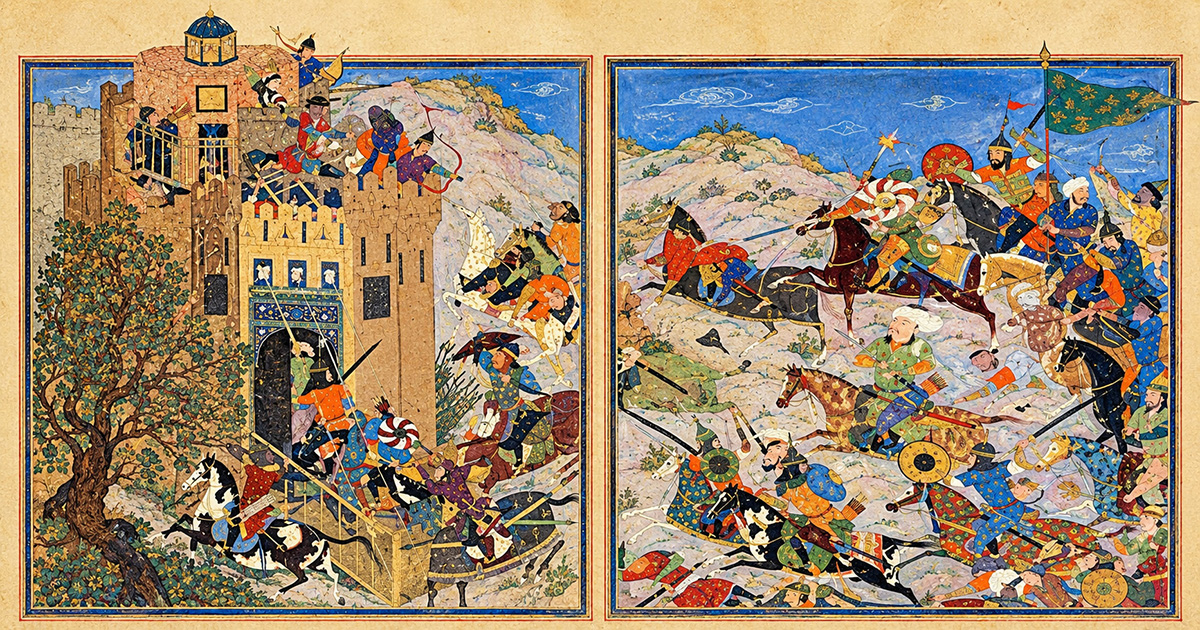
Banvir assassinates the sleeping Mewar prince | Image Source: Asking Minds 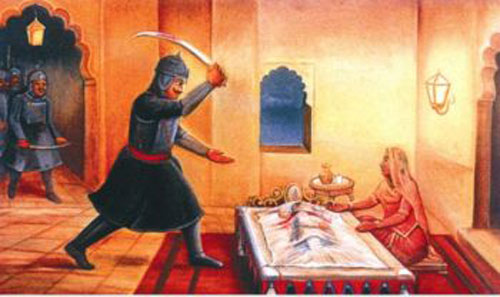
She quietly woke trusted attendants and instructed them to prepare for a secret escape. According to traditional accounts, Udai Singh was concealed in a basket and carried out of the palace under the cover of darkness. The servants slipped through hidden passages and away from the reach of Banvir's men. Once the prince was safely on his way, Panna Dai returned to the chamber.
Then came the moment that transformed her into a symbol of ultimate sacrifice. She placed her own son, Chandan, a boy of similar age, in the royal bed where Udai Singh had been sleeping. A few moments later, Banvir arrived with armed forces driven by ambition to eliminate the final obstacle to his rule. Believing the boy to be Udai Singh, Banvir struck his sword without hesitation. The child was killed.
Panna Dai witnessed the death of her own son, yet she revealed nothing. She neither cried out nor revealed the truth. Her silence ensured that Banvir remained convinced he had succeeded.
However, he was unaware that the rightful heir to Mewar was alive. The child who had died was Panna Dai's own son. The sacrifice was immense. A mother had willingly given up the life of her child to preserve the future of a kingdom. Few acts in history demand a greater personal cost.
Meanwhile, the prince found protection at the formidable fort of Kumbhalgarh, where Udai Singh lived in disguise and gained military knowledge. Gradually, loyal nobles learned that the legitimate heir had survived. Four years passed in secrecy, and then, finally, in 1540, the nobles of Mewar united against Banvir, and he was defeated. Udai Singh was restored to his rightful position and crowned ruler of Mewar.
The consequences of Panna Dai's sacrifice extended far beyond that single night. Had Panna Dai chosen differently, the history of Mewar might have taken an entirely different course. Today, centuries later, her name remains synonymous with loyalty, courage, and selfless devotion.