The Tale of the Rajput King and Lord Shri Nath ji: How Mewar preserved what Mughals tried to destroy

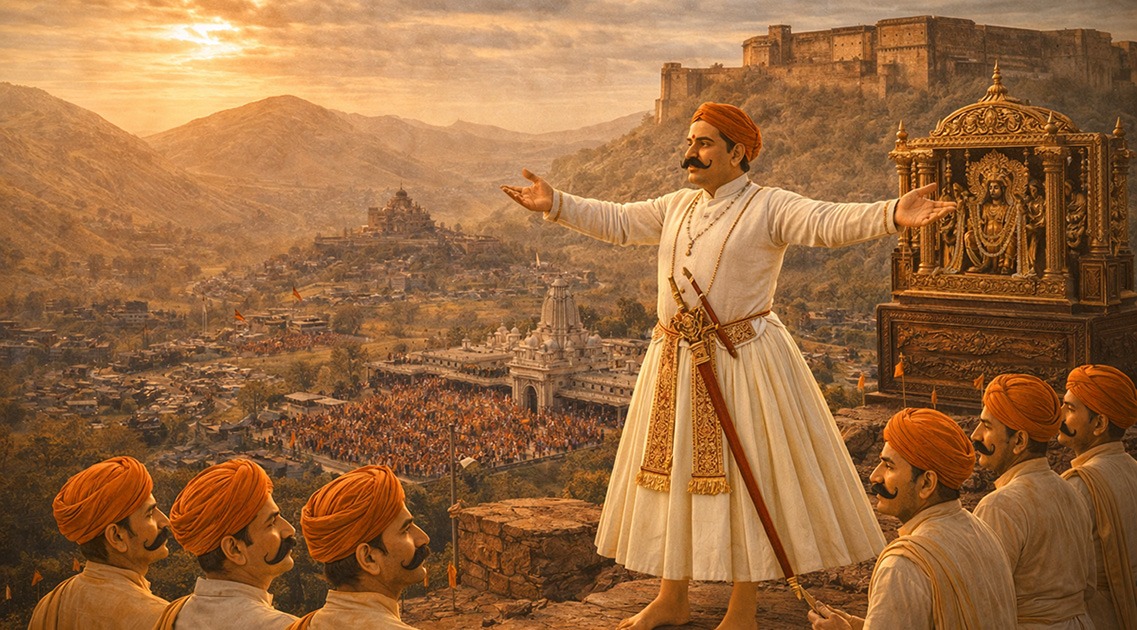
This image is AI-generated
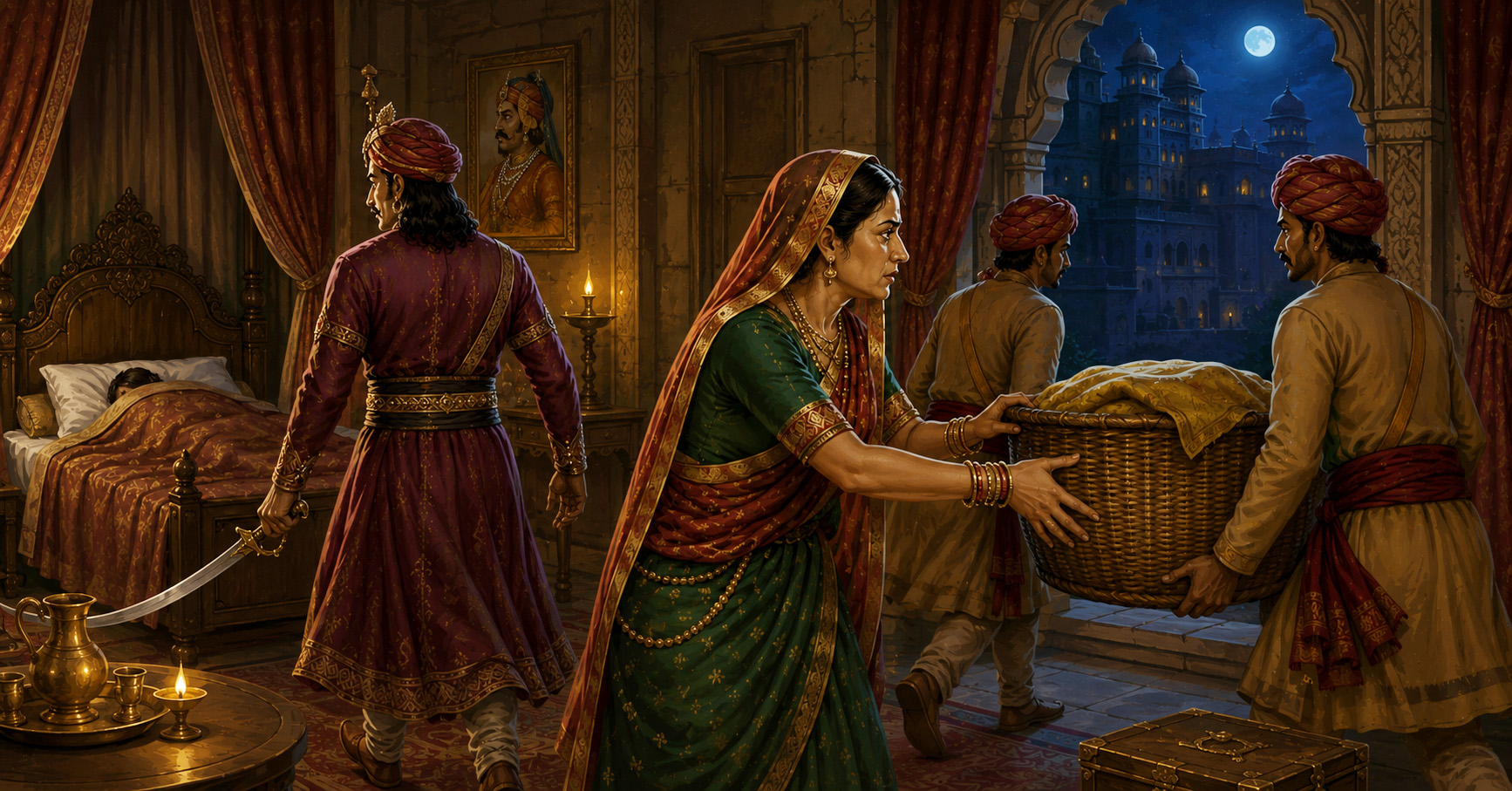
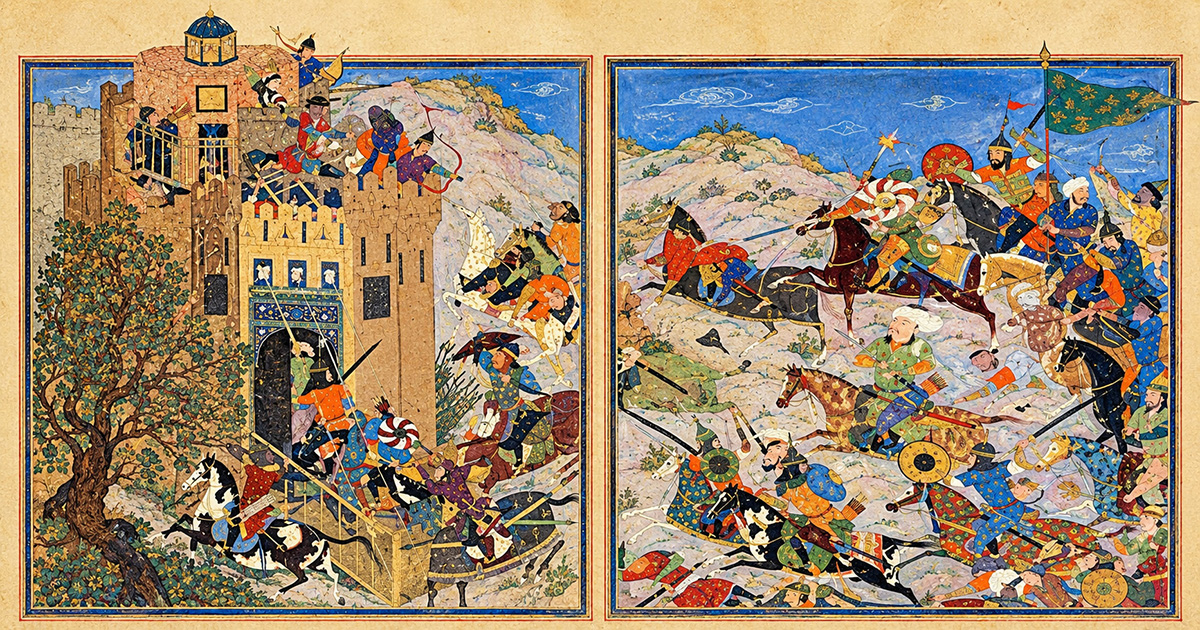
In 1669, the Mughal ruler Aurangzeb ordered the systematic destruction of major Hindu temples across North India. Within months, sacred structures in Mathura and the Braj region were brought down. One of the most revered deities, ‘Shrinath Ji’, the child form of Shri Krishna, faced the risk of desecration. Yet the idol did not fall with the temple. It was moved. For nearly 3 years, it moved quietly across northern India, hidden, guarded, displaced. The Idol was taken on a 32-month journey before it was reinstalled in Sinhad. How did this sacred image survive one of the most assertive phases of Mughal power? The answer lies in a decision taken in 1671 in the Kingdom of Mewar.

How the idol of Shrinathji found a new abode in Maharana Raj Singh’s Mewar | Image Source: NathDwara Temple
The demolition of the Keshav Rai temple in Mathura in 1670 sent shockwaves through Vaishnava communities. Devotees removed sacred images before soldiers could seize them. Among them was the idol of Shri Nath Ji, worshipped in Govardhan. For nearly two years (1669-1671), the image was transported discreetly across northern India, seeking refuge. Temples could be destroyed. Idols could be hidden. The question was: who would risk sheltering them?
By 1671, the caravan carrying Shrinath Ji reached the dominion of Maharana Raj Singh (1652-1680). Mewar was not a minor estate. It was one of the few Rajput states that had consistently resisted full Mughal submission. Raj Singh granted sanctuary. The Idol was installed at Sinhad (later Nathdwara) in 1672. But why only Sinhad? This was not merely religious patronage. It was a sovereign decision: to provide permanent protection to a displaced sacred centre at a time when Mughal power remained formidable. But there is another interesting story around it… When the wheel of the chariot carrying Lord Shrinath Ji’s idol got stuck in the mud at a place called Sihar, the Rana saw it as a divine sign. He felt that Shri Krishna wished to settle there, and thus a temple was built at this spot, and the holy township of Nathdwara grew around the temple.

The idol of the Shrinath ji was the only thing the devotees could protect | Image Source: India Today
Raj Singh did not attempt symbolic retaliation. He did not march on Mathura. Instead, he fortified what he could control. The Aravalli terrain became both shield and signal. His forces engaged in sustained resistance from 1678 onward during the Rajputs’ resistance against the Mughals, particularly after the Marwar succession crisis. Temples in Mewar faced pressure, and many in the wider region were damaged. Yet core institutions– including Eklingji, the Sisodia tutelary shrine- remained functioning. Preservation, not provocation, was the strategy.
The survival of Shrinathji at Nathdwara became more than an episode of relocation. It marked the transfer of a sacred geography. Many don’t know, but Raj Singh assigned 100,000 soldiers to shield the deity. What had been centred in Braj found continuity in Mewar. Pilgrimage networks re-formed. Ritual economies revived. The idol was not merely saved from destruction; it was re-institutionalised under Rajput protection. This was statecraft expressed through sanctuary. The Empire could dismantle stone, but the sacred institution was fortified under Rajput protection.
Maharana Raj Singh died on 22 October 1680, after nearly three decades on the throne. His kingdom was strained by war but remained politically autonomous. The idol he protected continues to be worshipped at Nathdwara more than 350 years later. Temples can be destroyed in months. Traditions endure if power protects them. The story of Shri Nathji is not merely about iconoclasm; it is also about perspective and intention, Strategic preservation of faith. When the empire exerted force, Mewar offered sanctuary- and in doing so ensured that the legacy would be protected despite inevitable destruction.