General Thimayya's Patriotism vs. Nehru's Arrogance: When an Insult Became a 'National Shame'

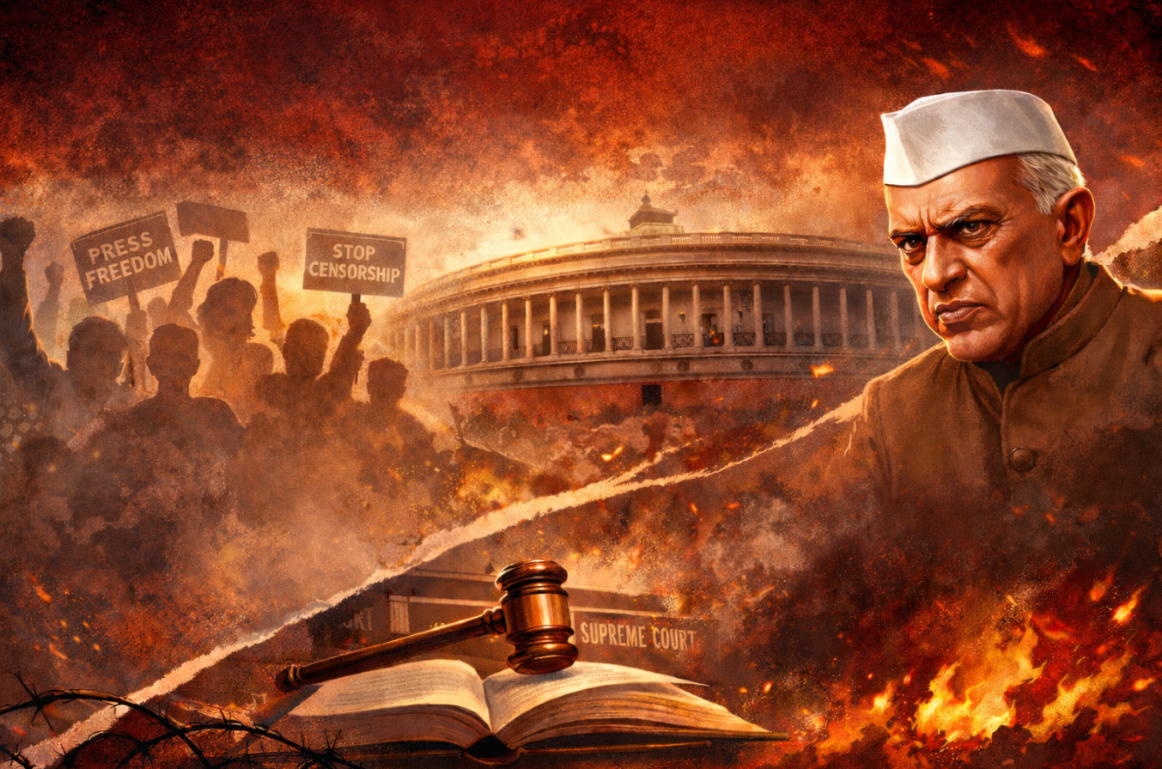
This image is AI-generated
A war hero who crushed enemies in World War II and defeated Pakistan in 1948, yet faced humiliation and conspiracy from his own Defense Minister and Prime Minister. He was General Kodandera Subayya Thimayya, India's Chief of Army Staff from 1957 to 1961. Amid the hollow slogan 'Hindi-Chini Bhai-Bhai,' he warned Nehru of China's expansionist designs on the border. General Thimayya foresaw China's policy early on. But Nehru and Defense Minister VK Krishna Menon not only dismissed his warnings but humiliated him, forcing his resignation from the Army Chief post. This is the true story of a clash between a hero's patriotism and arrogance, which cost us vast territory to China.
Rising Tensions Begin (1957 Onward)
The saga starts in 1957 when General Kodandera Subayya Thimayya became Army Chief. China's imperialist ambitions peaked then. Having occupied Tibet in the 1950s, China's eyes turned to India. Sensing this, Thimayya alerted Prime Minister Jawaharlal Nehru, urging army strengthening. But Nehru took no concrete steps. Instead, on Menon's advice, he slashed the defense budget to a mere 305 crore rupees - a joke against China's threat.
Critical Turning Point (1959-60)
The pivotal moment came in 1959-60 when China seized Aksai Chin and rejected the McMahon Line. Thimayya sensed the Northeast border crisis. He organized an army exercise at the Red Fort, led by Lt. Gen. SPP Thorat until March 17, 1960. This drill mirrored harsh realities: acute shortages in weapons, ammunition, and equipment. Army Chief Thimayya reported this to Defense Minister Menon, demanding more recruitment, modern arms, and border development. Menon rejected it outright.
Direct Plea to Nehru
Amid rising Sino-Indian tensions, Thimayya met Nehru directly, laying bare the weak Eastern Command and resource deficits. But Menon got wind of it. Oblivious to border threats, Minister VK Krishna Menon reprimanded Army Chief Thimayya for bypassing him to approach the PM.

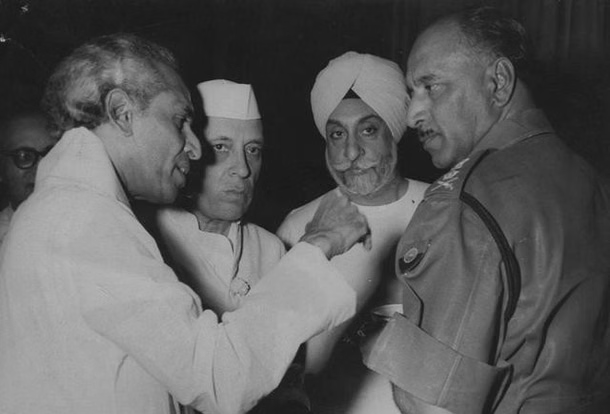
Congress MP TS Chettiar had demanded an answer from Nehru regarding Army Chief Thimayya's resignation | Image Source: Perform India
Resignation Drama
In anger and humiliation, he tendered resignation on August 31, 1959. Panicked, Nehru summoned him that evening, urging withdrawal in the national interest. Patriotism prevailed; the stern Thimayya rescinded it.
Parliamentary Storm
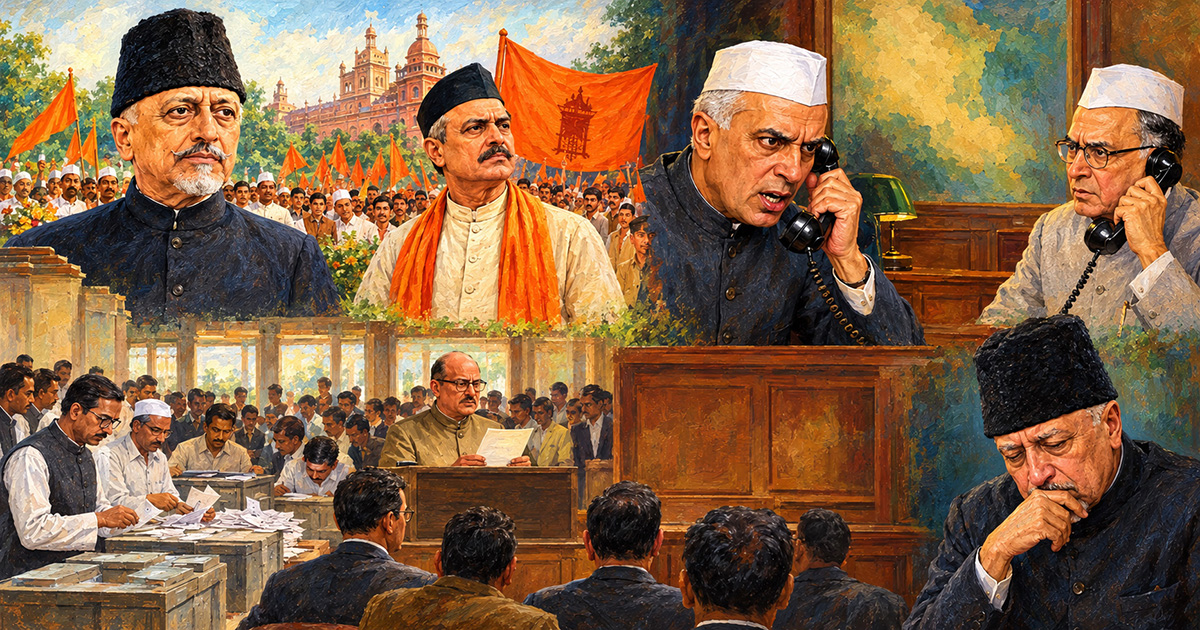
But Thimayya's resignation was leaked to the media, deliberately; it seems. Parliament erupted. Nehru labeled it as an 'outburst of emotion.' When his own MPs, Prof. Ranga and TS Chettiar, questioned rifts between Menon and Thimayya, he dodged. Nehru dismissed it, but Thimayya was blamed wrongly.
National Shame Unfolds
Thimayya was isolated in the parliament. A valiant soldier was ensnared in politics, weakening the army and morale. Soon after, on October 20, 1962, China invaded. Chinese troops crossed the McMahon Line, seizing Chushul's Rezang La in the west and Tawang in the east. Our brave soldiers fought valiantly but lacked modern weapons compared to China, who exploited this to illegally occupy vast Indian land. Thimayya's humiliation morphed into 'national shame.

Times of India report on the statement given by Prime Minister Nehru in the Lok Sabha | Image source: Perform India
Enduring Lesson
This episode endures as General Thimayya's patriotism versus Nehru-Men's lack of clarity. Had the leaders heeded to Thimayya… Strengthening border forces, 1962's outcome might have differed. China wouldn't occupy our 38,000 square km; no soldier sacrifices on Aksai Chin peaks, aiding vigilant border watch.
.jpg)