Malhar Rao Holkar: Not Just a Great Warrior, but a Champion of Women's Empowerment
One of the most fascinating episodes from Malhar Rao Holkar's life involves his daughter-in-law, Ahilyabai Holkar.

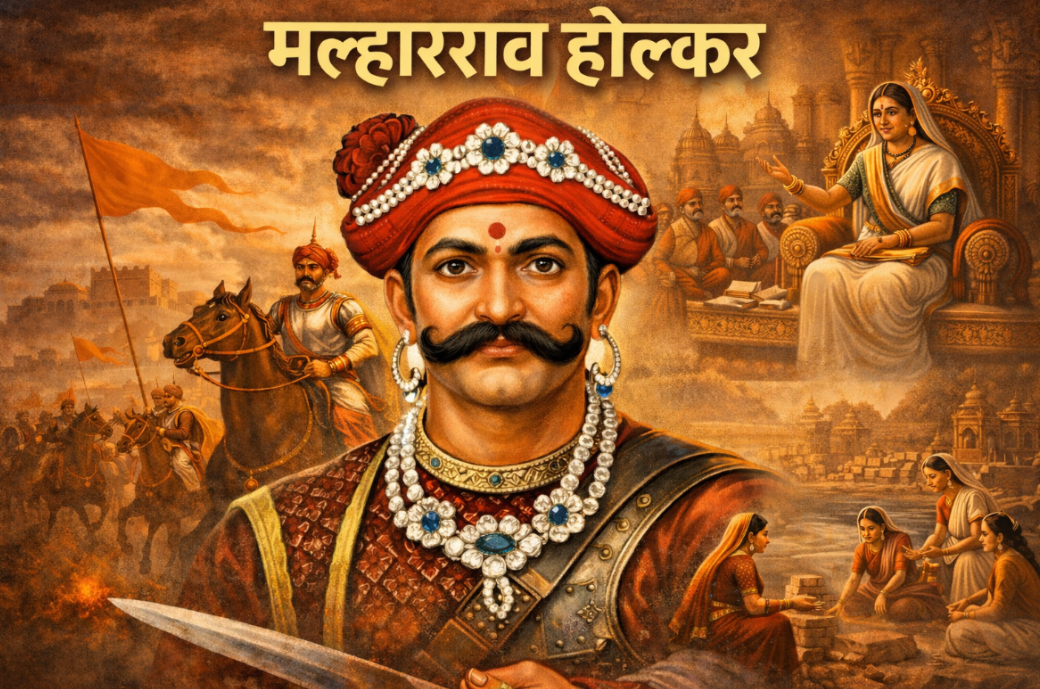
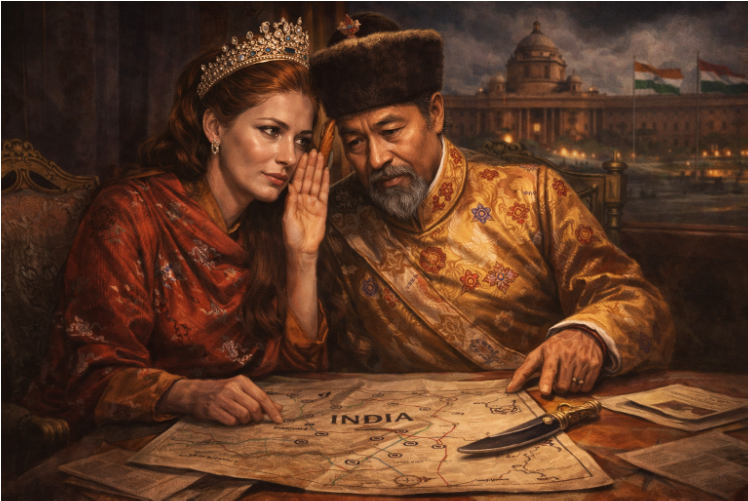
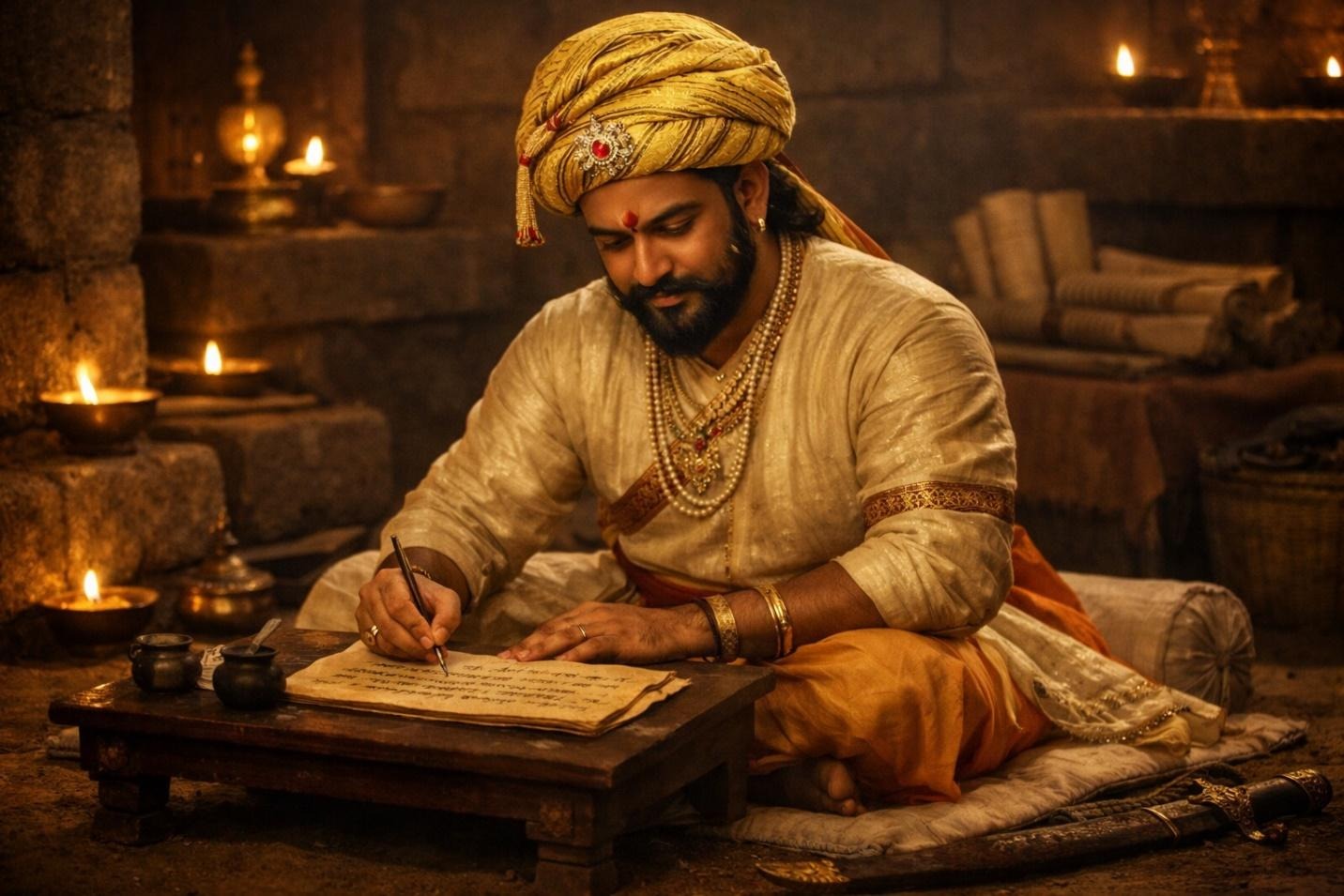
This image is AI-generated
In Indian history, Malhar Rao Holkar (1693–1766) is celebrated as a legendary Maratha general and founder of the Holkar dynasty. In the 18th century, as the Maratha Empire expanded across northern and central India, his bravery, military strategy, and foresight played a pivotal role. But Malhar Rao Holkar’s legacy extends beyond battles and conquests. It's also a story of visionary thinking that recognized women's capabilities and rights at a time when society largely sidelined them from public life. Let's explore this inspiring side of Malhar Rao Holkar tied to women's empowerment.
Honoring Ahilyabai with Respect and Power
One of the most fascinating episodes from Malhar Rao Holkar's life involves his daughter-in-law, Ahilyabai Holkar. It is said that once, at a temple, he noticed a young girl devotedly serving the poor. Deeply impressed by her compassion and character, he decided to choose her as the bride for his son, Khanderao Holkar. That young girl would later become Ahilyabai Holkar, one of India's greatest women rulers. This choice reveals Malhar Rao's foresight: he valued character over social status.
In 1754, during the Battle of Kumbher, Malhar Rao's son Khanderao was killed. At the time, Sati was a very common and widely accepted practice for widows in society. And Ahilyabai had prepared to follow it, but Malhar Rao intervened and stopped her. He firmly stated that her duty toward the state and its people was far greater.
This decision went against the prevailing social norms of the era, but it ultimately changed the course of history.
The Courage to Empower Women in Rights and Leadership
Malhar Rao Holkar didn't just prevent Ahilyabai from committing sati, but he also trained her in governance. He schooled her in justice, revenue management, and diplomacy. He also upheld his community's tradition of allocating one-fourth of family property to women, honoring their economic rights even after gaining power and prestige.
When Malhar Rao was appointed as Subedar of Malwa under the Maratha administration and granted jagir and revenue rights by the Peshwa, he formalized this principle. In January 1734, he divided the wealth into two parts: One portion was known as "Daulat" for state income and administration, and the other was known as "Khajji" which was designated as women's personal property. Within his own family, Malhar Rao applied this principle, honorably granting nearly one-fourth of the total estate to his three wives: Gautamabai, Dwarkabai, and Banabai.
Not only this, but the Maratha administration of the time formally recognized this. As a result, Gautama Bai Holkar gained revenue rights over important areas in the Malwa region, such as Maheshwar, Sanwer, and Depalpur, along with income from certain villages in Chandwad, Ambad, and Koregaon in Maharashtra. These territories together generated an annual revenue of around three lakh rupees, which was considered a substantial amount in that era.
Later, when Malhar Roa married Harkubai, a woman from a Rajput lineage, he ensured that she was treated with the same fairness and respect as his other wives. She, too, received identical rights and respect. In this way, Malhar Rao Holkar not only demonstrated brilliance in governance and military strategy but also set a progressive example in his personal life by recognizing and upholding the economic rights of women.
From Humble Shepherd Family to Maratha Commander
Malhar Rao Holkar was born on March 16, 1693, in the village of Hol in Pune district, Maharashtra. His father, Khanduji Holkar, belonged to an ordinary Dhangar (shepherd) family. Despite having limited resources, he rose through sheer courage and talent to secure a place in the Maratha army. Over time, his valor and strategic brilliance soon made him one of Peshwa Baji Rao's most trusted generals.
He played decisive roles in numerous campaigns across North India, helping to strengthen Maratha power in the Malwa region. He later established Indore as his main administrative center, which later became the Holkar state's capital. As Malwa's first Maratha subedar, he conquered up to Lahore, hoisting the Maratha flag there, He passed away on May 20, 1766, in Alampur. marking the end of a remarkable journey from a modest upbringing to becoming one of the key architects of Maratha power in India.
Malhar Rao Holkar's life proves that a great warrior can drive change not just on the battlefield, but by transforming societal mindsets. He recognized women's potential and gave them leadership opportunities. Under his guidance, Ahilyabai Holkar established an exemplary rule in Malwa, one that is remembered even today.
Therefore, Malhar Rao Holkar’s story is not just the tale of a Maratha commander, but a testament to how visionary leadership can bring meaningful social change. That is why he is remembered in Indian history as a remarkable blend of valor, progressive thought, and commitment to women’s empowerment.