When the British Empire Was Jolted Awake! Basant Biswas’s Operation That Shook It

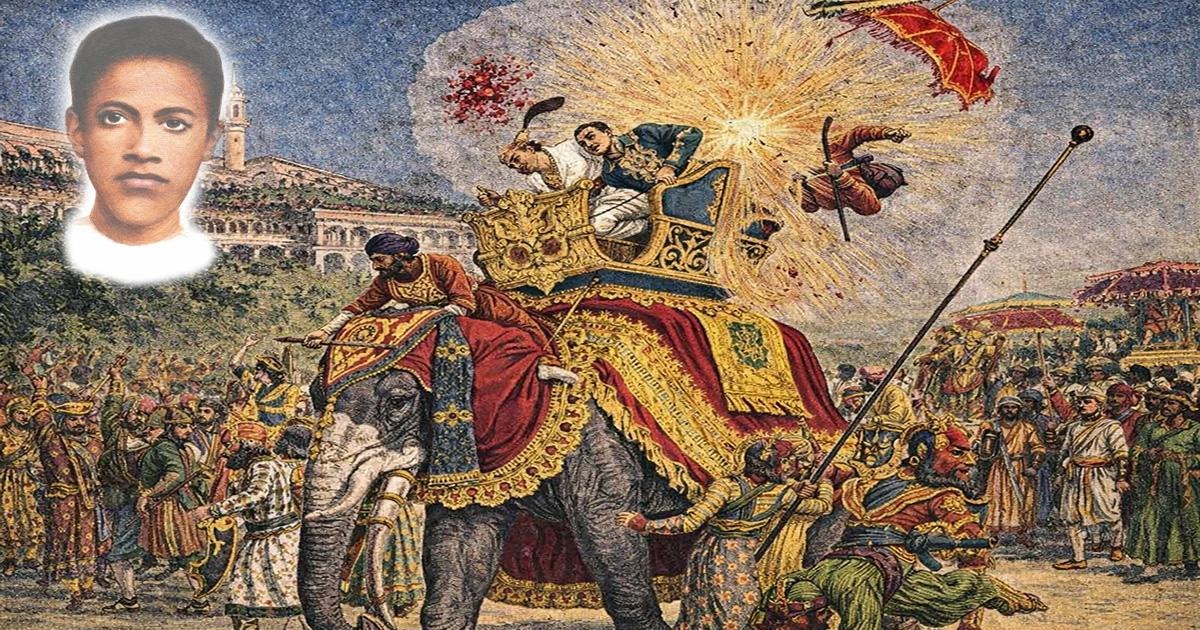
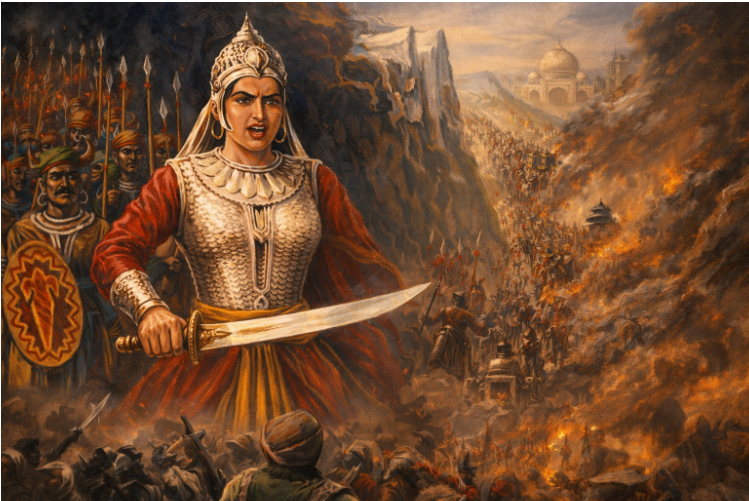
This image is AI-generated
How did a young revolutionary attack the British Empire’s most powerful official, the Viceroy, right in the middle of Delhi? Buried in the narrow lanes of Old Delhi is a story that shook the British Empire. This is the story of that young man who looked completely ordinary in the crowd, but inside him burned a flame to uproot the cruel British government. This young revolutionary's name was Basant Kumar Biswas. He was hanged in the Ambala Jail in Punjab on May 11, 1915. But what he had done before that, the British government had never even dreamed of.
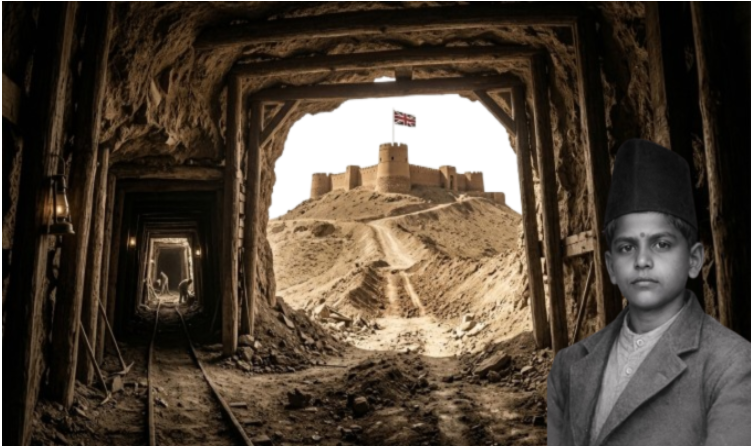
Basant Kumar Biswas executed such a secret plan that shattered the British Empire's confidence. This was no ordinary plan, but the moment when a revolutionary left an indelible mark on history by hiding his identity. He targeted the British government's supreme official, the Viceroy, something the British had never even imagined. Revolutionary Basant Kumar Vishwas | Image Source: Santasa Org
When the procession reached near the building, as per plan, Basant Kumar, dressed as a woman, was already positioned on the top of the building. This disguise allowed him to blend into the crowd without arousing suspicion. The disguise was not only for concealment, but was a strategy to confuse the British security arrangements. Even then, every moment remained full of danger for Biswas, as even a slight mistake could have led to his immediate arrest. But his objective was clear: to attack the highest representative of British rule and send this message that India would no longer remain silent.
This procession of the viceroy, accompanied by music and drummers, was moving through Delhi’s lanes toward the Red Fort. As the Viceroy riding on an elephant reached near the building of the Punjab National Bank in Chandni Chowk, Basant Kumar Vishwas threw a bomb from above. The bomb fell right beside the elephant on which the Viceroy was seated, and in the next moment, a powerful explosion followed immediately. In that blast, Viceroy Hardinge was seriously injured and sustained several deep wounds on his body, but he survived. This attack on the highest official of the British government shook the colonial administration, and a wide-ranging investigation was launched across the country.
During the investigation, it was revealed that the bomb had been thrown from the Punjab National Bank building and that the same type of explosive material had been used in earlier revolutionary attacks. The British Indian police carried out raids from Delhi to Lahore, Banaras, Lucknow, and other cities. Ultimately, Basant Kumar Biswas was arrested in 1914 when he had gone to attend his father’s funeral. After the trial, he was sentenced to death, and on 11 May 1915 he was hanged. Biswas’s sacrifice made it clear that the struggle would no longer remain confined to ideas and movements, and that, if necessary, revolutionaries would also resort to direct action.
Today, Basant Kumar Biswas’s name may not be recorded in history with as much prominence as his contribution deserves. He didn’t just challenge British rule, but also demonstrated that an ordinary young man, if filled with firm resolve and courage, can shake the very foundation of the British Empire. This incident is mentioned in government records, Delhi Conspiracy Case Records, and in books related to the history of revolutionaries. It was not just a bomb blast, but a warning that made the British realise that India had now awakened and, in the struggle for freedom, could go to any extreme.