Rash Behari Bose's Forgotten Story Behind Japan’s Famous Nakamuraya Curry
Few realise that behind Nakamuraya Curry lies the story of an Indian revolutionary who once hid there while escaping one of the most powerful empires in the world.

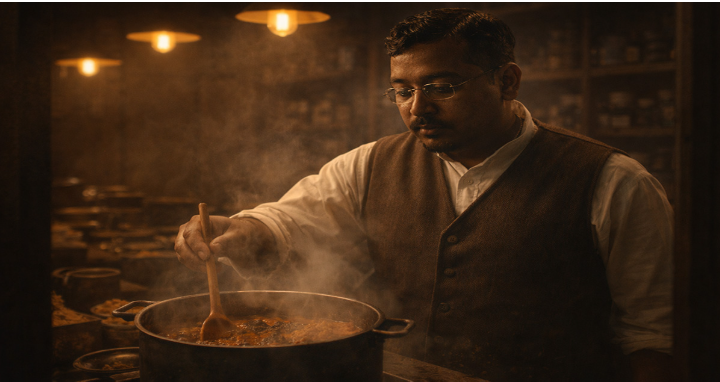
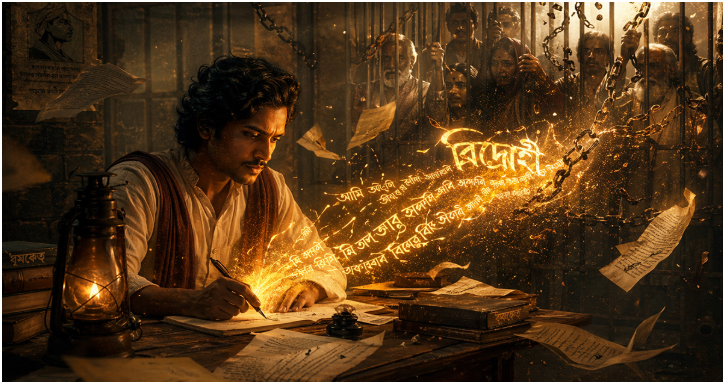
This image is AI-generated
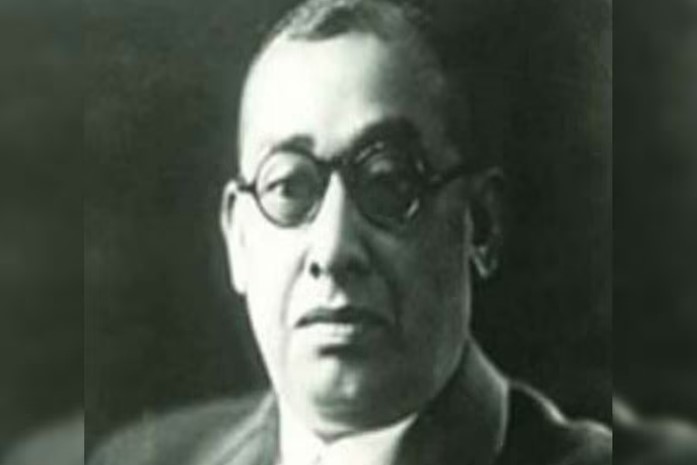
Sometimes history hides in unexpected places. In the busy streets of Tokyo stands a small bakery called Nakamuraya. Every day, people walk in for sweets, bread, and a popular dish known as Nakamuraya Curry. Few realise that behind this famous recipe lies the story of an Indian revolutionary who once hid there while escaping one of the most powerful empires in the world. The revolutionary was Rash Behari Bose, born in 1886 in Bengal.
From a young age, Bose grew up in a country under British colonial rule. As he matured, he became deeply involved in the underground revolutionary movement that believed India must win freedom through courage and sacrifice. His name first shook the British Empire when he helped organise the 1912 bomb attack on the Viceroy in Delhi, a bold challenge to imperial power. But the revolutionaries’ greatest plan came in 1915, when Bose and his allies attempted to ignite a nationwide uprising against British rule. When colonial intelligence discovered the plan, arrests swept across India, and Bose became one of the most wanted fugitives of the British Empire. Disguised and constantly on the move, he managed to escape India and reach Japan.
Even in Japan, he was not safe. British diplomats pressured the Japanese government to arrest and deport him. Police and spies began watching his movements, and soon he received an order to leave the country. At that moment, help came from an unexpected place.
In Tokyo, Aizō Sōma and Kokkō Sōma lived, the owners of the popular Nakamuraya bakery. When they read in the newspapers that a political refugee from India was about to be expelled under British pressure, they were furious. For them, Bose was not a criminal but a man fighting for his country’s freedom. Quietly and bravely, they decided to hide him in their bakery. In a daring plan organised by Japanese nationalist friends, Bose slipped away from police surveillance during a party and was secretly taken to Nakamuraya bakery, where he hid in the building while British agents searched for him across Tokyo.
While living secretly inside Nakamuraya, Bose sometimes cooked meals from his homeland. At that time, Japan already had a popular dish known as British Curry, and he realized that the British had colonised the dish as well. So he began cooking his own version using Indian spices and methods. The Sōma family tasted the dish and were amazed by its rich flavour. Soon, the bakery began serving this new recipe, which later became known as Nakamuraya Indo Curry. What began as a fugitive’s meal slowly became a beloved dish.
While the aroma of spices filled the bakery kitchen, Bose never forgot his real mission. Even while hiding in Tokyo, he continued building networks with Asian leaders and freedom fighters. He wrote about India’s future, organised support for independence, and inspired many Japanese youth who respectfully called him “Sensei.”
Years later, during the Second World War, Rash Behari Bose would help lay the foundations of the Indian National Army, carrying forward the struggle for freedom. But history remembers him in many ways. Some remember him as a revolutionary who challenged the British Empire. Some remember him as a pioneer of Asian unity.
Rash Behari Bose lived a life of exile, struggle, and relentless commitment to India’s freedom. Yet even in hiding, he left behind a cultural legacy that crossed borders. Today, as we remember his birth, the aroma of Indo Curry in a Tokyo bakery quietly reminds us that courage can travel far from home and sometimes, even a revolutionary in hiding can change the world in unexpected ways.