When a Bomb Shook the British Empire: The Extraordinary Revolutionary Tale of Rash Behari Bose

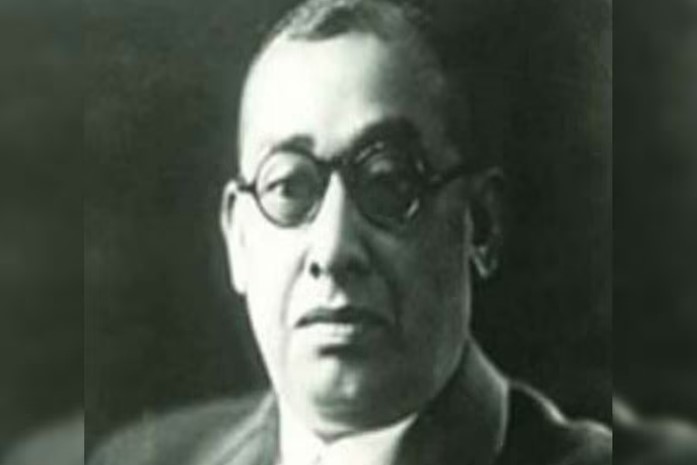
A grand procession was marching through Delhi’s Chandni Chowk when, suddenly, a thunderous explosion rocked the British Empire. This was the event of December 23, 1912, when a bomb was hurled at Viceroy Lord Hardinge. This is the story of the great freedom fighter Rash Behari Bose, the mastermind behind this plan. Let’s discover how it all began, how one revolutionary shook the British regime to its core.

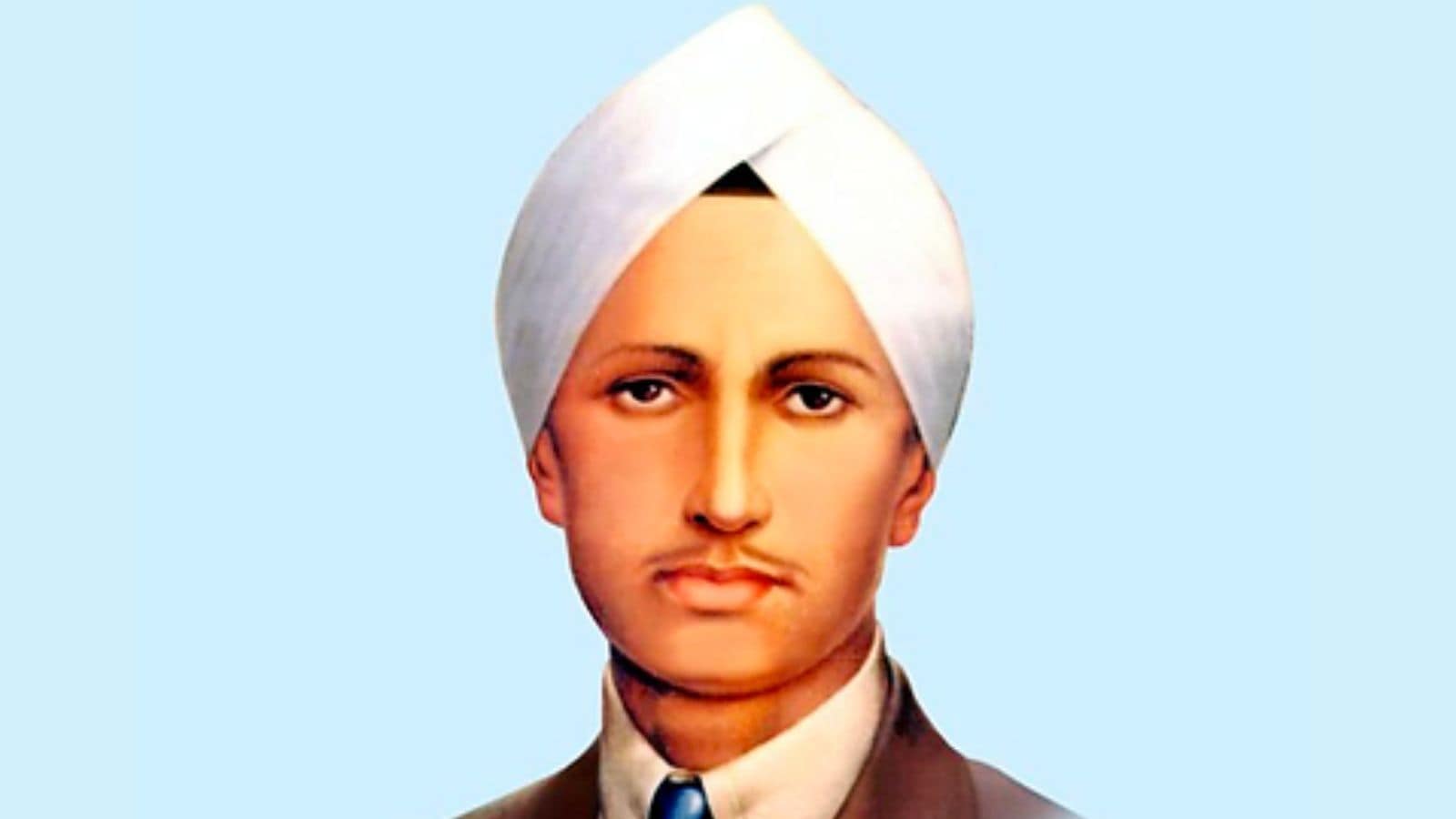
Great freedom fighter Rash Behari Bose | Image Source: Navbharat Times
A Plan Born from Revolutionary Rage
Rash Behari Bose was born in 1886 in Bengal, where he quickly became wary of the unjust policies of British rule. In 1911, when the British government shifted India’s capital from Kolkata to Delhi, it sparked deep resentment among revolutionaries. The lavish Delhi Durbar extravaganza saw government money flowing like water, while the people of the country languished in poverty. Rash Behari, connected to secret organizations like the Anushilan Samiti, saw this extravagance as a symbol of British plunder. He resolved to teach the British a lesson by targeting Viceroy Lord Hardinge. The plan took shape in collaboration with revolutionaries from Bengal and Punjab, with Rash Behari taking the lead and preparations beginning for crafting the bomb.
Secret Preparations and the Strategy of Attack
Keeping the plan under wraps, Rash Behari assigned the key role to his young comrade, Basanta Kumar Biswas. Basanta was a daring revolutionary, adept at infiltrating in women’s disguise. On December 23, 1912, Lord Hardinge’s procession was set to parade through Delhi as part of the capital shift celebrations. Rash Behari decided the attack would happen in Chandni Chowk, where the crowds would be thickest. He had the bomb made from household materials to avoid detection. Basanta was instructed to blend into the throng of women and hurl the bomb at the precise moment. The entire preparation remained completely secret, with British intelligence agencies getting no inkling.
The Day of the Procession and Hidden Readiness

The scene from the incident following the bomb blast | Image Source: IVSK
On the day of the procession, Chandni Chowk buzzed with excitement. Lord Hardinge and his wife, Lady Hardinge, rode atop a decorated elephant, accompanied by the mahout and bodyguards. The procession featured horses, soldiers, and drums and trumpets, all showcasing British might. Basanta Kumar Biswas lay hidden among women watching from a building, disguised as one of them. As the elephant drew near, Basanta flung the bomb. Rash Behari oversaw everything from afar, ensuring the plan unfolded perfectly.
The Terrifying Moment of the Blast and Panic in the British Raj
With the bomb thrown, a horrific explosion ripped through Chandni Chowk. Smoke billowed everywhere, and chaos erupted. Lord Hardinge fell unconscious from the elephant. Shrapnel pierced his back, legs, and head, but he survived death. The mahout lost his life, while the howdah, the seat or carriage placed on an elephant’s back for wealthy people and kings to ride in, was shattered into pieces. The procession scattered, with people screaming and fleeing. Basanta and his comrades slipped away amid the crowd. This was the most thrilling part of Rash Behari’s plan, as it rattled the British government and infused new energy into the revolutionaries. The explosion was not just physical; it shook the very foundations of British rule. In this case, Basanta Kumar Biswas and 13 others were arrested and sentenced to death.
Fleeing to Japan to Lead the Fight for Independence
Meanwhile, after the incident, Rash Behari evaded the police and fled to Japan, where in 1942 he founded the Indian Independence League, aimed at uniting Indians living abroad for the freedom struggle. Born on May 25, 1886, in Bardhaman, Bengal, Rash Behari Bose breathed his last on January 21, 1945, at the age of 59, in Tokyo.
Rash Behari Bose’s story today reminds us of how vital personal sacrifice is in the fight for freedom. This effort stands as an exemplar of courage and intelligence, challenging British rule and injecting fresh vigor into the independence movement. His contribution shows that the battle for freedom is never in vain.
.png)