Haryana Clears Gurugram–Noida RRTS, Metro Extension to Bhondsi Approved

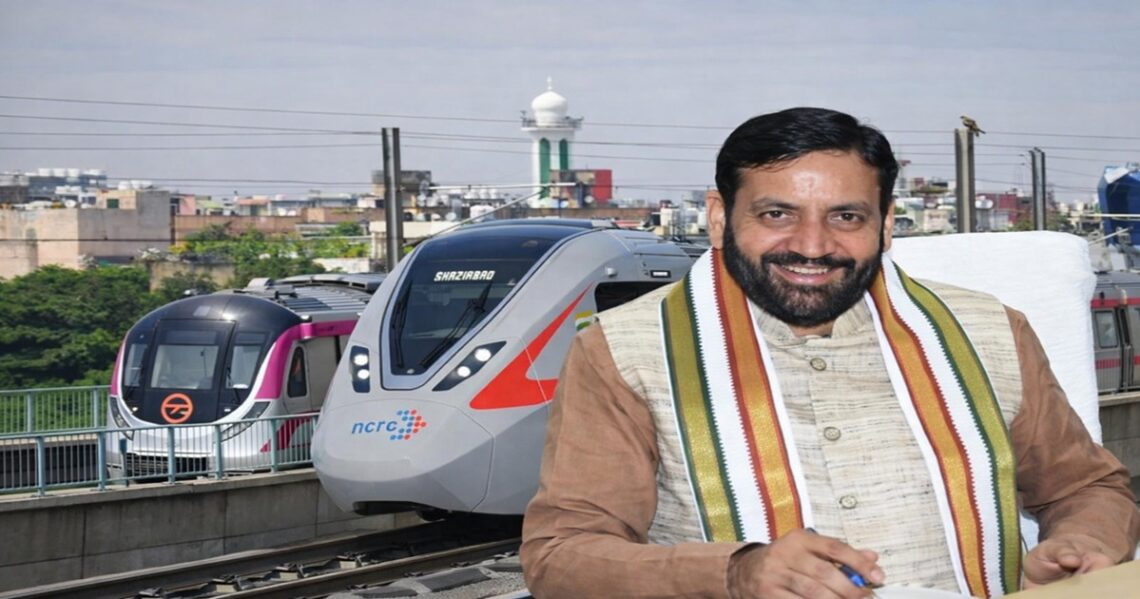
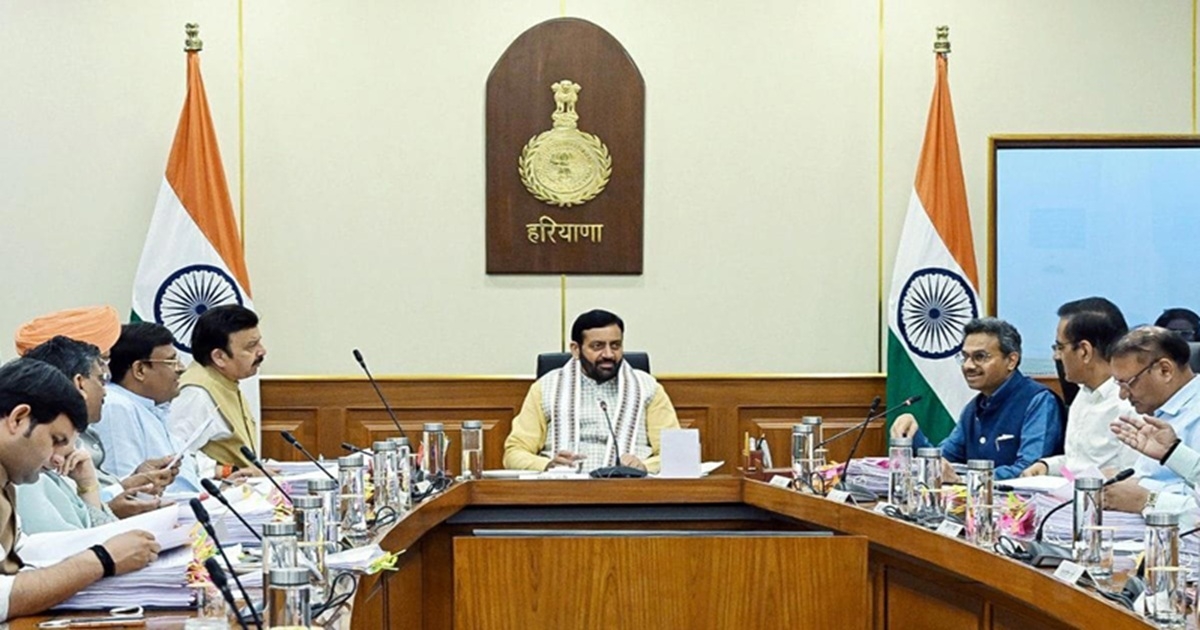
The Haryana government led by Chief Minister Nayab Singh Saini has approved the Gurugram–Faridabad–Noida–Greater Noida Namo Bharat Regional Rapid Transit System (RRTS) corridor and the extension of the Gurugram Metro up to Bhondsi. After the completion of these two infrastructure projects, connectivity and development in the National Capital Region (NCR) are expected to reach a new level.
The announcement of the RRTS corridor was made by Chief Minister Nayab Singh Saini in the Assembly. Under this plan, the state government has approved the final alignment of a 64-kilometre “Namo Bharat RRTS-cum-Metro” corridor connecting Gurugram, Faridabad, Noida and Greater Noida. The Chief Minister said that the National Capital Region Transport Corporation (NCRTC) has been directed to prepare the Detailed Project Report (DPR) so that construction work can begin soon.
Speaking in the Assembly, Nayab Saini said the rapid train corridor is in line with Prime Minister Narendra Modi’s Ease of Living vision.
The RRTS corridor will operate six-coach high-speed trains, including 10 high-speed services, with each train capable of carrying around 1,968 passengers. The system will provide passengers with faster, safer and modern travel while reducing congestion and traffic jams.
The project is estimated to cost ₹15,000 crore and will require about 75 hectares of land. Major stations on the route will include Sector 29, Millennium City Centre, Sector-52, Wazirabad, Sector-57 and Sector 58/61.
The aim of the RRTS project is to connect major economic hubs within the NCR. At present, travel between Gurugram and Noida by road takes around two hours, but with the rapid rail system the journey is expected to be completed in less than 30 minutes, providing major relief to daily commuters and saving significant travel time.
The corridor will start from IFFCO Chowk in Gurugram and extend to Gwal Pahari, then from Sainik Colony in Faridabad to Badshahpur, and further to key areas of Noida and Greater Noida. Several major stations will provide integrated connectivity between Metro services and the RRTS, making inter-city transit easier for passengers. The Namo Bharat corridor will also be connected with the Delhi Metro’s Yellow and Violet Lines, providing multi-modal connectivity.
Along with this, the Nayab government has also approved the extension of the Gurugram Metro up to Bhondsi, which will improve connectivity in the southern parts of the city. Consultants have been appointed and the initial process has begun, with plans to eventually extend the line further to Sohna in the future.
Under the Bhondsi Metro extension plan, a 17.09-kilometre route has been proposed connecting Bhondsi, Subhash Chowk, Rajiv Chowk, Sohna Chowk and Gurugram Railway Station. The consultant has already submitted a preliminary report and the next step will be the preparation of the Detailed Project Report.
These projects are expected to reduce traffic pressure in the NCR, strengthen environmental protection and improve economic connectivity, providing a major benefit for the densely populated region. The Haryana government’s initiative will move the state towards a more advanced and efficient transport infrastructure.
.png)
.jpg)