Twice Wounded, Yet He Never Stopped: How Subedar Khazan Singh Drove the Enemy Back in the Battle of Dograi
During the first assault on Dograi, on the night of 5–6 September 1965, Subedar Khazan Singh was leading 'B' Company of the 3 Jat Battalion.

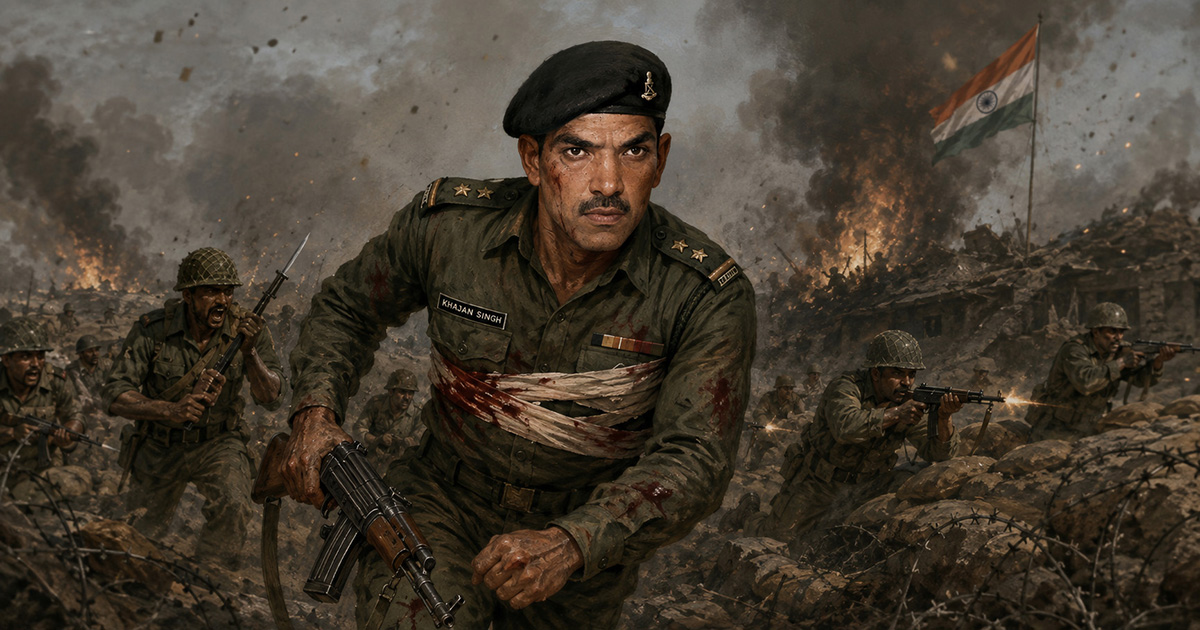
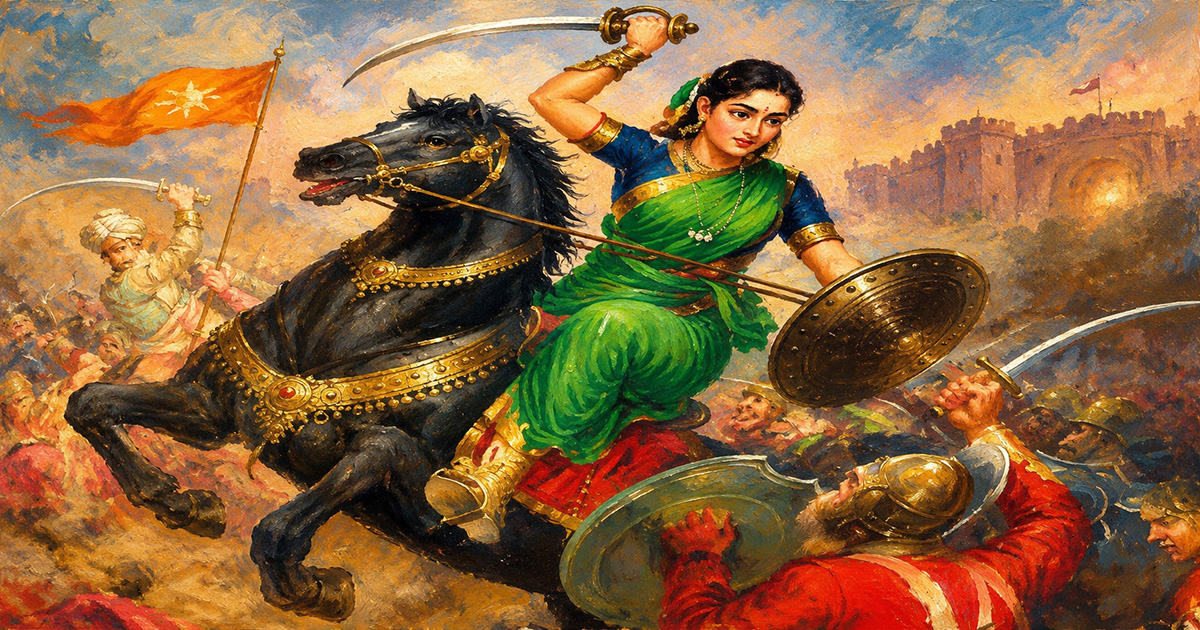
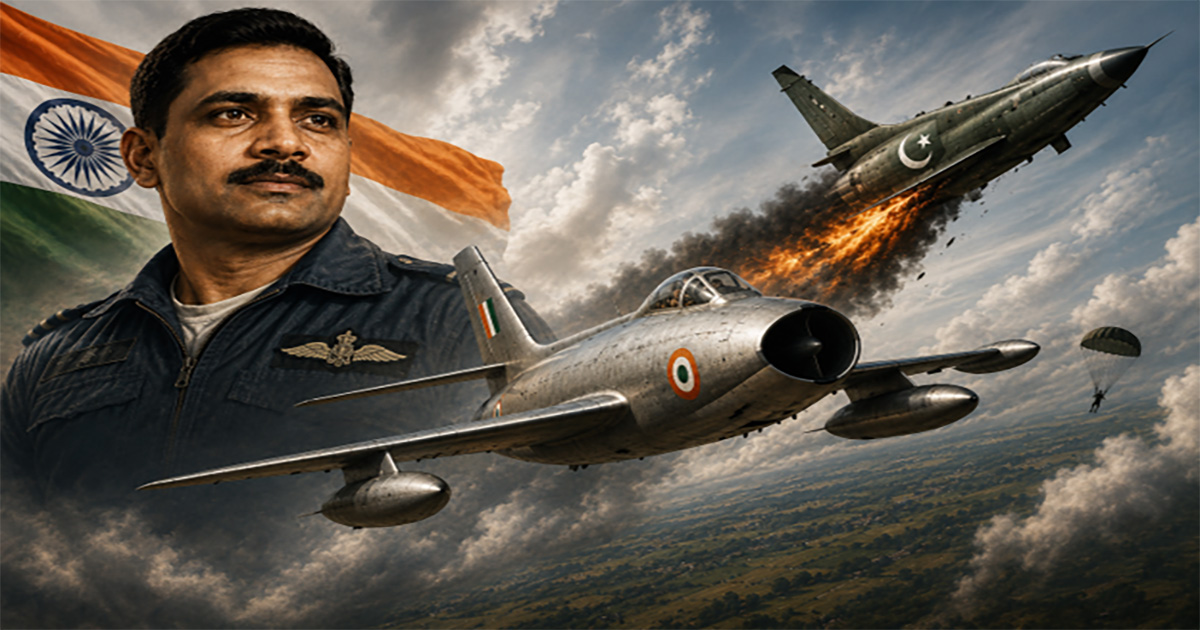
Subedar Khajan Singh in the battle of Dograi | This image is AI-generated
In the 1965 India-Pakistan War, the Battle of Dograi was fought by the Indian Army’s 3 Jat Battalion, which displayed extraordinary courage and set a new standard of combat capability. Among the heroes of this victory was Subedar Khazan Singh, who, through his extraordinary courage, leadership, and battlefield skills, not only led his company forward but also destroyed the enemy’s strong defensive line and captured more than 108 Pakistani soldiers as prisoners.
Dograi was an extremely important town located on the outskirts of Lahore. Capturing it directly would have allowed the Indian Army to apply pressure on Lahore’s international airport and the city itself.
In addition, the village of Dograi was situated on the eastern bank of the Ichhogil Canal (known as the BRB Canal in Pakistan). Pakistan had built it as a major defensive wall to protect Lahore from attacks from the Indian side. Without capturing Dograi, crossing this canal, considered virtually impregnable, and breaking Pakistan’s defensive system was impossible. Pakistan had prepared strong bunkers, machine-gun posts, and defensive positions here. The Indian Army’s 54 Infantry Brigade was assigned the responsibility of capturing this area, while the 3 Jat Battalion was given the task of attacking from the most difficult direction. Facing them was Pakistan’s 16 Punjab Battalion, which was fully prepared and waiting for the Indian soldiers.
During the first assault on Dograi, on the night of 5–6 September 1965, Subedar Khajan Singh was leading 'B' Company of the 3 Jat Battalion. As his company approached its objective, a Pakistani machine-gun hidden in a thicket opened intense fire. The hail of bullets was so heavy that the Indian soldiers found it difficult to advance for a few moments. At that very moment, a bullet struck Subedar Khajan Singh's helmet directly. The helmet saved his life, but the impact caused a deep wound to his head, leaving him unconscious for some time.
Under normal circumstances, any soldier could have withdrawn after such an injury, but Subedar Khazan Singh did no such thing. The moment he regained consciousness, he first assessed the battlefield situation. He realised that the enemy machine-gun was still pouring continuous fire on his company and that advancing would be almost impossible until it was silenced.
Without the slightest concern for his own life, he picked up his weapon and charged alone towards the machine-gun position. Amid the relentless enemy fire, he assaulted the machine-gun post and completely neutralised it. This action opened the way for the Indian soldiers to advance. During this fierce engagement, he came face-to-face with the Pakistani company commander. In the close-quarters encounter, Subedar Khazan Singh killed him. This severely disrupted the enemy's forward defensive system and dealt a major blow to the morale of the Pakistani troops.
But the battle was far from over.
From the direction of the canal bridge, the Pakistani Army once again unleashed heavy fire. The enemy continued resisting fiercely in an attempt to halt the Indian advance. In these difficult circumstances, Subedar Khazan Singh once again took charge of the assault. He boosted the morale of his men and personally led a second attack against the enemy.
By now, the battle had turned into an intense close-quarters engagement. Soldiers from both sides were fighting face-to-face from bunkers and trenches. At several places, the fighting escalated to bayonet combat and hand-to-hand fighting. During this brutal clash, Subedar Khazan Singh was seriously wounded for the second time and collapsed to the ground.
Even then, he refused to withdraw. Moments later, he rose again and continued leading the assault alongside his men.
During nearly half an hour of close-range fighting, the Indian soldiers, under Subedar Khazan Singh's leadership, began clearing the enemy from one trench and bunker after another. The Pakistani troops were forced into a continuous retreat. Eventually, 'B' Company achieved its assigned objective.
What made the achievement even more remarkable was that, despite the ferocity of the battle, the company accomplished its mission with comparatively few casualties. Subedar Khazan Singh's leadership and personal bravery played the decisive role in this success. Subedar Khazan Singh's bravery was not merely an example of personal courage; it was also an outstanding example of effective battlefield leadership.
In the Battle of Dograi, 58 soldiers of the 3 Jat Battalion laid down their lives, including four officers, while 157 soldiers were wounded, among them six officers and four Junior Commissioned Officers (JCOs). The operation carried out by the 54 Infantry Brigade was a complete success. A large cache of weapons and military equipment was captured, and more than 108 Pakistani soldiers, including a brigade commander, were taken prisoner. Approximately 300 Pakistani soldiers were killed in the battle.
He fought from the very front, maintained the morale of his men despite suffering serious injuries, and changed the course of the entire assault by destroying the enemy's strongest machine-gun position. Had that machine-gun remained operational, the Indian advance could have become significantly more difficult. For this extraordinary gallantry, he was awarded the Vir Chakra.
Even today, whenever the history of the Battle of Dograi is remembered, Subedar Khazan Singh is counted among those brave soldiers who continued fighting despite being shot in the head, wounded twice, and engaged in brutal face-to-face combat without ever abandoning their post.
His courage remains a symbol of the Indian Army's enduring tradition—one in which duty stands above everything else, and the soldier is always prepared to sacrifice everything for victory.
.jpg)