When Even Prisoners and the Jailer Gathered to Hear Discourses: How Vinoba Bhave Turned Dhulia Jail into an Ashram of the Gita
This story dates back to 1932. For participating in the Indian freedom movement, the British government had imprisoned Vinoba Bhave in Dhulia Jail.


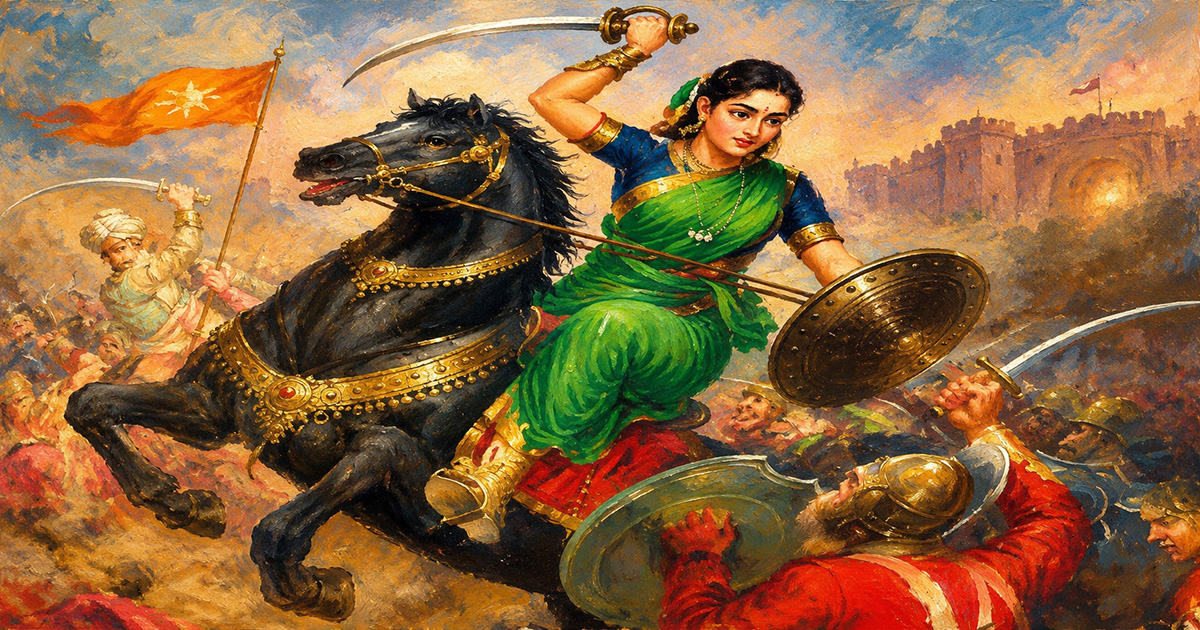
Vinoba Bhave inside the Dhulia Jail | This image is AI-generated
Imagine a prison from the British era where the message of the Bhagavad Gita echoed through its corridors. A place where, instead of despair behind bars, there was an atmosphere of introspection and spiritual practice, much like an ashram. A prison where even a strict jailer was so deeply influenced by the personality of a saint that he not only arranged spiritual discourses but also attended them with his family. This is not a fictional tale, but a remarkable historical event that took place in Dhulia Jail in 1932. It was made possible by one of India's greatest freedom fighters, Vinoba Bhave. The story of how he transformed the harsh environment of a British prison into a center of spirituality is truly fascinating.
This story dates back to 1932. For participating in the Indian freedom movement, the British government had imprisoned Vinoba Bhave in Dhulia Jail. Along with him were many political prisoners whose lives in prison had become monotonous and mentally exhausting. Vinoba realized that if the flame of hope and enthusiasm could be kept alive within the prisoners, even a prison could become a place of positivity. Such a transformation, he believed, would strengthen the spirit of the freedom struggle. To achieve this, he personally got to know each fellow prisoner and made every effort to keep their morale high.
Vinoba Bhave was placed in the 'B' category of prisoners, where physical labor was not compulsory. However, he voluntarily asked the jailer to assign him work. When the jailer refused, citing Vinoba's frail health, Vinoba replied that eating food without performing labor was against the principles of dharma. Eventually, the prison authorities accepted his request. At the insistence of prominent freedom fighters imprisoned there, including Sane Guruji, Jamnalal Bajaj, and Apte Guruji, the jailer assigned Vinoba the responsibility of delivering discourses on the Bhagavad Gita to the prisoners.
Vinoba gladly accepted the responsibility. It was decided that every Sunday, he would deliver a discourse on one chapter of the Gita. Accordingly, on March 21, 1932, he delivered his first discourse on the opening chapter. He explained even the most profound philosophical concepts in remarkably simple language. Gradually, the influence of these discourses extended beyond the prison walls. Initially, they were meant only for male political prisoners, but when the women prisoners learned about them, they too expressed a desire to attend.
According to prison regulations, male prisoners were not allowed to enter the women's barracks. However, the then jailer, Vaishnav, was so deeply impressed by Vinoba's teachings that he granted special permission for him to deliver Gita discourses in the women's section as well. Not only that, Jailer Vaishnav himself began attending every discourse and even brought his wife along. As a result, the message of the Gita reached the women prisoners once every week.
When the ordinary prisoners learned that the women prisoners were also being allowed to hear Vinoba's discourses, they too requested the jailer for the same opportunity. In response, Jailer Vaishnav arranged a special one-hour break every Wednesday so that they could attend the sessions. Before long, the entire prison was filled with a spiritual atmosphere. The prison, once associated only with confinement, discipline, and harshness, began to inspire introspection, peace, and a new outlook on life.
The transformation was extraordinary. The tense atmosphere of the prison gradually gave way to the serenity usually associated with a spiritual ashram. Prisoners who had once suffered from mental distress now wore smiles on their faces, radiating renewed spiritual energy. The series of Gita discourses, which began on March 21, 1932, concluded on June 19, 1932. During this period, Vinoba delivered discourses on all 18 chapters of the Bhagavad Gita.
When the time came for Vinoba Bhave's release, the prisoners had developed immense reverence for him. They requested the prison administration to allow them to contribute two annas each from their hard-earned prison wages so they could offer it to Vinoba as dakshina (a token of respect and gratitude). It was a powerful testament to the transformation that had taken place. Those whom society regarded as criminals had awakened to feelings of knowledge, devotion, and gratitude through the teachings of the Gita.
The Dhulia Jail episode is not merely the story of the birth of Vinoba Bhave's famous Gita Discourses. It is also a powerful example of how a saintly individual can transform the character of any place through vision and conduct. The British had built the prison to crush the morale of freedom fighters, but Vinoba Bhave turned it into a center of spiritual practice, honest labor, self-purification, and inner awakening. There, the Gita was not merely read—it was lived. In place of despair, the prisoners found self-confidence; amid struggle, they discovered patience; and in an environment of punishment, compassion took root.