The Archaeologist Who Provided Archaeological Evidence for the Ram Janmabhoomi: The Untold Story of Prof. B. B. Lal
After retiring as the Director General of the Archaeological Survey of India (ASI) in 1972, Prof. B.B. Lal turned his attention to the archaeological study of sites associated with the Ramayana.


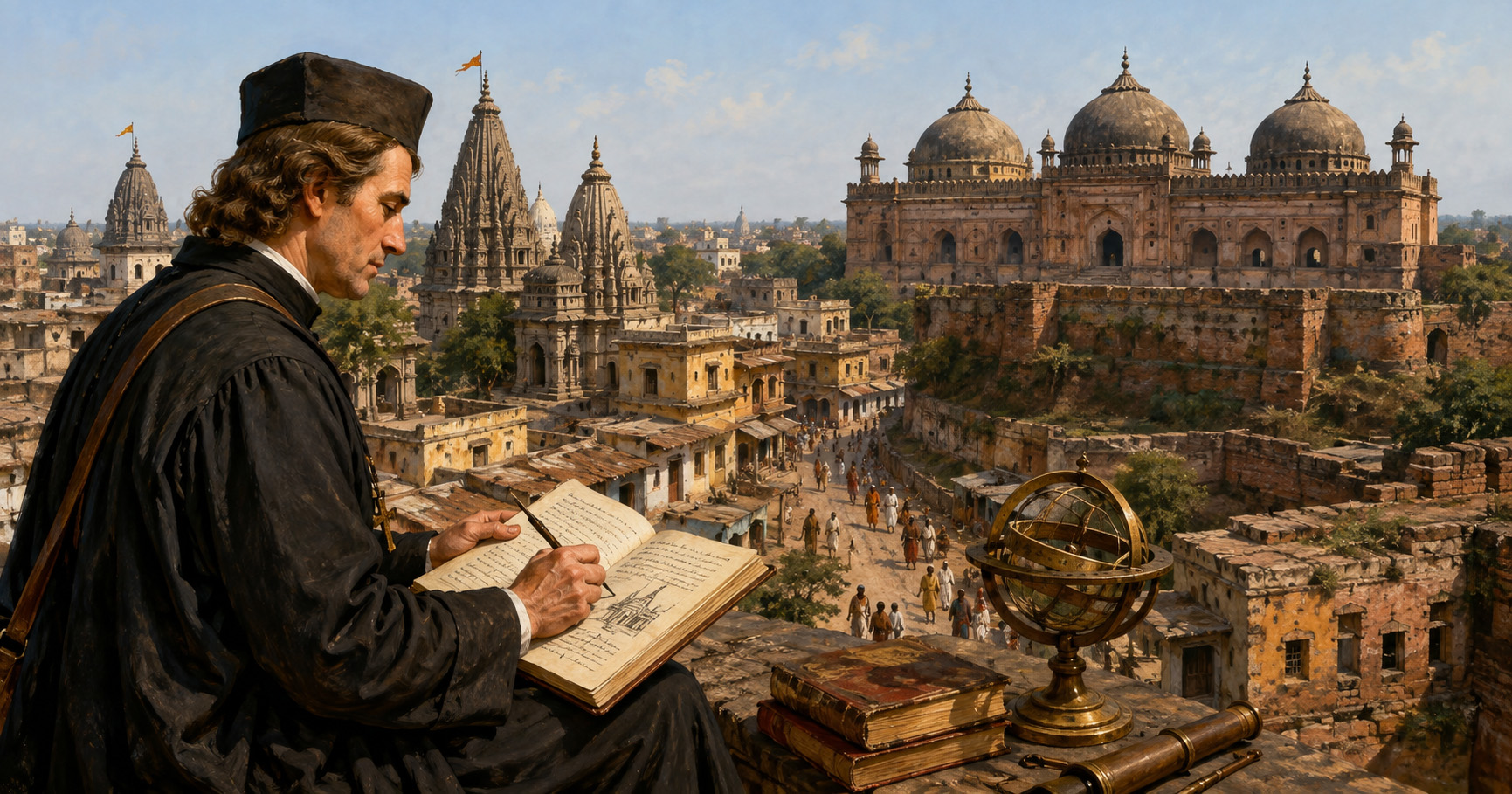
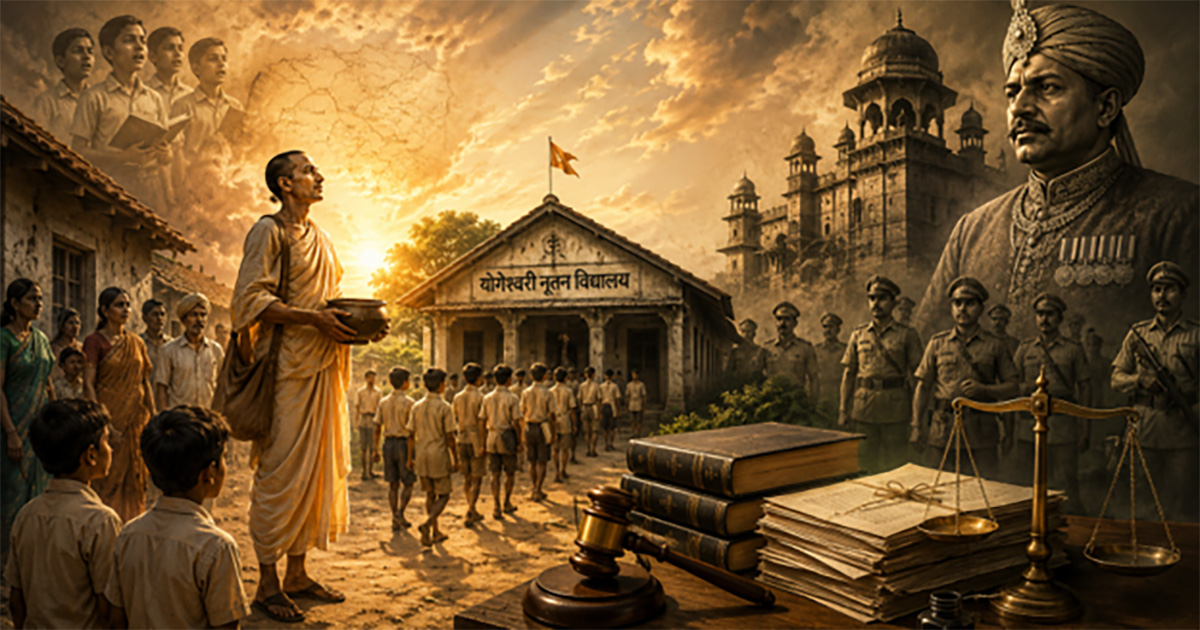
Prof. B.B. Lal's archeological findings in Ayodhya | This image is AI-generated
Every particle of India's soil bears witness to the glory of the Sanatan civilisation. In some places lie the ruins of temples that are thousands of years old; in others, layers of earth conceal evidence that brings forgotten chapters of history back to life. The sacred Shri Ram Janmabhoomi in Ayodhya remained one such mystery for centuries. For millions of Hindus, it has always been a matter of faith that this was the birthplace of Lord Shri Ram. Over time, however, another question emerged before history: Had a grand temple once stood at this site? The name most prominently associated with the search for an answer to this question is that of India's eminent archaeologist, Professor B. B. Lal. Through his excavations, he brought to light archaeological evidence that gave a new foundation to the historical claims surrounding the Ram Janmabhoomi.
After retiring as the Director General of the Archaeological Survey of India (ASI) in 1972, Prof. B.B. Lal turned his attention to the archaeological study of sites associated with the Ramayana. Between 1977 and 1986, the government conducted an ASI investigation of the Shri Ram Janmabhoomi area. For most of this period, the team was led by K.N. Dikshit on behalf of the ASI. As the project's chief, Prof. Lal carried out scientific excavations in and around the Janmabhoomi site. At the time, perhaps no one imagined that these excavations would eventually become a crucial foundation for one of India's most significant cultural and judicial debates.
During the excavation, a trench was dug immediately south of the boundary wall of the Babri Masjid. As the layers of soil were removed, remains began to emerge that drew Prof. B. B. Lal's attention. The excavation uncovered twelve structures resembling pillar bases. Most significantly, their alignment and orientation corresponded with the twelve stone pillars inside the mosque, which bore carvings of Hindu deities, floral decorations, and architectural motifs characteristic of temple construction.
Prof. B. B. Lal concluded that these pillars had not originally been made for the mosque. Instead, he believed they appeared to be the remains of an earlier Hindu temple that had later been reused in the construction of the mosque. This conclusion gave the Ram Janmabhoomi dispute a new archaeological dimension.
When some historians questioned the very existence of the pillar bases, Prof. B. B. Lal defended his findings not through emotion but through evidence. He pointed out that the photographs taken during the excavation, their original negatives, and the ASI's official records all documented the existence of these structures. He maintained that history should be decided not through ideological debates but through archaeological evidence.
Based on Prof. B. B. Lal's archaeological findings, the Vishwa Hindu Parishad (VHP) sought a scientific investigation of the Ram Janmabhoomi site before the Allahabad High Court. Following this, investigations were initiated under court orders in 2002. A Ground Penetrating Radar (GPR) survey was conducted first, which indicated the presence of an older structure beneath the surface. Subsequently, on March 5, 2003, the ASI was directed to undertake a detailed excavation.
After five months of excavation, the ASI submitted an extensive report supported by thousands of photographs, videos, documents, and archaeological artefacts. According to the report, evidence of a massive structure dating back to the 10th century was discovered. The excavation also yielded temple remains, broken idols of Hindu deities, carved stones, amalakas (crowning elements of temple architecture), and architectural components of doorframes. These findings were presented as archaeological evidence indicating the existence of a temple beneath the disputed structure.
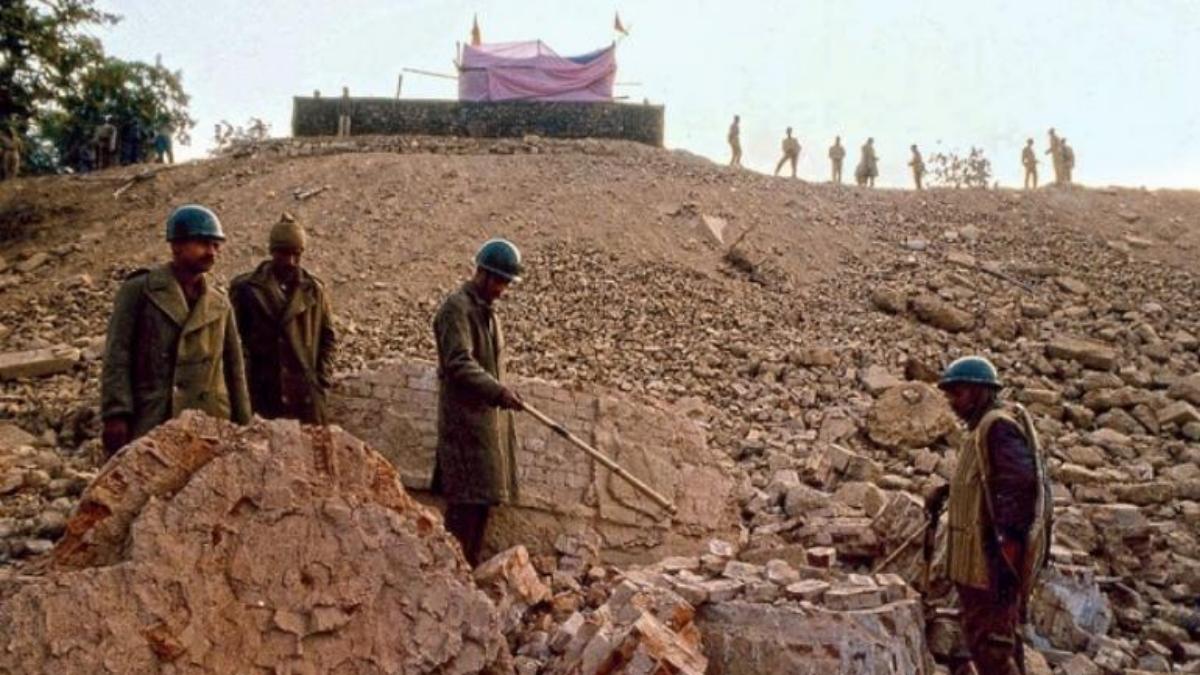
Meanwhile, on December 6, 1992, the disputed structure in Ayodhya was destroyed. Following the demolition, a large number of carved architectural remains, temple-style stones, and significant inscriptions were recovered from the debris. According to published accounts, more than 200 such artefacts were found. These discoveries further strengthened the significance of the conclusions that Prof. B. B. Lal had recorded years earlier.
The Ram Janmabhoomi movement involved the contributions of numerous saints, social organisations, lawyers, and millions of devotees of Lord Ram. However, from the archaeological perspective of the movement, Prof. B. B. Lal's contribution is regarded as one of its most significant pillars. The evidence he brought forward ensured that the debate was no longer confined solely to matters of faith but also became firmly rooted in the disciplines of history and archaeology.
That is why today, with the grand Shri Ram Mandir standing at the Shri Ram Janmabhoomi in Ayodhya, Prof. B. B. Lal is remembered as the archaeologist whose scientific investigations played a significant role in understanding the historical and archaeological aspects of the Ram Janmabhoomi site.
His excavations did not merely remove layers of soil; they also, according to this perspective, brought to light layers of India's centuries-old history that had been suppressed by Left-wing historians, revealing them before the world.