Shyamlal Gupta's Patriotism Shocked the British | The Untold Story of "Jhanda Uncha Rahe Hamara"
You may not recognize his name, but you've almost certainly sung his words: "Jhanda Uncha Rahe Hamara"

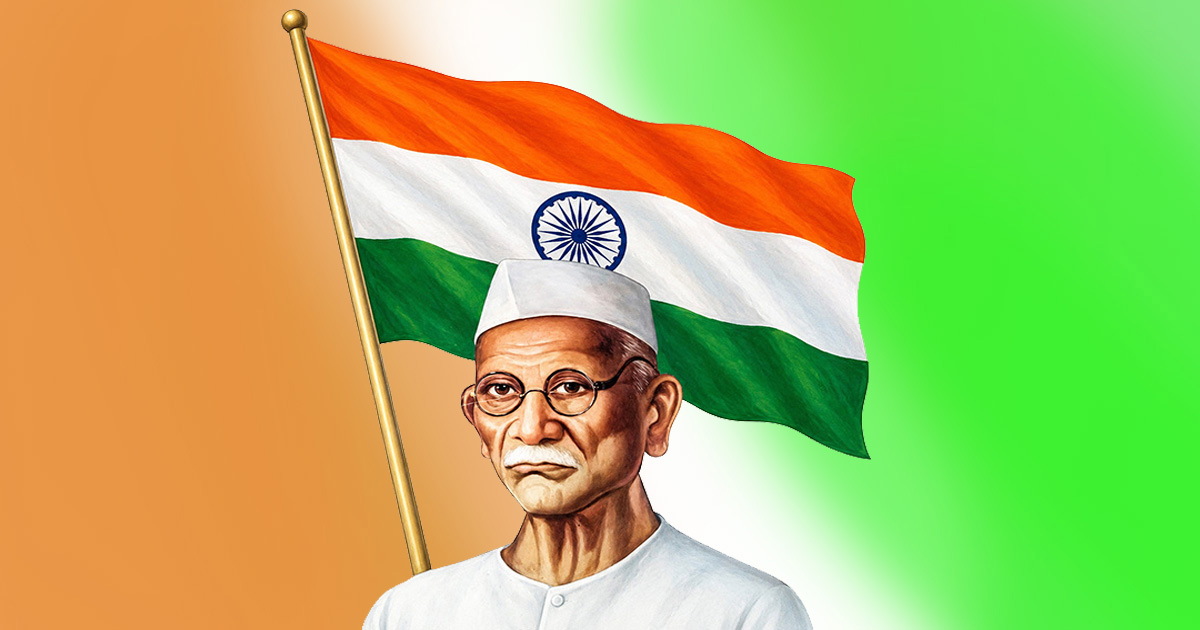
Shyamlal Gupta | This image is AI-generated
जब तक मेरा देश आजाद नहीं हो जाता, तब तक मैं पैरों में जूता नहीं पहनूंगा और सिर पर छाता नहीं लगाऊंगा। (Until my country becomes independent, I will neither wear shoes on my feet nor put an umbrella over my head.) The statue of Shyamlal Gupta | Image Source: Jagran
It was not a slogan; it was a vow. A vow made by Shyamlal Gupta 'Parshad', who refused to wear shoes or carry an umbrella until India became free. You may not recognize his name, but you've almost certainly sung his words. Every Independence Day and Republic Day, "Jhanda Uncha Rahe Hamara" echoes across India. Yet only a few know the remarkable story of the man who wrote it. Long before his song inspired a nation, Shyamlal's patriotism was put to the test. 
That single decision revealed the man he truly was. His courage soon caught the attention of the legendary journalist and freedom fighter Ganesh Shankar Vidyarthi. Impressed by Shyamlal's patriotism and poetic brilliance, Vidyarthi entrusted him with a mission that seemed simple but would eventually become immortal. "Write a song for our national flag."
Shyamlal understood that India's tricolour was more than a flag; it was the symbol of Swaraj. While speeches inspired leaders, India needed a song that every citizen could remember and sing. Then came the night of March 3, 1924. Sleep refused to come. Images of British oppression, the sacrifices of countless freedom fighters, and the dream of seeing the Indian tricolour flying above the Union Jack filled his mind. He paced his room for hours, unable to rest. Then, sometime after midnight, the words began to flow.
By 2:00 AM on March 4, 1924, the historic verses of "Jhanda Uncha Rahe Hamara" were complete. The song spread like wildfire. It became the anthem of the freedom movement and was sung during rallies. He sent the poem to Khanna Press in Kanpur, which printed 5,000 copies, filling countless Indians with hope and courage. It became an overnight sensation. When it was first sung publicly on April 13, 1924, in front of Jawaharlal Nehru to commemorate the Jallianwala Bagh massacre, the song brought thousands of listeners to tears and instantly became the official anthem of the freedom struggle.
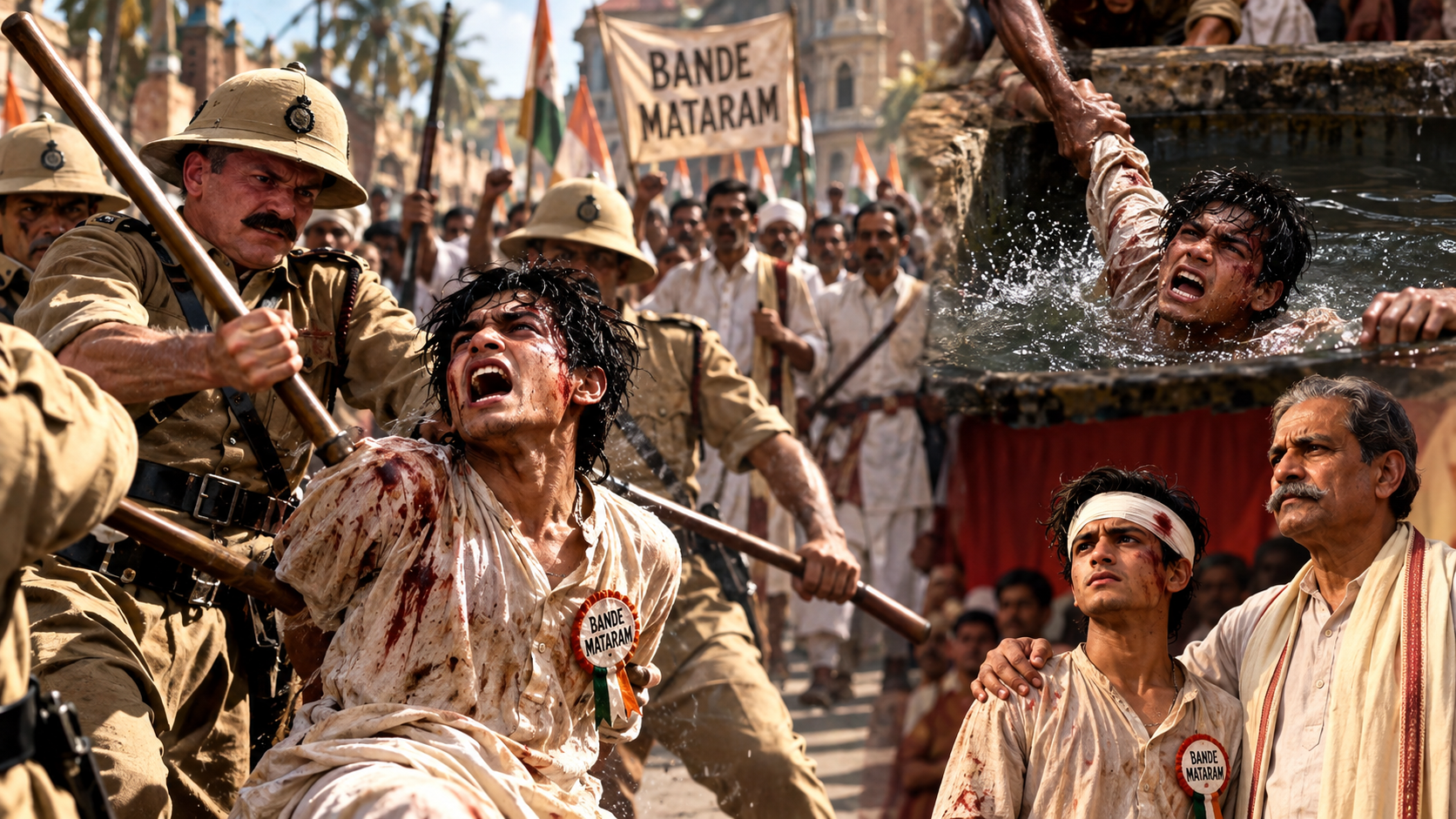
The British immediately realized the power of the song. They fined Shyamlal Gupta ₹500, an enormous amount at the time, for writing and spreading the patriotic anthem. But that wasn't enough. They arrested him and sent him to prison. Because of his relentless participation in India's freedom struggle, he was imprisoned eight times in just six years. Inside jail, British officials repeatedly tortured and humiliated him, demanding that he apologize to the British Crown in exchange for his release. Shyamlal refused every time.
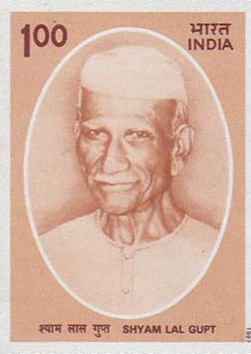
Shyamlal Gupta Commemorative Stamp | Image Source: The Mintage World
The British Empire that tried to silence his voice eventually disappeared. But the song they feared still echoes across India. Every time we sing "Jhanda Uncha Rahe Hamara," we honour not only the tricolour but also the unwavering spirit of the man who remained loyal to only one nation: India.
.jpg)