Sikkim Crisis: The CIA Connection of American 'Spy Queen' Hope Cook and the End of Monarchy Through India's Foresight
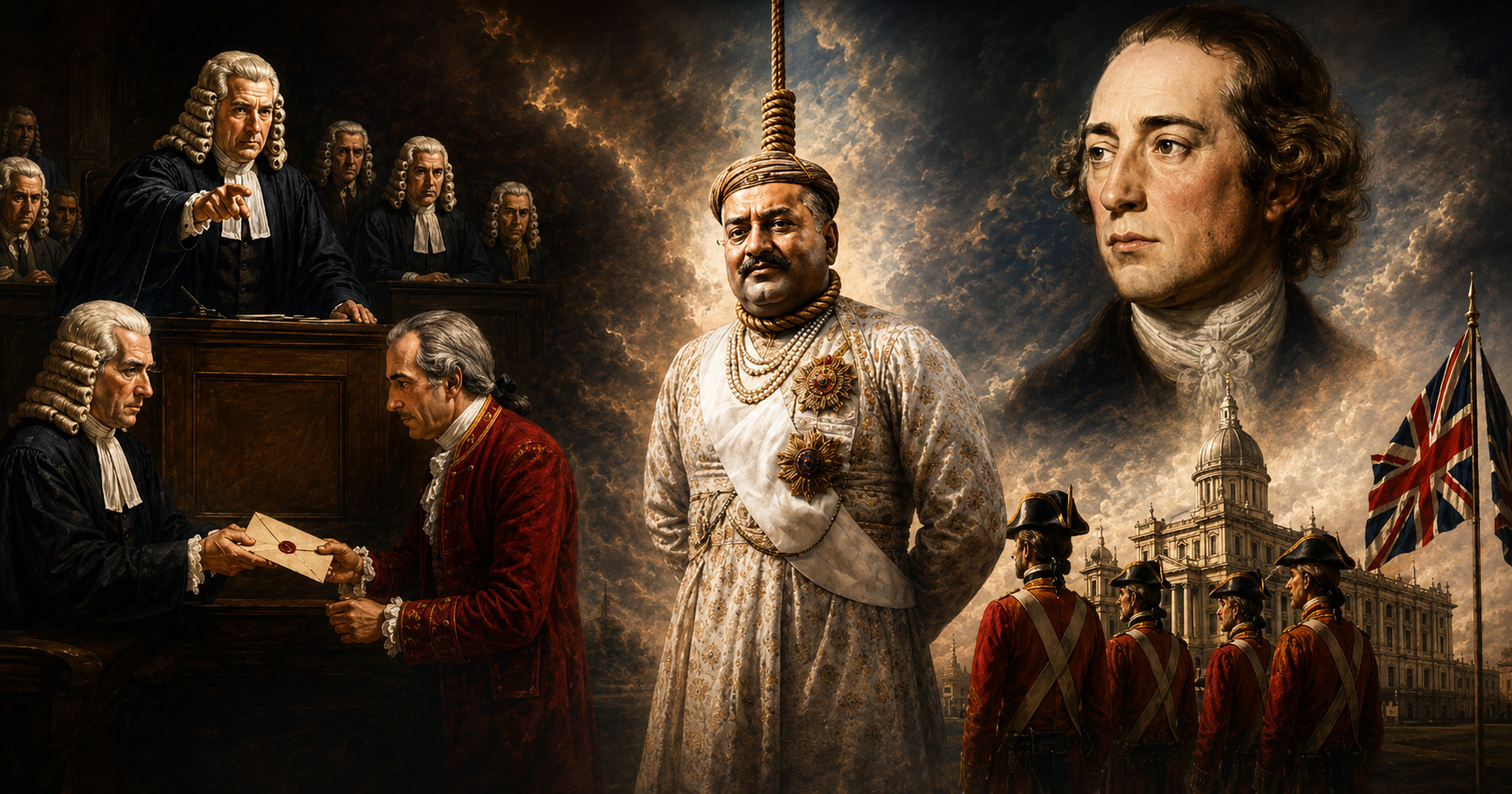
India feared that through Hope Cook, the CIA could turn Sikkim into a base for American interests instead of a buffer state against China.

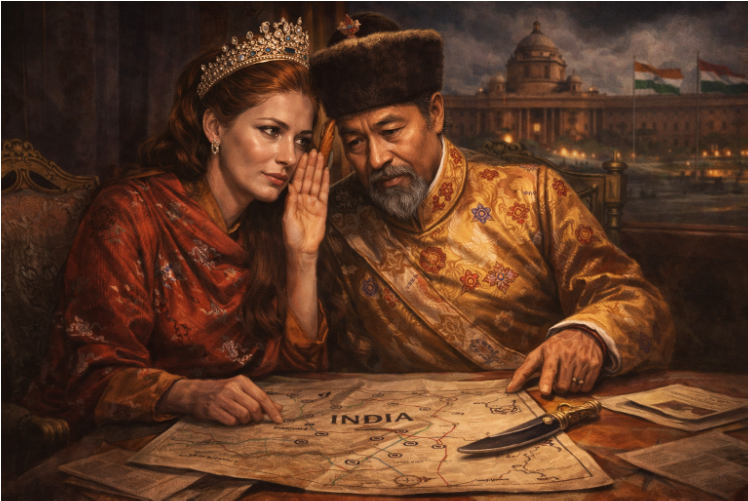
This image is AI-Generated
Nestled in the lap of the Himalayas, Sikkim was rapidly destabilizing in the early 1970s. The peaceful Himalayan state suddenly fell into the grip of ethnic tensions, political chaos, and external influences. Crowds of protesters flooded the streets, police stations were seized, government offices were attacked, and statewide unrest spread. Behind this worsening crisis was Sikkim's American queen, Hope Cook. This 1973 incident was not just the story of the end of Sikkim's monarchy, but also an example of the CIA connections of an American queen and the combined foresight of India's intelligence and army. Let's explore the fascinating story of Sikkim's merger with India.
Sikkim, which was a protectorate state of India under the 1950 India-Sikkim Treaty, was under the command of King Palden Thondup Namgyal when conditions in the state rapidly deteriorated in the 1970s. And responsible for the situation was his American wife and Queen of Sikkim, Hope Cook.
Hope Cook met Palden Thondup Namgyal in Darjeeling in 1959. The two married on March 20, 1963. Later, in 1965, when Palden Thondup Namgyal became king, Hope Cook became the Queen of Sikkim. But soon she was no longer just the queen of the palace; she became a mastermind of politics.
Queen Hope Cook invited foreign journalists to the palace, gave interviews, and portrayed Sikkim as an "independent nation struggling against Indian pressure." She pressured the Chogyal to eliminate India's influence in Sikkim and intensify demands for independence. Intelligence officials in Delhi began calling her the 'Spy Queen.' Serious allegations were made that she had ties to the American intelligence agency CIA. Author Devdutt D clearly wrote in his book 'Ajit Doval: On a Mission' that Delhi's intelligence officials suspected Hope Cook was working as a conduit for Washington's influence.
At that time, India-US relations were strained. The US had sided with Pakistan during the 1971 Bangladesh War. India feared that through Hope Cook, the CIA could turn Sikkim into a base for American interests instead of a buffer state against China. The queen's growing international contacts and independence claims further inflamed Sikkim's Nepali-majority population (about 75% of the total population). They were already suffering from the feudal land system and electoral bias of the Bhutia-Lepcha elite. The queen's influence forced ethnic tensions to an extreme level.
In early 1973, allegations of rigging in the February elections raised that conversation again. The Chogyal jailed opposition leaders. On April 2, Crown Prince Tenzing Namgyal was accused of ordering the firing on protesters, killing one person. This incident spread like wildfire across Sikkim. Protesters began attacking police stations, seized government offices, and local police fled. Streets were filled with convoys of trucks and jeeps. Chogyal himself wired Indira Gandhi for military help. Under the 1950 India-Sikkim Treaty, India was responsible for defense and foreign policy. Meanwhile, protesters also appealed to Indira Gandhi for intervention.
The Indian Army sent troops of the 17 Mountain Division under the leadership of Brigadier Depinder Singh. The army used minimal weapons, established dialogue with protesters, listened to their demands (abolition of feudalism, democracy), and provided logistical help to send them home. The Chogyal's 200-member Palace Guard was peacefully disarmed. On April 8, the Chogyal signed an agreement handing over administrative control to India. Peace was restored by April 15.
It is worth noting that behind the scenes, young intelligence officer Ajit Doval contacted local leaders in Sikkim, gauged the public's pulse, and reported to Delhi that the merger was the people's will. This intelligence work neutralized Hope Cook's influence. Under mounting pressure, Queen Hope Cook left Sikkim for the US in 1973 and never returned.
This crisis paved the way for the 1974 elections and the 1975 referendum. On April 14, 1975, 97.5% voted in favor of the merger. On May 16, 1975, Sikkim became India's 22nd state. The monarchy ended, and democracy arrived.
This story is not just about Sikkim's merger, but also about an American queen's CIA connections, ethnic tensions, and the combined foresight of the Indian army and intelligence agencies. This achieved a strategic victory without major conflict.