What’s Truth Behind Eating ‘Grass Rotis’? Know About Biggest Secret of Maharana Pratap Hidden in Aravali

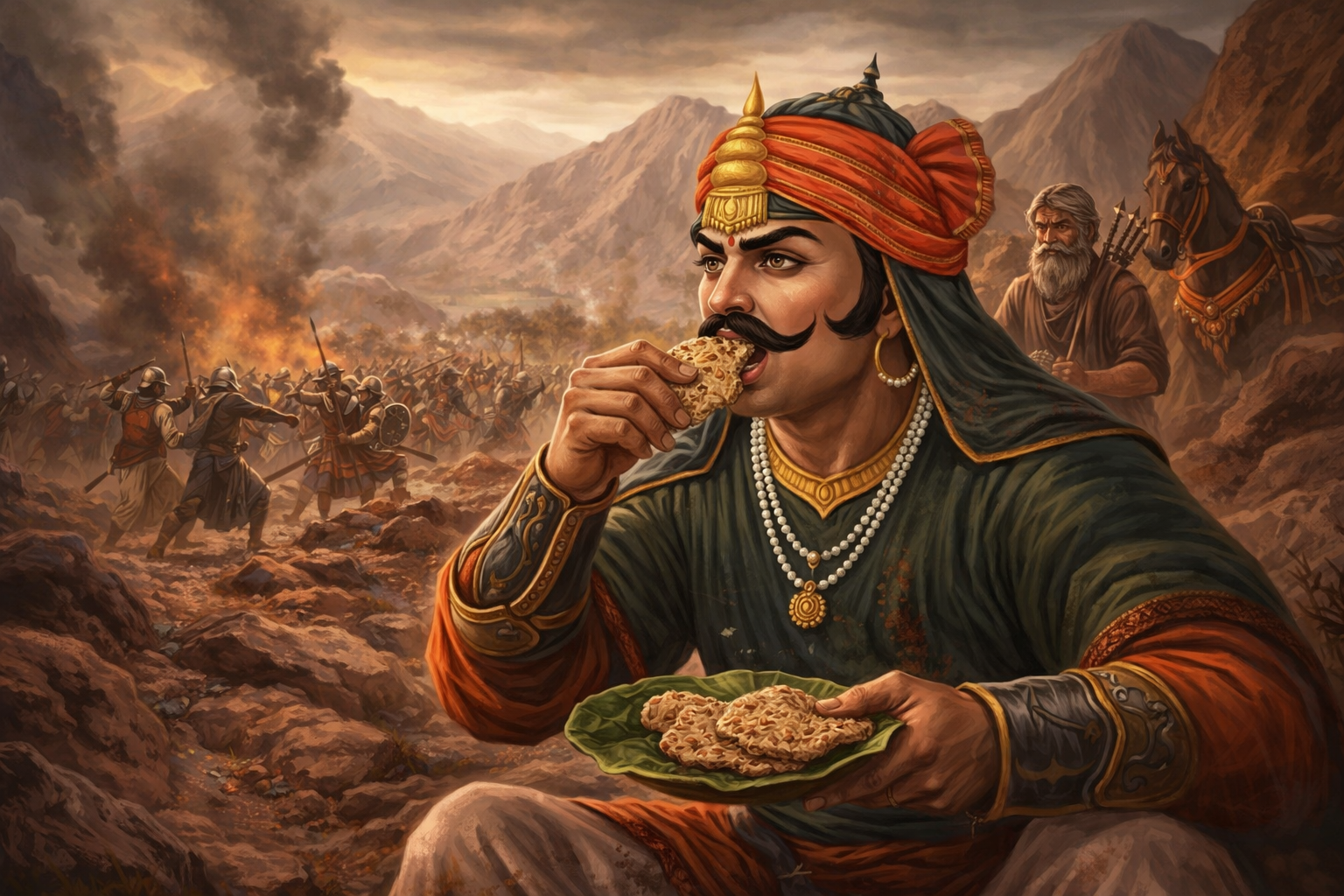
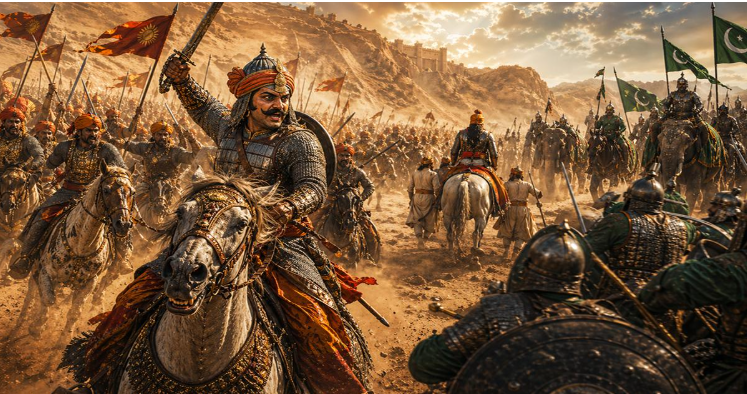
Maharana Pratap eating bread made from wild grain flour | This image is AI-generated
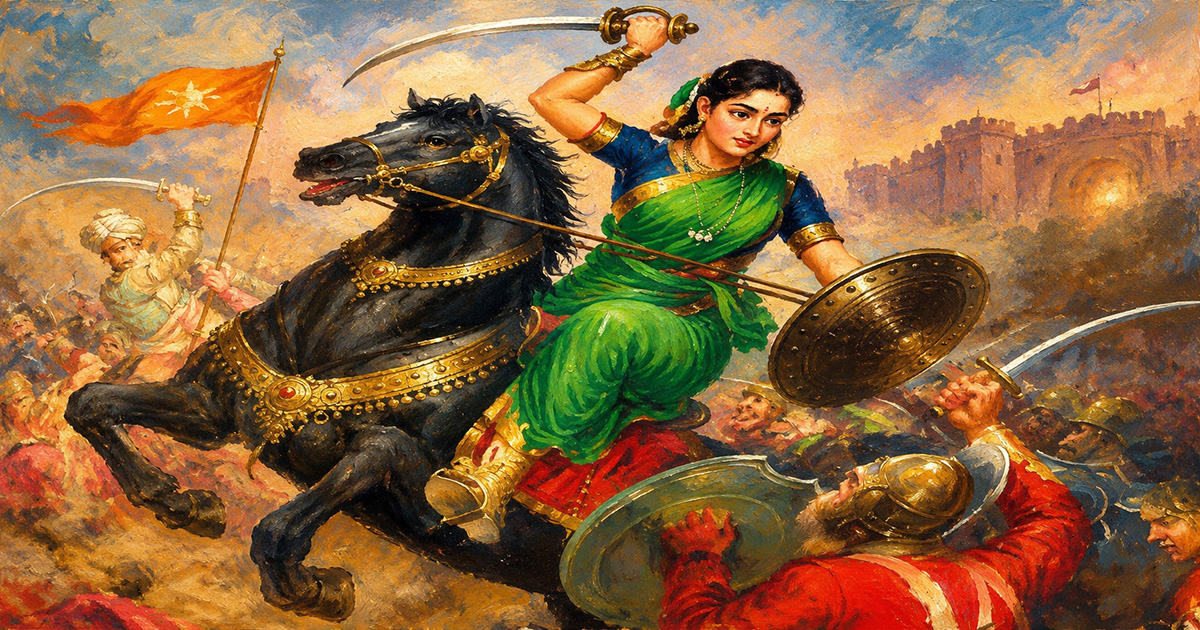
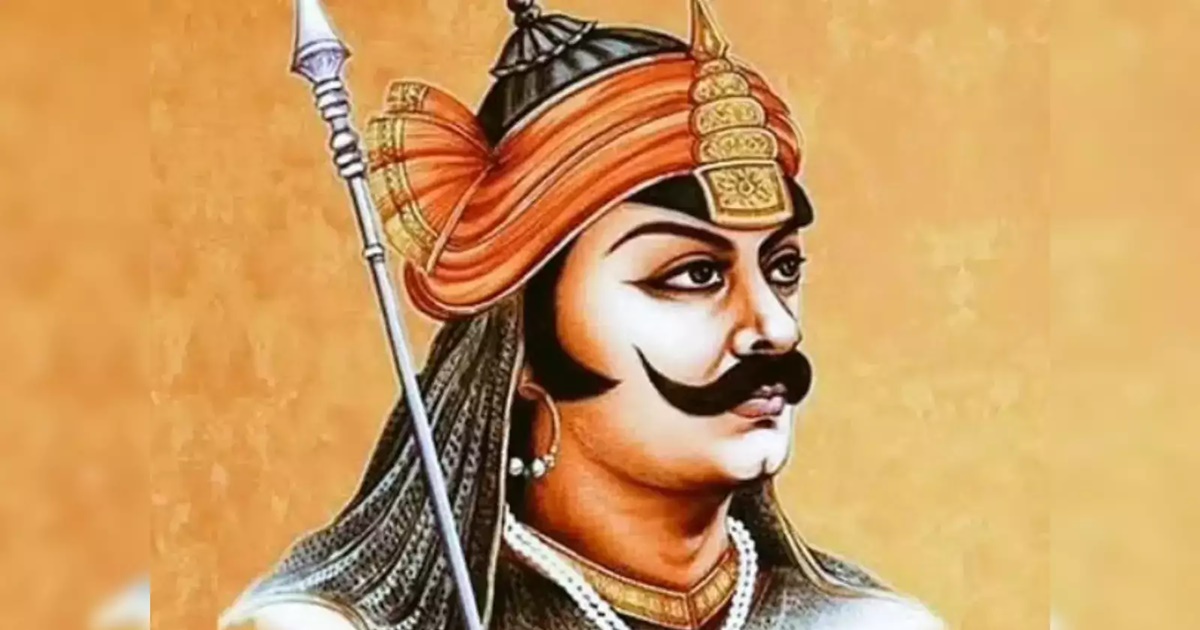
This is the story of a heroic king who abandoned grand palaces to make the forests his home—all for the sake of defending his nation's pride. This saga of valor belongs to Mewar's king, the brave Maharana Pratap. In the Battle of Haldighati (1576), Maharana Pratap's small army fought bravely against the massive Mughal force led by Akbar. Thousands of Mughal soldiers were killed. But Pratap's army was not even half the size of the Mughal army. As a result, Maharana Pratap devised a strategy of guerrilla warfare against the Mughal army, forcing him to take refuge in the Aravali hills with his army and family. It was during these harsh times that the famous episode of "grass rotis" emerged. But this was not merely a tale of hunger and deprivation; it was the story of a resolve that immortalized Maharana Pratap in history.
After Haldighati, Pratap had two options: Either surrender to the Mughals or continue the struggle for living in the forests. Pratap chose to live in the woods. He vowed that until Chittor Fort was liberated from Akbar, he would not live a royal life. He gave up gold and silver utensils, ate from leaf plates, slept on straw mats, and took a pledge not to trim his beard. This became part of his ascetic life. During these days, Maharana Pratap also faced a food crisis. Akbar had cut off all supply routes to the Aravali, ensuring not a single grain reached Pratap and his army. Then, Pratap, his family, and allies had to eat "grass rotis." But this was not just a story of scarcity; there was a deeper strategy behind it.
The "grass" mentioned in folk tales and poems was not ordinary grass. It was actually wild grains found in the Aravali forests, particularly wild millet (sama) and seeds from plants called tor ki or gari. In these tough times, Pratap and his army ground these seeds into flour and made rotis from them. They looked like ordinary rotis, but they were a powerful food. Wild millet grew quickly, and gari seeds were rich in protein. This was the sustenance that gave strength to Pratap's army fighting in the hills despite the hardships.
For six years, Maharana Pratap lived in the Aravali hills with his army and family. The land itself became his ally. Wild grains grew in the cracks of the rocks without cultivation. Wild millet was ready in 45-60 days, providing continuous energy to Pratap's soldiers. Gari seeds, high in protein, helped maintain muscle strength. This is why the grass roti was not just a necessity but a smart strategy. While the Mughal army depended on heavy logistics and long supply lines, Pratap and his men drew food from the forest's natural "pantry" and adapted to all adversities.
Even in these dire circumstances, Pratap was not alone. The Bhil tribes living in Mewar's hills stood with him. Wild fruits, seeds, and grains from nearby villages and forests became lifelines for his army. His trusted minister, Bhamashah, also provided funds and resources, giving Pratap renewed strength. Gradually, Pratap adopted guerrilla warfare tactics—small surprise attacks on the Mughal army, using mountain paths for sudden strikes. This strategy became the Mughals' biggest challenge.
Time passed, but Pratap's resolution did not break. Finally, in 1582, in the Battle of Dewair, he launched a decisive attack on Mughal outposts. Through guerrilla tactics, knowledge of the hilly terrain, and the power of those wild grain rotis, Maharana Pratap recaptured 36 territories from Dewair to Gogunda. The invading Akbar's army fled. Slowly, most of Mewar came back under Pratap's control; Akbar never fully took over Mewar. Those "grass rotis" eaten in the Aravali valleys never let Pratap bow down. That roti was not just food but a symbol of pride, patience, and freedom. This is why Maharana Pratap's name is still revered as that of the warrior king who endured forest hardships, ate rotis made from grass seeds, yet never compromised his pride. Through his valor, the hero ultimately freed Mewar's land from the Muslim invader, Akbar.
.jpg)