Secularism Vs Nationalism: Why did Nehru Oppose the Somnath Celebrations?

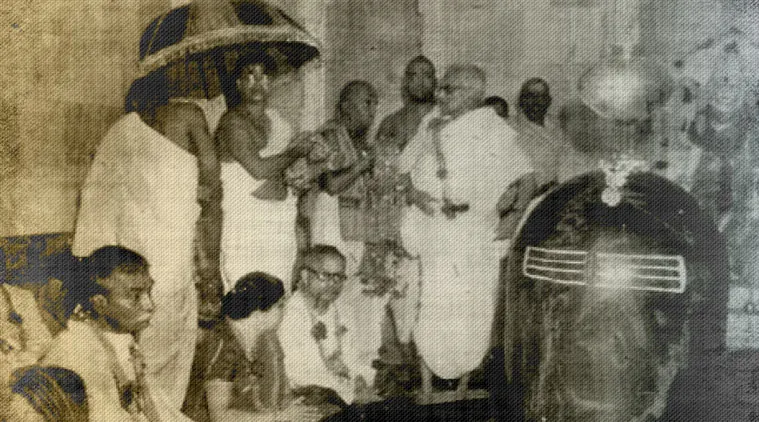
Former President Dr. Rajendra Prasad on the occasion of the Somnath Temple's Prana-Pratishtha (Consecration) ceremony | Image Source: Indian Express
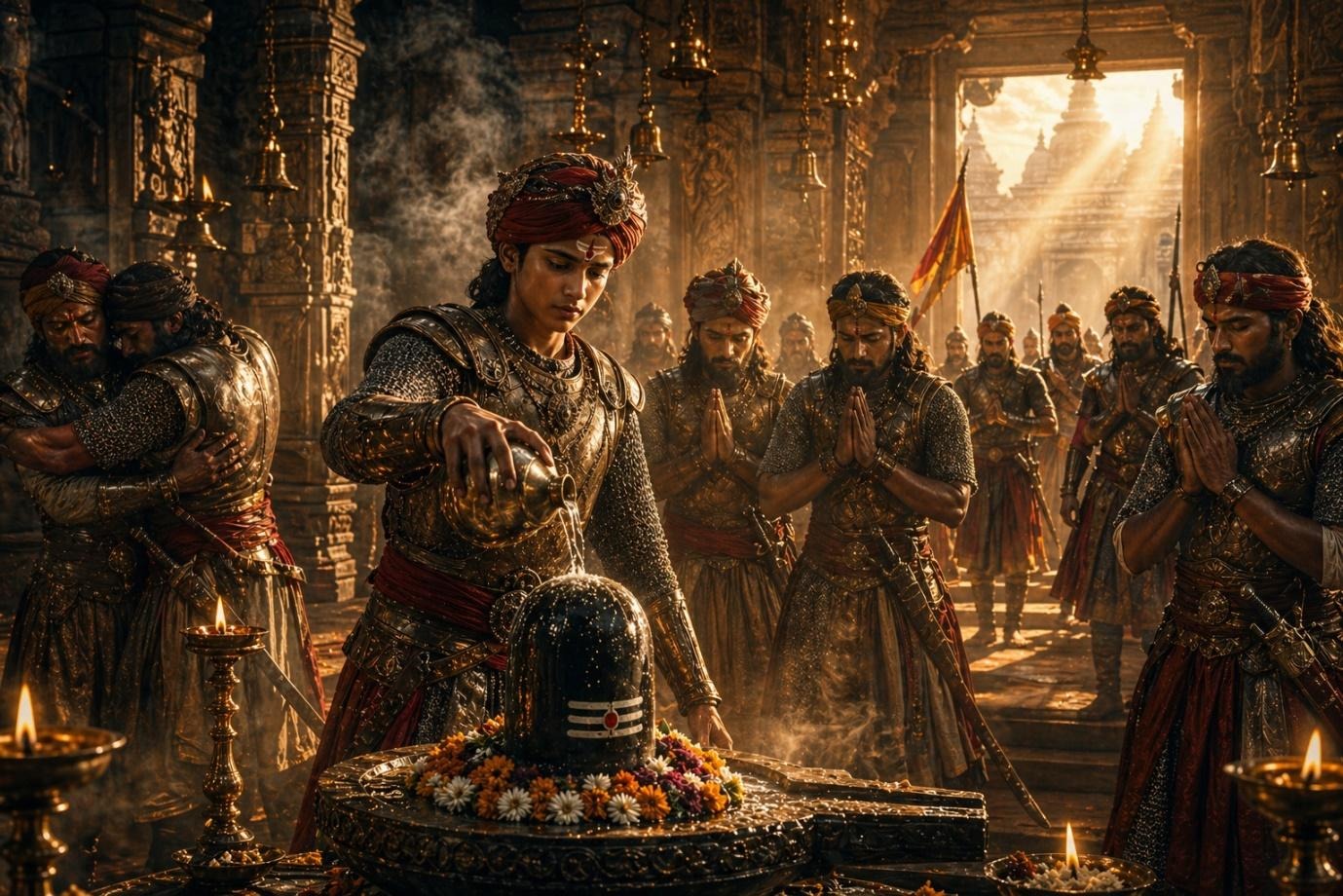
In 1951, the nation was just beginning to breathe the air of freedom. But in that air, the scent of the blood of Partition was still raw. On the shores of the Arabian Sea, the Somnath Temple was reclaiming its lost glory, healing the scars of a thousand years of servitude. It was a moment when a nation was reclaiming its lost soul. However, at that same time, to the intellectuals seated on the thrones of Delhi, it appeared as "communalism." This was where it all began—the actual war between Indianness and imported "Secularism!"
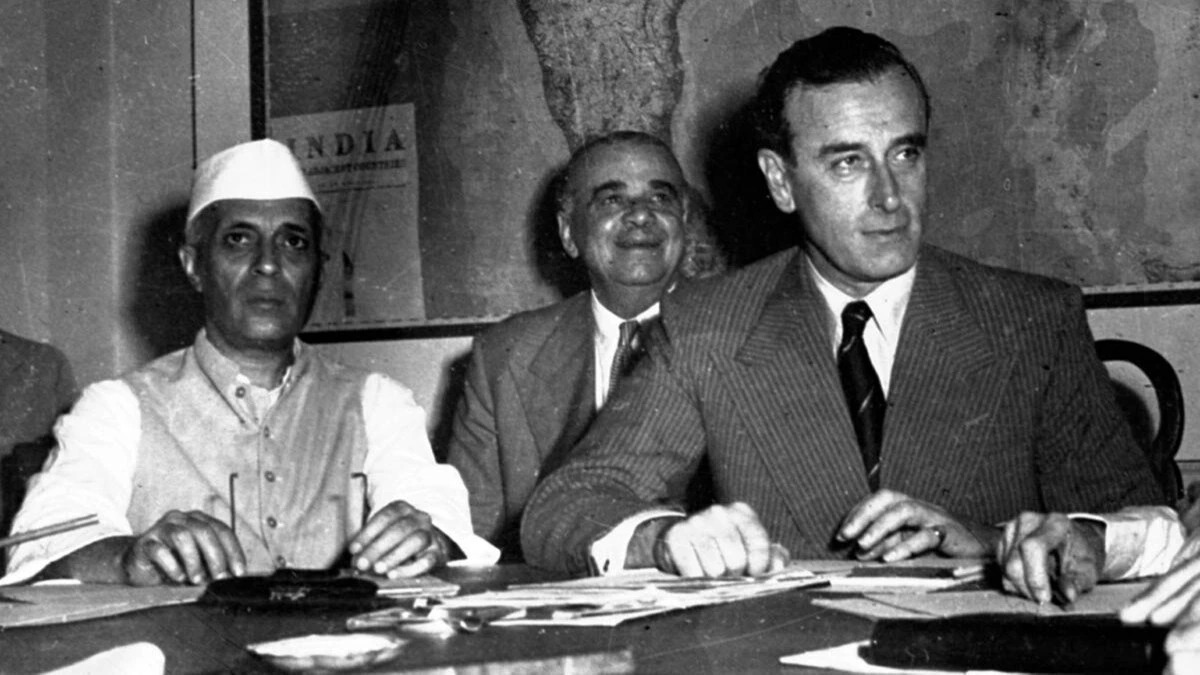
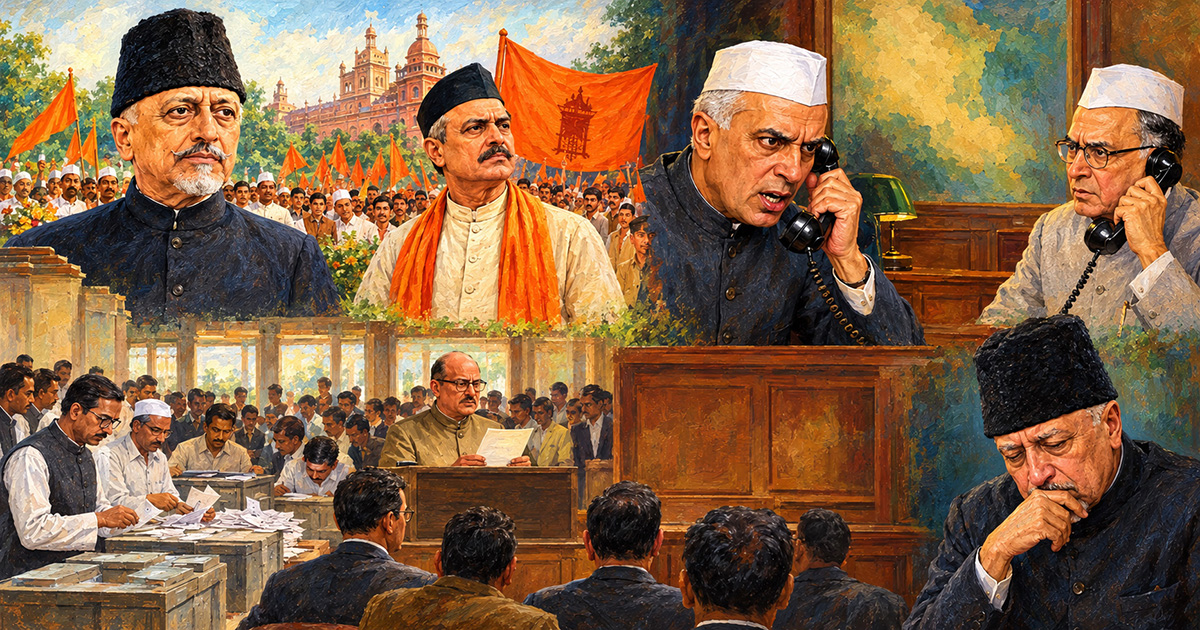
Following the integration of Junagadh, Sardar Patel, moved by the sight of the Somnath ruins, took a vow: "We will rebuild this temple." It wasn't just a promise; it was an attempt by a nation to rewrite its history. However, as Gandhiji advised against using government funds for the construction, Patel established the 'Somnath Trust' to build the temple through public donations. Amidst this process, following Patel's demise, K.M. Munshi took the responsibility upon his shoulders. During this period, the then-Prime Minister Nehru vehemently opposed the temple's reconstruction several times. "I do not like this Hindu Revivalism," Nehru explicitly told Munshi. To which Munshi replied: "We cannot build a future by forsaking the past. Somnath is a symbol of our national self-respect."
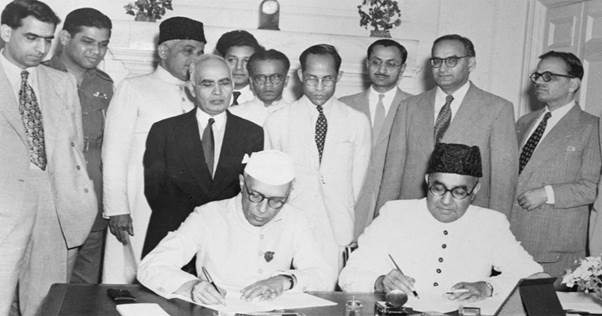
For the temple's inauguration scheduled for May 11, 1951, Munshi invited President Rajendra Prasad. Nehru was deeply displeased with this. He worried that the President attending such an event would mean giving importance to religion. Furthermore, he wrote a letter to the President, warning him, "Your participation will damage our secular image." Nehru didn't stop there; he also took "silent action." He ordered the event to be removed from the official list of government programs and even issued a gazette notification to that effect. He also wrote to the Chief Minister of Saurashtra (modern-day Gujarat), directing that grand arrangements should not be made for Rajendra Prasad’s arrival and that government funds should not be spent. He stated that the Center had firmly decided to have no association with this matter and suggested it be treated as Rajendra Prasad's personal visit. He ordered officials to ensure there was no live broadcast of the event on All India Radio (AIR). He even sent a circular to Indian Ambassadors abroad, clarifying that "The Government of India has no connection with the Somnath ceremonies; it is a private affair."
Prime Minister Jawaharlal Nehru’s letter to K.M. Munshi opposing the Somnath ceremony | Image Source: Op India
However, Rajendra Prasad, ignoring the restrictions imposed by the Nehru-led government, went to Somnath as a common citizen. He not only inaugurated the temple but also performed the Prana Pratishtha (consecration) of the Jyotirlinga.
Why such opposition from Nehru regarding the Somnath Temple reconstruction?
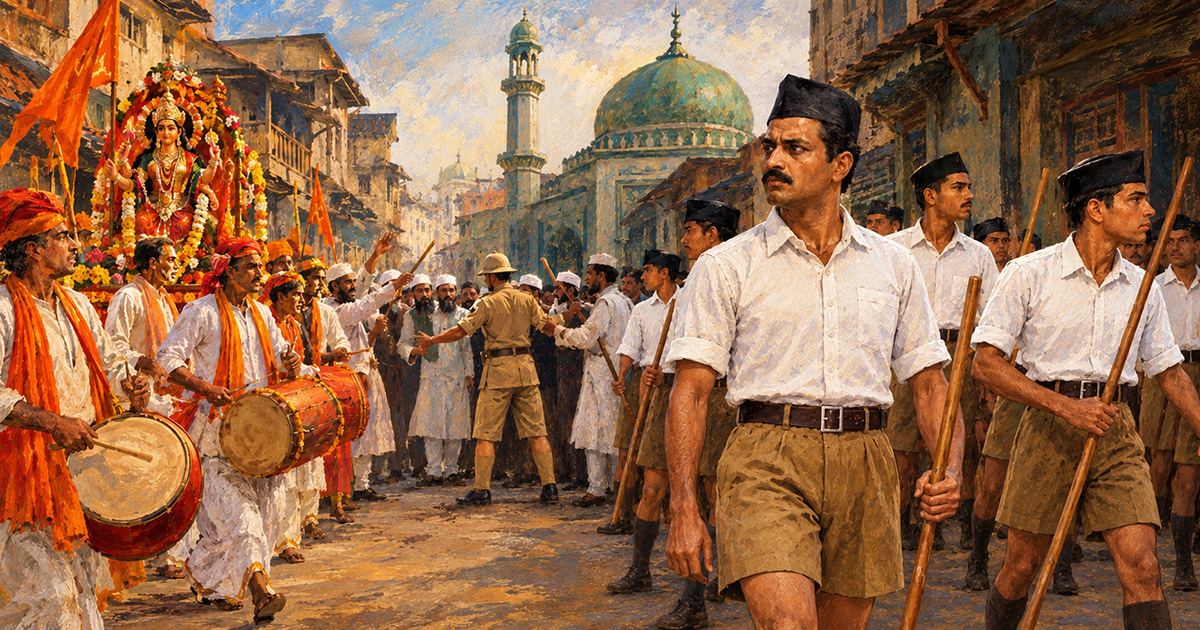
Nehru believed the country was still recovering from the wounds of Partition and wanted the government and its representatives to stay away from all forms of religious displays. He felt that the President participating in majority religious celebrations would cause fear and anxiety among minorities.
Who owns the 'Sin of Partition'?
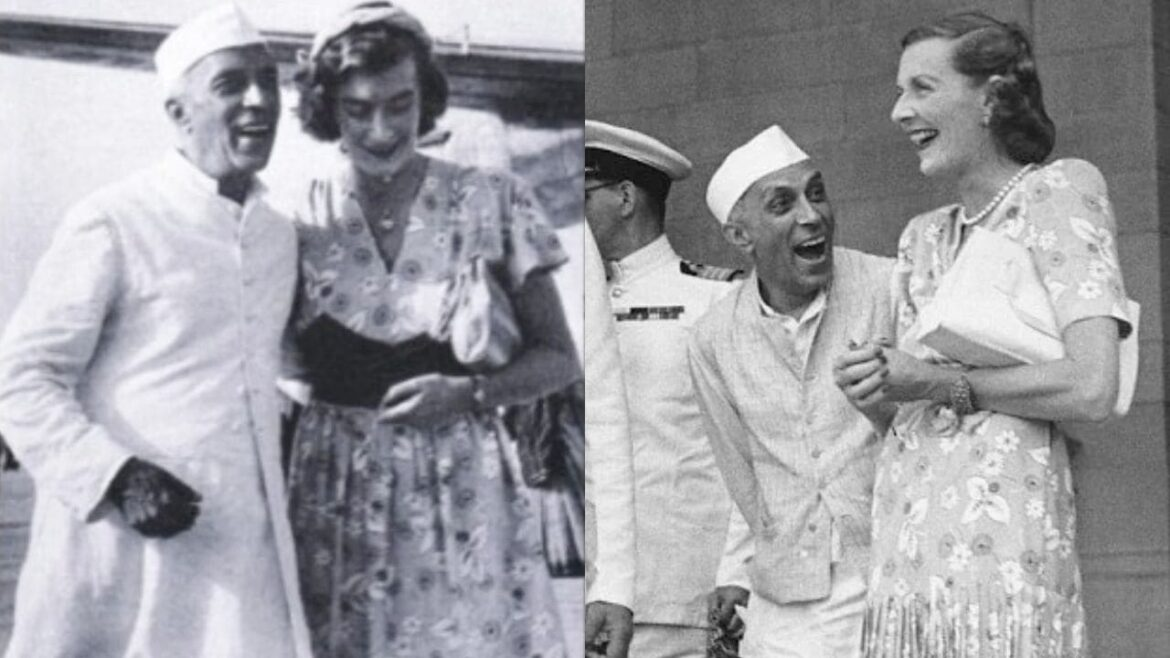
Nehru's justification for opposing Somnath was: "The wounds of Partition are still raw." How ironic! Who sowed the seeds of that very Partition? What is the morality in blaming Indian culture for a division caused by political failures and arguing that "displaying Hindu symbols would frighten minorities"? Consequently, there are criticisms that Nehru used the mask of "Secularism" as a weapon to cover up his own blunders.
Nehruvian Secularism: Did it fracture nationalism?
While Pakistan was proudly declaring its Islamic identity, the then rulers (Nehru) in India were absolutely unwilling to display their millennia-old Sanatana Dharma. Is it any form of justice to view the majority culture as a "minus factor"? Obstructing a nation from honoring its historical greatness (Cultural Pride) is equivalent to stripping it of its "moral backbone." It is understood here that Nehru’s approach sought to transform India into a nation with a "degraded national self-confidence."
Rajendra Prasad: The Pinnacle of Self-Respect
President Rajendra Prasad, who went to Somnath by disregarding Nehru's objections and threats, stands as a mirror to true "Indianness." His reply to Nehru was a crushing blow: "I respect all religions as a citizen, but no office can obstruct my right to practice my faith." In Prasad’s view, nationalism was not a void devoid of culture; it was a culture-based nationalism that embraced all hues. It was because he went that the restoration of Somnath went down in history not as a "non-governmental" event, but as a "National" celebration.
Suppression - Marketing - Silence
Nehru's secularism is described not just as a theory but as a political tactic used to market an inherent discomfort with Hindu culture under the name of "Secularism." By opposing Somnath at the state level, a wrong signal was sent to future generations that "speaking about our roots is a crime." Because of this, Indian nationalism was fractured—split into one group that loves the culture and another that views it with disdain.
Conclusion: Today’s Awakening
The Somnath episode teaches us one lesson: just as a building without a foundation cannot stand, a nationalism without culture will surely collapse. The flag raised by Rajendra Prasad, tearing through the secular mask, remains alive today. We must speak of our history with pride. We must respect our roots. Because nationalism is not just about borders; it is our invincible identity of thousands of years!
.jpg)