When the Dalai Lama Crossed into India from Tibet
On the night of March 17, 1959, under the cover of darkness, the young Dalai Lama quietly slipped out of the palace gates.

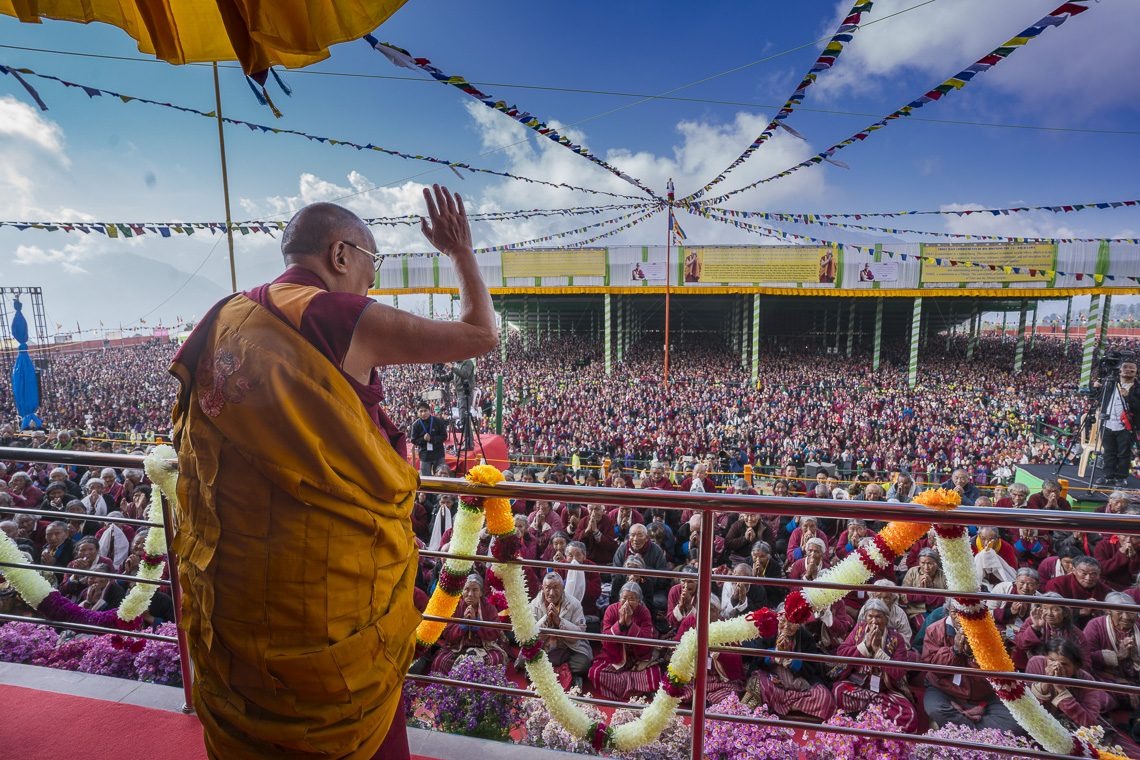
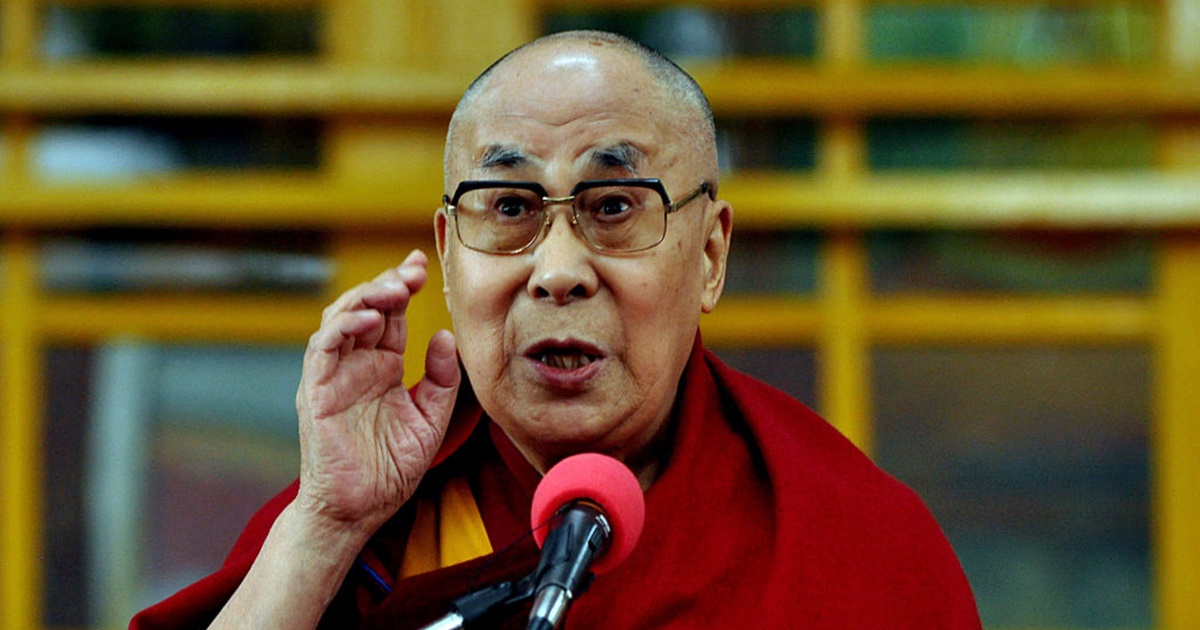
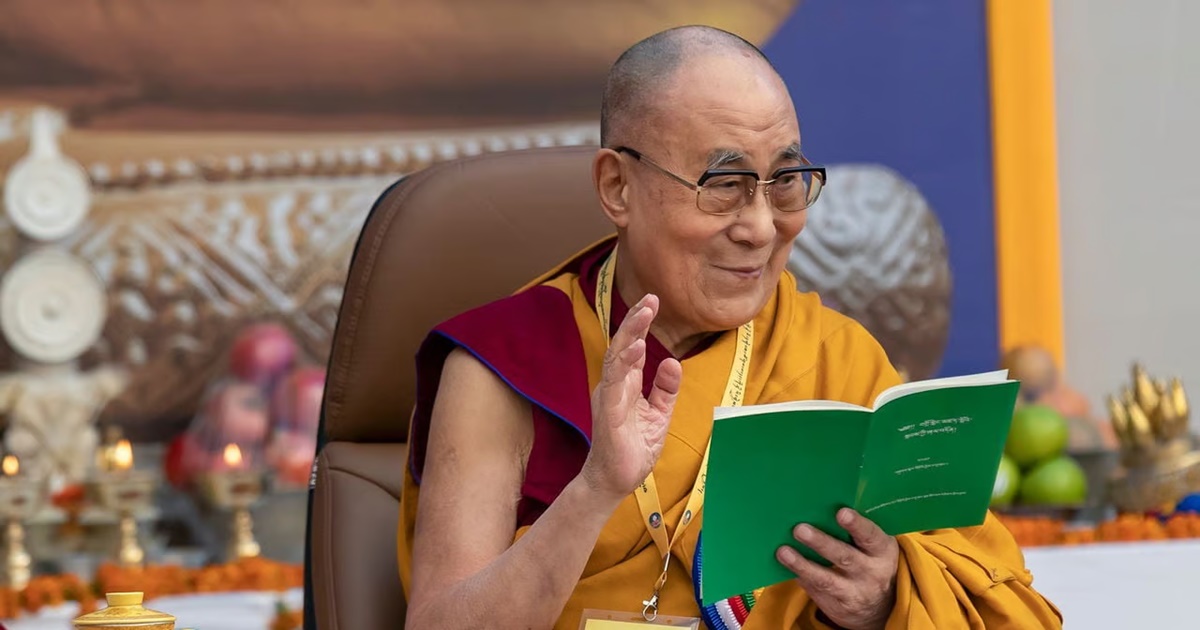
Dalai Lama | Image Source: Central Tibetan Administration
Sometimes a moment in history is remembered not because armies fought or treaties were signed, but because a single journey changed the fate of a region. High on the vast Tibetan plateau, often called the “Roof of the World,” life had long followed an ancient rhythm. Snow-covered mountains guarded wide valleys where nomads moved with their yaks and sheep across the grasslands. Monasteries rose from rocky hillsides, their golden roofs shining beneath the clear Himalayan sky, while prayer flags fluttered in the cold mountain wind. Inside these monasteries, monks recited sacred texts that had been preserved for centuries. For generations, Tibetan life revolved around faith and community. But the calm of this world began to fade in the middle of the twentieth century.
In 1950, the newly established People’s Republic of China sent tens of thousands of soldiers of the People’s Liberation Army across the eastern frontier of Tibet. Chinese authorities described the move as a “liberation,” but for many Tibetans, it felt like the arrival of a powerful new force that would reshape their homeland. Roads were built for the military, Chinese officials began overseeing administration, and tension slowly spread across the plateau. Political tension slowly turned into fear, unrest, and resistance. Within the ancient city of Lhasa, rumours spread that the young spiritual leader of Tibet might soon be arrested.
At the center of these events stood a young monk who carried enormous responsibility. Recognized as the spiritual leader of Tibet as a child, he had grown up inside the great monasteries and palaces of Lhasa. Yet by the time he was in his teens, he suddenly found himself not only a religious guide but also the political leader of a nation facing uncertainty. For several years, he attempted to maintain peace, meeting Chinese leaders and hoping that cooperation might spare his people from conflict. But as the decade passed, resentment and fear grew across Tibet. For centuries, the Dalai Lama had been both the spiritual and political leader of Tibet, while for Tibetans, he was the living symbol of their faith.
Reports spread of harsh military control and unrest in eastern regions. Monasteries were watched closely, and many Tibetans worried that their traditions and independence were under threat. By March 1959, the atmosphere in the capital city of Lhasa had become dangerously tense. Rumours swept through the city that Chinese officials planned to detain the Dalai Lama. Crowds gathered outside the Norbulingka Palace, surrounding it in an attempt to protect their leader. Outside the palace walls, Chinese troops moved artillery and soldiers into position. Inside, the Dalai Lama faced the most difficult decision of his life: stay in Lhasa and risk capture, or leave his homeland.
On the night of March 17, 1959, under the cover of darkness, the young Dalai Lama quietly slipped out of the palace gates. Disguised as an ordinary soldier and wrapped in a simple cloak, he began a secret journey south through the mountains of Tibet. Behind him lay the sacred city of Lhasa. Ahead lay the vast and dangerous Himalayas. The escape was filled with uncertainty. Accompanied by a small group of family members, officials, and guards, the Dalai Lama travelled mostly at night to avoid Chinese patrols. They crossed icy rivers, climbed steep mountain passes, and rode through remote valleys where even the sound of hooves seemed too loud. Every step carried the risk of discovery.
For nearly two weeks, the group moved through the rugged terrain of southern Tibet. At last, they reached the frontier of India. In late March 1959, he crossed the border near Khenzimane, entering the Indian region of Arunachal Pradesh. From there, he was brought to the historic monastery town of Tawang, one of the most important centres of Tibetan Buddhism outside Tibet. What happened there was unforgettable.
The local Monpa people, who shared deep religious and cultural ties with Tibetan Buddhism, welcomed him with reverence. Monks and villagers gathered to greet the Dalai Lama, offering traditional white scarves and prayers. To them, he was not simply a political refugee; he was a sacred spiritual figure.
Yet the moment carried deep emotion for the young Dalai Lama. Behind him lay the mountains of Tibet and the people he had been forced to leave behind as Chinese control tightened over his homeland. Standing in Tawang, he felt both relief at reaching safety and sorrow at the loss of his country. Soon afterward, the government of India granted him asylum. But the moment also carried wider significance.
From Tawang, the Dalai Lama continued his journey deeper into India, eventually settling in Dharamshala, where the Tibetan community in exile would rebuild its institutions and preserve its culture far from the mountains of its homeland. Yet the memory of that journey remains powerful. A young monk crossing the Himalayas in disguise had become one of the most dramatic escapes of the twentieth century. And the quiet town of Tawang became the place where exile began, but also where a new chapter of Tibetan history quietly started.
For India, the moment carried significance beyond refuge. The welcome given by the people of Tawang reflected centuries of cultural and spiritual ties between the region and Tibetan Buddhism. Every year on 31 May, the memory of the Dalai Lama’s arrival in Tawang reminds us of that extraordinary journey when a spiritual leader fleeing danger crossed the Himalayas and found refuge in India, turning a small Himalayan town into a place forever linked with one of history’s most remarkable escapes.