Buxi Jagabandhu: Odisha's Forgotten Hero Who Led the Paika Rebellion That Shook the British

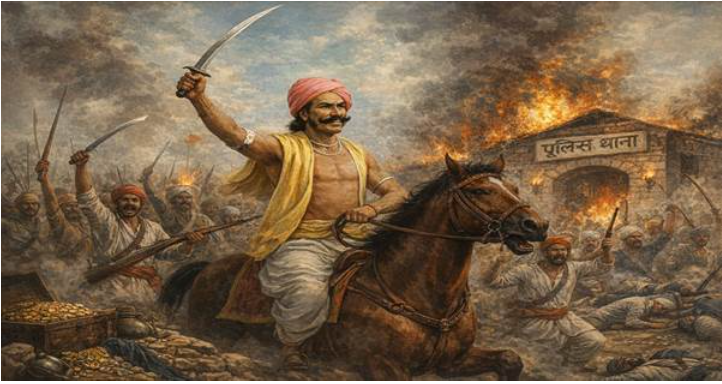
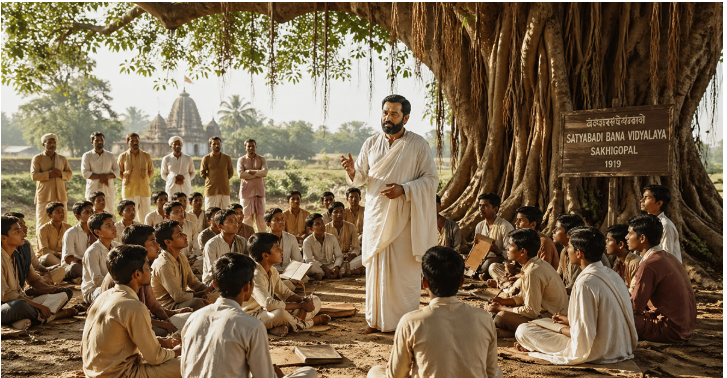
This image is AI-generated
On March 29, 1857, Mangal Pandey, a sepoy in Barrackpore, fired the shot that ignited India’s First War of Independence. His defiance against the greased cartridges, which insulted his faith, became the spark that spread from Delhi to Jhansi, shaking the British Empire. Did you know that, forty years before Pandey’s revolt, Odisha had already witnessed a people’s uprising led by another hero—Buxi Jagabandhu. His struggle, known as the Paik Rebellion of 1817, remains one of the earliest organized revolts against British rule.
Khurda, in southeastern Odisha, was a land of fertile fields and the sacred Jagannath Temple. It boasted 105 forts, 60 large villages, and over a thousand smaller ones. But in 1803, the British annexed Khurda. Khurda King Mukunda Dev II lost his parganas, temple rights, and control over smaller states from his kingdom. He was exiled to Puri.
The commander of Khurda’s Paiks, the foot soldiers, was a person named Jagabandhu Bidyadhar Mohapatra Bhramarbar Rai, the Buxi or commander. Paiks were foot soldiers who were granted rent-free land by the kings of Odisha in return for their loyal service. This system was called the “Paika System," and it provided them with a stable livelihood and a respected social status.
After capturing Khurda, the British abolished and took control over the lands allotted to the Paiks in 1805. Along with this, they imposed crushing taxes and ignored floods and famines that devastated villages. Salt prices soared under a monopoly, lands and estates were auctioned in Calcutta, and corrupt police terrorized the people. Once a commander, Jagabandhu himself was reduced to begging for survival, sustained only by the villagers who fed him.
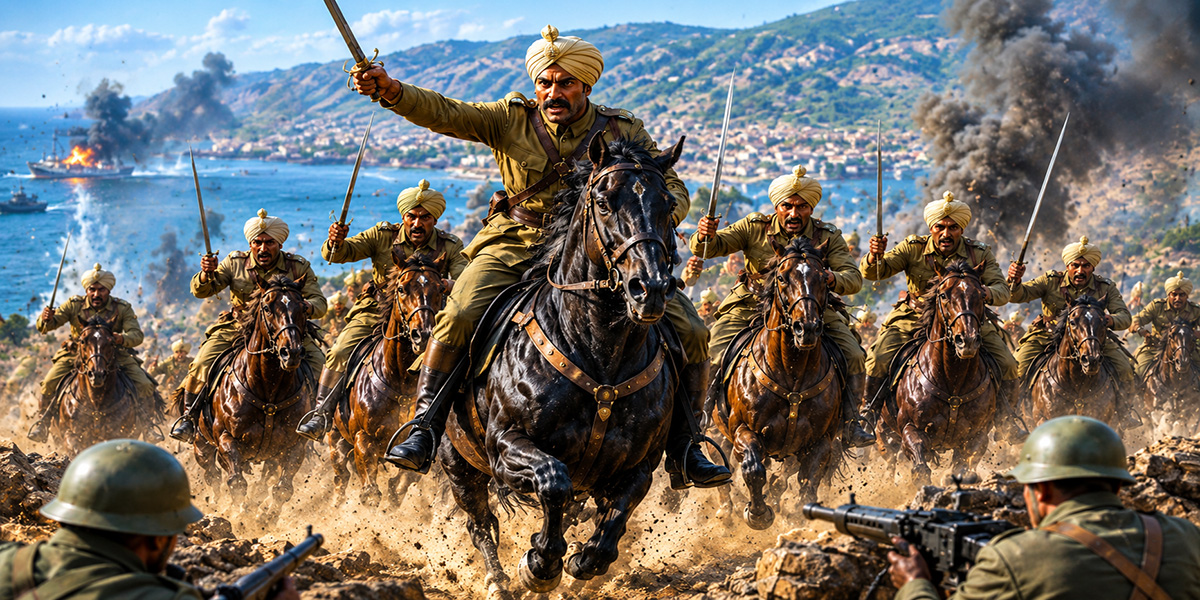
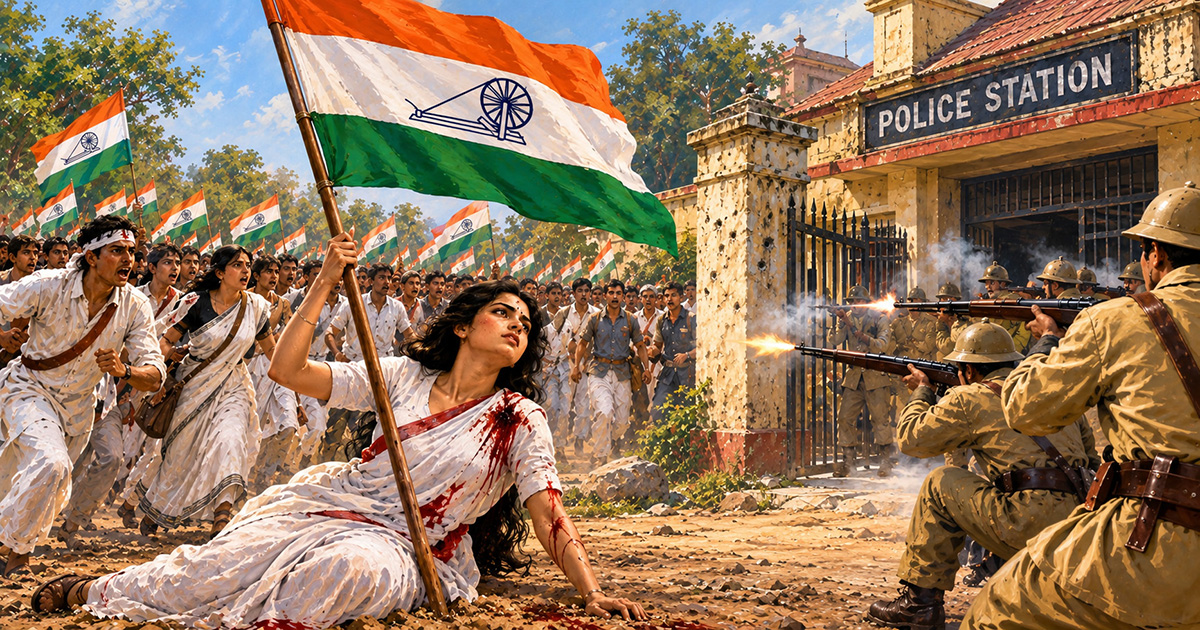
As a fightback, he started gathering his foot soldiers for a rebellion to “Fight for king, temple, land, dignity.” The rebellion erupted on March 29, 1817, when 400 Paiks stormed the Banpur police station, killing over a hundred officers and looting the treasury. Soon, the Kondh tribes joined, and the numbers for Buxi increased. By mid-April 1917, Jagabandhu led nearly 10,000 rebels to capture Puri. They reinstated the king.
The British, however, struck back with brutal force. Martial law was declared, and the king and his son were jailed. The British sent General Martindell to control the rebellion. He launched attacks from Cuttack and Berhampur.
By May 1817, the rebellion was crushed, and Buxi Jagabandhu moved to the forests. For eight years, he waged guerrilla warfare with loyal Paiks and allies, spreading resistance across Gop, Tiran, and Pattamundai. Eventually, in 1825, he surrendered under negotiated terms, only to die in 1829 without pension or recognition.
The Paika Rebellion was successful only for a short period of time. However, it left a lasting mark. The British were forced to lower salt prices, dismiss corrupt officials, and restore some lands. King Ram Chandra Dev III received funds for temple management, a concession born of fear.
More importantly, Jagabandhu’s uprising proved that ordinary people could challenge colonial power. On the same date that Mangal Pandey would later rise, Jagabandhu had already lit the flame of defiance.