How Vijayadashami Sow Seeds of RSS in Mind of Young Keshav Baliram Hedgewar?

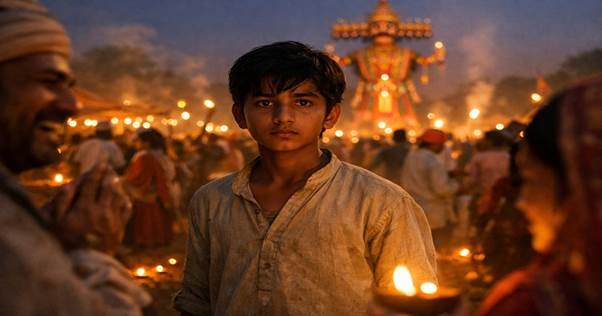
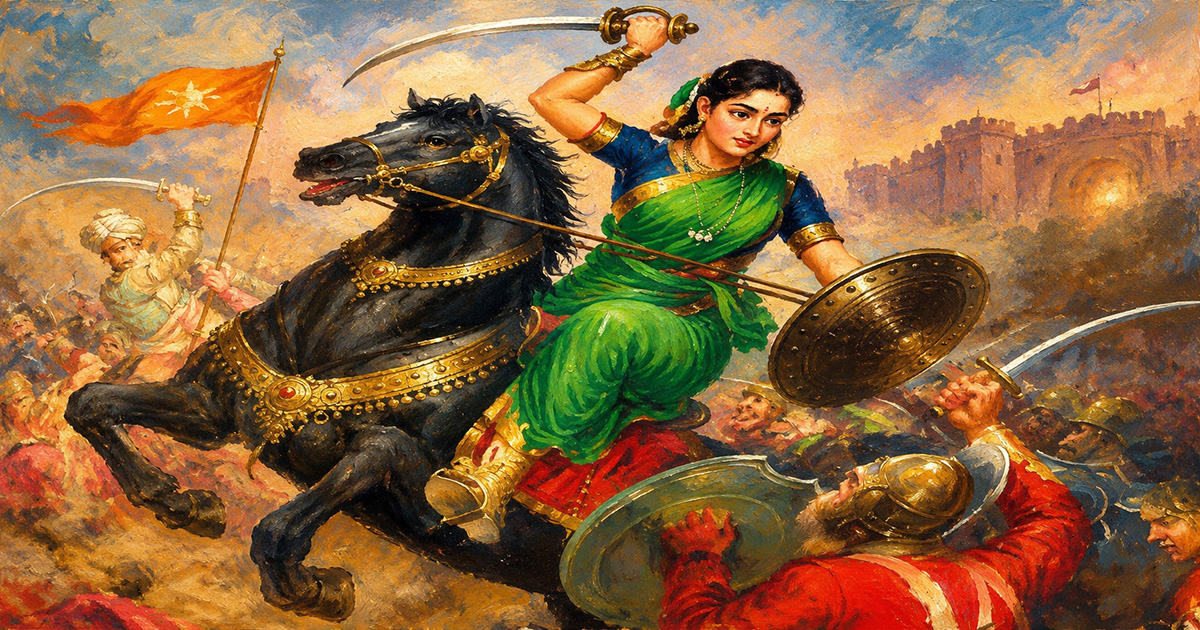
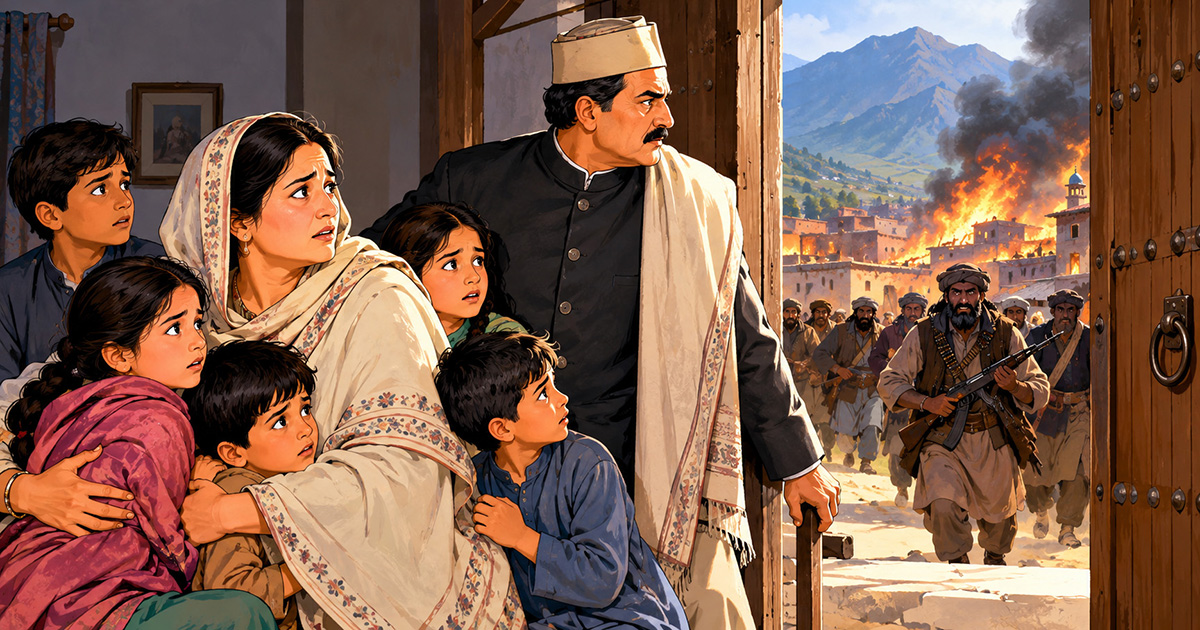
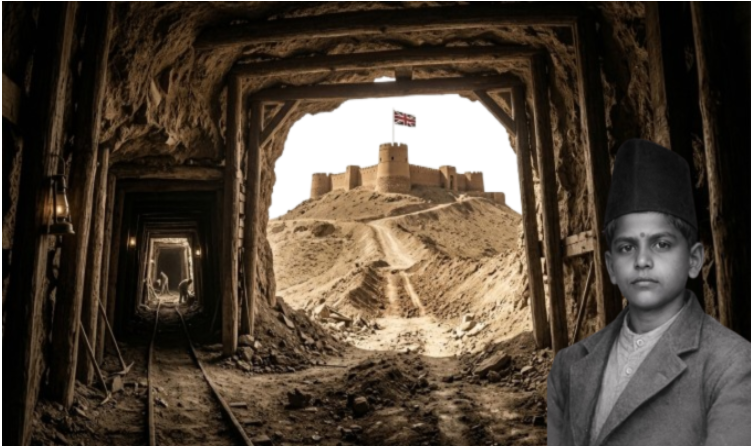
This image is AI-generated
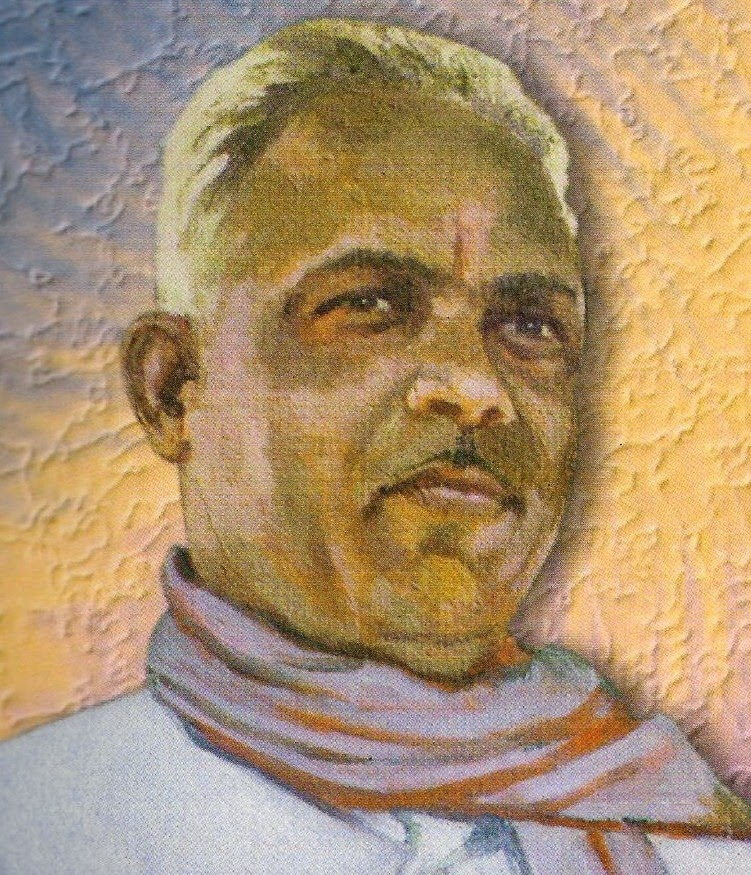
This was the first time the British government placed Keshav Hedgewar under surveillance. He was barely in his late teens.It was Dussehra, around 1907–08, in Rampayali village, where his uncle Aabaji served as a revenue inspector. The entire village had gathered for the annual celebration, drums echoed, lamps flickered and children ran through the crowd. At the center stood the towering effigy of Ravana, waiting to be burned — a symbol of the victory of good over evil.
No one expected that day to enter colonial records. As the procession moved forward, young Keshav watched silently. He had grown up in hardship losing his parents early, watching his elder brother Mahadevshastri struggle to feed the family, enduring poverty without complaint. Those struggles had made him serious, disciplined, inwardly firm. At school he was not loud, yet people followed him , leading games like “capture the flag,”. Leadership for him was natural, not dramatic.
And by now, his mind was burning. As nationalist ideas were spreading across the country something was quietly forming inside him, “Vande Mataram” was no longer just a song; it was a rising tide. He read, listened, and reflected, but he was not someone who acted impulsively.All of this was building toward something. As Ravana’s effigy stood ready to burn, Keshav saw more than mythology. “If Ravana represents evil,” he thought, “then what of foreign rule? What of this daily humiliation?”Suddenly, his voice cut through the festive noise: “VANDE MATARAM!”
The words did not sound like celebration. They sounded like challenge. For a second, the crowd froze, then his friends joined him, slogan rose again — louder, sharper, defiant. Keshav stepped forward and spoke. Not recklessly. Not emotionally. But clearly. He declared that burning Ravana once a year meant nothing if the greater injustice — foreign domination continued unchecked. He linked the symbolic evil of the epic to the living reality of colonial rule. The message was unmistakable.

British officials present in the area immediately sensed the gravity. Reports were prepared. Statements were recorded. A case of sedition was initiated against the boys involved. For the first time, the colonial administration began keeping watch on Keshav Hedgewar. He knew there would be consequences. He knew he was now under observation. Yet he did not withdraw. That Dussehra evening did not merely end with the burning of Ravana. It marked the beginning of a lifelong understanding that symbolism has power.
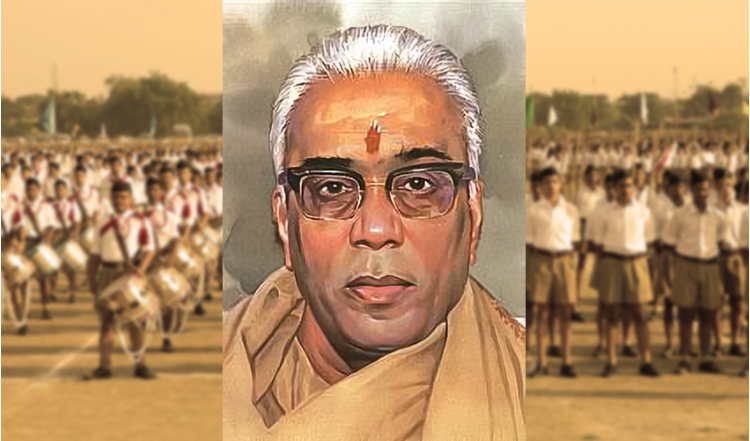
Years later, in 1925, when he chose Vijayadashami to establish the Rashtriya Swayamsevak Sangh in Nagpur, it was not accidental. The same day that had once witnessed his first public act of defiance became the day he began organized nation-building. The seed was planted in Rampayali. On this April 1st, we celebrate not just his birth, but the evening when a young voice first entered the records of an empire and did not fall silent.
Vande Mataram.
.jpg)