1936: Kisansinh Pardesh’s Flag Unfurling; Dr. Hedgewar’s Resolve for Swaraj Amid Congress Tensions

It is often said that RSS and Dr. Hedgewarji stayed silent whenever the topic was the national freedom struggle, but it is far from the truth. Many instances of history prove that RSS and its karyakartas were completely against British rule.
One such incident involves Nehru, a Congress flag, and a brave man, Kisansingh.
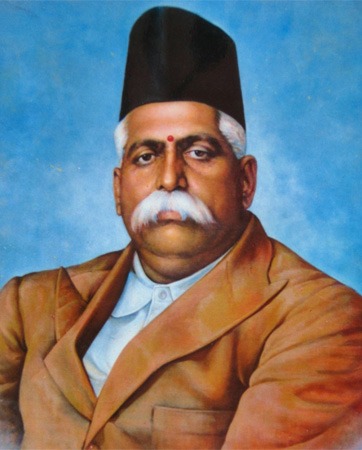
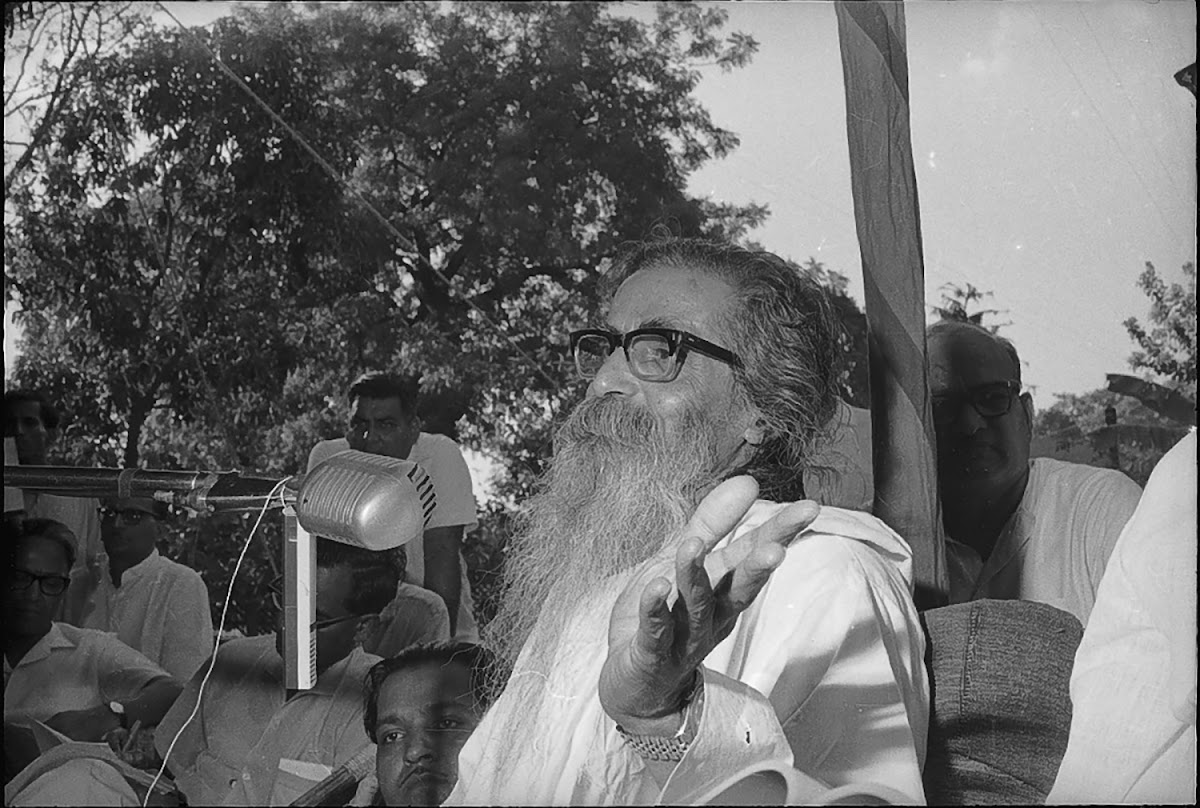
Dr. K.B. Hedgewar, who later founded Rashtriya Swayamsevak Sangh
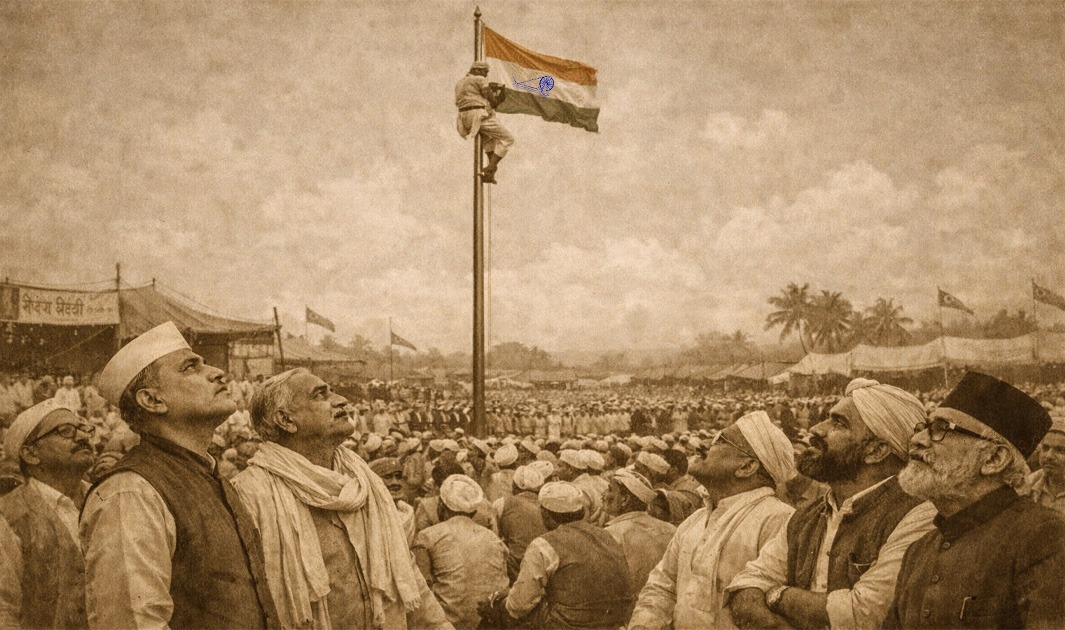
When the Indian National Congress assembled at Faizpur in December 1936, an embarrassing silence spread across the ground. The Congress flag that was hoisted to open the session had jammed midway on an 80-foot flagpole. Leaders looked up. Volunteers tried and failed. The conference, meant to symbolise India’s defiance of British rule, was stuck before it could even begin.
Then, a young swayamsevak from Shirpur, Kisansingh Pardeshi, stepped forward.
Before anyone realised what he was doing, he climbed the pole, reached the trapped flag, and unfurled it in full view of thousands. The crowd erupted. Congress leaders lifted him on their shoulders and showered him with praise. They decided to felicitate him.
But soon they learned something else. Kisansingh was a man trained by the Rashtriya Swayamsevak Sangh.
The decision to honor him was quietly dropped in the name of “procedural issues”. What happened next would reveal more about Dr Keshav Baliram Hedgewar than any political manifesto ever could.
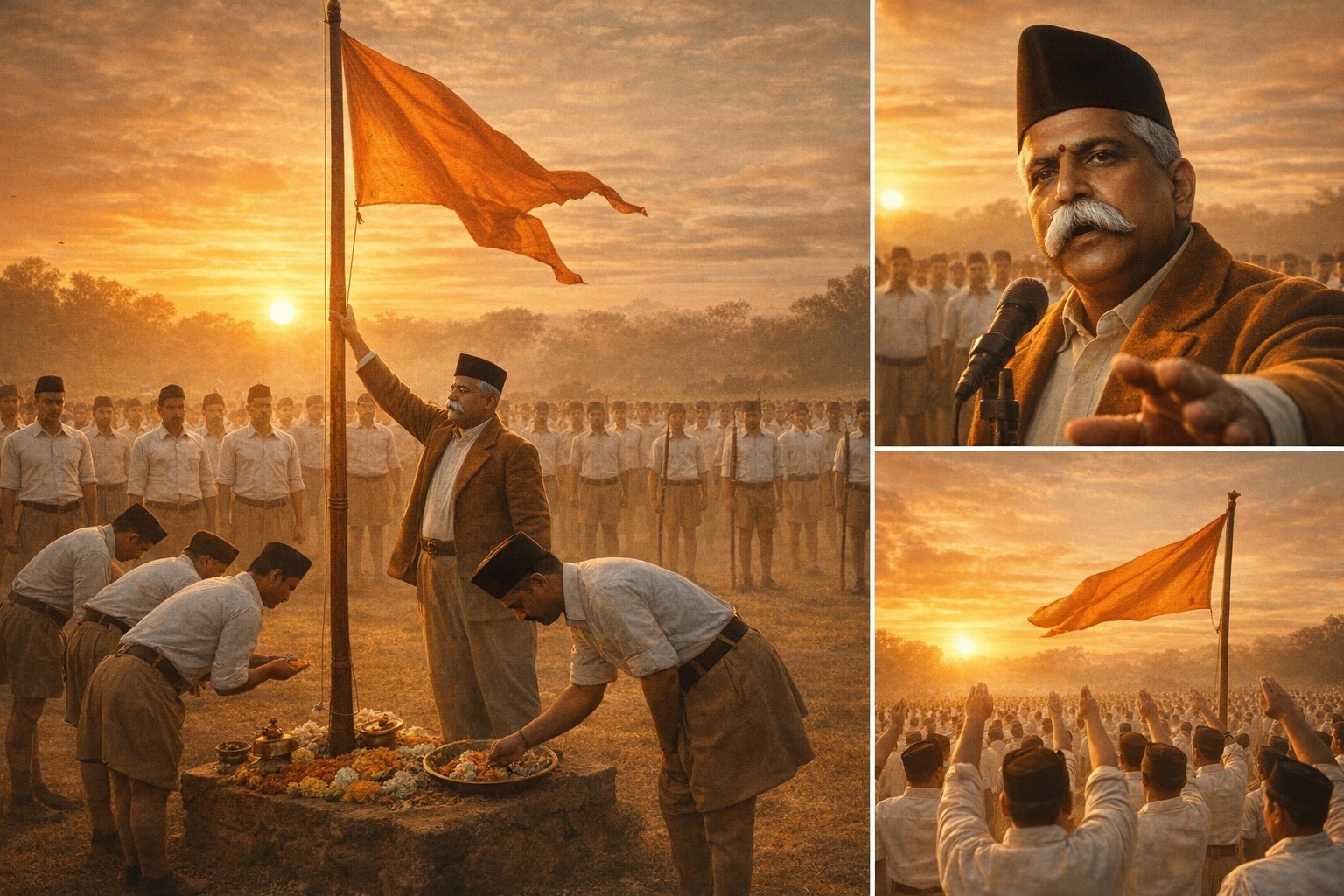
When news of Kisansingh being denied recognition reached Hedgewar Ji, he did not protest. He did not issue statements. He simply invited Kisansingh to the Sangh shakha in Dhule on 23 March 1937. There, Dr. Hedgewar seated him beside him and presented him a goblet made of sterling silver, a rare public honour which was normally shunned. Then he said something that defined the Sangh’s political philosophy for decades to come: “A swayamsevak stakes life to clear national hurdles—this is dharma.” Over 500 attendees cheered.
This was not rhetoric. It was doctrine. Dr. Hedgewar was drawing a red line between national work and party loyalty.
Tembhe’s Appeal and Hedgewar Ji’s Philosophy of Uniting Against Imperialism
Dr. Kakasaheb Tembhe, a Congressman who sympathized with the Sangh, was perturbed by this. He wrote to Hedgewar Ji, requesting the latter to criticize the Congress’s style of functioning and ideological orientation.
Dr. Hedgewar disagreed with Tembhe as he did not wish to allow any disaffection towards the Congress in the minds of swayamsevaks. To him, there were only two options. The RSS would have to rapidly enhance its own strength as to be able to evict the British from India through a revolution; else, the anti-imperialist struggle would have to continue under the aegis of the Congress. Hedgewar Ji did not wish to create multiple centres of the anti-imperialist struggle. No multiple fronts; prioritize Swaraj and Bharat.
The Man the British Listed as Dangerous
This position did not come from political convenience. It came from Hedgewar Ji’s own revolutionary past.
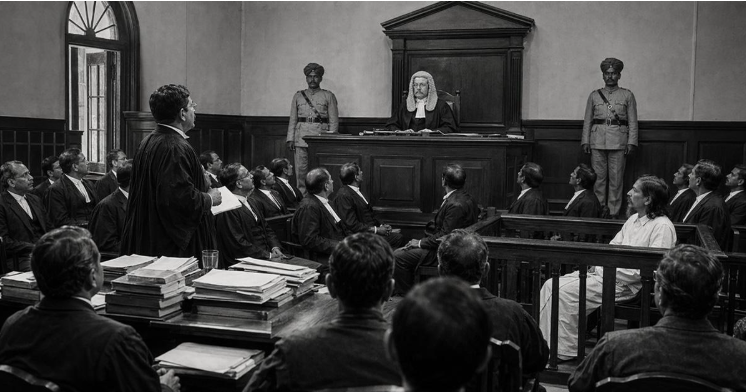
Long before the RSS existed, the British Empire already knew his name. In 1909, he was accused of instigating rebellion and hurling a bomb at a police outpost. In 1921, during the Non-Cooperation Movement, he was charged with sedition at Nagpur. Inside a colonial courtroom, he called British rule “inhuman, immoral, unlawful and cruel, ” and urged resistance not just to British laws, but to the entire imperial machinery: Police, Courts, and Administration.
The magistrate snapped back that his defence was “even more seditious than his speeches.” The government classified him as a “probable dangerous political criminal” seven years before most Indians had even heard of him.
In 1930, during the Civil Disobedience Movement, Hedgewar Ji went to jail again, leading the Forest Satyagraha. Nine months in prison did not soften him. By the time he fell ill in 1940, even revolutionaries like Subhas Chandra Bose were gravitating towards him. Netaji met him just a day before his death.
The Kisansingh incident is not a footnote. It is the blueprint. Dr. Hedgewar honored his swayamsewak but refused to use this issue to create divisions in the struggle against the British.